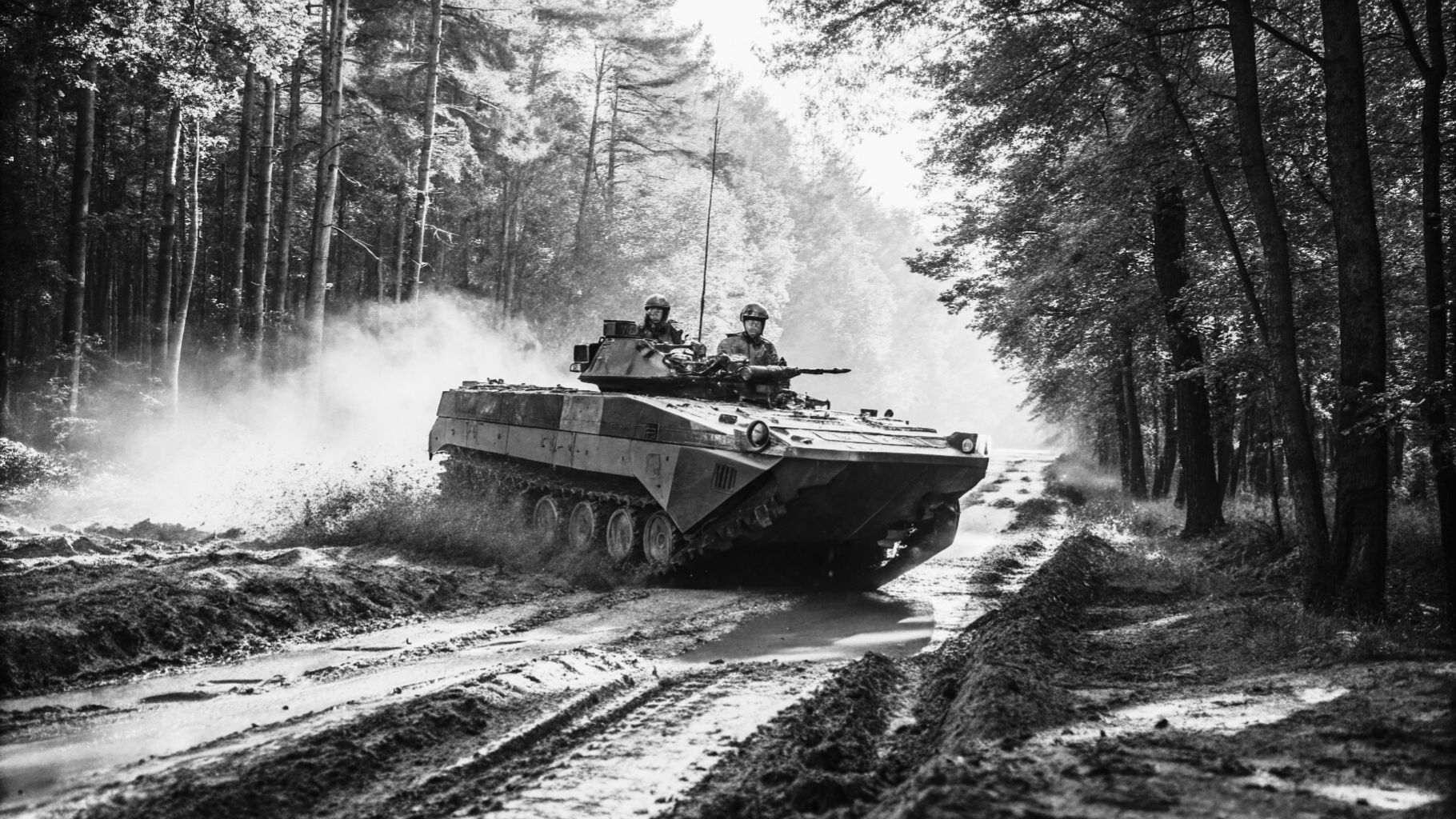
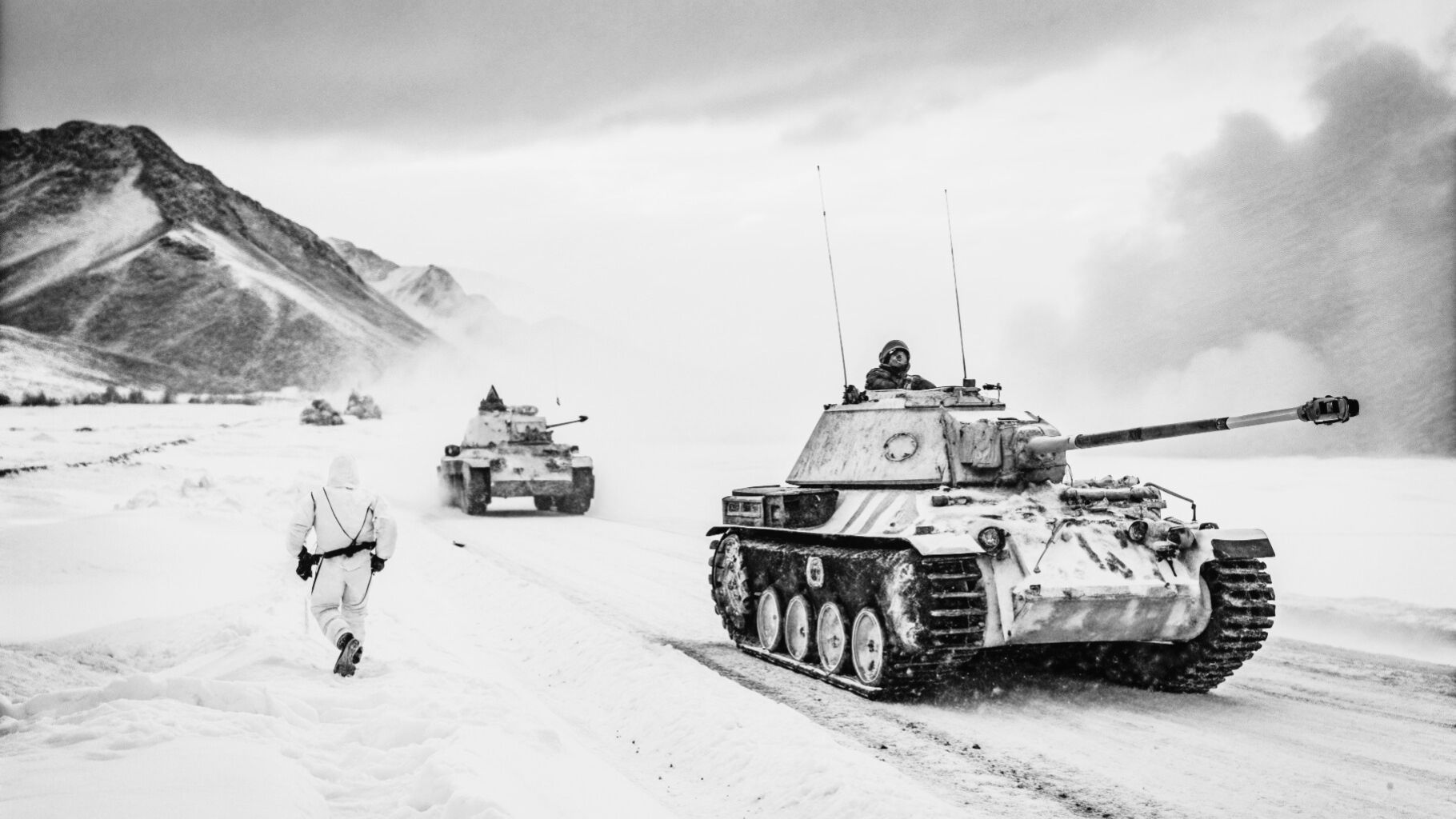
Rheinmetall has confirmed that the German Army (Bundeswehr) has approved an amendment to its Puma Infantry Fighting Vehicle programme, significantly increasing the fleet size through PSM, the joint venture between Rheinmetall and KNDS Deutschland. Signed at the Bundeswehr procurement authority BAAINBw in Koblenz, the agreement formalises a major procurement effort that will enter into legal force in January 2026, with vehicle deliveries planned from 2028. The expanded programme is designed not only to grow fleet numbers but also to ensure the Puma remains aligned with evolving threat environments and technology cycles, including measures to address obsolescence and introduce new capabilities such as counter-drone defence. By linking large-scale procurement with a defined modernisation pathway, the decision embeds upgrades into the programme rather than treating them as a follow-on activity.
Under the revised framework, PSM has been tasked with delivering 200 Puma IFVs, with initial handovers scheduled for mid-2028. The total gross contract value is estimated at €4.2 billion, evenly divided between KNDS and Rheinmetall Landsysteme GmbH at €2.1 billion each, with both firms executing the project as subcontractors. The scope extends beyond the vehicles themselves, covering protection kits and storage containers, underscoring an approach that integrates readiness, protection, and sustainment alongside platform acquisition.
The expansion builds on the contractual structure established in May 2023, when BAAINBw awarded PSM a framework agreement and placed an initial order for 50 Pumas. This framework has now been extended, with a further amendment for the S2 configuration expected around mid-2026. According to Rheinmetall, the S2 standard will focus on eliminating obsolescence and adding new capabilities, including drone defence, drawing on technologies derived from the Jackal armoured vehicle’s turret. Taken together, these steps position the Puma programme as a continuous capability development effort, combining procurement scale, protection enhancements, and planned upgrades within a single, long-term project.