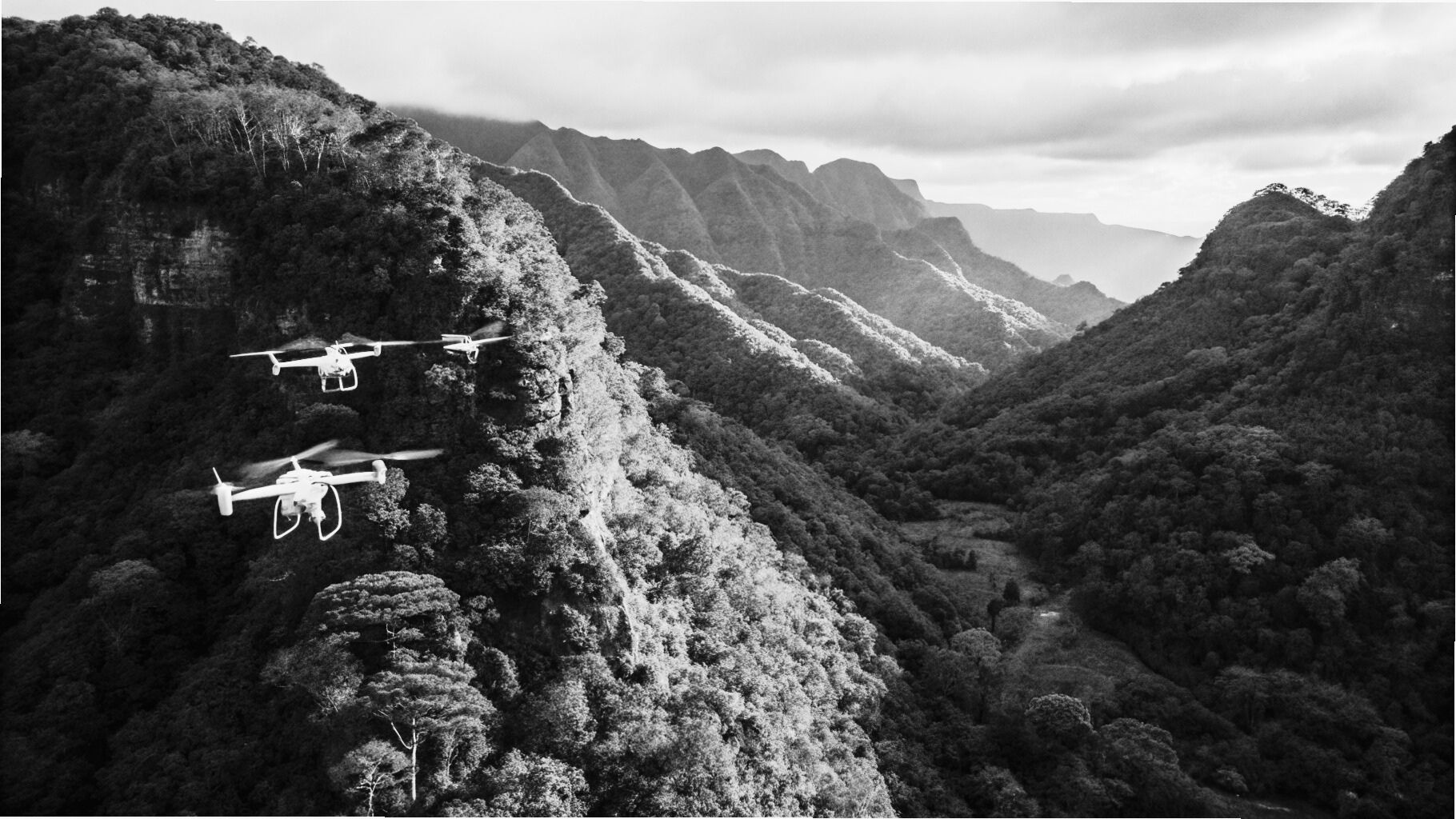
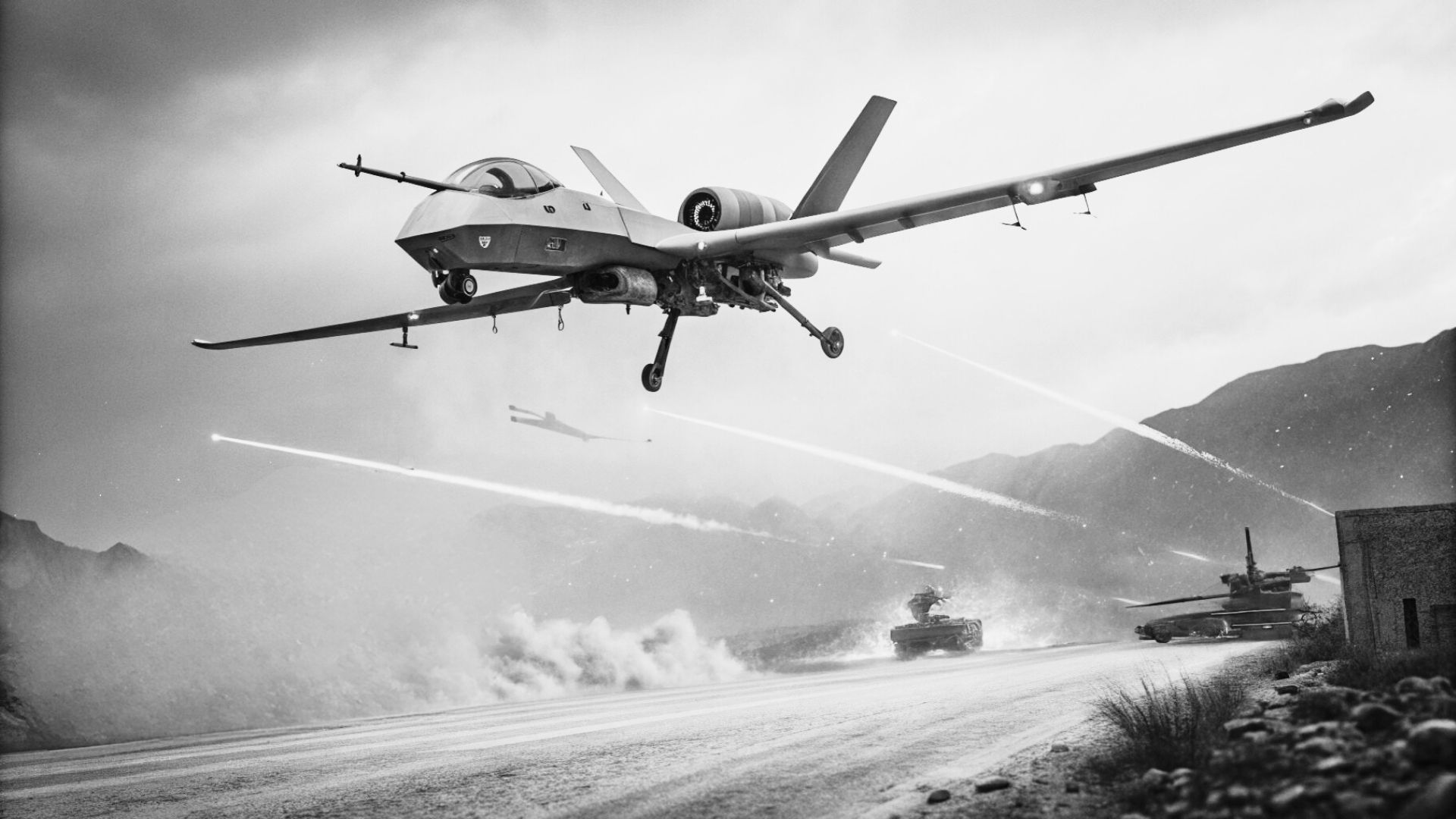
New imagery indicates that the U.S. Air Force has deployed a seventh MQ-9A Reaper drone from Rafael Hernández Airport in Aguadilla, Puerto Rico, expanding persistent surveillance coverage across the Caribbean and toward Venezuela. The move underscores Washington’s growing reliance on unmanned systems to monitor transnational drug trafficking networks and strengthen regional security cooperation.
The U.S. Air Force has steadily expanded its unmanned presence in the Caribbean, with recent imagery confirming an additional MQ-9A Reaper operating from the former military airfield at Aguadilla, also known as BQN. U.S. defense officials have long highlighted the strategic value of the site as a forward hub for intelligence, surveillance, and reconnaissance missions supporting counter-narcotics efforts across the Caribbean basin and key maritime routes connected to Venezuela.
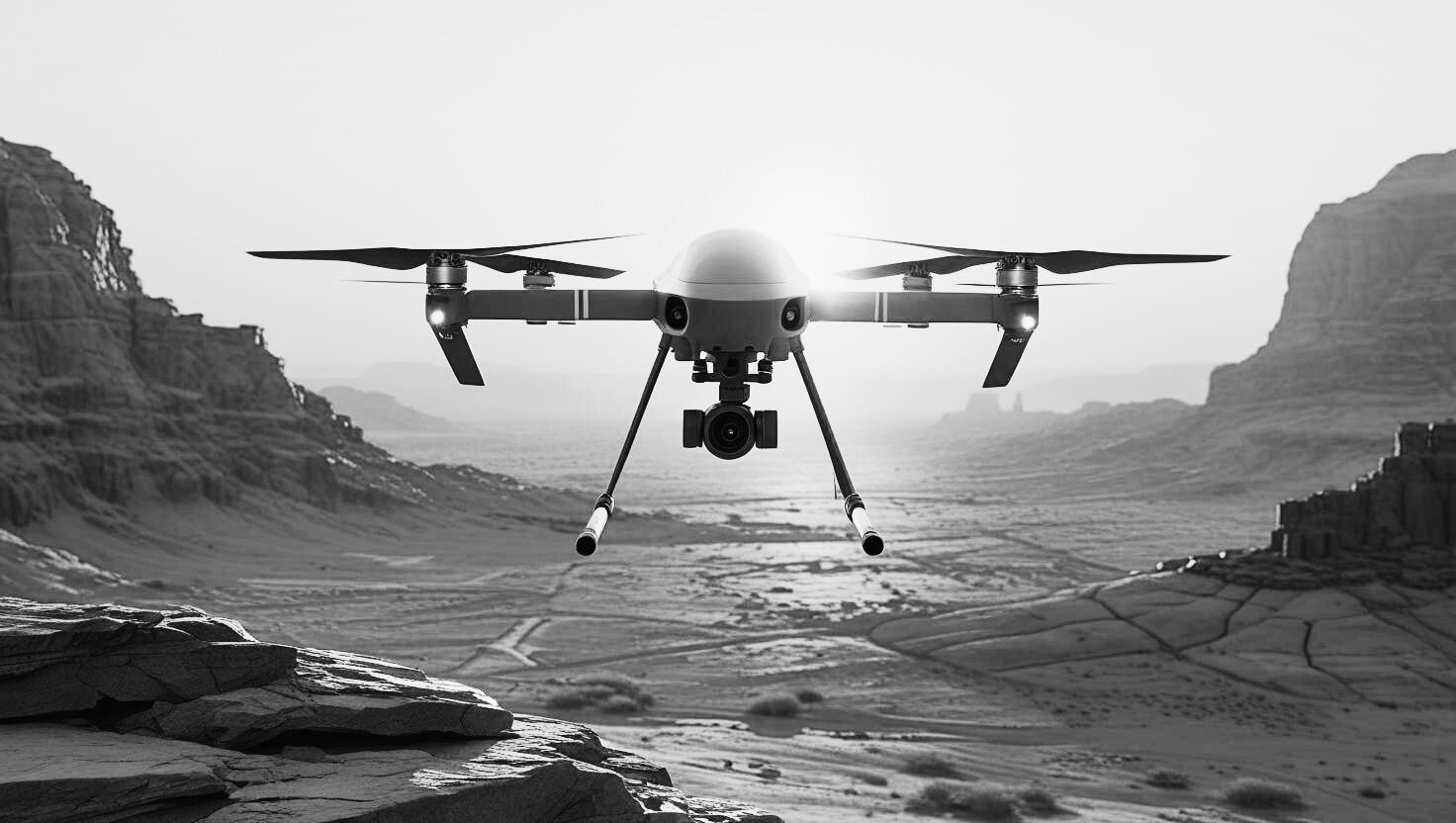
The newly identified Reaper was observed departing the western Puerto Rican airfield earlier this week, joining a growing fleet of remotely piloted aircraft operating under U.S. Southern Command’s Joint Interagency Task Force South. The increased Reaper activity coincides with intensified surveillance and interdiction efforts along major drug-trafficking corridors linking South America, Central America, and the U.S. southeastern seaboard. Together, these deployments reflect a shift in U.S. airpower posture in the region, emphasizing persistent ISR to counter transnational criminal organizations.
Local tracking has shown a marked rise in MQ-9A flight activity over the Mona Passage and across the southern Caribbean, with some routes extending close to Venezuelan airspace while remaining within international corridors. Analysts note that the MQ-9A’s long-endurance ISR capabilities provide coverage and persistence that manned patrol aircraft often struggle to sustain in the region.
The Reapers operating from Aguadilla are believed to be equipped with full-motion video and synthetic-aperture radar optimized for maritime surveillance. These sensors enable U.S. and partner forces to detect and track low-profile threats, including go-fast boats and semi-submersible vessels. While the Air Force has not publicly disclosed the total number of UAVs based in Puerto Rico, confirmation of a seventh MQ-9A signals a clear expansion of the mission.
According to defense sources, Puerto Rico’s western airfield has become a critical forward node for persistent ISR, providing rapid access to key chokepoints in the southern Caribbean and eastern Pacific. The increased use of Reapers also allows high-demand assets such as P-8 Poseidon aircraft and Coast Guard platforms to be reallocated to broader patrol and response tasks.