India’s drive toward complete self-reliance in aero-engine technology has advanced significantly with the Gas Turbine Research Establishment (GTRE) issuing an Expression of Interest (EoI) to identify an Indian industry partner for the development and production of a “Ready-to-Fit” High Energy Ignition (HEI) Unit and its associated high-tension ignition cables. The initiative focuses on one of the most vital yet often underappreciated subsystems in modern jet engines, directly impacting engine reliability, operational safety, and combat survivability.
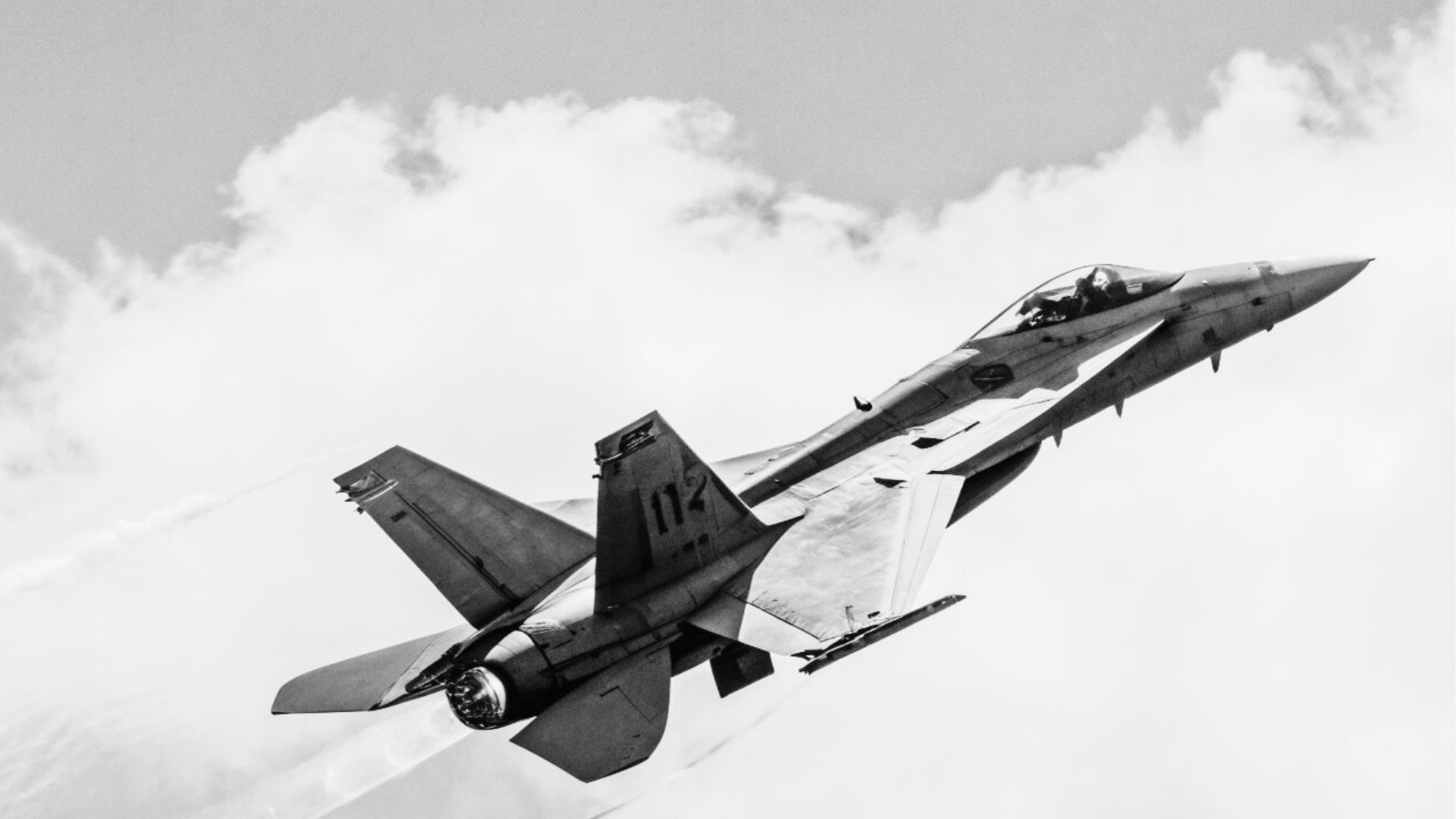
The HEI system is considered a mission-critical component for future fighter engines, including the planned 110–120 kN class powerplant intended for the Advanced Medium Combat Aircraft (AMCA) and Tejas Mk2 programs. In advanced military aviation, reliable ignition capability is essential for ensuring operational success and preventing catastrophic engine failures.
Technically, the HEI system utilizes capacitor-discharge technology, where an exciter converts low-voltage electrical input into high-voltage pulses capable of producing sparks in the 4 to 12 Joule range. These powerful sparks are necessary for initiating combustion under extreme operational conditions where standard ignition systems may fail.
One of the most demanding applications is high-altitude relight capability. Fighter aircraft operating at extreme altitudes face thin atmospheric conditions and very low temperatures, making engine reignition particularly difficult after a flameout. The HEI system must deliver an accurately timed, high-energy spark to immediately reignite the fuel-air mixture. Any malfunction or delay in this process could place the aircraft at serious risk.
The system is equally important for cold-start operations in harsh environments such as Ladakh, where sub-zero temperatures can severely affect engine startup performance. The HEI ensures reliable ignition and engine stabilization even in extreme weather conditions, helping maintain mission readiness across diverse operational theatres.
GTRE’s EoI covers the complete development scope, including the High Energy Ignition Unit, high-tension ignition cables, and igniter plugs. The selected partner will be responsible not only for manufacturing but also for engineering realization, qualification, and certification of flight-worthy aerospace hardware.
The tender process, issued under IDs 53953242 and 53948514 (corrigendum), has been extended until April 21, 2026, allowing additional time for industry participants to prepare their technical proposals. The objective is to create a fully indigenous ignition system for the Advanced High Thrust Combat Engine (AHTCE), which is expected to power future Indian fighter aircraft.
Strategically, the initiative aligns with the Development-cum-Production Partner (DcPP) model, which integrates Indian industry partners early in the development cycle instead of limiting participation to production alone. This approach aims to strengthen supply-chain resilience, reduce development risks, and accelerate certification and production timelines.
The urgency behind the project has been reinforced by lessons from Operation Sindoor in May 2025, which exposed vulnerabilities in India’s defence supply chain. Even relatively minor imported components, such as ignition cables and specialized connectors, posed risks of grounding operational fleets if overseas supply chains were disrupted. Indigenous development of the HEI system is intended to eliminate such dependencies.
Another major advantage is full intellectual property ownership. Unlike imported propulsion components used in GE F404 and F414-powered aircraft, the indigenous HEI system will remain entirely under Indian control, allowing unrestricted upgrades, modifications, and integration across multiple platforms.
Beyond a single engine program, the HEI architecture developed through this initiative is expected to serve as a common ignition solution for several future platforms, including the Ghatak unmanned combat aerial vehicle powered by the Dry Kaveri engine and the next-generation propulsion system planned for AMCA Mk2.