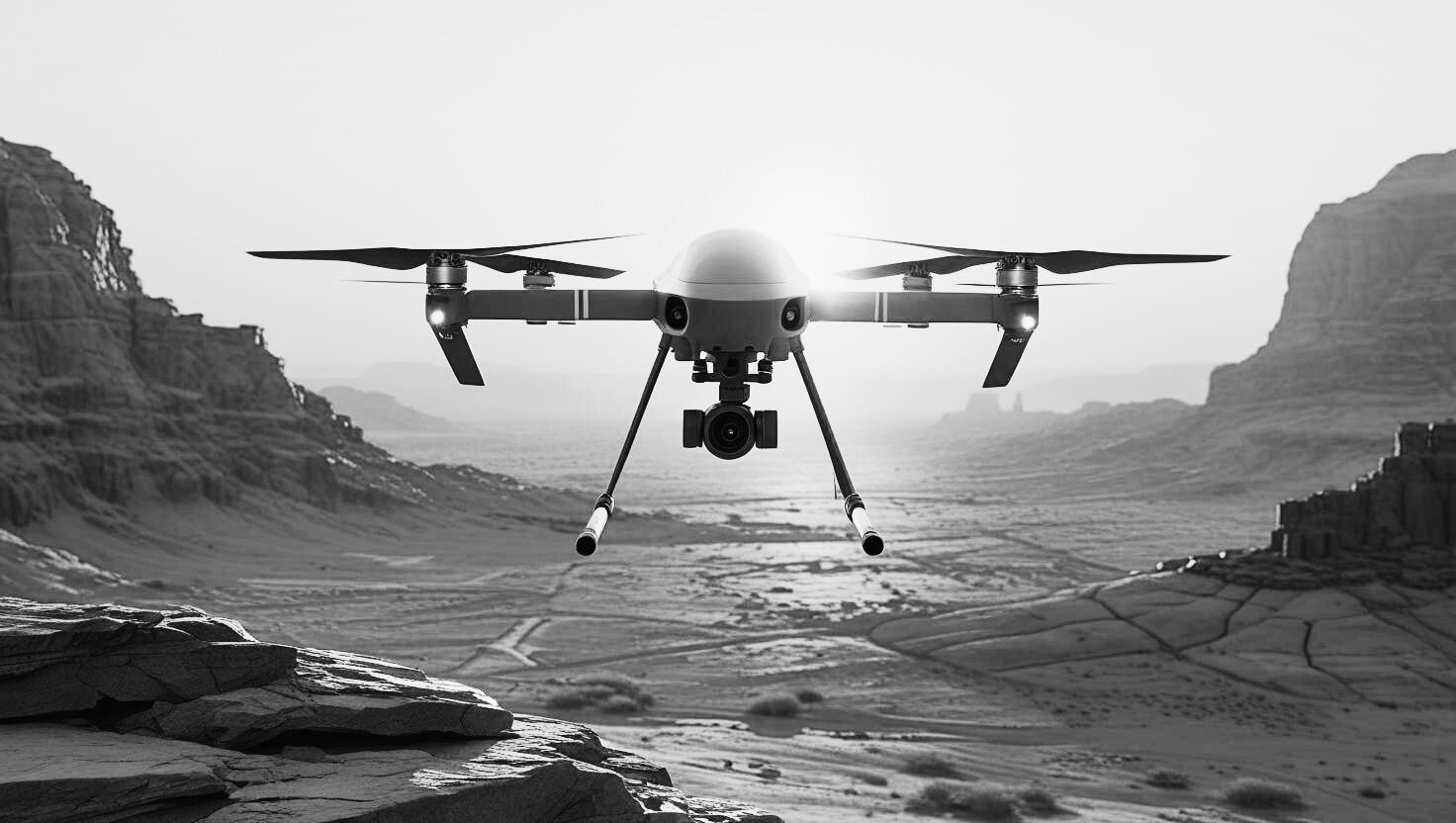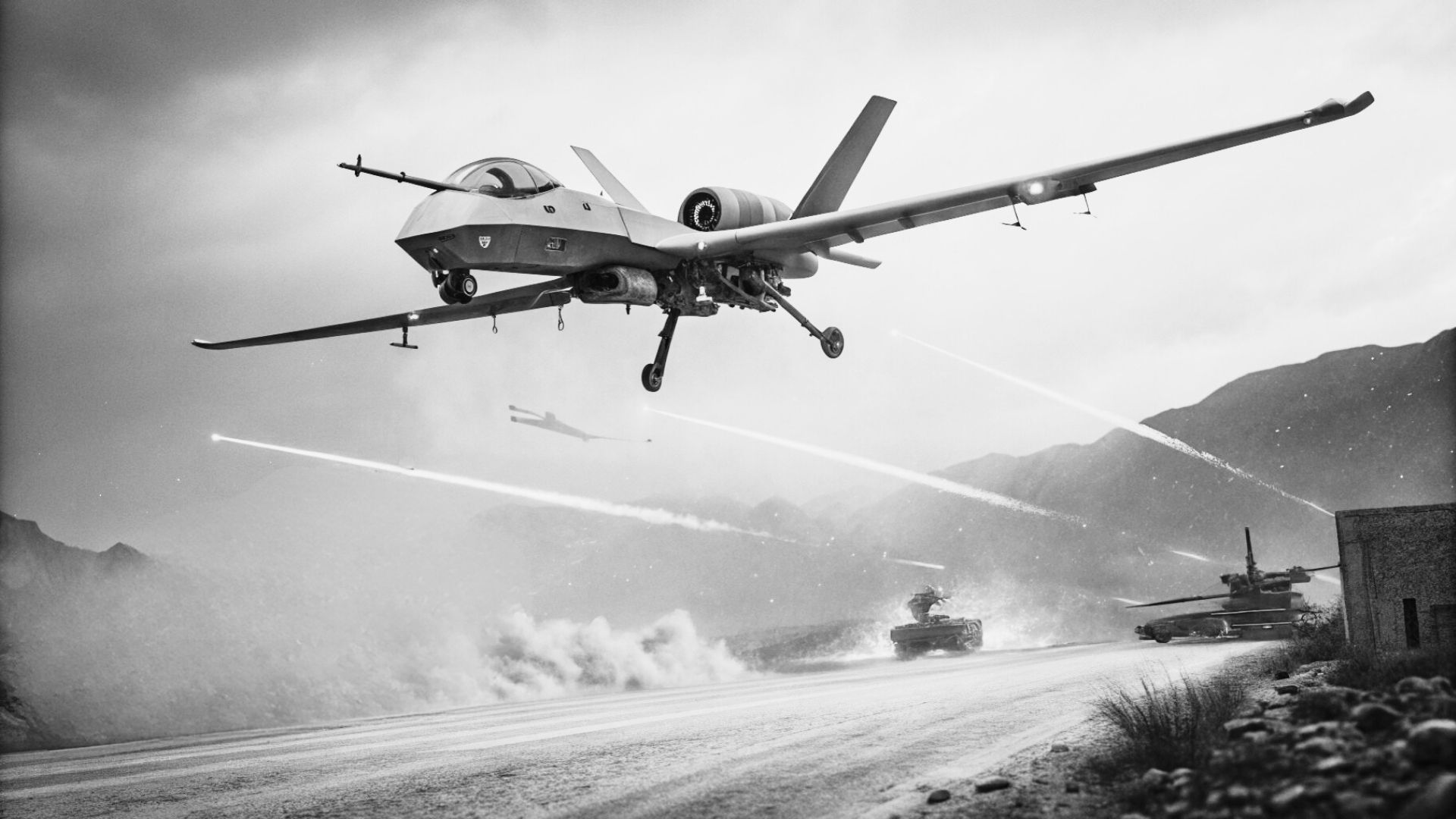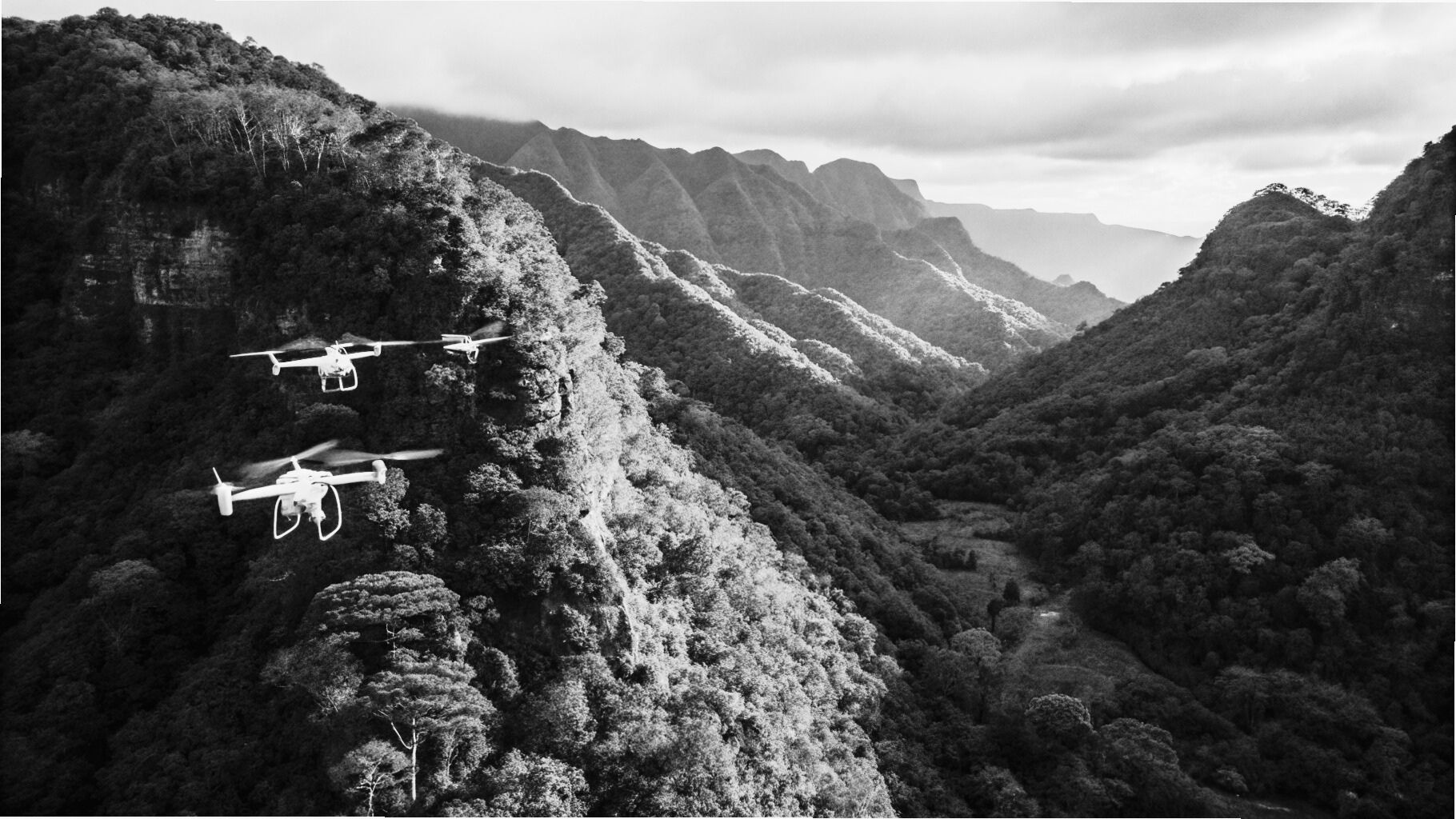

Dynamatic Technologies Limited, in collaboration with Germany’s Aerodata AG, is positioning its jointly developed “AeroForce X” UAV as a strong contender for the Indian Armed Forces’ requirement for 87 Medium Altitude Long Endurance (MALE) unmanned aerial vehicles. Valued at approximately ₹25,000 crore, the tri-service procurement program is expected to play a major role in shaping India’s future ISR and armed UAV capabilities.
A key strength of the Dynamatic–Aerodata proposal lies in its emphasis on operational sovereignty, particularly in software ownership and design control. Under the proposed framework, the Indian partner will retain ownership of the UAV’s source code and mission data files. In modern UAV systems, this level of control is strategically significant, as it determines the ability to modify flight control logic, integrate new sensors, update threat libraries, and incorporate indigenous weapons without dependence on foreign vendors.
The project also focuses heavily on indigenous design ownership. Unlike conventional licensed-production arrangements where intellectual property remains with the foreign original equipment manufacturer (OEM), AeroForce X is being developed as an Indian-owned platform with joint development support. This approach allows the UAV to be optimized specifically for Indian operational needs, including high-altitude ISR missions over the Himalayas and extended maritime surveillance operations in the Indian Ocean Region. It also creates opportunities for future weaponization without being constrained by foreign export regulations or approval processes.
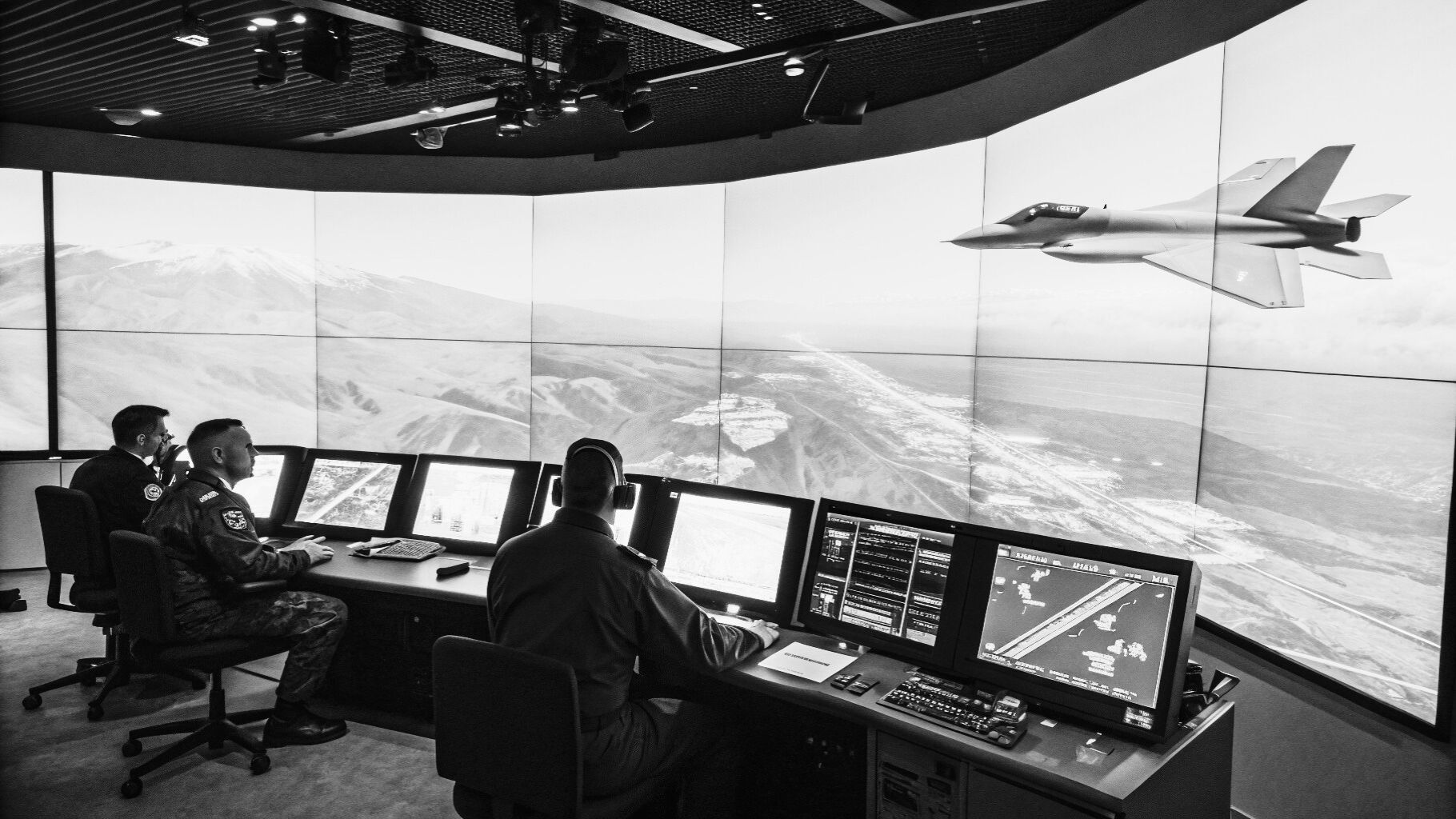
From an operational perspective, MALE UAVs occupy a critical role in modern warfare by providing persistent intelligence, surveillance, reconnaissance, communication relay, and precision-strike capabilities. The ability to integrate indigenous air-to-surface weapon systems is expected to be a major evaluation factor in the competition. By retaining control over both software and platform design, AeroForce X can potentially support indigenous weapon integration without requiring external certification or government clearances.
The partnership itself follows a hybrid development model. Aerodata contributes expertise in mission systems, sensors, and aviation certification, while Dynamatic provides manufacturing infrastructure, systems integration, and alignment with Indian defence procurement policies. Together, the companies aim to accelerate development while ensuring the platform meets Indian military operational requirements.
This alignment is particularly important given the varied needs of the Army, Navy, and Air Force. The three services require UAVs capable of missions ranging from border monitoring and counter-infiltration to maritime domain awareness and long-range ISR. A platform designed around these diverse operational requirements from the beginning may hold an advantage over imported systems that require extensive modifications after acquisition.
The scale of the ₹25,000 crore program highlights its strategic significance for India’s defence sector. Beyond acquiring UAVs, the initiative is expected to establish a long-term domestic industrial and technological foundation in the MALE UAV segment. Indigenous ownership of design and software will also ensure that future upgrades, lifecycle support, and potential export opportunities remain under Indian control.