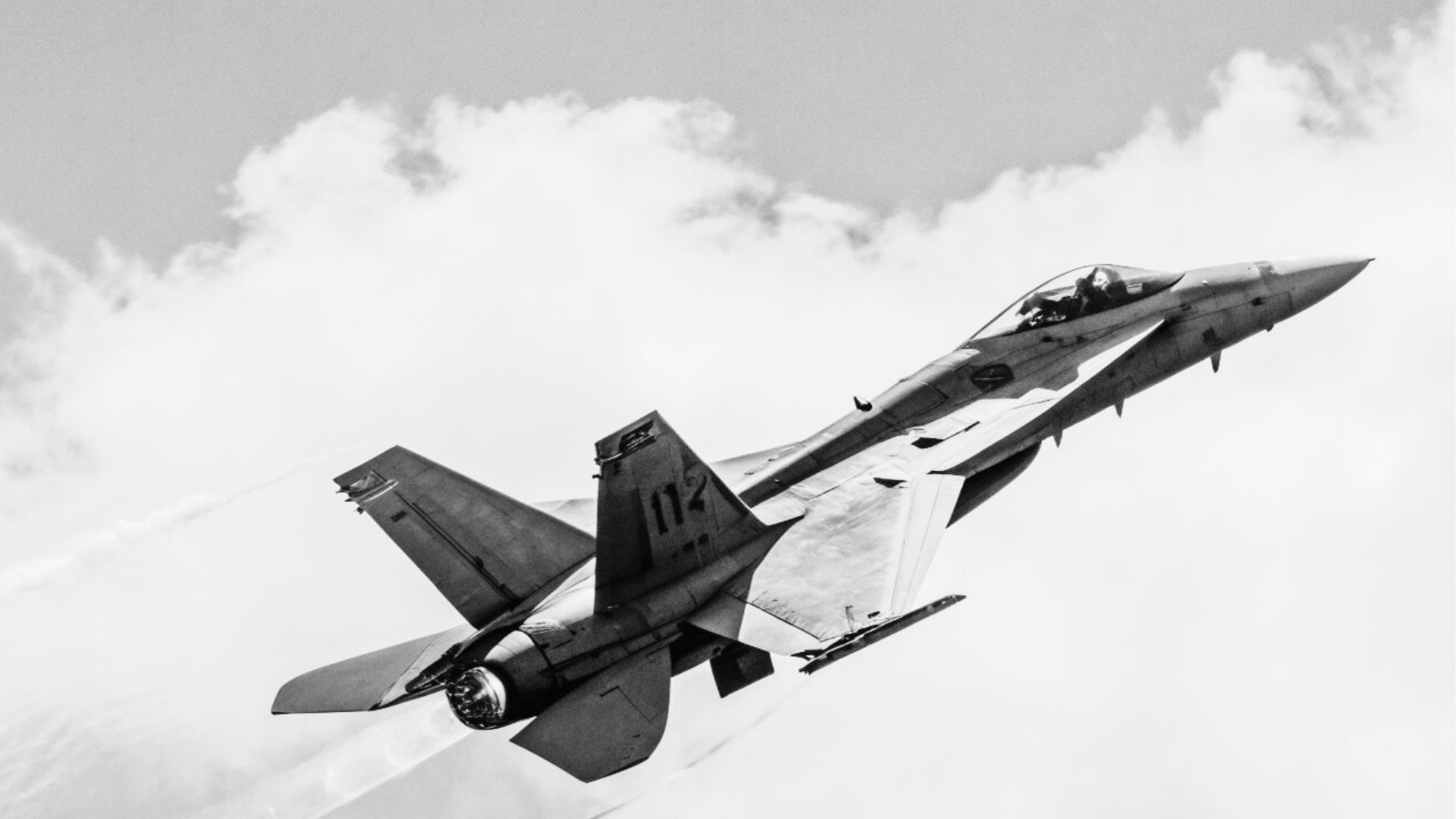
The Indian Navy has launched a major modernization effort for its MiG-29K carrier-based fighter fleet by replacing the aging Russian-origin Zhuk-ME mechanically scanned radar with the indigenous Uttam Mk2 AESA radar developed by DRDO’s LRDE.
The move follows internal evaluations conducted in late 2025, which found that the Zhuk-ME radar had suffered nearly 40 percent performance degradation due to prolonged exposure to humid and saline maritime conditions. The harsh sea environment significantly impacted the reliability and operational efficiency of the radar system.
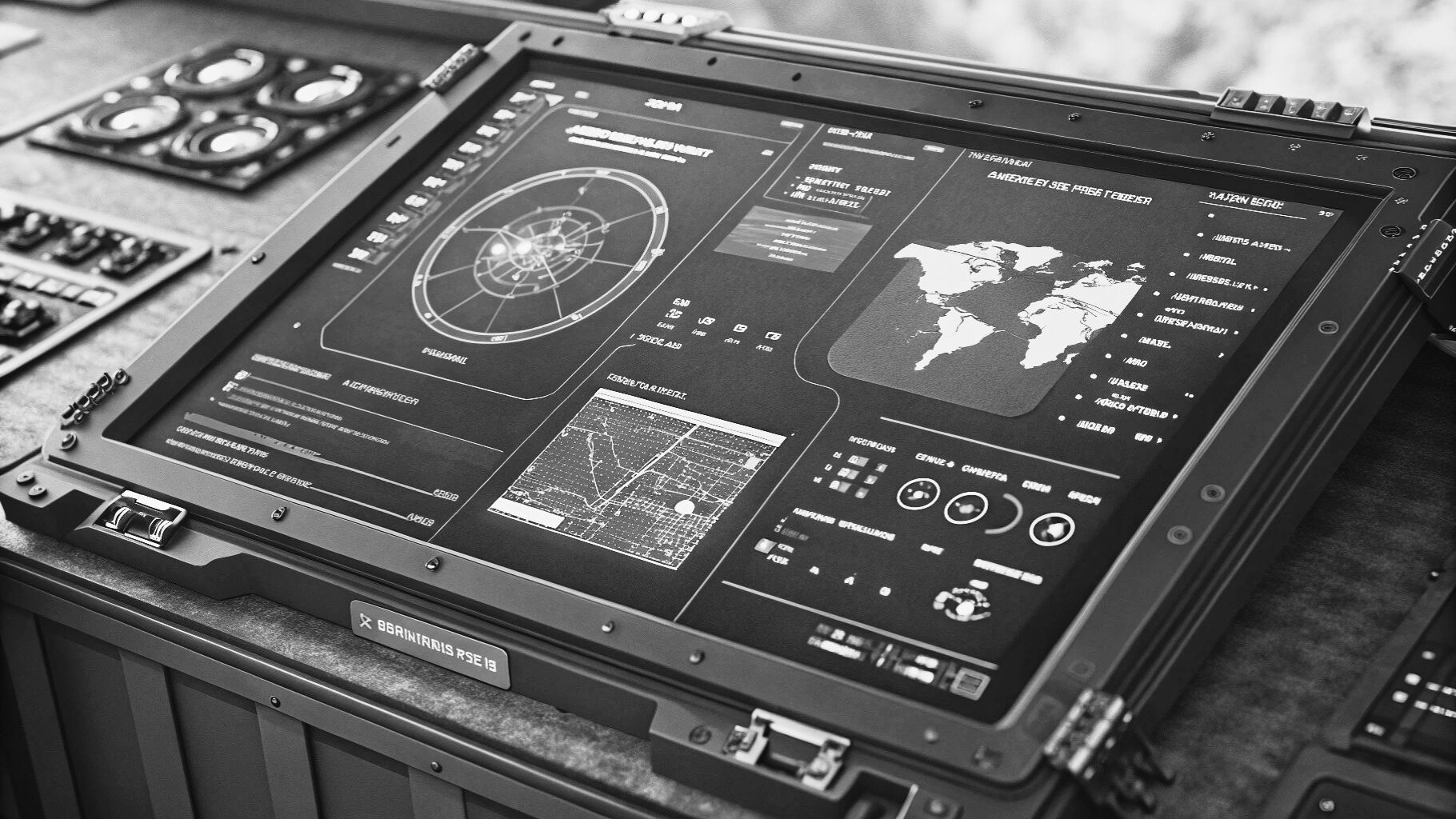
To address these issues, the Navy has turned toward an indigenous solution as part of a broader strategy focused on digital sovereignty and long-term sustainment. The Uttam Mk2 AESA radar represents a significant technological advancement over the legacy system, offering improved target tracking, multi-target engagement capability, and stronger resistance against electronic warfare threats such as jamming.
Unlike the mechanically scanned Zhuk-ME, the AESA-based Uttam Mk2 can simultaneously monitor multiple air and surface targets, substantially boosting the MiG-29K’s combat effectiveness in both air defense and maritime strike missions.
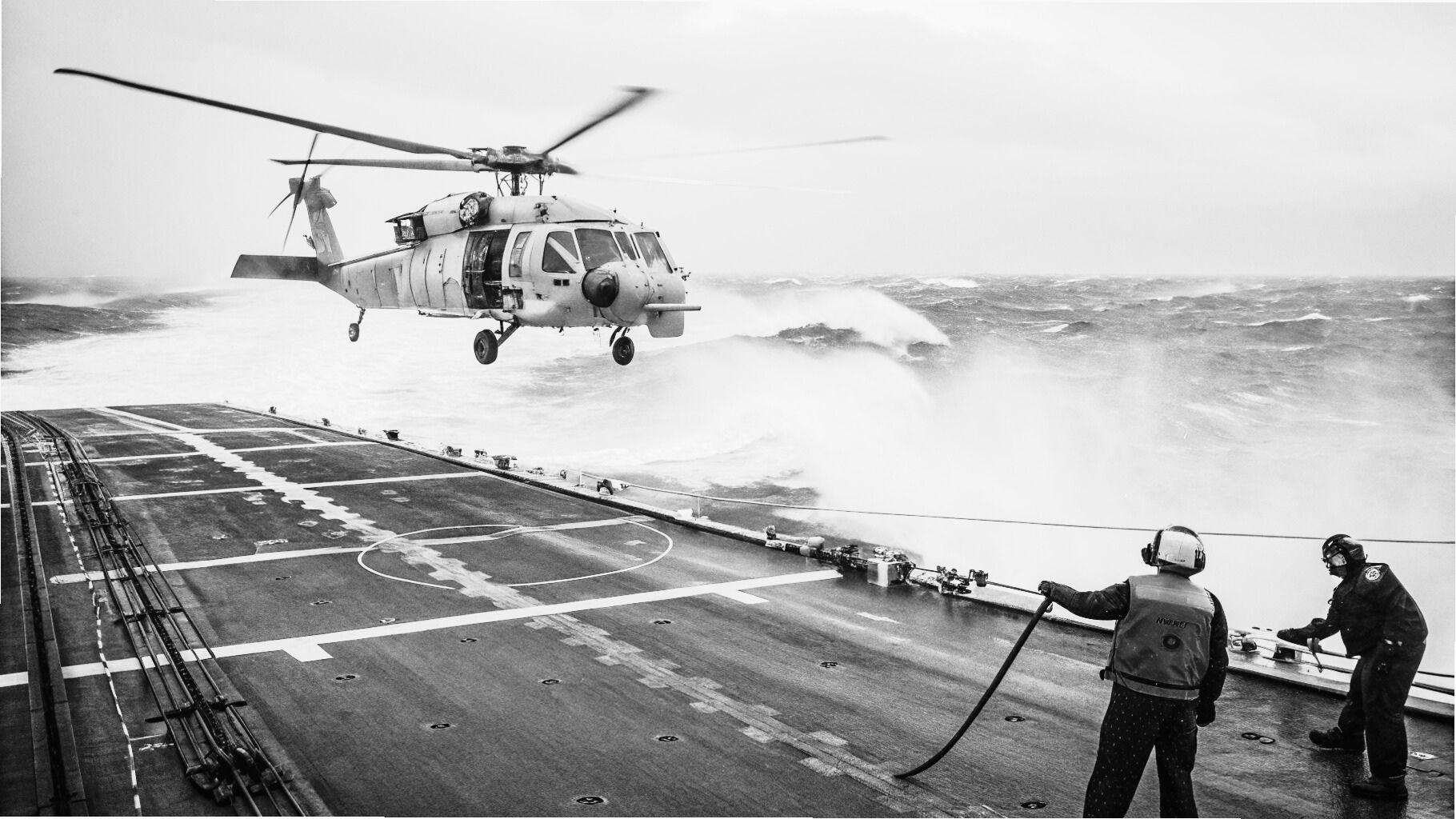
A key focus of the 2026 upgrade tenders is the “maritime hardening” of the radar system. Specialized coatings and protective measures are being introduced to shield the radar from salt-air corrosion and harsh naval operating conditions, ensuring long-term reliability during carrier operations in the Indian Ocean Region.
The radar modernization will also pave the way for integrating indigenous Astra Mk1 and Mk2 beyond-visual-range missiles, reducing dependence on Russian R-77 air-to-air missiles and strengthening the Navy’s self-reliant weapons ecosystem.
The upgrade gains added importance as India’s Twin Engine Deck-Based Fighter (TEDBF) program is now expected to enter service only between 2038 and 2040. Until then, the MiG-29K fleet will remain the backbone of carrier aviation operations aboard INS Vikrant and INS Vikramaditya for at least the next 15 years.