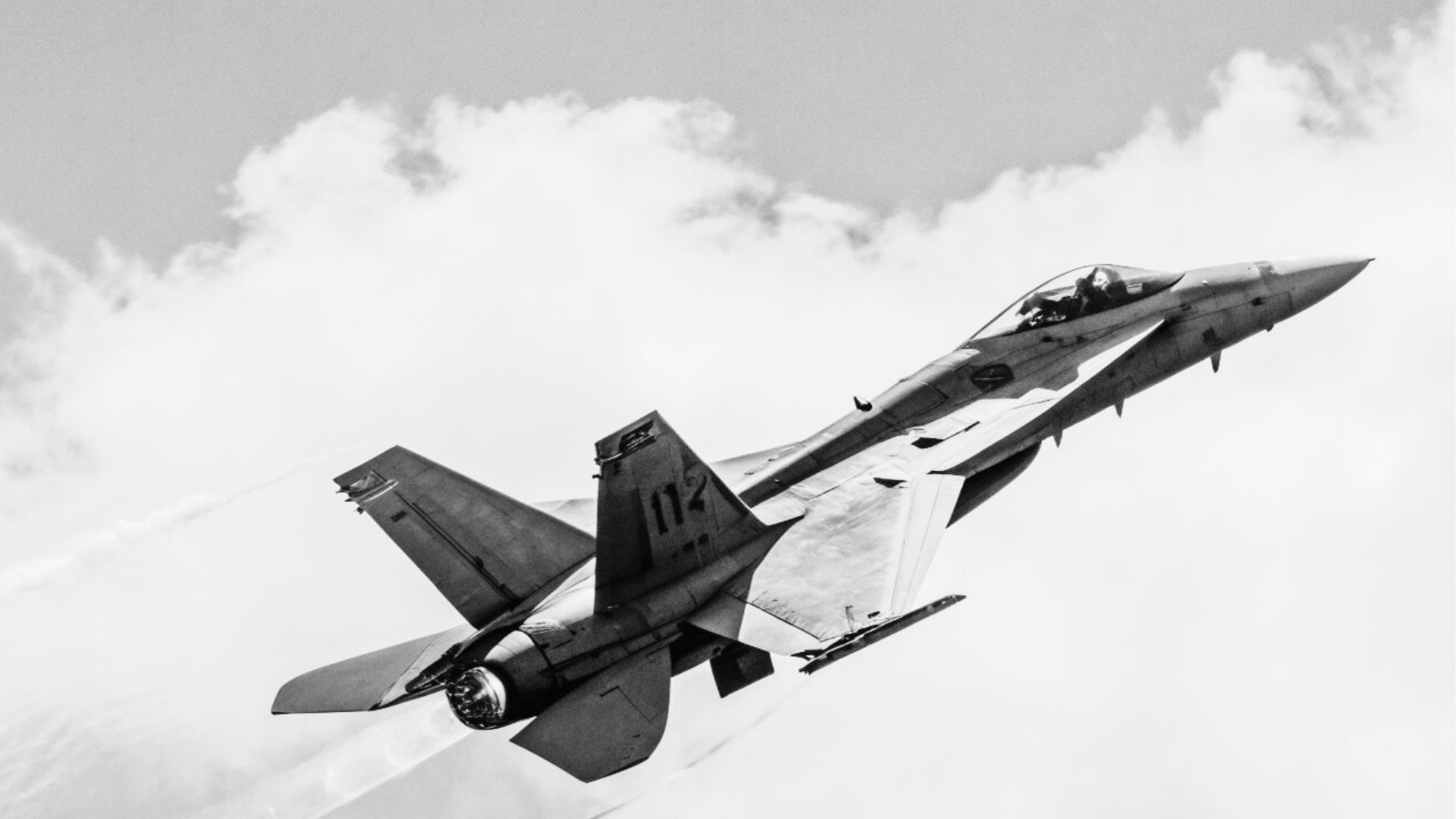
India is considering the establishment of a second fighter aircraft production line to minimise reliance on a single manufacturing facility and strengthen its domestic defence industry, Defence Secretary Rajesh Kumar Singh said, according to CNBCTV18.
Addressing an event organised by the Public Affairs Forum of India, Singh highlighted the risks associated with depending on a single production line, including potential manufacturing bottlenecks and delivery delays. He suggested that India should eventually develop at least two, and potentially three, fighter aircraft production facilities to ensure greater industrial resilience.
The government is currently assessing proposals from three shortlisted companies for the Advanced Medium Combat Aircraft (AMCA) program. The initiative is expected to expand private-sector involvement in the development and production of next-generation combat aircraft.
Diversifying Missile and Drone Production
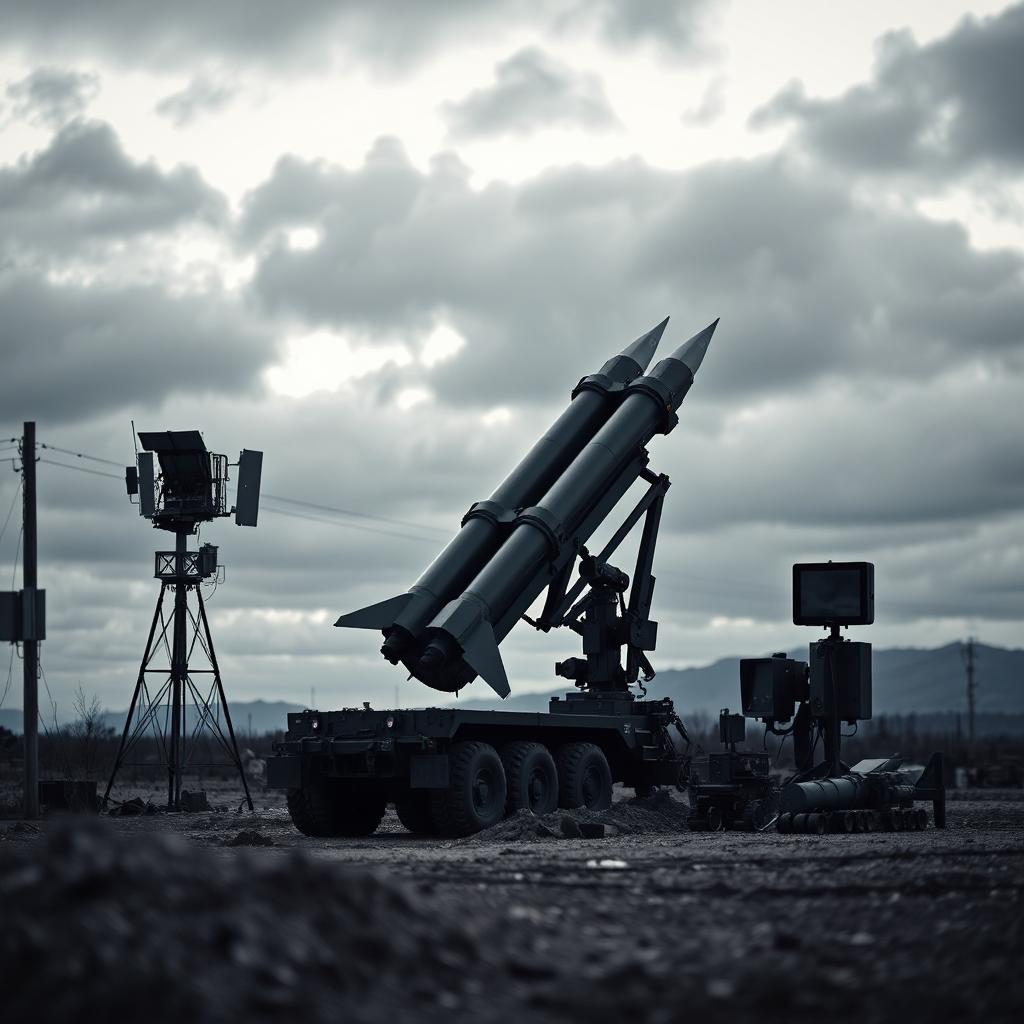
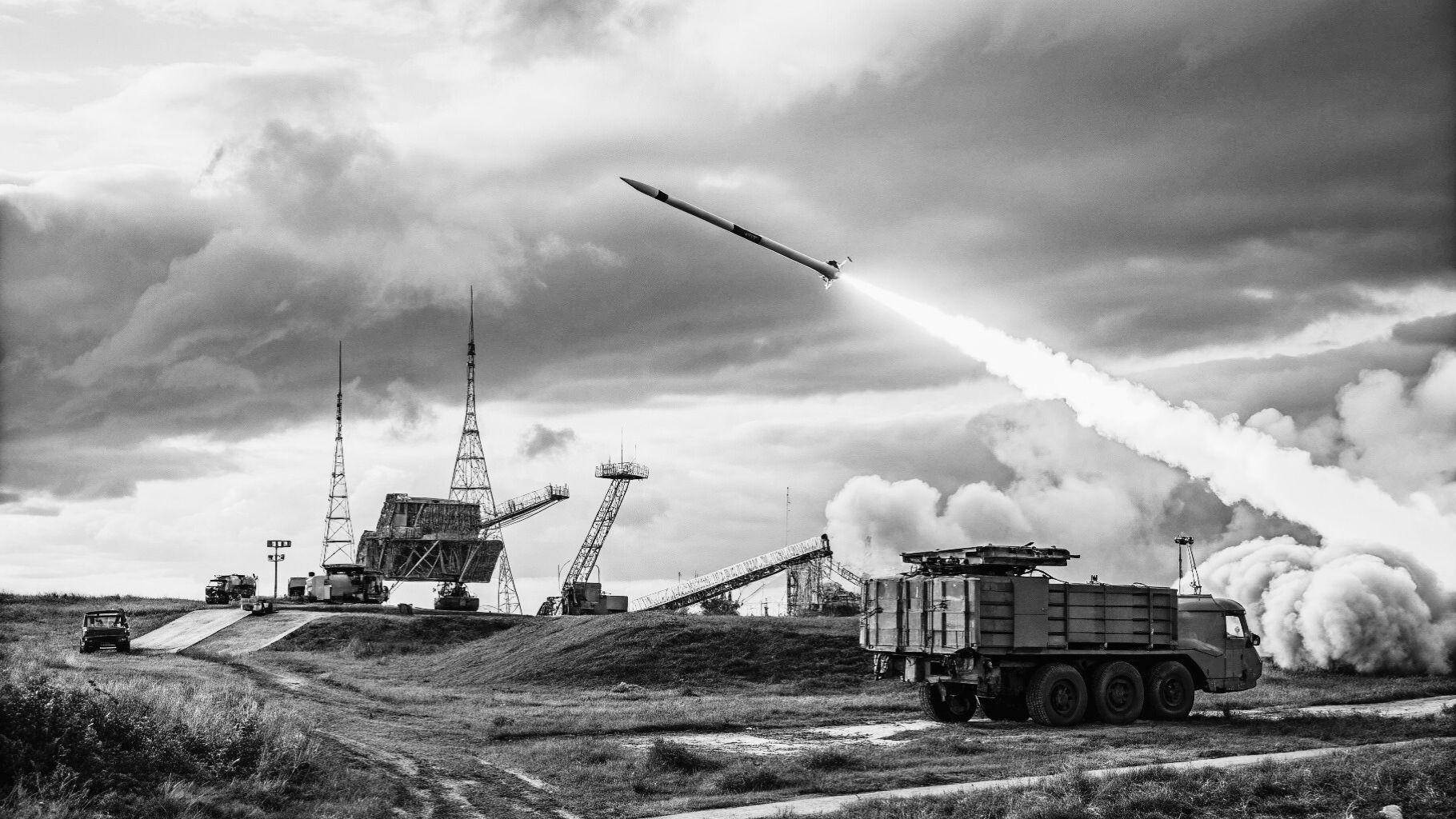
Singh emphasised the importance of establishing multiple domestic missile manufacturers rather than relying on a single public-sector undertaking. The government’s objective is to increase production volumes, expand manufacturing capacity and develop a more robust defence industrial ecosystem.
He indicated that India should aim to establish approximately six missile manufacturers alongside hundreds of drone producers. The government is also encouraging private-sector participation in ammunition and propellant manufacturing to reduce dependence on individual suppliers.
According to Singh, India has achieved considerable self-reliance in land-based systems, artillery, small arms and military vehicles. However, certain aerospace platforms and advanced technologies continue to depend on foreign expertise and components.
To address these gaps, future major defence acquisitions involving foreign technology are expected to incorporate substantial Make-in-India components. Fighter aircraft and the C-295 transport aircraft were cited as examples of programs where domestic manufacturing and industrial participation will play a significant role.
Domestic Procurement and Defence Industry Expansion
The government aims to ensure that 75% of annual defence capital expenditure is directed towards domestic procurement. For 2026–27, the defence capital outlay reportedly stands at ₹2.19 lakh crore, with approximately 75% of the capital acquisition budget earmarked for Indian suppliers.
Singh highlighted the rapid expansion of India’s defence industrial base, noting that aggregate industry turnover has increased from ₹46,000 crore in 2014 to nearly ₹1.8 lakh crore currently.
Defence exports have also registered substantial growth, rising from ₹686 crore in 2013–14 to ₹38,424 crore in 2025–26, according to government data.
India’s defence export orders have reached approximately ₹38,000 crore, while the country has established a target of ₹50,000 crore by 2030. Singh indicated that this milestone could potentially be achieved by 2028 or 2029, citing a growing volume of international enquiries.
Approximately 145 Indian companies are currently exporting defence equipment, ranging from bulletproof jackets and ballistic helmets to advanced weapon systems such as BrahMos missiles and Akash surface-to-air missile systems.
Cost Competitiveness to Support Export Growth
Singh identified competitive manufacturing costs as a significant advantage for India’s defence industry in international markets, particularly in missiles, artillery and other military systems.
He noted that Indian missile production costs are generally lower than those of foreign original equipment manufacturers (OEMs), while cautioning that a uniform price comparison would not apply across all systems.
This cost advantage could help Indian manufacturers expand their international customer base, strengthen export opportunities and improve their competitiveness in the global defence supply chain.
Procurement Reforms and Emerging Warfare Trends
Discussing procurement policy, Singh said the government has introduced stricter conditions for outright defence imports. Acquisition proposals must increasingly demonstrate why a foreign system cannot be sourced through a buy-and-make arrangement involving Indian industry.
On the changing nature of warfare, he observed that the number of active conflicts worldwide has reached its highest level since the Second World War. Long-range weapons, stand-off capabilities and unmanned aerial systems are expected to play increasingly prominent roles during the initial stages of future conflicts.
Air defence is also anticipated to become more critical as militaries deploy growing numbers of missiles, drones and other aerial threats. However, Singh maintained that tanks and armoured platforms will continue to serve important functions during subsequent phases of combat.
He added that India already possesses the technological expertise and industrial capabilities required to integrate unmanned systems with tanks. A recently announced proposal to procure tanks equipped with integrated unmanned systems reflects the growing emphasis on human-machine collaboration in modern battlefield operations.
India’s broader strategy is focused on establishing a diversified defence manufacturing ecosystem capable of producing fighter aircraft, missiles, drones, ammunition, armoured vehicles and other advanced military systems at scale, while reducing foreign dependencies and expanding export opportunities.