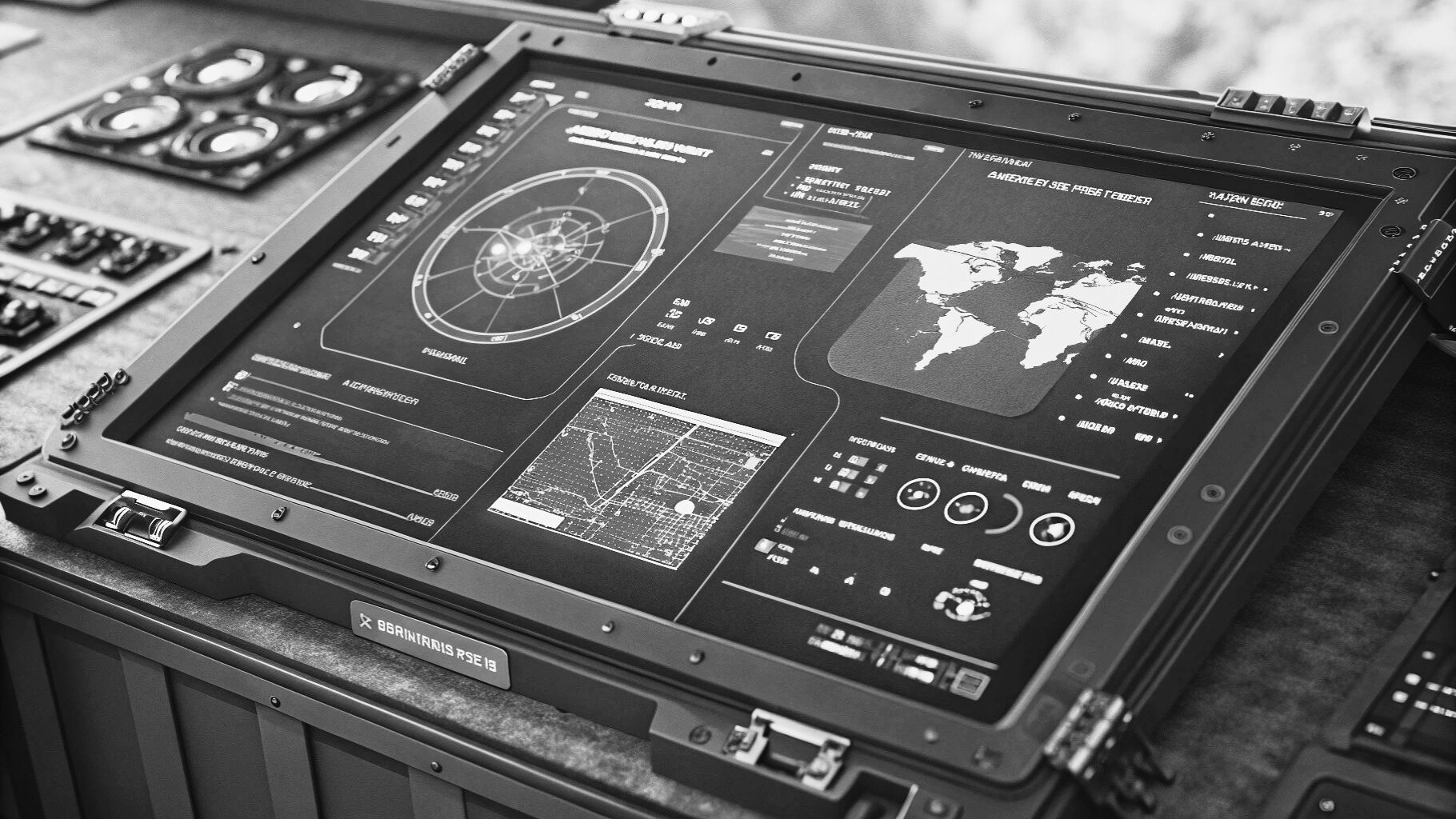
India’s Ministry of Defence has awarded a contract to Bengaluru-based Accord Software and Systems Private Limited for the supply of 20 Enhanced Capability Global Navigation Satellite System (GNSS) jammers for the Indian Navy. Valued at 4.4 billion rupees ($46 million), the agreement mandates that a minimum of 75 percent of the system’s components be sourced domestically, reinforcing the country’s push for indigenous defense manufacturing.
The GNSS jammers are designed to interfere with enemy receivers’ ability to acquire and track satellite navigation signals while also supporting spoofing and deceptive jamming missions. The Ministry of Defence stated that the systems will strengthen naval force protection by providing an additional defensive layer during operations in contested maritime environments.
According to the government, the contract represents a significant step in enhancing military capabilities while advancing the localization of sophisticated defense technologies.
The procurement aligns with India’s broader military modernization strategy focused on strengthening domestic capabilities in artillery, electronic warfare, and precision-strike systems. Earlier this month, the Indian Army advanced plans to procure up to 300 additional K-9 Vajra self-propelled howitzers under a program estimated at 230 billion rupees ($2.4 billion). The howitzers are manufactured locally by Larsen & Toubro through a technology collaboration with South Korea’s Hanwha Aerospace.
India is also exploring the installation of 10-kilowatt-class laser weapon systems on T-90 and Arjun main battle tanks to counter drones and other emerging threats. The proposed solution integrates artificial intelligence with infrared and radar sensors to provide all-direction target detection, tracking, and engagement capabilities.
Meanwhile, the Defence Research and Development Laboratory initiated work in May on an advanced navigation and guidance package for future missile systems, aiming to improve targeting accuracy and mid-course correction performance.