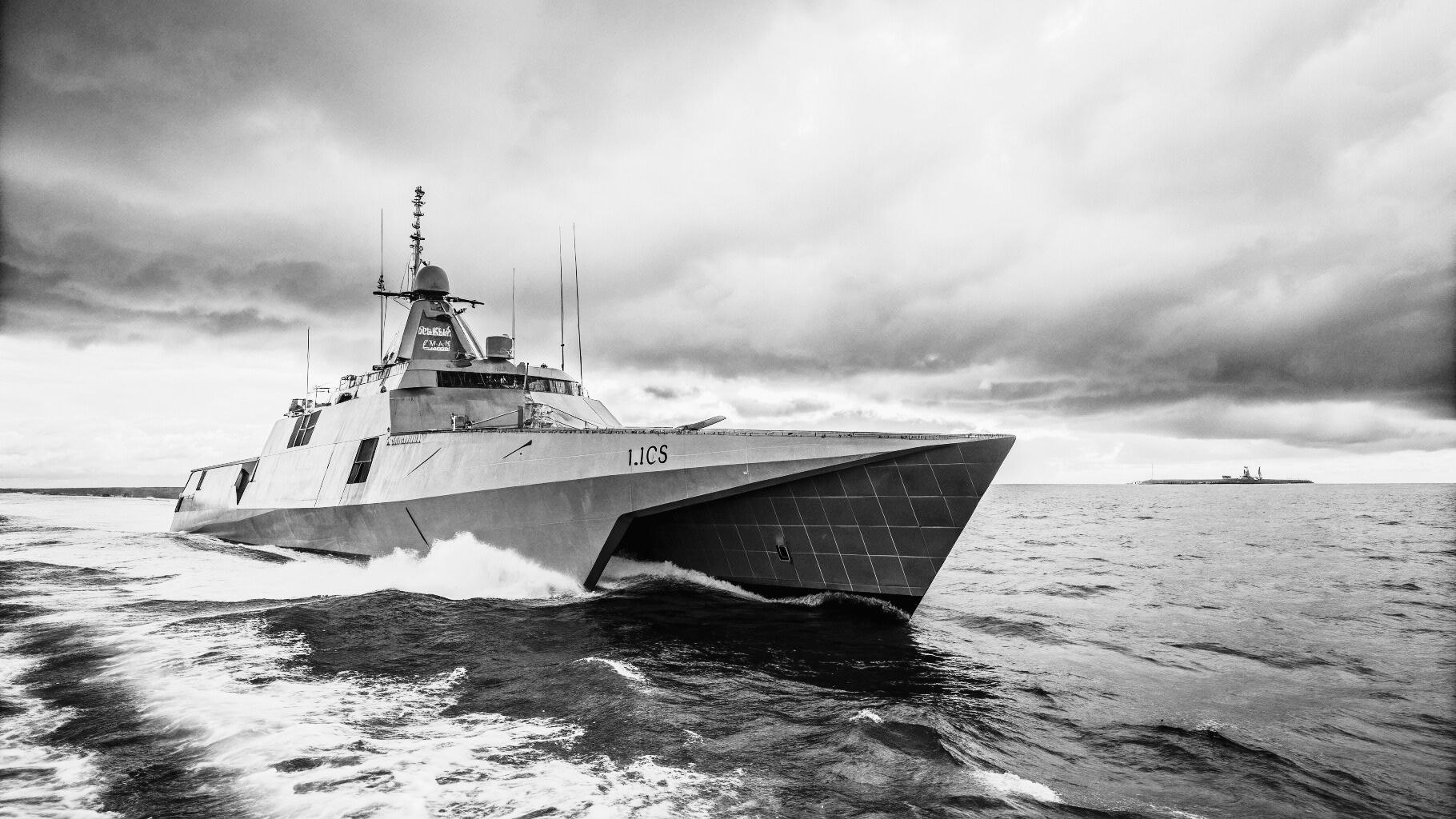
Huntington Ingalls Industries (HII) has entered into performance-based production agreements valued at up to $900 million with GrayMatter Robotics and Path Robotics to accelerate the adoption of physical AI and advanced automation across US Navy shipbuilding programs.
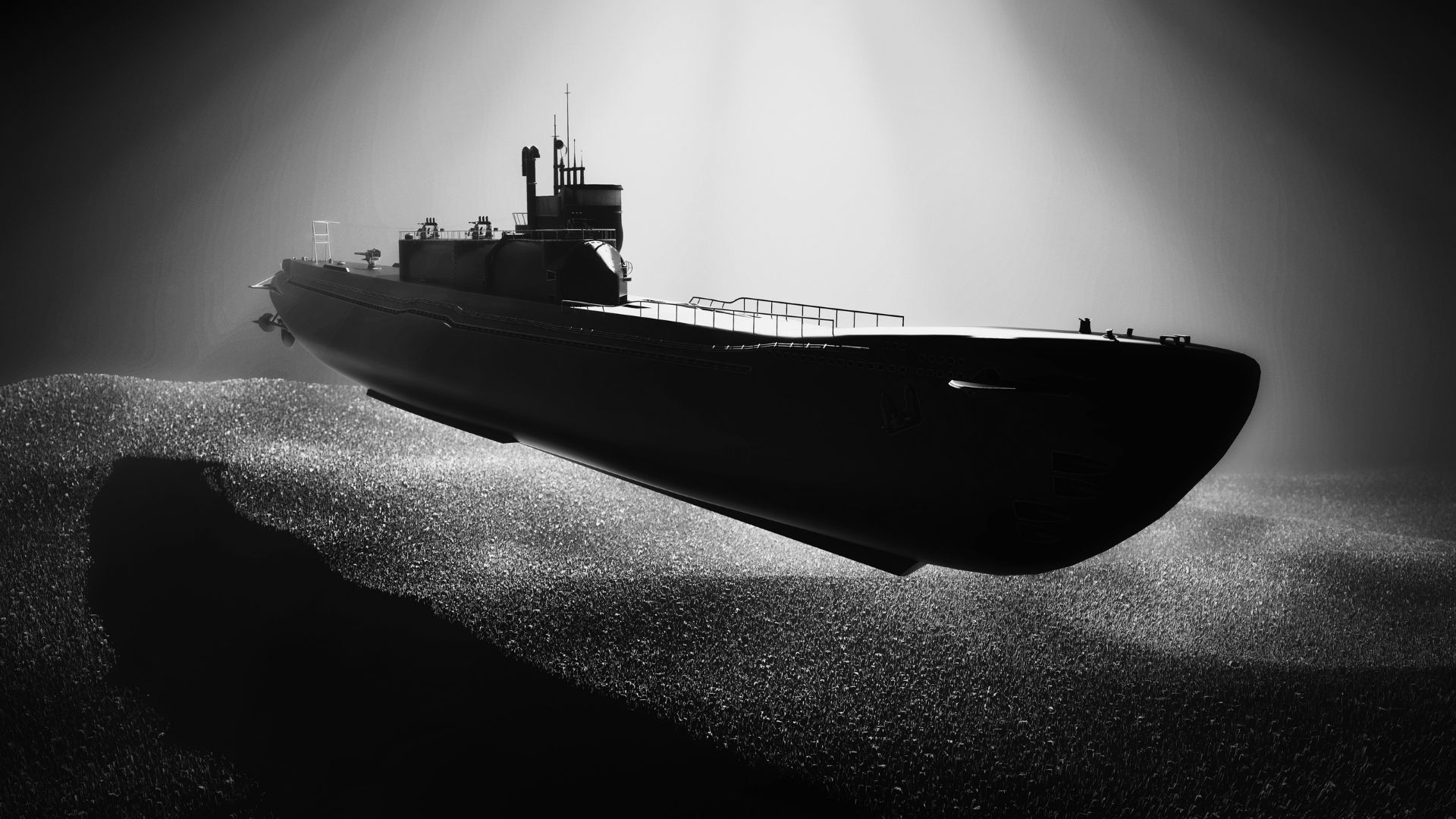
Spanning seven years, the agreements will support the deployment of adaptive robotic technologies for manufacturing both crewed and uncrewed naval platforms. Under HII’s High-Yield Production Robotics (HYPR) program, robotic welding, automated material handling, surface treatment and quality inspection technologies will be integrated into an assembly-line production environment to improve the speed and efficiency of ship and submarine construction.
The initiative comes as the US Navy seeks to increase shipbuilding capacity, replace aging vessels and expand its fleet in response to the rapid growth of China’s naval forces. At the same time, American shipyards continue to face challenges such as skilled-worker shortages, aging infrastructure, restricted production space and recurring schedule delays.
These difficulties are especially significant in complex fabrication and assembly operations that require multiple specialized processes. HYPR aims to automate the structural production chain, covering activities from cutting and fitting through welding, surface treatment, inspection and coating.
HII plans to conduct initial proof-of-concept demonstrations in 2026, followed by a full pilot program in 2027.
High-Yield Production Robotics Agreements
The agreements will be implemented in two phases: development and delivery. During development, HII and its partners will qualify autonomous technologies for welding, painting, assembly, inspection and other fabrication activities for integration into a US Navy-standard production line.
During the delivery phase, HII will route shipbuilding work through the automated line based on cost, schedule and quality performance. Operations will initially focus on smaller steel structures before expanding to larger assemblies and modules.
HII expects to outsource more than 2.5 million hours of shipbuilding work in 2026, representing a 30% increase from 2025. The company is also expanding its network of external assembly partners to shift more production outside its shipyards before final assembly.
US Naval Expansion Drive
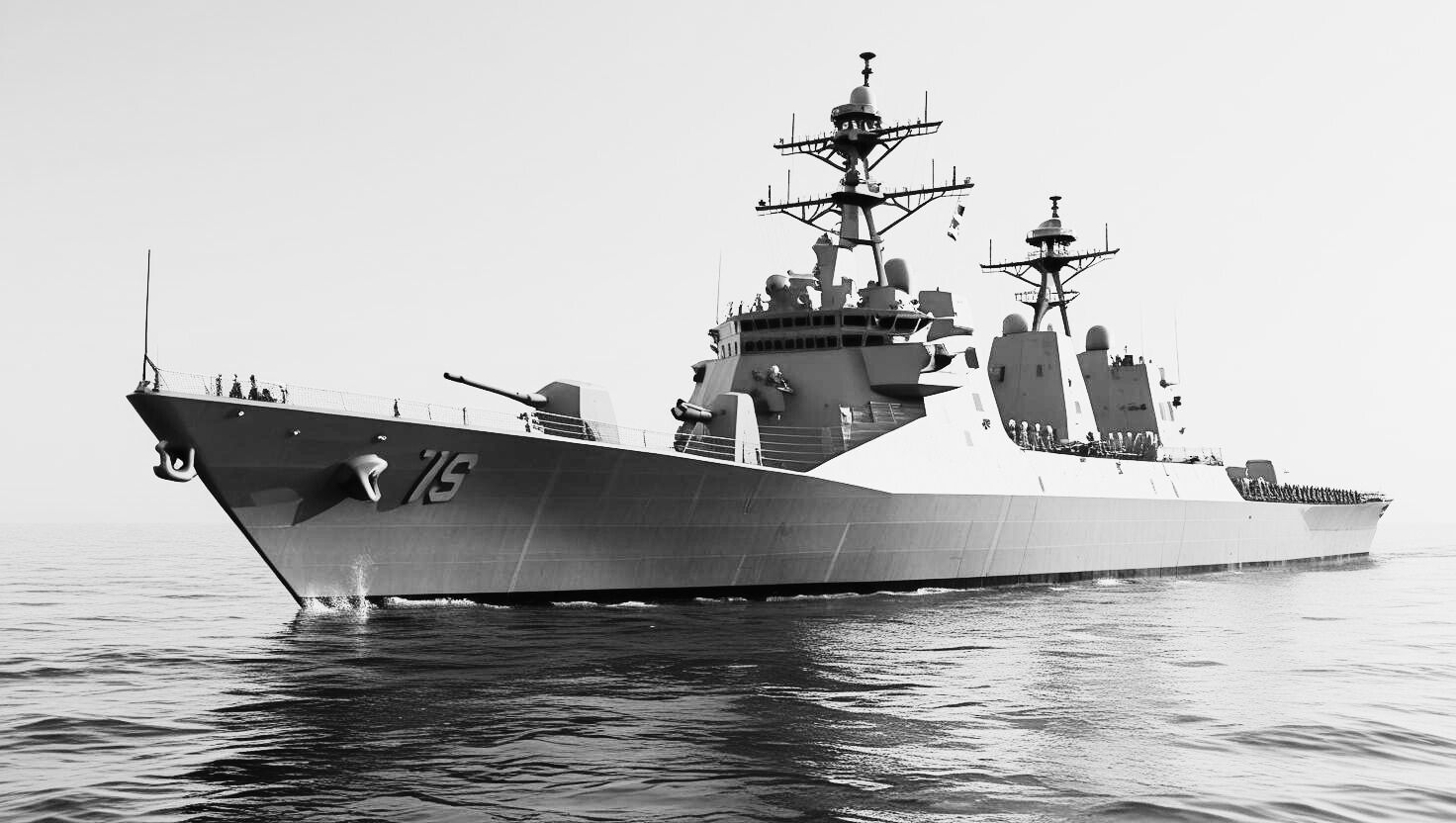
The HYPR initiative forms part of a broader US defense effort to modernize shipbuilding, increase naval capacity and introduce scalable manufacturing technologies in support of the planned “Golden Fleet.” The Navy’s 30-year shipbuilding strategy seeks to expand the fleet beyond 450 vessels in the early 2030s while reforming acquisition processes and rebuilding the maritime industrial base.
The US Navy currently operates 291 battle-force ships, below the legally mandated fleet size of 355. Rising costs, program delays and changing requirements have contributed to the shortfall.
Under its fiscal 2027–31 plan, the Navy has allocated $77.8 billion for surface combatants, $124.9 billion for submarines, $22.3 billion for aircraft carriers and $29.3 billion for amphibious ships. The plan also provides $15 billion for 21 auxiliary and logistics vessels, alongside investments in 47 medium unmanned surface vessels and 16 extra-large unmanned underwater vehicles.