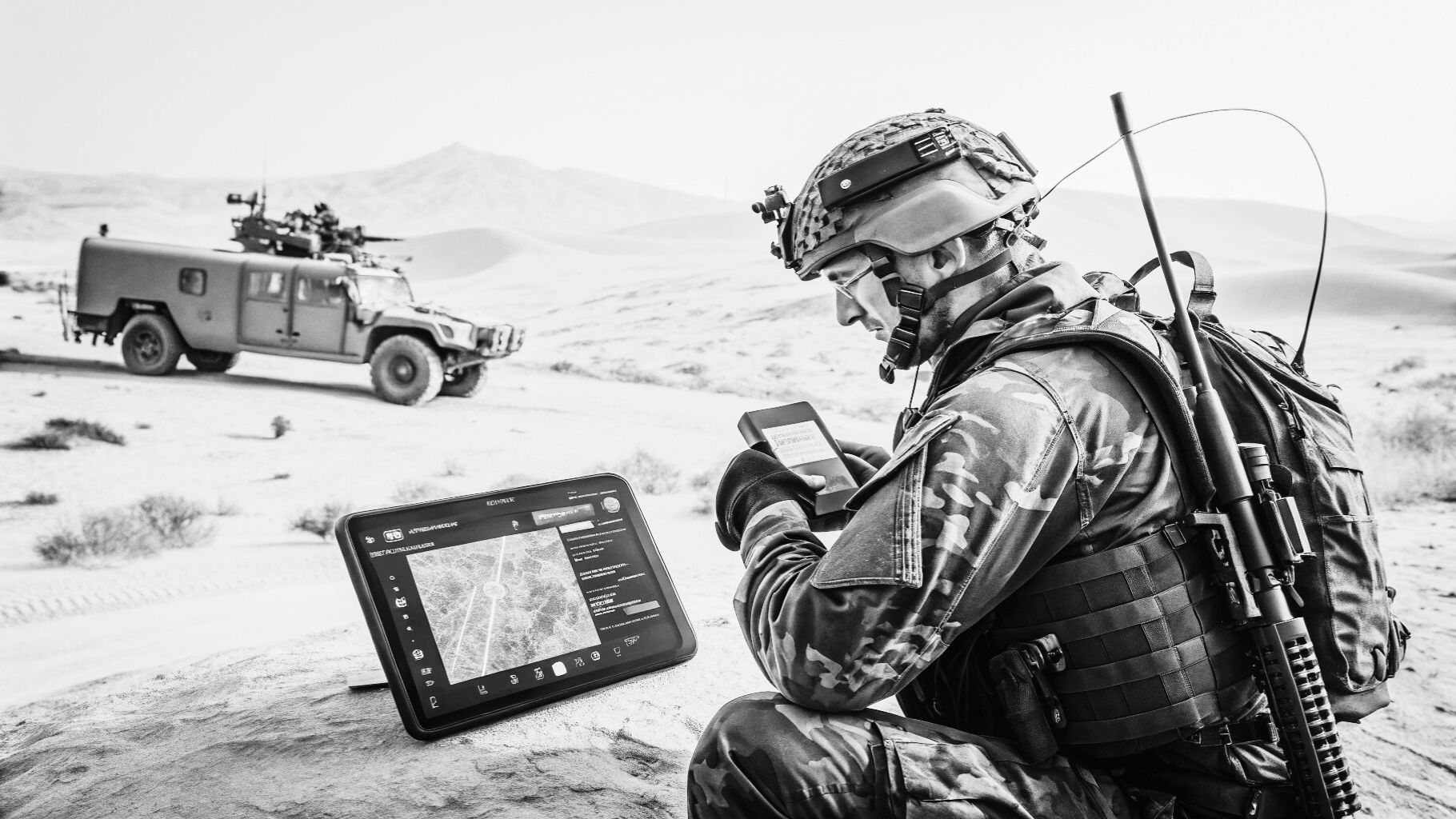
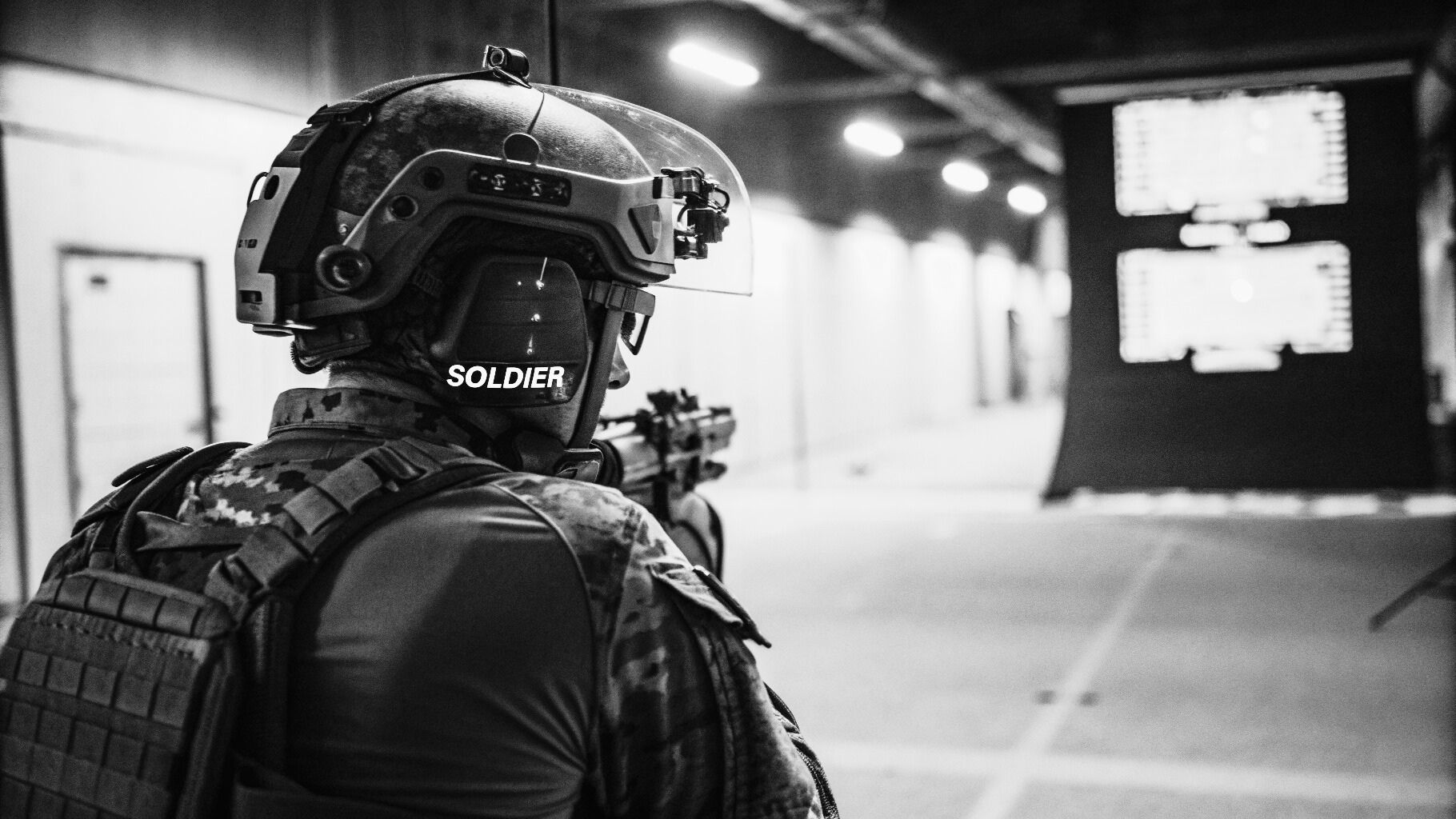
Outerwear specialist Gore is preparing to submit its next-generation insulation jacket for evaluation under the US Army’s Soldier Enhanced Program, marking a significant step toward modernizing soldier clothing systems.
The company plans to offer its all-weather active insulation jacket early next year as a replacement for the current two-layer setup — the Level III high-loft fleece and Level IV wind jacket.
Weighing under 17 ounces (482 grams) and occupying 40% less pack space, the single-layer garment combines a fleece lining with a laminated Windstopper membrane, eliminating the need for traditional chemical-based coatings. It is rated for use in temperatures from –40°F to 30°F (–40°C to –1°C) and is designed to minimize exposure to PFAS-based water repellents.
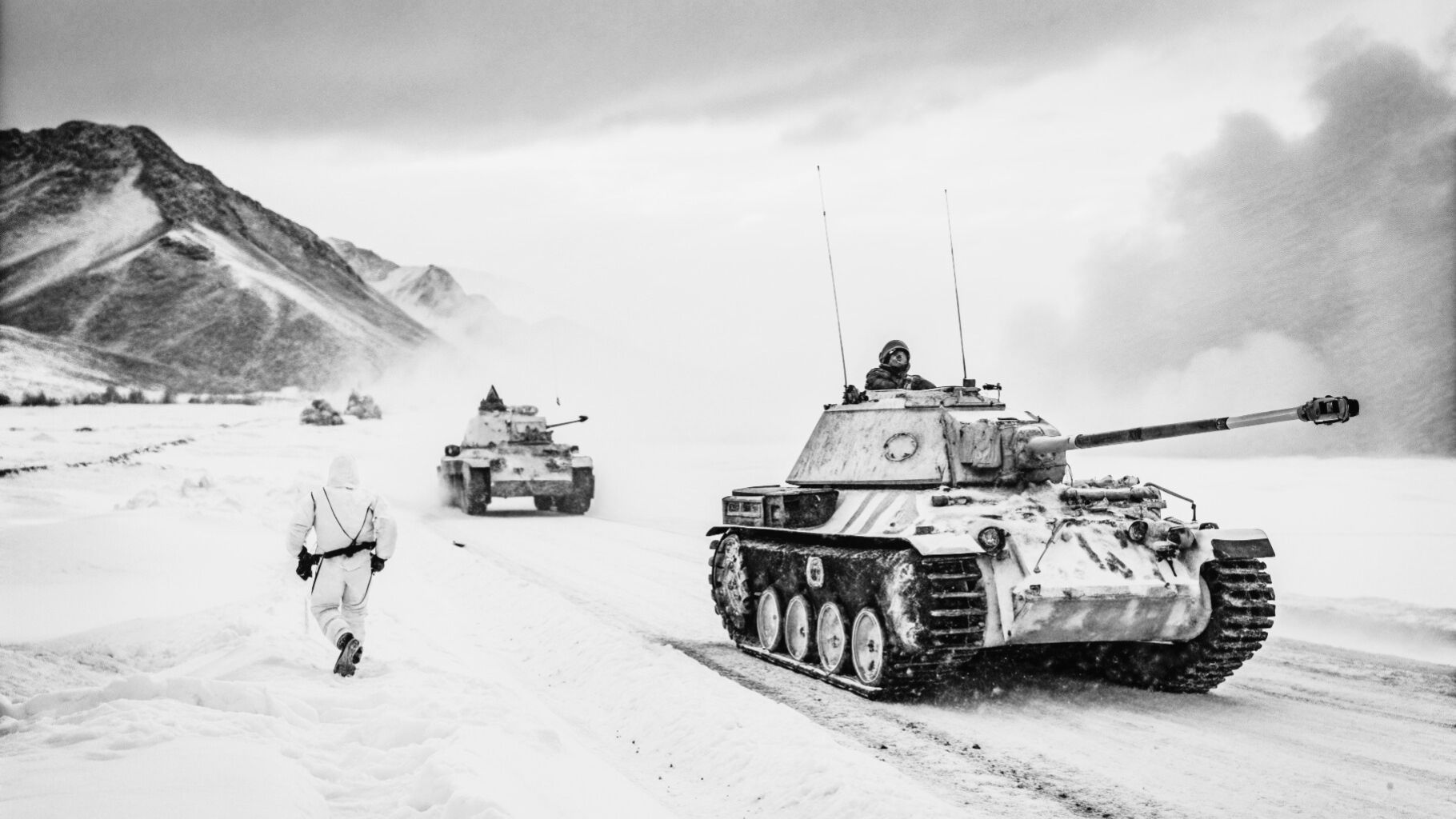
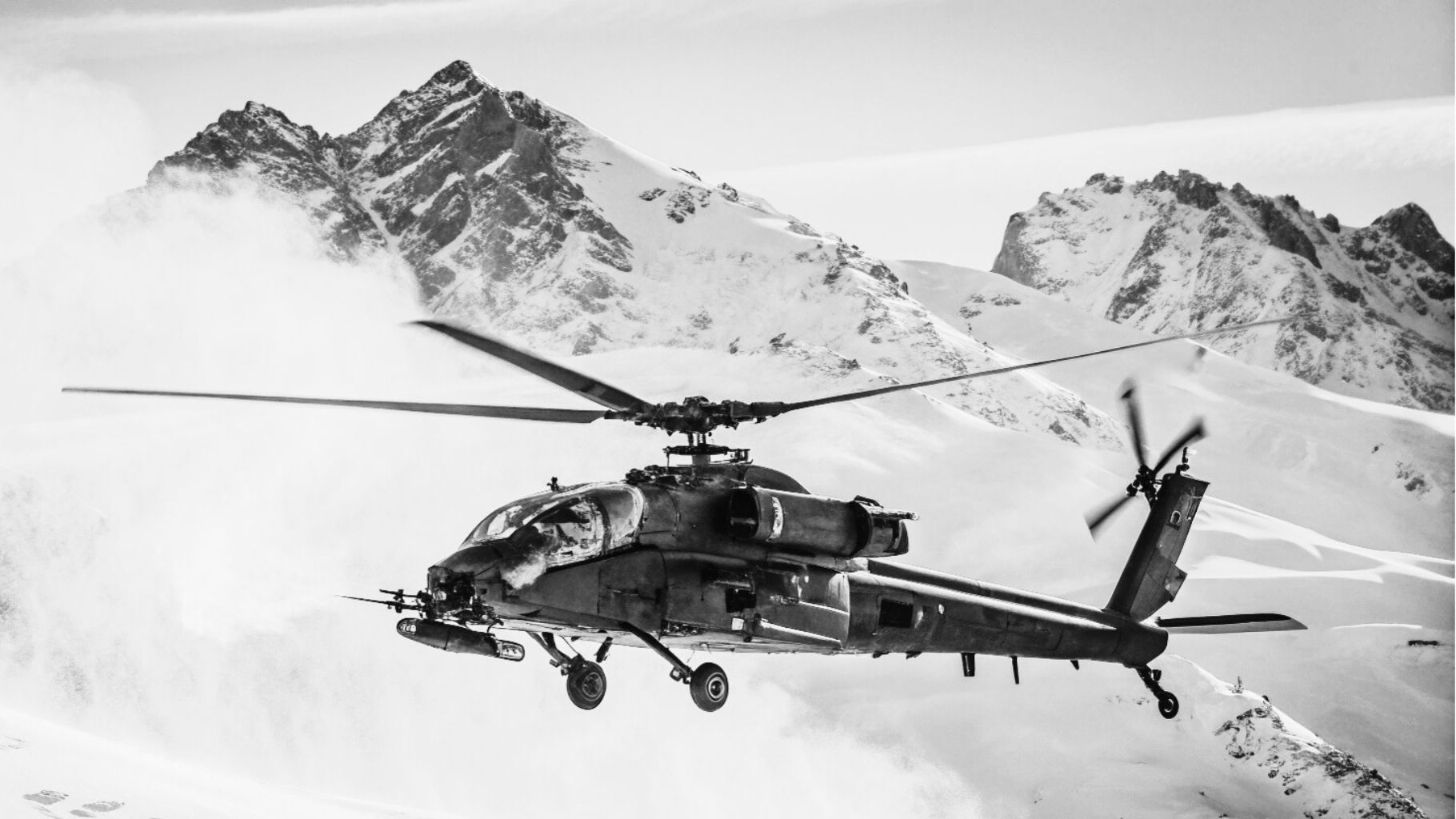
Field testing is underway with the Army Mountain Warfare School in Vermont and the 11th Airborne/Arctic Regions Test Center in Alaska.
The US Army’s review of the new Gore jacket supports its wider modernization effort to improve soldier mobility, comfort, and environmental adaptability. The current Extended Cold Weather Clothing System, though reliable, has become too bulky, driving demand for lighter, more efficient alternatives.
Beyond cold-weather gear, military branches are overhauling uniforms across all layers:
The US Marine Corps is evaluating temperature-regulating undershirts.
The US Air Force is adopting flame-resistant clothing with embedded sensors.
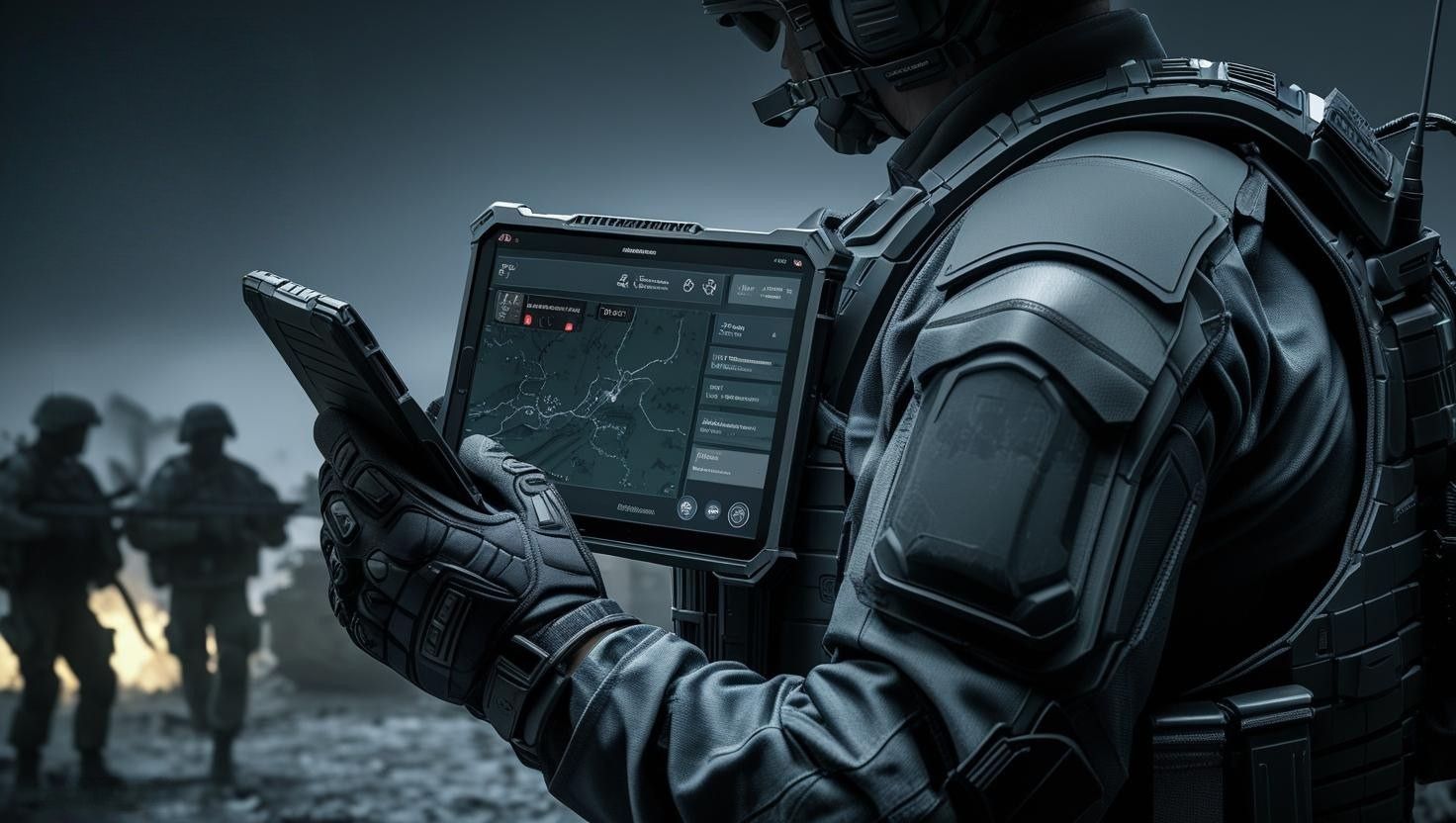
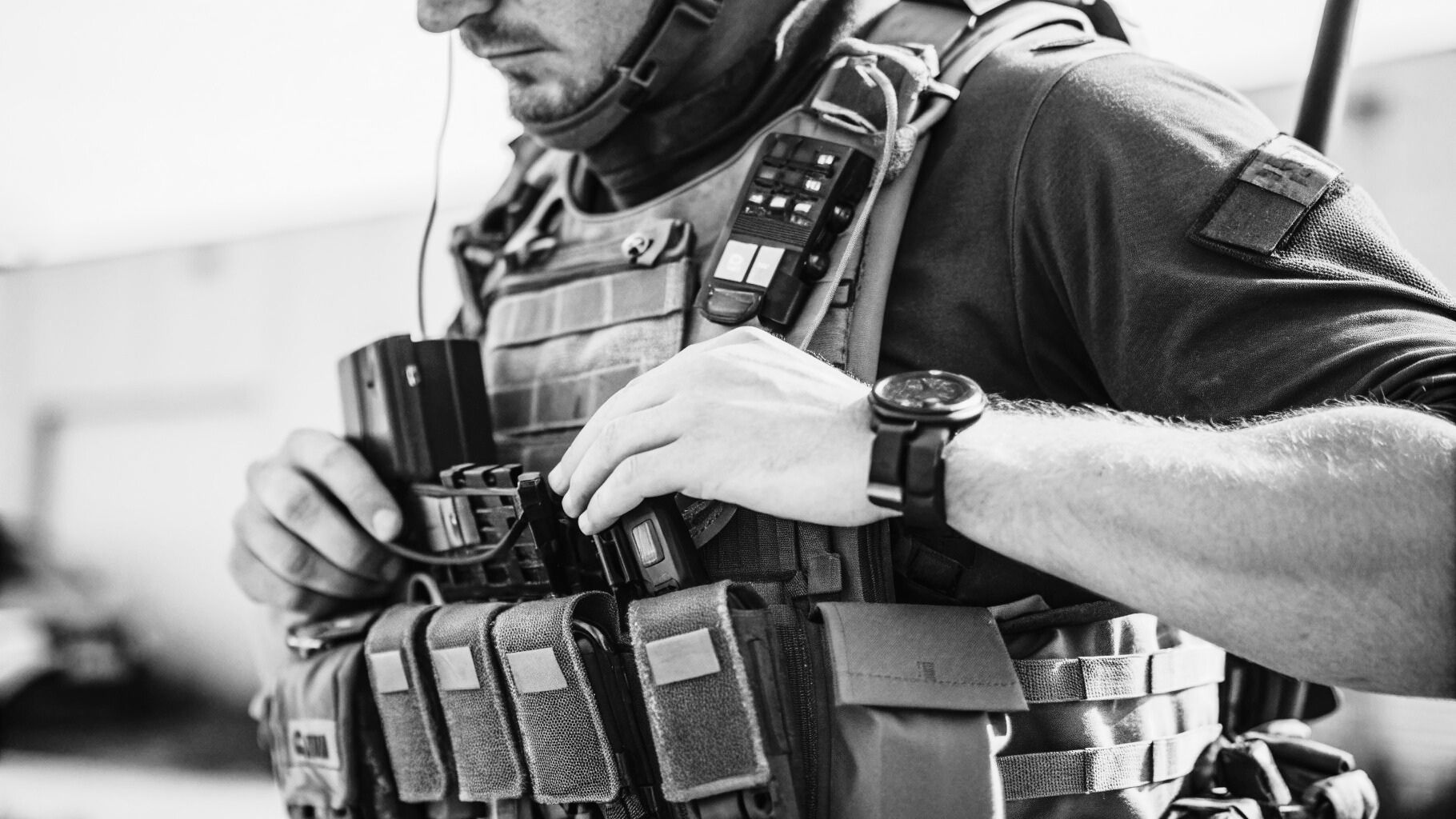
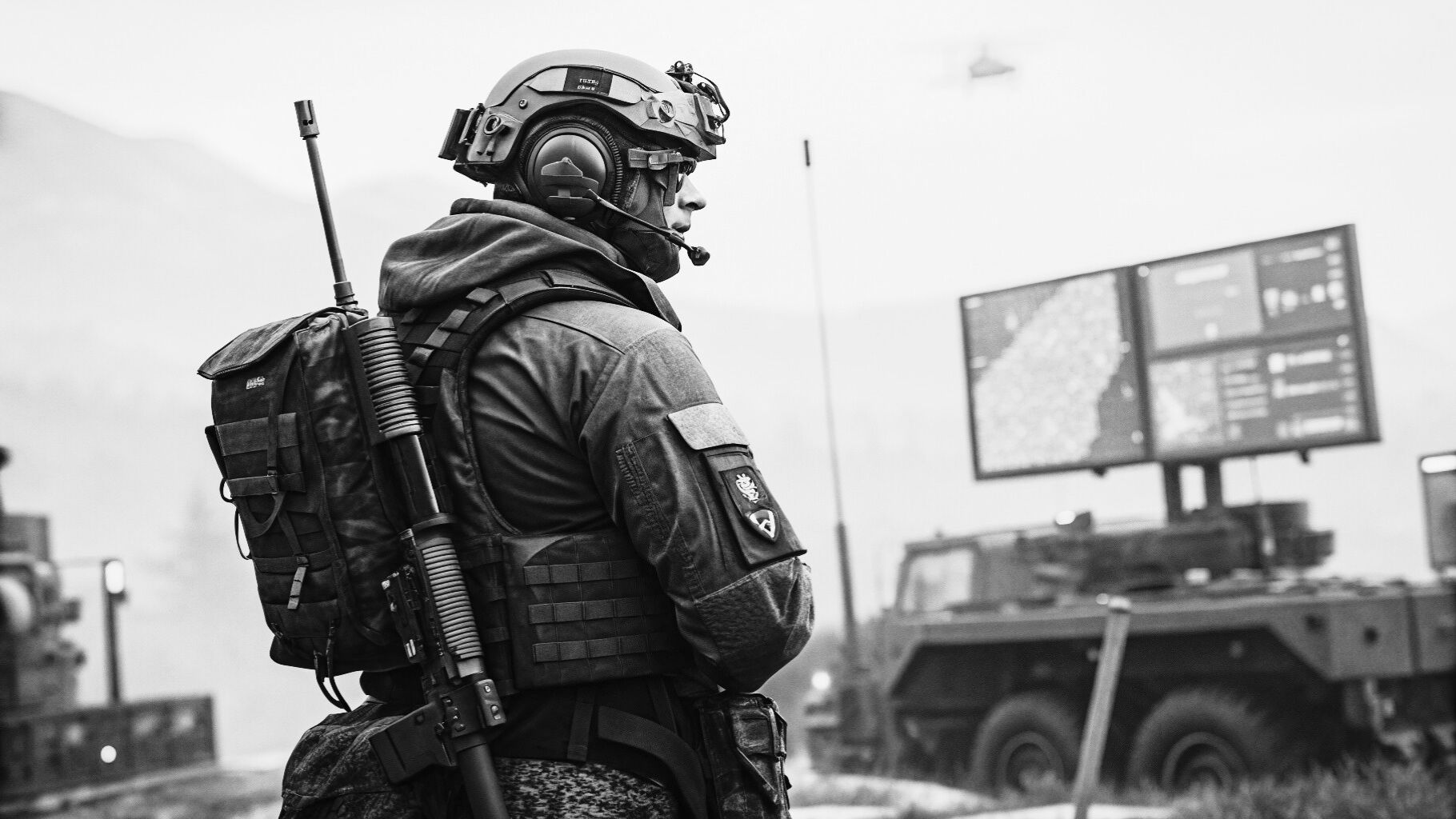
The US Army continues refining its Soldier Plate Carrier System and Modular Body Armor Vest to reduce weight without sacrificing protection.
Looking ahead, initiatives such as Soldier 2025 and research at the Natick Soldier Center aim to develop adaptive textiles with built-in sensors, camouflage systems, and integrated power solutions.