HII has expanded its unmanned underwater vehicle facility in Portchester, UK, doubling the site’s footprint to increase support capacity for operators of the REMUS family of underwater drones.
The expanded facility will function as a regional hub, providing operational, technical, and logistics support to the Royal Navy, US combatant commands, and other European partners operating unmanned maritime systems.
It will deliver both live and virtual training, systems integration, and sustainment services covering electronic warfare, artificial intelligence, and fleet modernization initiatives.
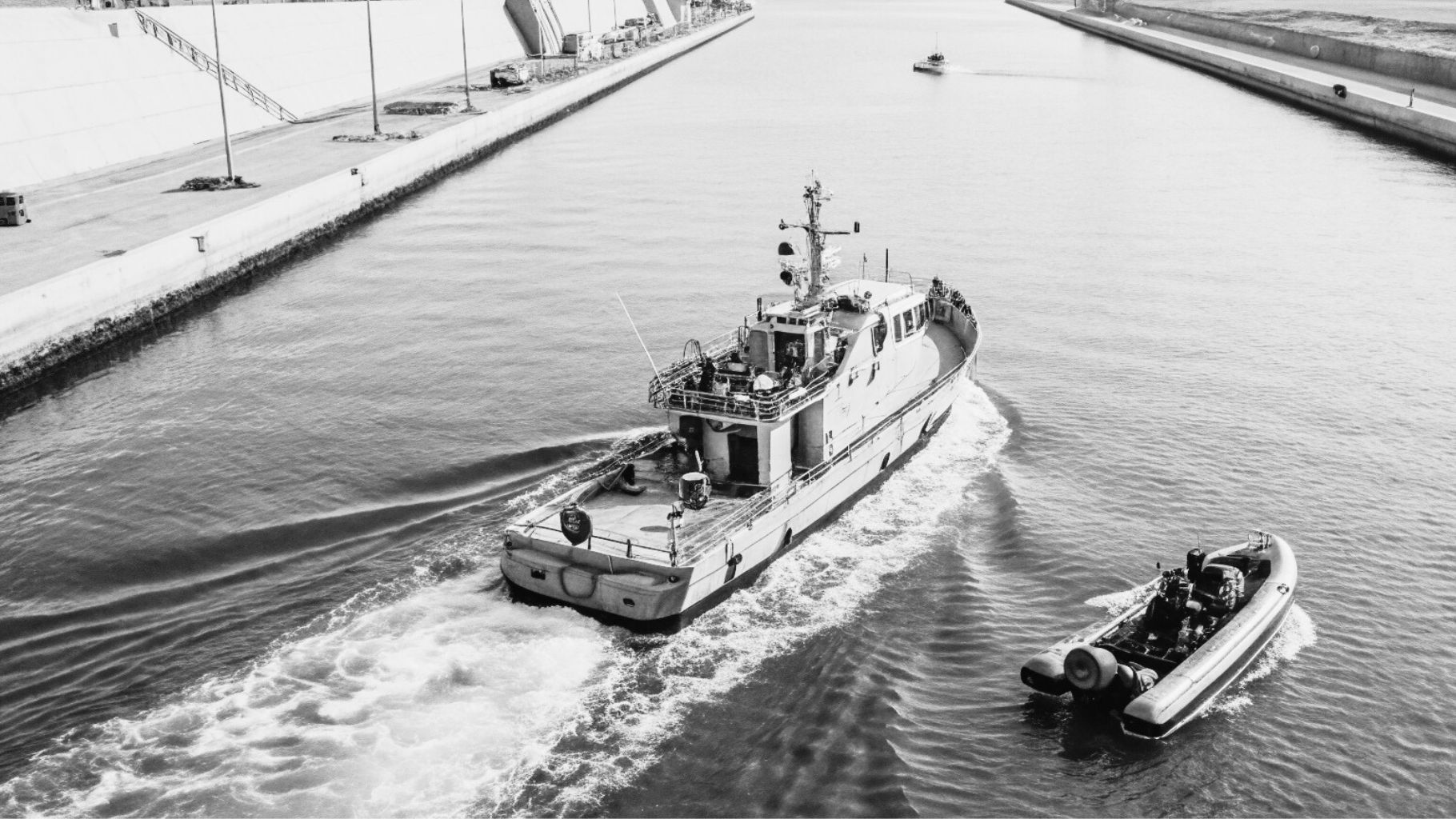
The site will also support the introduction of HII’s ROMULUS unmanned surface vessel (USV) family, which is scheduled to enter service later this year.
HII’s unmanned systems are designed with modular architectures and extended endurance, supporting a wide range of defense, commercial, and research missions.
These platforms are employed for mine countermeasures, hydrographic surveying, intelligence collection, and environmental monitoring.
The REMUS portfolio includes multiple variants optimized for different mission profiles and operating depths.
The compact REMUS 130 supports rapid deployment and operations to depths of 130 meters (427 feet), while the REMUS 300 offers increased range and payload capacity with operational depths of up to 300 meters (984 feet).
The REMUS 620 features modular upgrades, modernized electronics, and a battery endurance of up to 110 hours, enabling ranges of 275 nautical miles (510 kilometers/317 miles) at depths of up to 620 meters (2,034 feet).
At the high end, the REMUS 6000 is capable of operating at depths of 6,000 meters (19,700 feet), supporting deep-sea recovery and complex scientific missions.
Meanwhile, the ROMULUS USV family leverages AI-driven autonomy through the Odyssey Autonomous Control System, allowing vessels to conduct autonomous open-ocean operations, coordinated swarm missions, and modular payload integration.
The lead platform, ROMULUS 190, is currently under construction, with sea trials scheduled for later this year.
Built on a commercial-standard hull to enable scalable production, the USVs can exceed speeds of 25 knots (46 kilometers/29 miles per hour) and achieve operational ranges of up to 2,500 nautical miles (4,630 kilometers/2,880 miles).