
A combat vehicle forged from decades of armored warfare experience — not just built with thicker armor or bigger guns, but engineered for a battlefield where information, speed, and instant decision-making define survival.
That vision became the British Army’s Ajax fighting vehicle, a next-generation digital combat platform designed to convert battlefield data into real-time operational advantage.
Yet Ajax’s journey has been far from smooth. Development delays, technical setbacks, vibration concerns, and escalating costs have transformed the project into one of the UK’s most debated military modernization programs.
So how did Ajax evolve, what are its variants, how does it operate, and what does the future hold? Here’s the full picture.
What Is Ajax?
At its foundation, Ajax is a family of advanced tracked armored fighting vehicles developed by General Dynamics UK for the British Army.
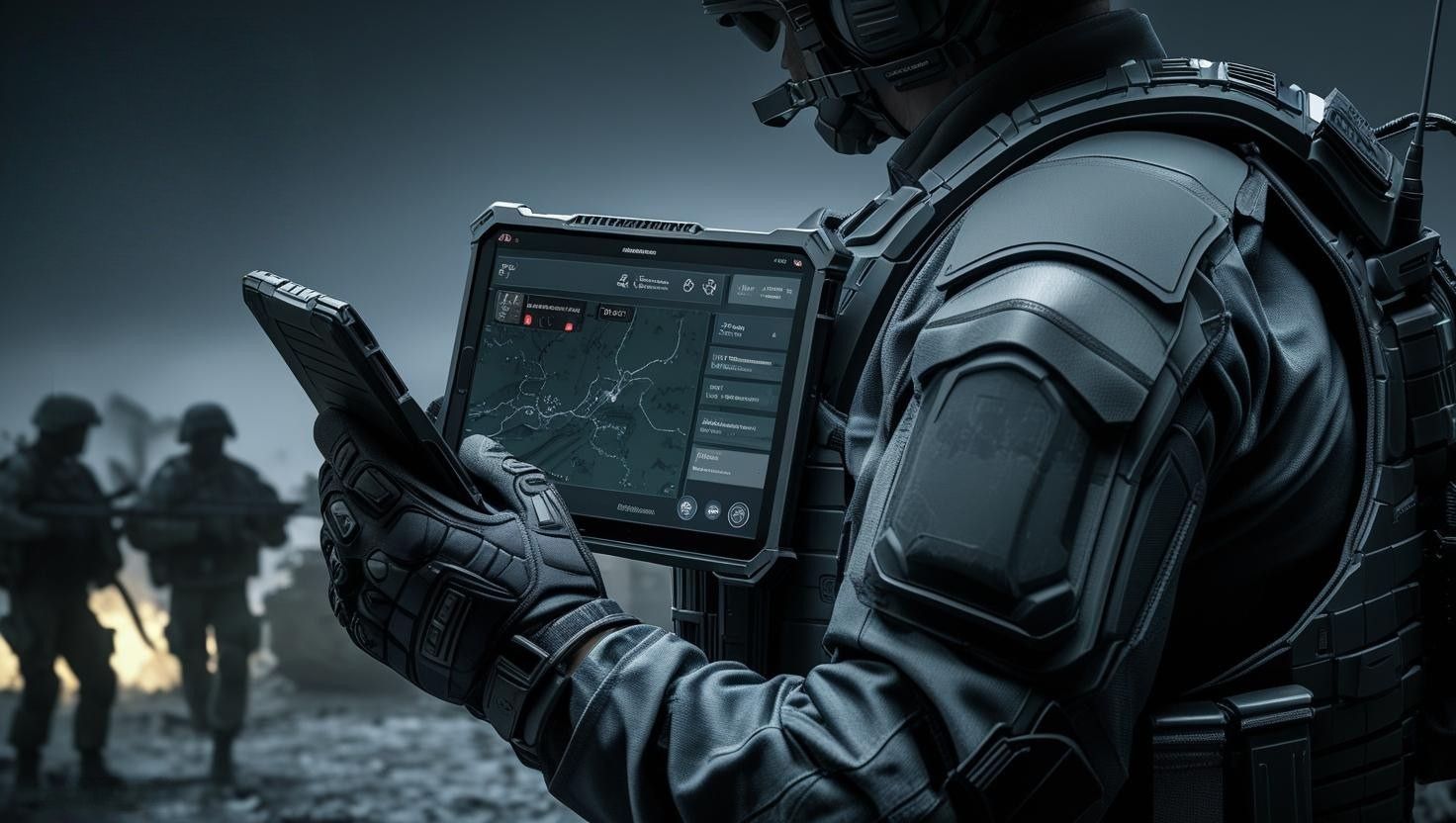
Designed as a digitally networked multi-role platform, Ajax specializes in reconnaissance, rapid target detection, and battlefield awareness. Every onboard sensor, communication suite, and crew interface is built to gather, process, and distribute intelligence in real time, helping commanders make split-second decisions during combat operations.
Rather than serving as a simple upgrade, Ajax represents a generational replacement for aging British reconnaissance vehicles that have remained in service since the Cold War era.
From Concept to Deployment
The Ajax program traces its origins to the early 2010s, when the UK Ministry of Defence selected General Dynamics UK under the Future Rapid Effects System (FRES) initiative.
Built on the ASCOD 2 tracked chassis, the contract was formally awarded in 2014, with initial deliveries originally targeted for 2017. However, serious technical challenges — particularly excessive crew noise and vibration — forced repeated testing pauses and delayed the program for years.
After extensive redesign efforts and renewed trials, deliveries have resumed, with the platform gradually progressing toward operational deployment.
A Multi-Role Vehicle Family
Ajax is not a single vehicle but an entire combat vehicle family sharing a common chassis and digital architecture while supporting different battlefield missions.
Key variants include:
Ajax – The primary turreted reconnaissance and strike vehicle, equipped to identify and engage threats while feeding battlefield intelligence to commanders.
Ares – A protected mobility and reconnaissance support platform transporting specialist troops safely across contested terrain.
Athena – A mobile command-and-control center that converts battlefield data into operational decisions.
Apollo – A frontline repair vehicle carrying cranes and maintenance systems to sustain combat formations.
Atlas – An armored recovery vehicle designed to tow and recover disabled units in difficult terrain.
Argus – An engineering reconnaissance variant focused on terrain assessment and obstacle analysis.
Although these vehicles share mobility and systems architecture, each is tailored for a dedicated mission rather than acting as a modified base model.
Digital Warfare on Tracks
Ajax is as much a digital warfare system as it is an armored vehicle. Its capabilities revolve around three major pillars:
Integrated Digital Architecture
Ajax uses an open digital architecture capable of rapidly processing and distributing battlefield information.
This enables:
Sensor fusion
Real-time communications
Faster target acquisition
Improved coordination between units
The platform’s networking capability is intended to create a connected battlefield environment rather than isolated armored formations.
Firepower and Survivability
The reconnaissance variant carries the 40mm CTA International CT40 cannon paired with a 7.62mm coaxial weapon.
The CT40 uses telescoped ammunition technology, offering improved compactness and effective engagement ranges. Meanwhile, the armor package and onboard defensive systems are designed to operate in multi-threat combat zones, though analysts continue debating how its passive protection compares with newer peer systems.
Mobility and Crew Systems
Powered by a high-output diesel engine and advanced suspension system, Ajax can reportedly reach speeds of around 70 km/h while maneuvering across harsh terrain.
Its interior design focuses on crew efficiency, ergonomic controls, and sustained mission endurance. However, earlier testing highlighted significant concerns regarding noise and vibration levels inside the vehicle, drawing attention to the importance of crew survivability and comfort in modern armored warfare.
Strengths
Advanced digital integration enabling rapid data exchange and enhanced battlefield awareness
Modular mission variants supporting reconnaissance, command, recovery, and engineering operations
Modern sensors and precision firepower with long-range target engagement capability
Limitations
Program delays and technical issues that slowed deployment schedules
Debate surrounding protection levels against advanced anti-armor threats
Gradual operational rollout, meaning large-scale combat validation remains limited
Global Interest and Future Expansion
Currently, Ajax remains primarily a British Army program, with hundreds of vehicles planned to support future reconnaissance and strike brigades while strengthening NATO interoperability.
Interest from other NATO countries, including Poland, has emerged as nations search for highly networked tracked combat vehicles capable of operating in modern near-peer conflicts.
Looking ahead, Ajax is expected to evolve further through additional variants, including infantry fighting vehicle and mortar carrier concepts. Its digital backbone also leaves room for future technologies such as active protection systems, AI-assisted battle management, unmanned teaming, and upgraded sensors.
Still, the program’s long-term success will depend on resolving remaining human-system integration concerns and proving reliability under sustained operational conditions.