Northrop Grumman has completed another successful test of a Precision Strike Missile (PrSM) Increment 1 rocket motor, reinforcing its growing contribution to the U.S. Army’s next-generation long-range precision fires capability.
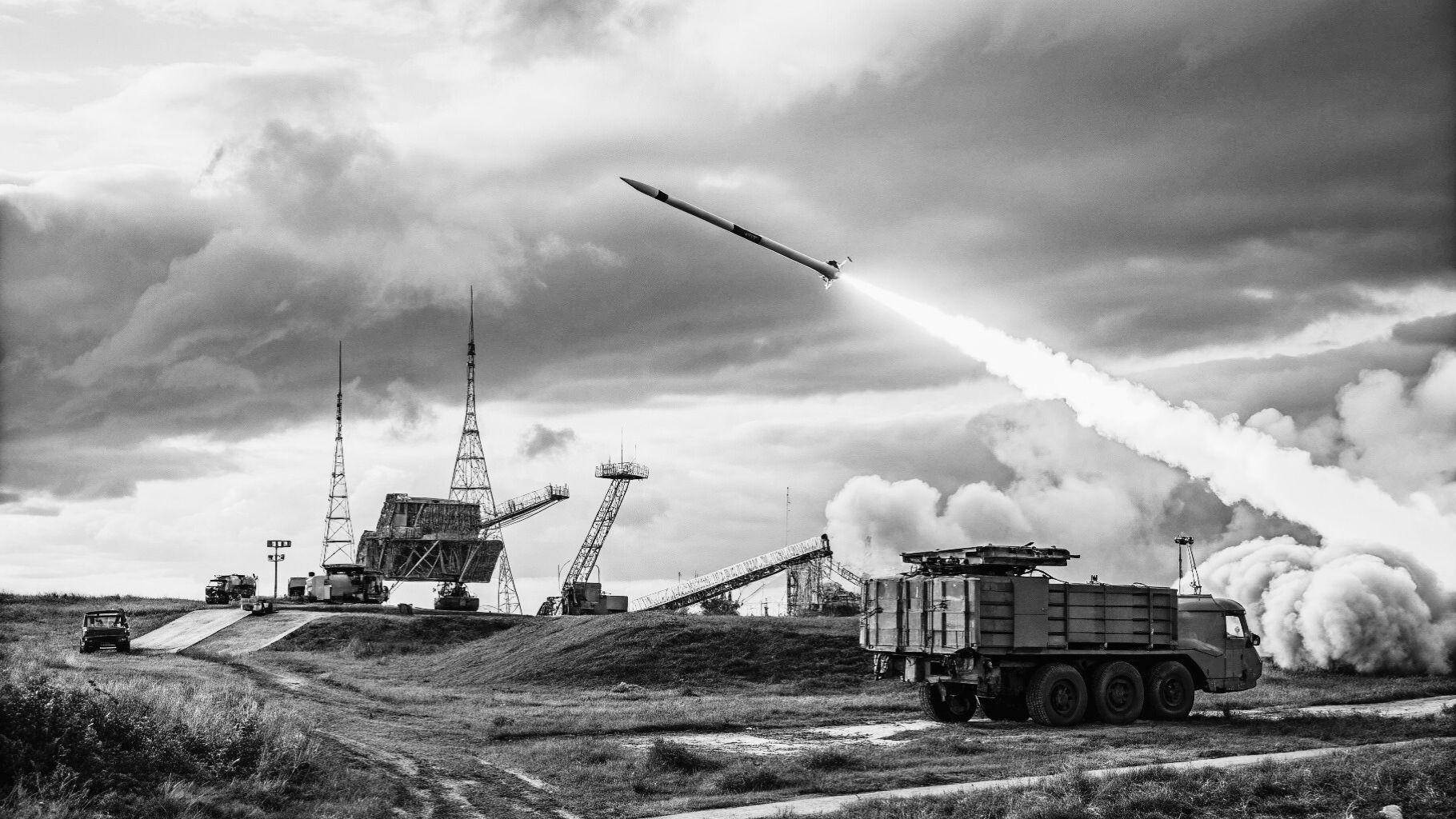
The test firing, conducted at the Allegany Ballistics Laboratory in West Virginia, validated the performance of the solid rocket motor that powers PrSM, a weapon system intended to significantly extend the range and accuracy available to Army maneuver units.
Northrop Grumman supplies the propulsion system to prime contractor Lockheed Martin, and the latest firing marked the company’s 16th consecutive successful production acceptance test, demonstrating consistent reliability in tactical rocket motor manufacturing.
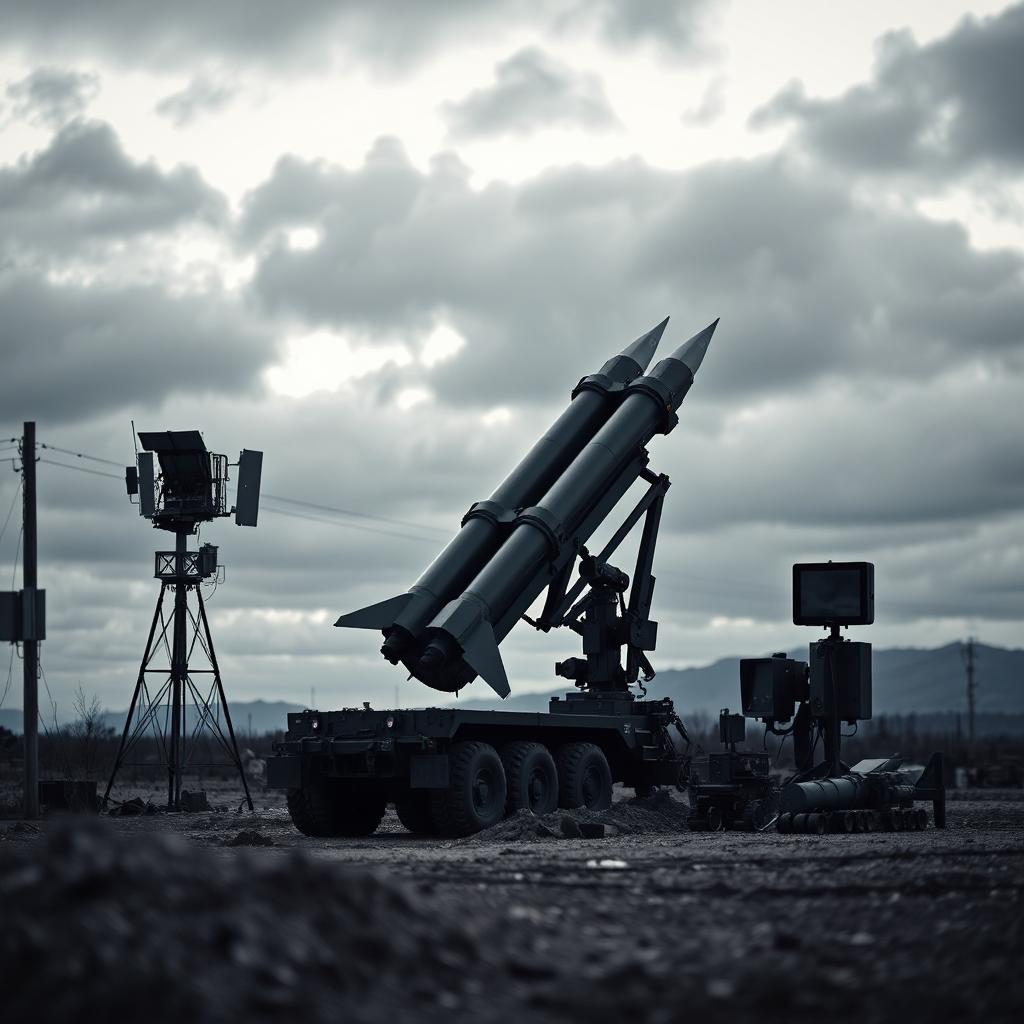
PrSM is a cornerstone of the Army’s Precision Fires modernization effort and represents the latest step in a long lineage of missile development. The system is compatible with existing HIMARS and M270 Multiple Launch Rocket System platforms, delivering substantially greater range than the Army Tactical Missile System while doubling the number of missiles carried per launcher.
Beyond PrSM, Northrop Grumman’s propulsion portfolio spans rocket motors for air and missile defense interceptors, as well as advanced booster technologies for precision-guided munitions, underscoring the company’s broad role in tactical propulsion.
Momentum toward operational deployment has continued over the past year. In March 2025, the U.S. Army awarded Lockheed Martin an indefinite-delivery, indefinite-quantity contract valued at up to $4.9 billion, including an initial order for 400 PrSM Increment 1 missiles to support sustained fielding.
Testing has advanced in parallel. In October 2025, Lockheed Martin and Army teams completed multiple production qualification flights at White Sands Missile Range, successfully launching paired PrSMs from HIMARS launchers. That same month, Lockheed Martin began preparations to increase annual production capacity to as many as 400 missiles following the Army’s approval for full-rate manufacturing and a Milestone C decision.