The U.S. Navy has issued a $67.5 million task order to Systems Planning and Analysis Inc. (SPA) to provide continued support for the Trident II Submarine-Launched Ballistic Missile (SLBM) Strategic Weapons System, a cornerstone of the U.S.–UK sea-based nuclear deterrent that underpins NATO’s strategic posture.
According to official information released by the U.S. Department of War, the Alexandria, Virginia-based firm received a $67,519,083 cost-plus-fixed-fee term task order in support of the Navy’s Strategic Systems Programs office. The effort includes Foreign Military Sales elements that directly contribute to the United Kingdom’s continuous at-sea deterrence mission.
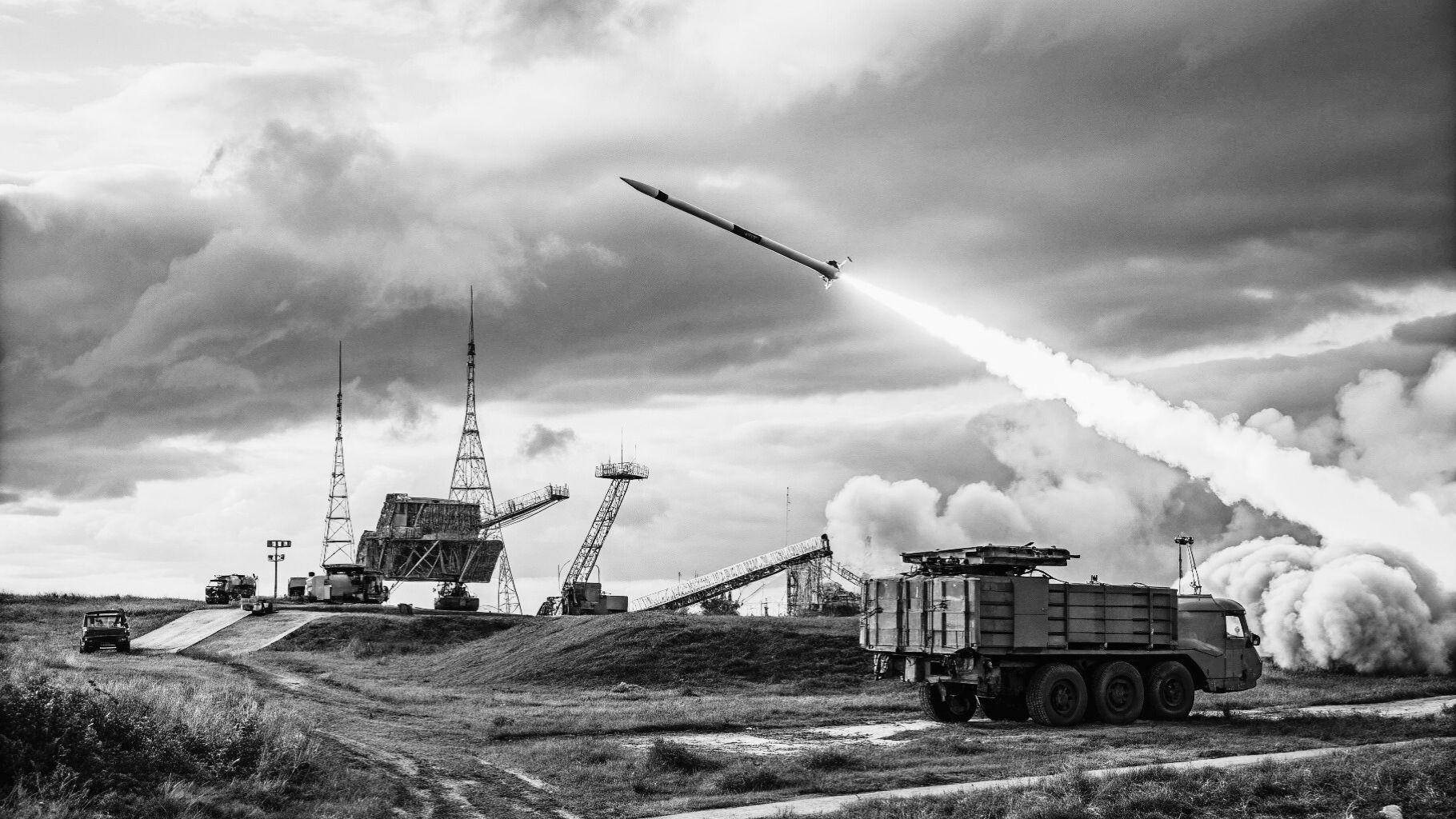
The contract covers a wide spectrum of high-level technical and analytical work, including systems engineering assessments, risk analysis, strategic deterrent industrial base studies, and enterprise data management. These activities are critical to sustaining the operational reliability, survivability, and performance of the Trident II D5 missile, which forms the backbone of the U.S. Navy’s nuclear deterrent aboard Ohio-class ballistic missile submarines and, in the future, the Columbia-class. With a range exceeding 7,000 km and the ability to deploy multiple independently targetable reentry vehicles (MIRVs), the Trident II D5 remains among the world’s most capable and accurate SLBMs.
Produced by Lockheed Martin Space in Sunnyvale, California, the Trident II D5 entered service in March 1990 and has remained operational for more than three decades. As the successor to the Trident C-4, it delivers improved range, payload capacity, and guidance precision. The missile is a central element of the U.S. strategic nuclear triad and plays a critical role in maintaining a credible and flexible deterrent. As of 2026, Trident II missiles are deployed aboard 14 U.S. Navy Ohio-class submarines, each carrying 20 launch tubes under New START limits, as well as four Royal Navy Vanguard-class submarines equipped with 16 missiles each.
The Trident II Strategic Weapons System encompasses not only the missile itself but also the integrated launch, navigation, control, maintenance, and command-and-control infrastructure that enables combat readiness. This includes fire-control systems, reentry vehicle deployment mechanisms, handling and test equipment, and secure strategic data links. Designed for rapid and precise submerged launches, the system can deliver nuclear warheads to multiple distant targets within minutes.
SPA’s role is central to preserving the system’s technical margin, supporting systems integration efforts and conducting detailed performance analyses to validate missile flight behavior, guidance accuracy, and platform compatibility. The Trident II’s advanced astro-inertial guidance system, which incorporates stellar navigation updates, requires continuous calibration and algorithmic refinement to ensure precision across evolving operational environments.