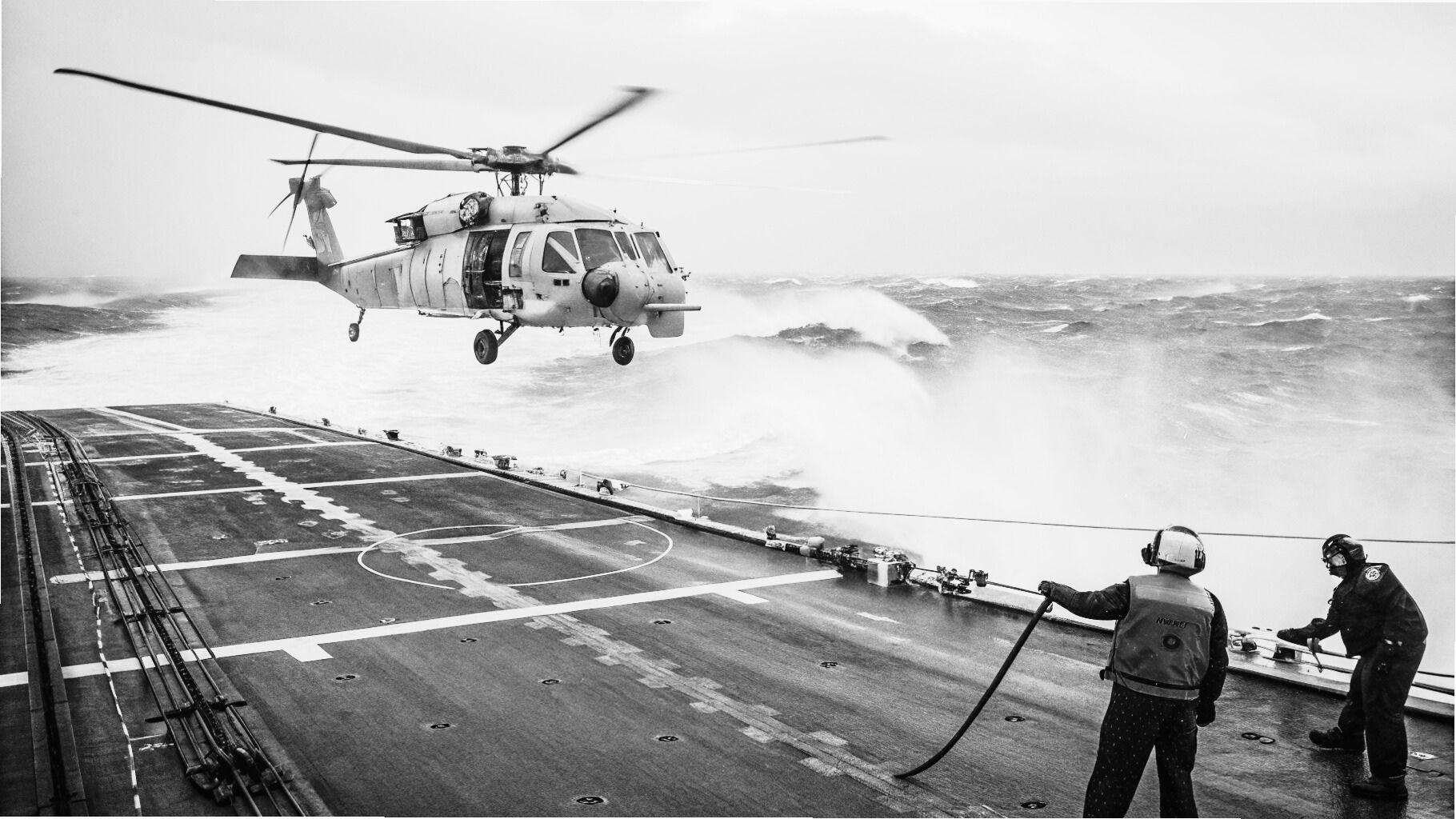
Sikorsky has delivered two more CH-53K King Stallion heavy-lift helicopters to the U.S. Marine Corps following the completion of formal Navy and Marine Corps acceptance trials. The handover represents another incremental milestone in the service’s effort to replace its aging CH-53E Super Stallion fleet with a significantly more capable heavy-lift platform.
Lockheed Martin announced on January 28, 2026, that its Sikorsky division had transferred the two aircraft to the Marine Corps after they successfully completed standard acceptance testing conducted by U.S. Navy and Marine Corps test and evaluation authorities. The process followed established procedures for CH-53K production aircraft manufactured at Sikorsky’s U.S.-based facilities, ensuring the helicopters met operational and safety requirements prior to delivery.
The latest handover falls under the long-term CH-53K production contract awarded by the U.S. Navy on behalf of the Marine Corps on April 4, 2023. That multi-year agreement moved the King Stallion program into sustained production and supports the Marine Corps’ program of record for 200 helicopters. Defense budget documents indicate the contract was structured to curb unit cost escalation, reinforce the domestic industrial base, and incorporate reliability and maintainability improvements identified during early operational testing and initial fleet introduction.
Although visually similar to earlier CH-53 variants, the CH-53K is effectively a new aircraft rather than a simple upgrade. It features a redesigned airframe built with extensive use of advanced composites, a larger and more capable cargo cabin, and a fully digital fly-by-wire flight control system. Propulsion is provided by three GE T408-GE-400 engines, each rated at 7,500 shaft horsepower, driving a split-torque main gearbox engineered to handle power levels unprecedented in operational helicopters.
This powertrain enables the CH-53K to lift external loads exceeding 27,000 pounds under hot-and-high conditions defined by the Marine Corps as 3,000 feet pressure altitude and 91°F ambient temperature—parameters chosen to reflect realistic expeditionary environments. The aircraft’s service ceiling reaches approximately 16,000 feet under standard conditions and about 13,200 feet under ISA +24°C, underscoring the substantial performance margin built into the design.
For the Marine Corps, the King Stallion is a cornerstone of expeditionary maneuver and maritime power projection. Operating from amphibious assault ships and austere forward bases, Marine forces depend on heavy-lift helicopters to move troops, vehicles, and supplies rapidly ashore and to sustain distributed operations across complex littoral and inland terrain. The CH-53K restores and expands this capability, ensuring mobility and operational tempo in both crisis response and high-intensity conflict.