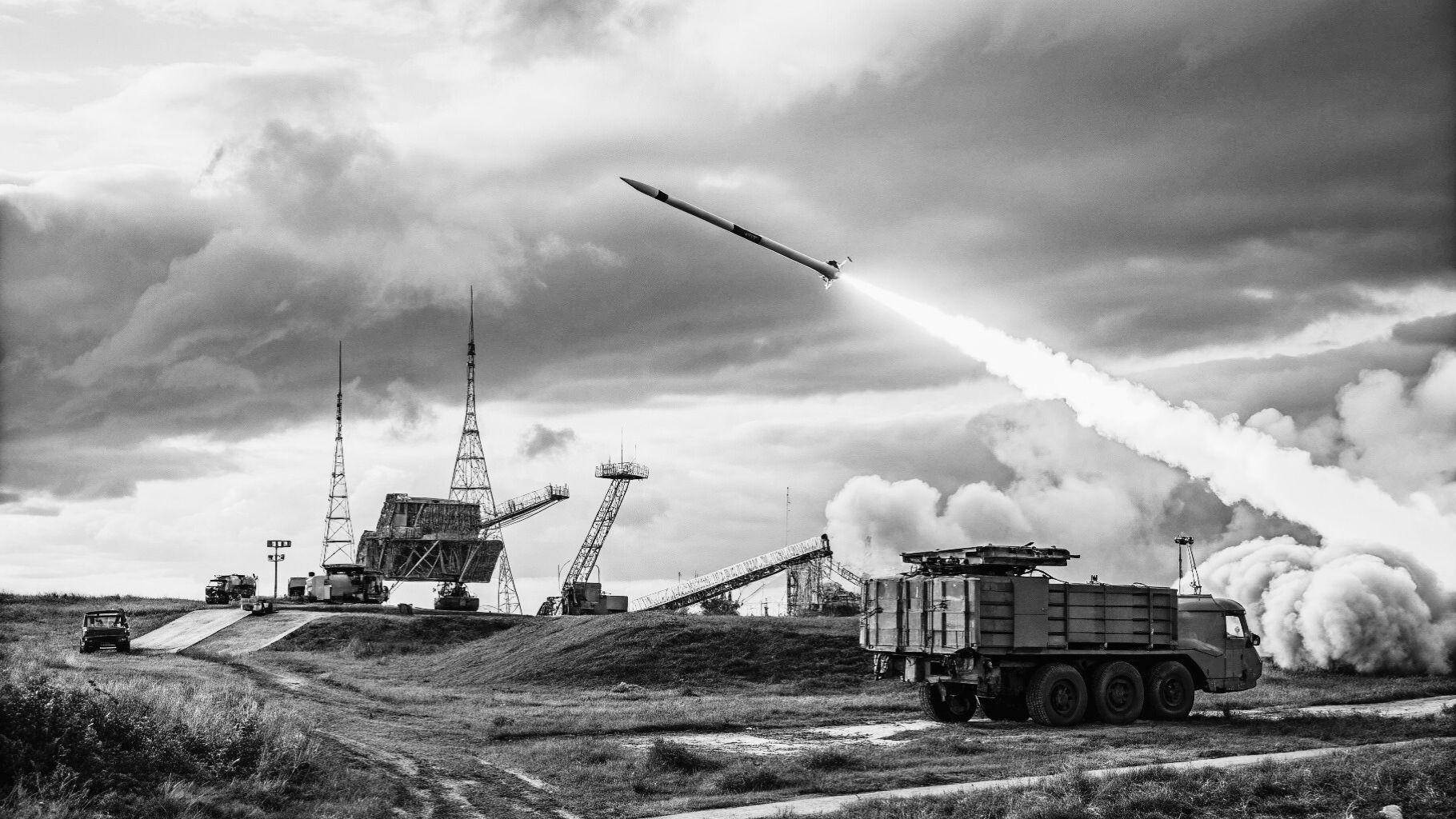
India’s long-range anti-ship strike program — widely described as a future “carrier-killer” capability — has advanced beyond the initial development phase, with three developmental trials already completed and preparations now underway for user trials with the Indian Navy.
Although full-scale induction is officially projected for the 2029–2030 timeframe, indications suggest that limited operational deployment could occur earlier through Limited Series Production (LSP), particularly for land-based coastal defense roles.
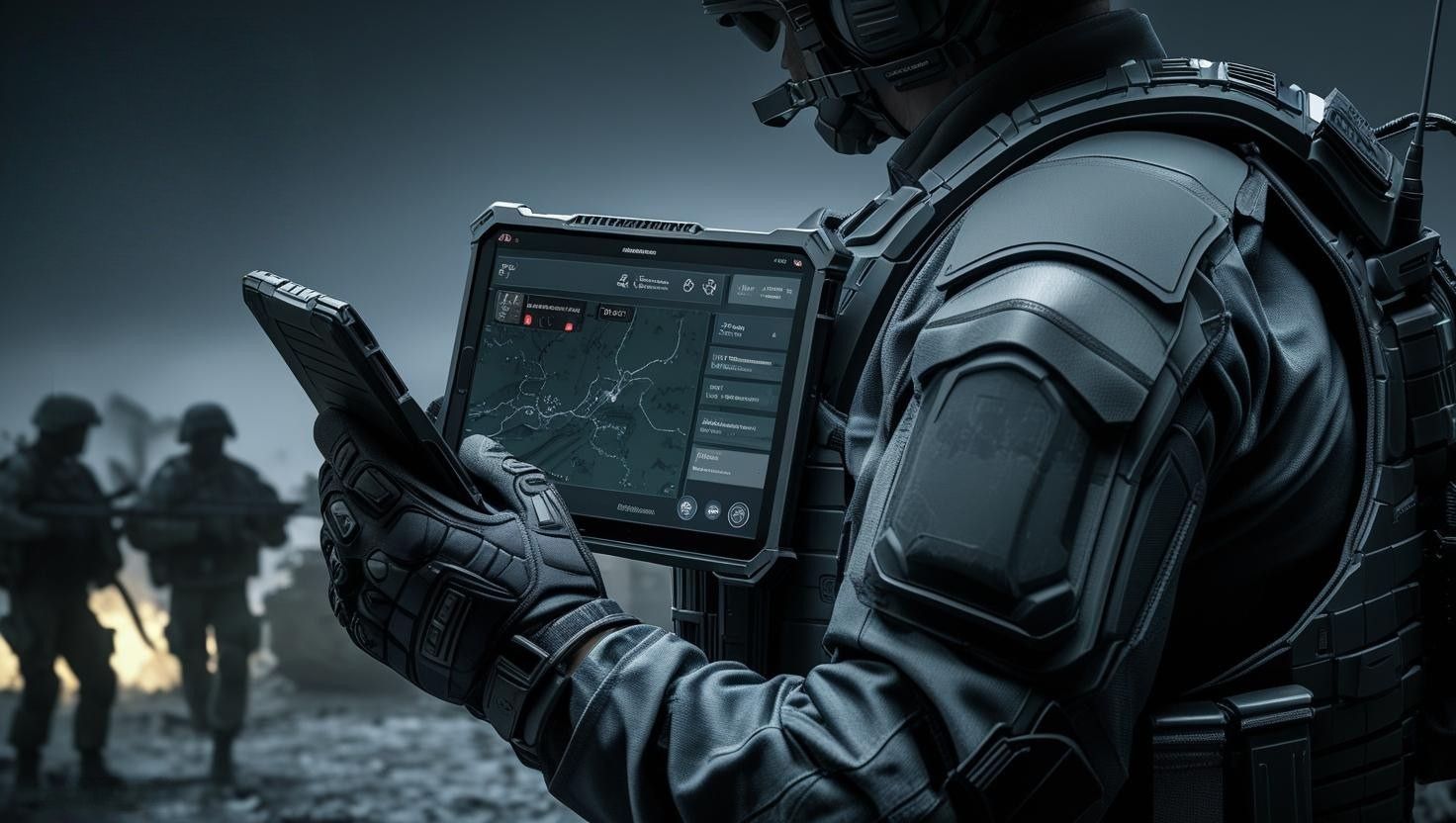
The transition from developmental testing to user trials represents a major milestone for the program. At this stage, the system will be evaluated by operational users under realistic combat conditions, including assessments of reliability, integration with command-and-control networks, and effectiveness against moving maritime targets in electronically contested environments.
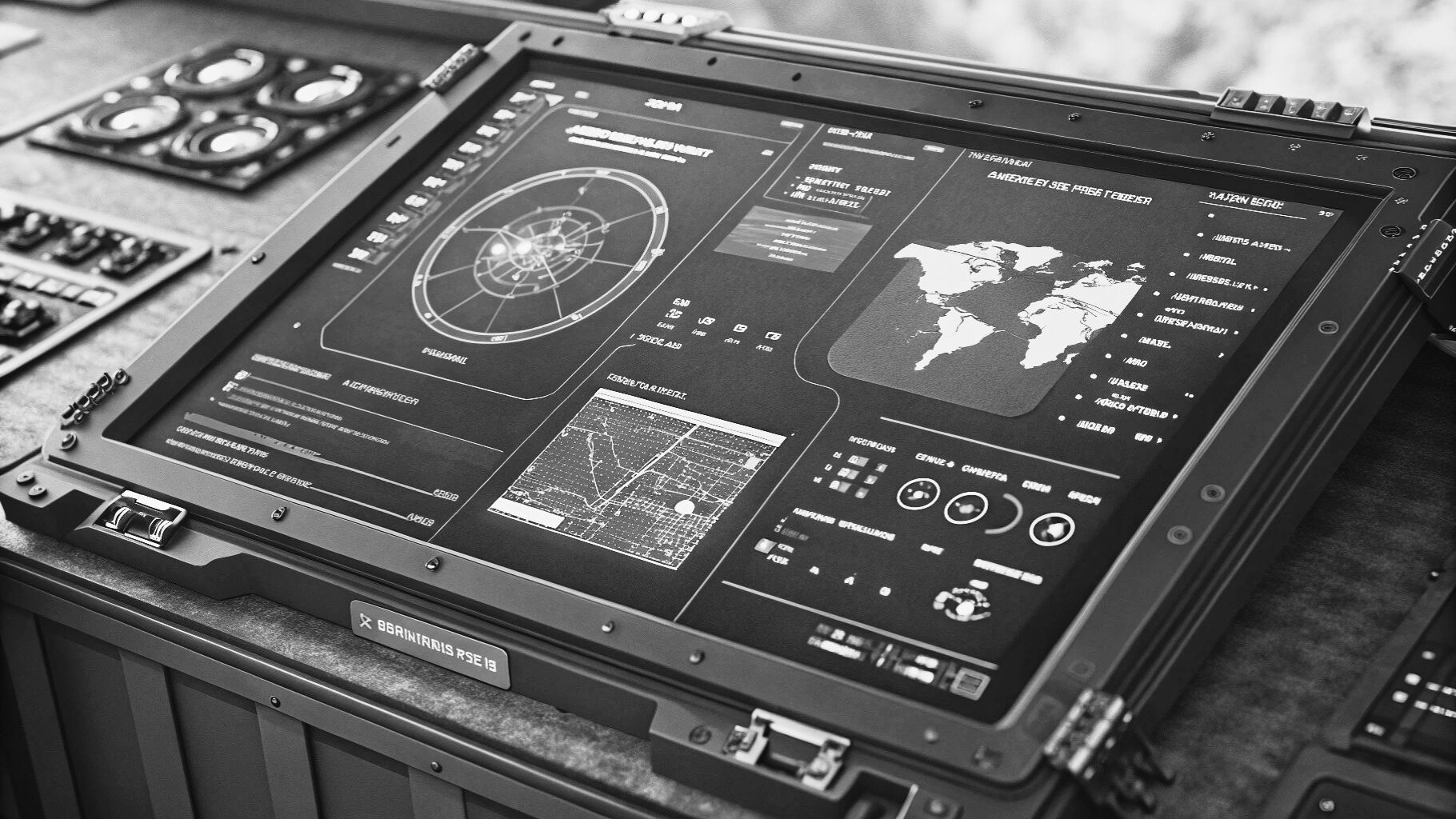
For a weapon designed to threaten high-value naval assets, operational validation of targeting accuracy, survivability, real-time datalink performance, and resistance to electronic warfare is considered just as critical as range and speed.
Toward an Integrated Precision Strike Doctrine
The program has also been linked to discussions surrounding a proposed Integrated Rocket Force, reflecting a broader doctrinal shift in India’s military structure toward centralized management of long-range precision strike systems.
Such a force could unify anti-ship, land-attack, and future hypersonic missile capabilities under a single operational command, enabling faster coordination and more efficient deployment across multiple domains.
Analysts note that early deployment through coastal missile batteries would align with evolving global trends in maritime denial strategies. Land-based anti-ship missile systems are increasingly viewed as cost-effective and survivable tools for imposing sea denial over strategic maritime approaches.
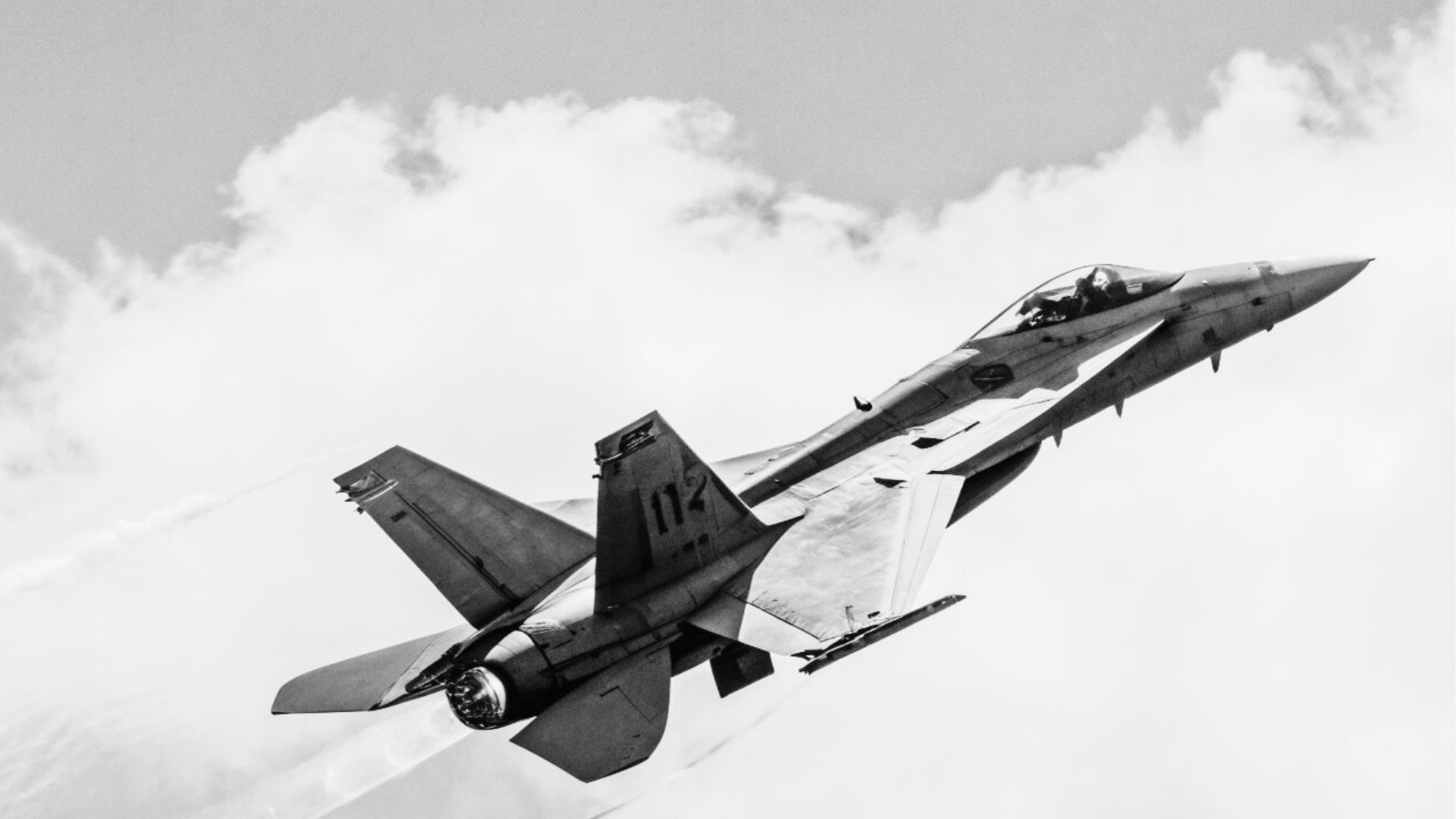
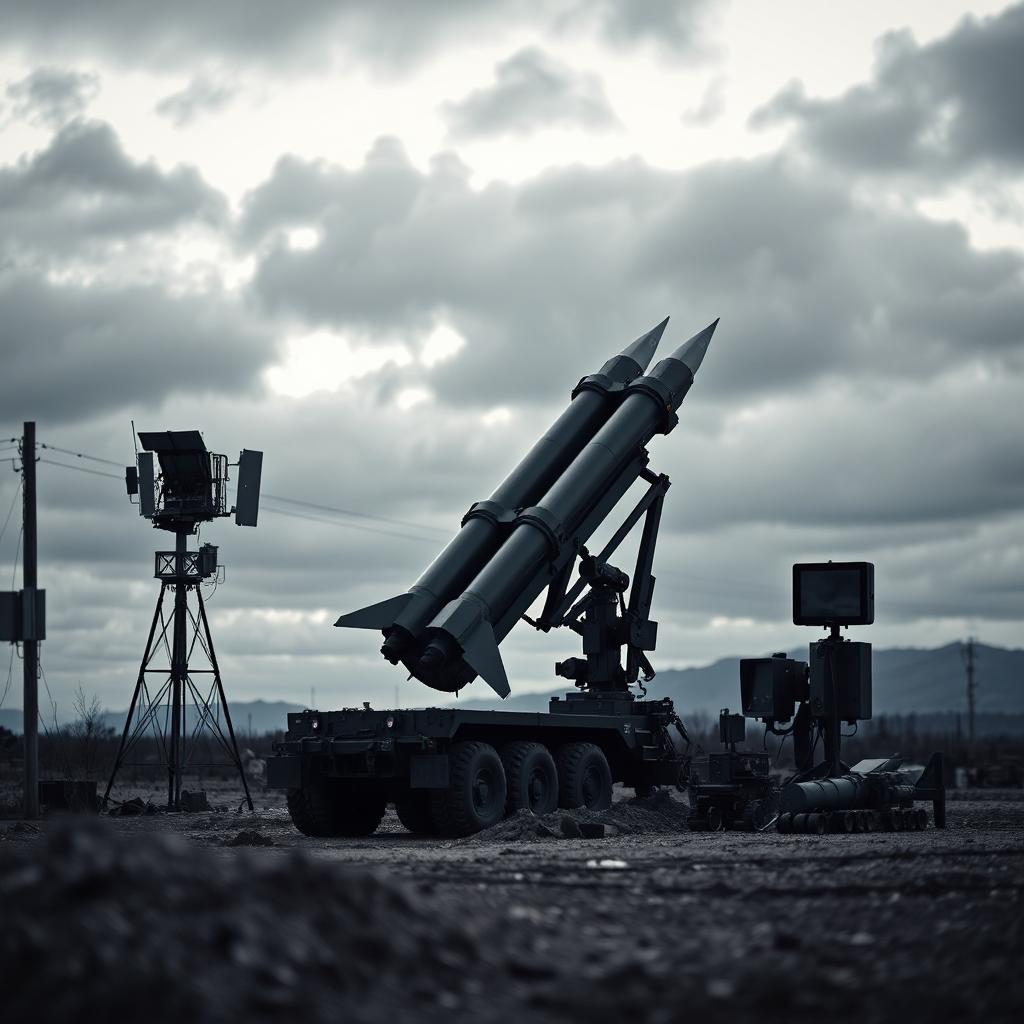
Positioned along India’s coastline and island territories, these systems could establish layered defensive zones capable of complicating adversary naval operations without requiring immediate integration onto major surface combatants or aircraft.
Advanced Targeting and Networked Warfare
The missile system is expected to combine long-range strike capability with high-speed terminal attack performance, potentially integrating advanced guidance technologies such as multi-mode seekers and mid-course targeting updates through networked sensors.
To maximize over-the-horizon engagement capability, the system will likely rely on integration with maritime patrol aircraft, unmanned aerial vehicles, and satellite-based surveillance assets.
The current roadmap suggests user trials with the Indian Navy between 2027 and 2028, followed by formal induction of the coastal-defense configuration around 2029–2030.
If Limited Series Production begins earlier, initial operational units could be fielded in smaller numbers to support doctrine development and operator familiarization ahead of full-scale deployment.
Strategically, the program strengthens India’s anti-access/area-denial (A2/AD) posture in the Indian Ocean Region by increasing the threat envelope faced by hostile carrier strike groups and other high-value naval assets operating near Indian waters.
The capability is also expected to complement indigenous systems such as the BrahMos and future hypersonic weapons, contributing to a layered maritime precision-strike architecture.