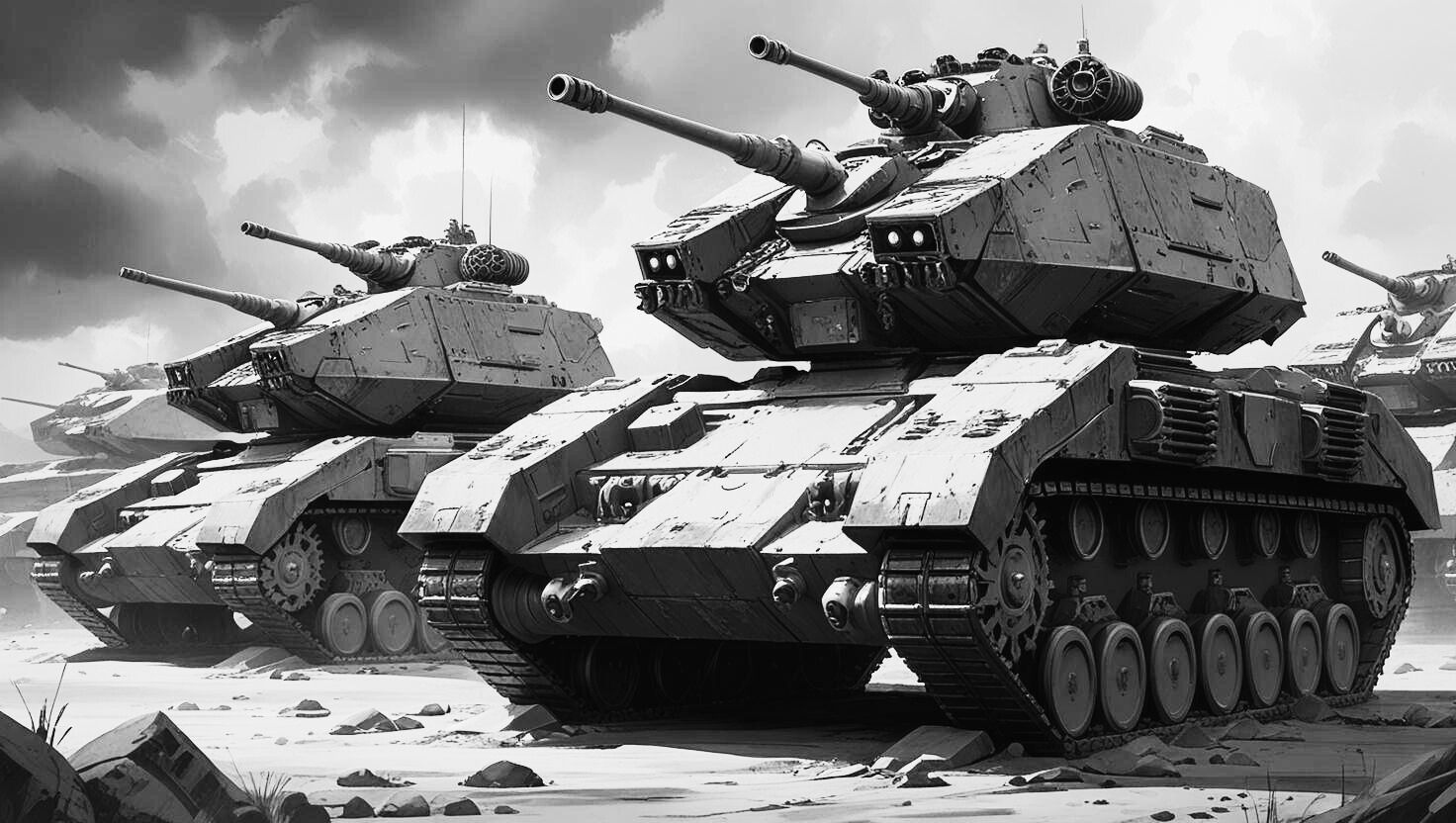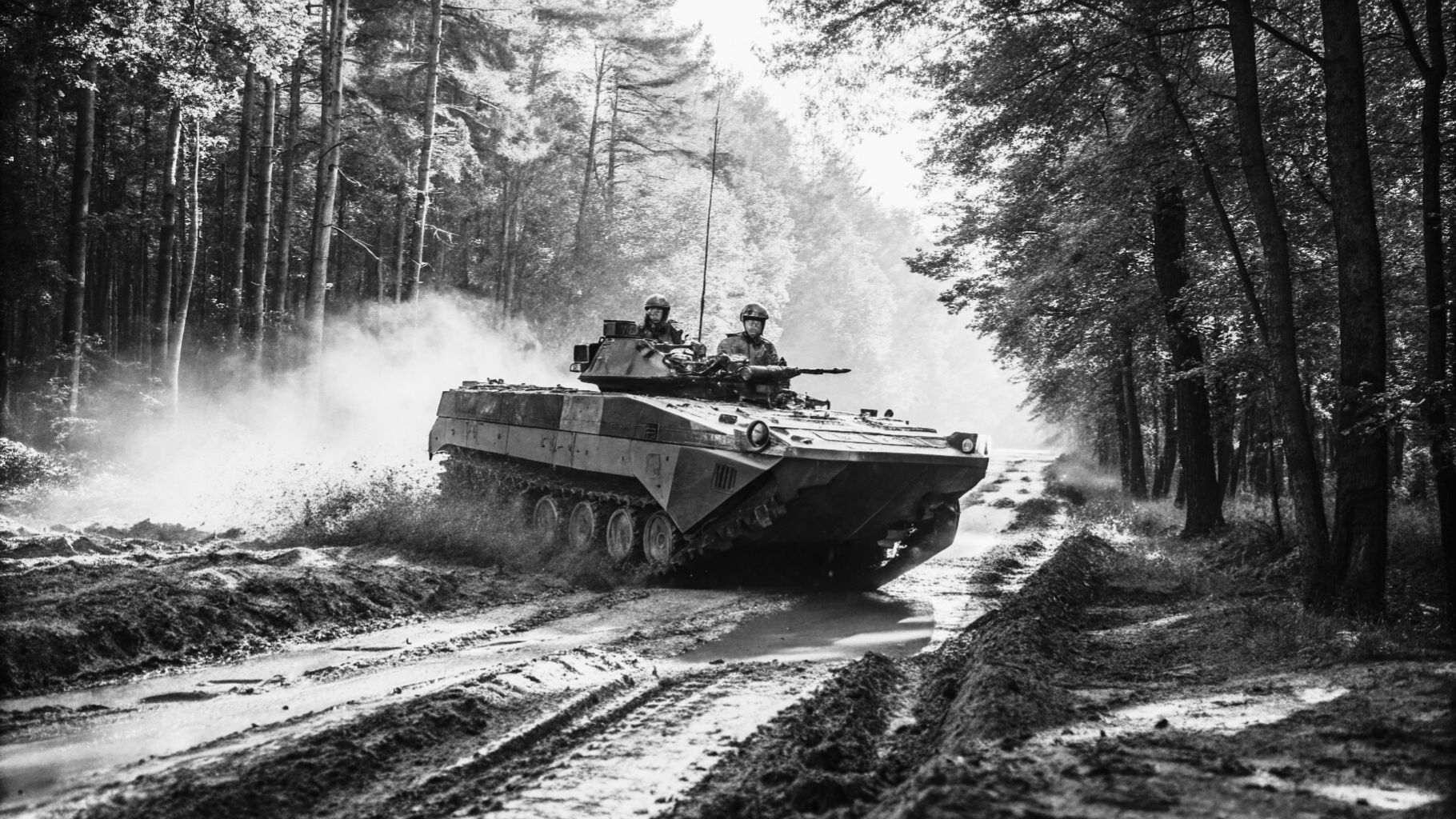
Modernization can preserve a platform, but some upgrades completely redefine its battlefield role. The Challenger 3 represents more than an update to the British Army’s aging armored fleet; it marks a major evolution in the UK’s approach to modern armored warfare.
Designed for high-intensity combat environments, Challenger 3 combines proven survivability with advanced firepower, digital networking, and improved battlefield awareness. It reflects the British Army’s effort to adapt to future conflicts where precision, protection, and interoperability are critical.
What Is Challenger 3?
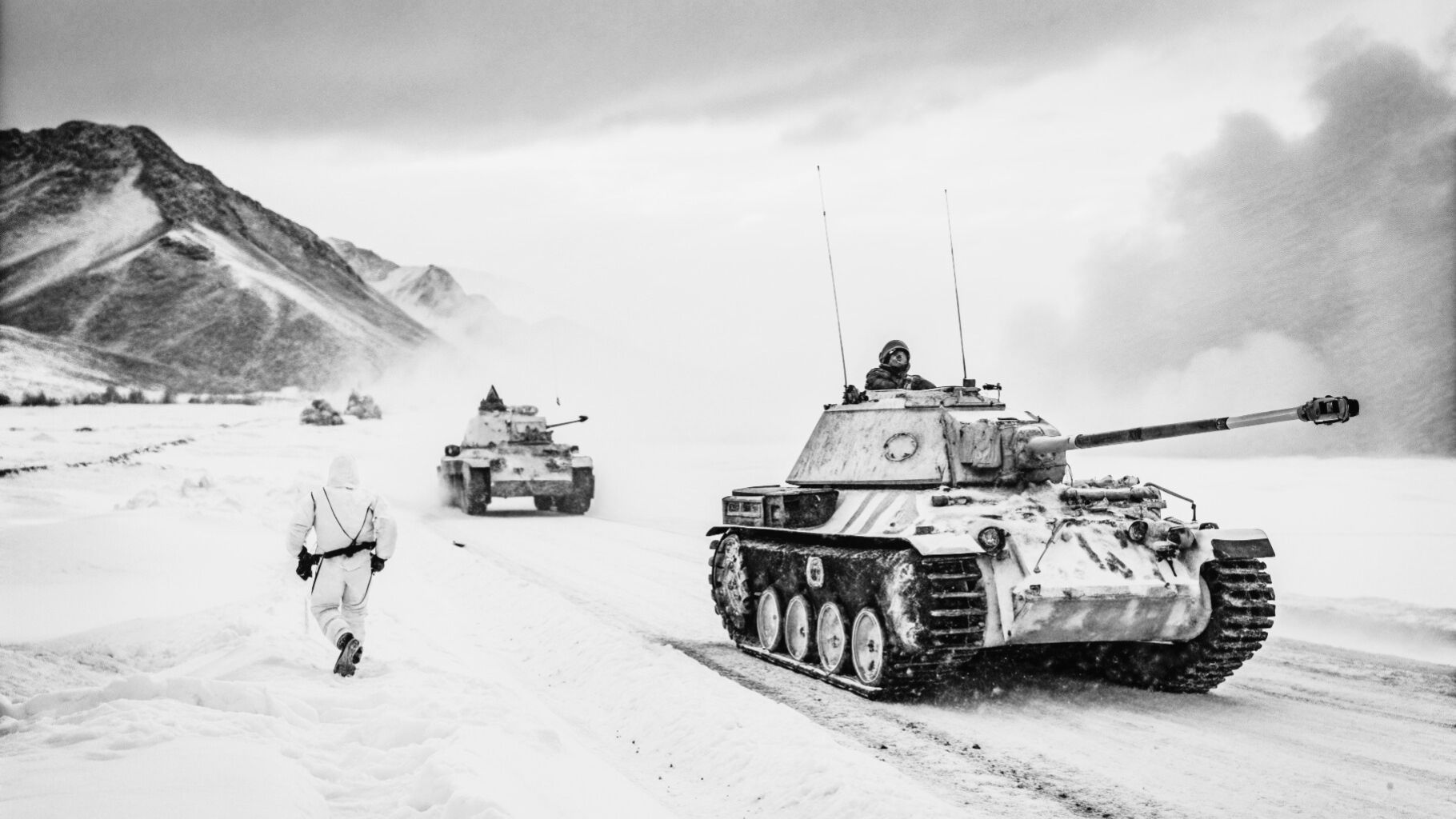
Challenger 3 is the British Army’s next-generation main battle tank, developed through a deep modernization of the existing Challenger 2 fleet. Rather than creating an entirely new tank, the program focuses on transforming the platform with major upgrades in lethality, protection, mobility, and digital systems.
The tank is specifically engineered for peer-level warfare environments, where modern armor, network-enabled operations, and precision engagement capabilities are essential.
Origins and Development
The Challenger 3 program was launched to modernize the UK’s armored forces in response to rapidly evolving battlefield threats. Development is being led by Rheinmetall BAE Systems Land (RBSL), bringing together British and German expertise in armored vehicle engineering.
One of the program’s defining changes is the replacement of the Challenger 2’s rifled main gun with the Rheinmetall 120mm L55A1 smoothbore cannon. This shift aligns the British Army with NATO ammunition standards, improving interoperability and expanding access to advanced kinetic and programmable munitions.
Challenger 3 Configuration
The Challenger 3 introduces a broad range of upgrades aimed at improving combat effectiveness across all battlefield conditions.
Armament
Rheinmetall 120mm L55A1 smoothbore gun
Compatibility with advanced kinetic and programmable ammunition
Protection
Modular armor architecture for future enhancements
Strengthened turret protection with provisions for systems such as Trophy active protection
Sensors and Fire Control
Advanced commander and gunner sights with thermal imaging
Digitized fire-control system with automatic target tracking
Mobility and Digital Systems
Enhanced hydrogas suspension and upgraded powerpack
Modern electronic architecture enabling integrated battlefield networking and data sharing
How It Operates
Challenger 3 features a newly redesigned turret, advanced targeting systems, and a fully digitized battlefield architecture. The smoothbore gun significantly improves firepower and ammunition flexibility, while upgraded sensors enhance target detection and engagement in all weather and visibility conditions.
Its modular protection package improves survivability against modern anti-armor threats, while digital connectivity allows seamless coordination with allied NATO forces during joint operations.
Key Advantages
The platform’s greatest strength is its balanced modernization approach, integrating stronger firepower, enhanced survivability, and advanced networking capabilities into a proven chassis.
The transition to NATO-standard ammunition simplifies logistics and improves coalition interoperability. Enhanced targeting and situational awareness systems also increase operational effectiveness in both offensive and defensive missions.
Challenges and Constraints
Despite extensive upgrades, Challenger 3 is still based on an older platform, which may limit future growth compared with entirely new-generation tank designs.
Its heavy armor configuration could also impact mobility and rapid deployment in some operational environments. In addition, the lack of a fully integrated active protection system at entry into service may require additional future upgrades.
Operational Role
Challenger 3 is expected to become the core of the British Army’s armored warfare capability, supporting frontline combat operations, deterrence missions, and NATO deployments.
The platform is designed for close integration with allied forces, improving interoperability with partner nations including Estonia and Germany during multinational operations.
Future Outlook
Challenger 3 reflects the wider transition toward digitally connected and network-centric armored warfare. Future enhancements could include advanced active protection systems, next-generation sensors, and integration with unmanned platforms.
Although based on an existing design, Challenger 3 represents a major recalibration of British armored capability, ensuring the UK remains prepared for the demands of modern warfare.