Türkiye has officially inducted the indigenous SİPER-1 long-range air defense system into its Steel Dome (Çelik Kubbe) layered air and missile defense architecture, marking a major expansion of the country’s high-altitude and long-range interception capability. The move represents a significant milestone in Ankara’s pursuit of defense autonomy and air defense sovereignty.
The integration of SİPER-1 strengthens Türkiye’s national air and missile defense posture by adding a fully indigenous long-range layer to a network that already includes the domestically developed Hisar-A+ and Hisar-O+ systems. Together, these assets form a multi-tiered defense shield designed to counter a broad spectrum of aerial threats across varying altitudes and ranges.
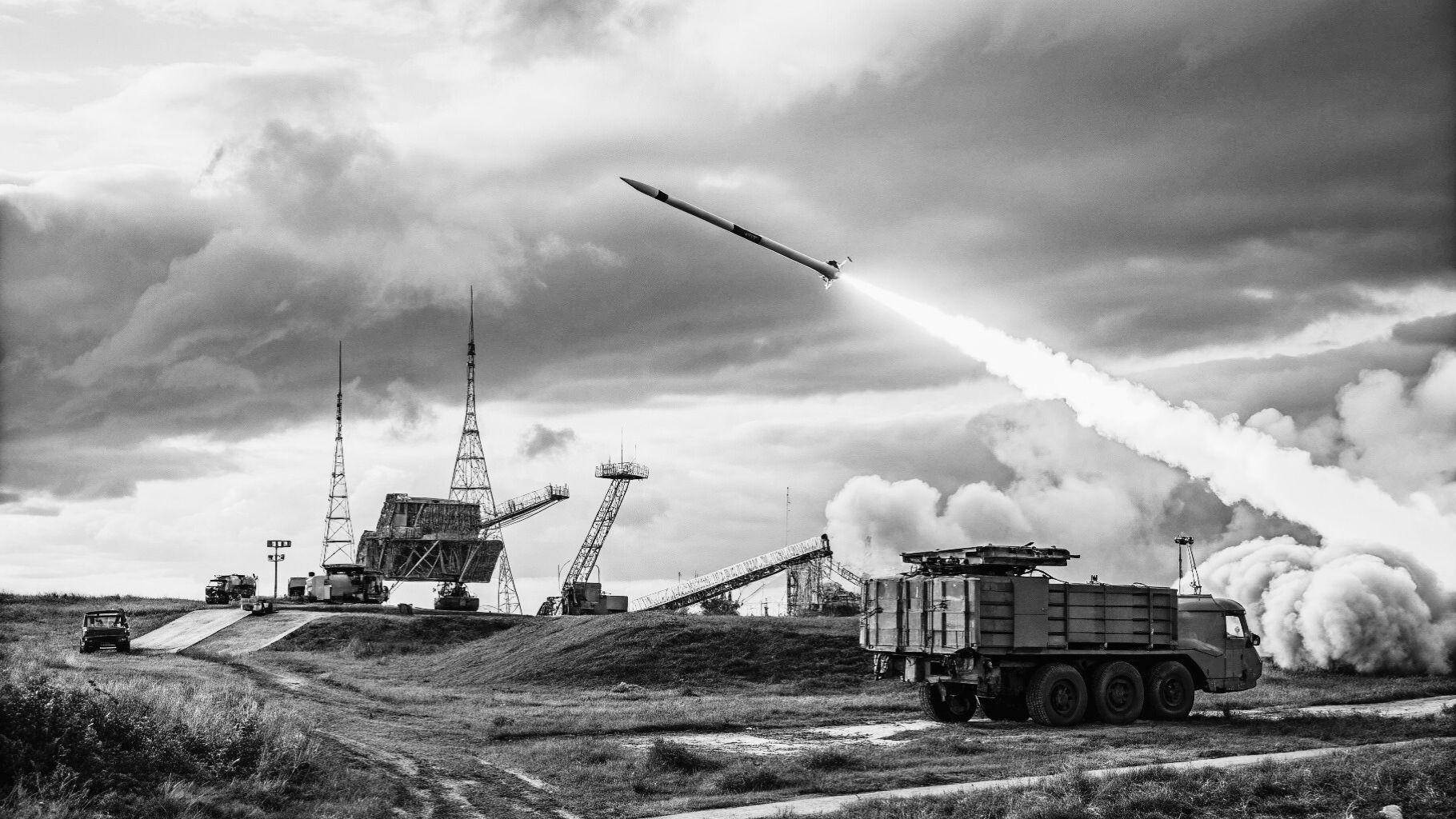
Developed under the coordination of the Presidency of Defence Industries (SSB) by ASELSAN, ROKETSAN, and TÜBİTAK SAGE, SİPER-1 successfully completed its battery-level acceptance trials at the Sinop Test Center on the Black Sea. During live-fire testing, the system demonstrated its ability to detect, track, and engage a high-speed, maneuvering aerial target in a complex operational environment. The trial included multiple friendly and hostile air signatures, validating the system’s readiness under realistic battlefield conditions.
SİPER-1 is designed to provide long-range engagement against fixed-wing aircraft, cruise missiles, and potentially unmanned aerial systems. While official performance figures remain undisclosed, open-source assessments suggest the initial production variant can engage targets at ranges approaching 100 kilometers, with coverage extending into high-altitude airspace. More advanced variants with extended range and enhanced capabilities are currently under development as part of the broader SİPER roadmap.
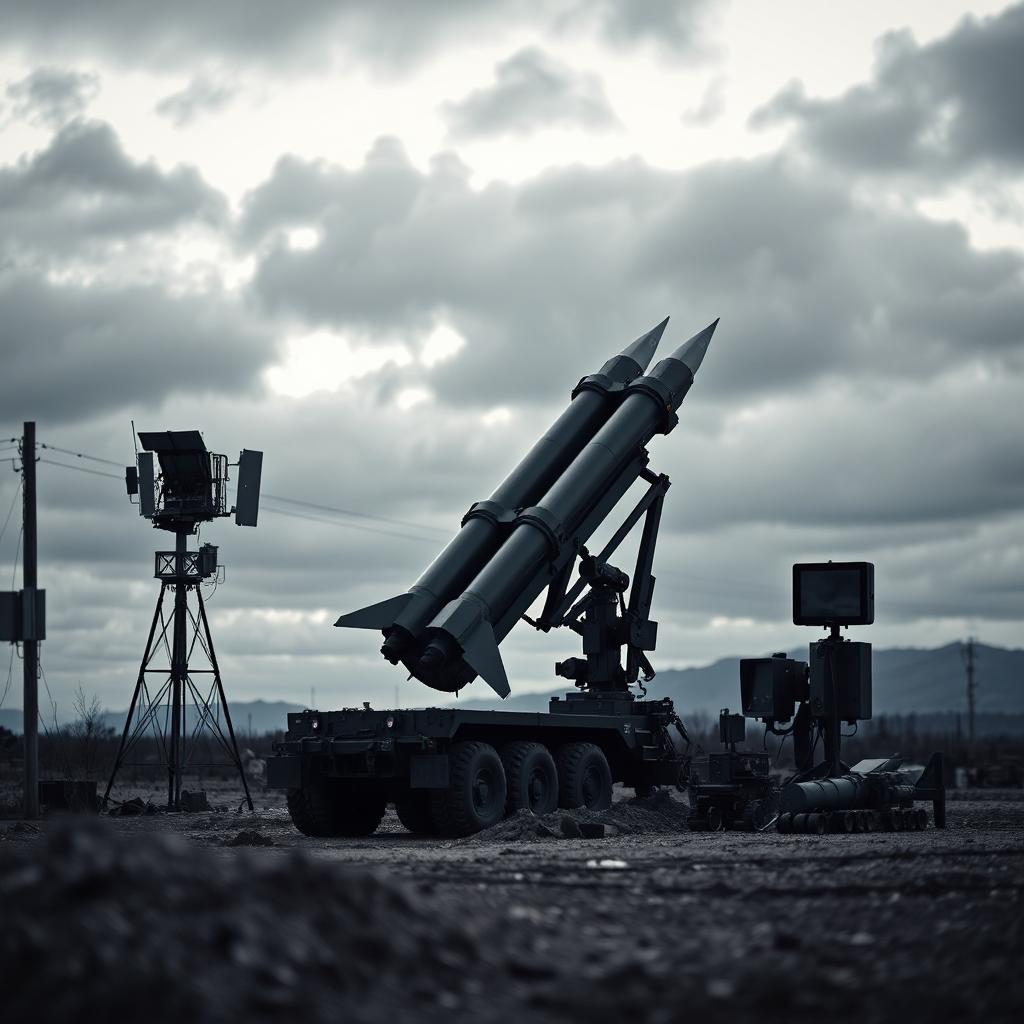
The system employs a domestically produced interceptor missile believed to feature a two-stage solid-fuel propulsion system and an active radar homing seeker. Integration within Türkiye’s command-and-control architecture is enabled by advanced engagement and fire control software developed by ASELSAN, supporting simultaneous multi-target engagements and full 360-degree coverage. The vertically launched interceptors are mounted on mobile wheeled platforms, allowing rapid deployment and operational flexibility.
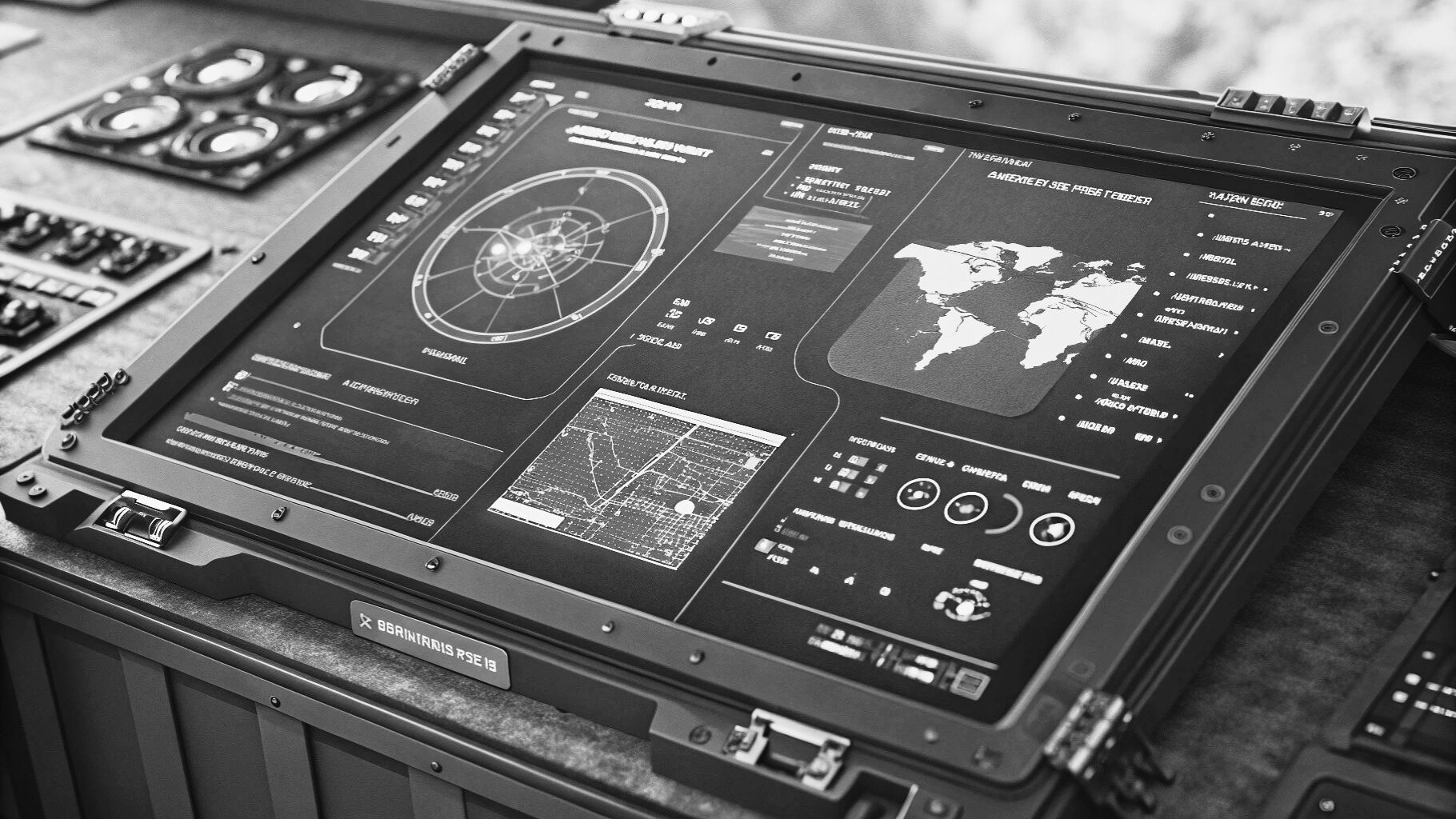
Although specific radar performance details have not been publicly disclosed, SİPER-1 is fully interoperable with the Turkish Armed Forces’ existing sensor network under the Steel Dome concept. This includes phased-array radars and data fusion centers that integrate inputs from early warning aircraft, unmanned platforms, and coastal surveillance systems. The network is managed through the ADVENT combat management system, ensuring secure connectivity and interoperability across land, naval, and air force components.