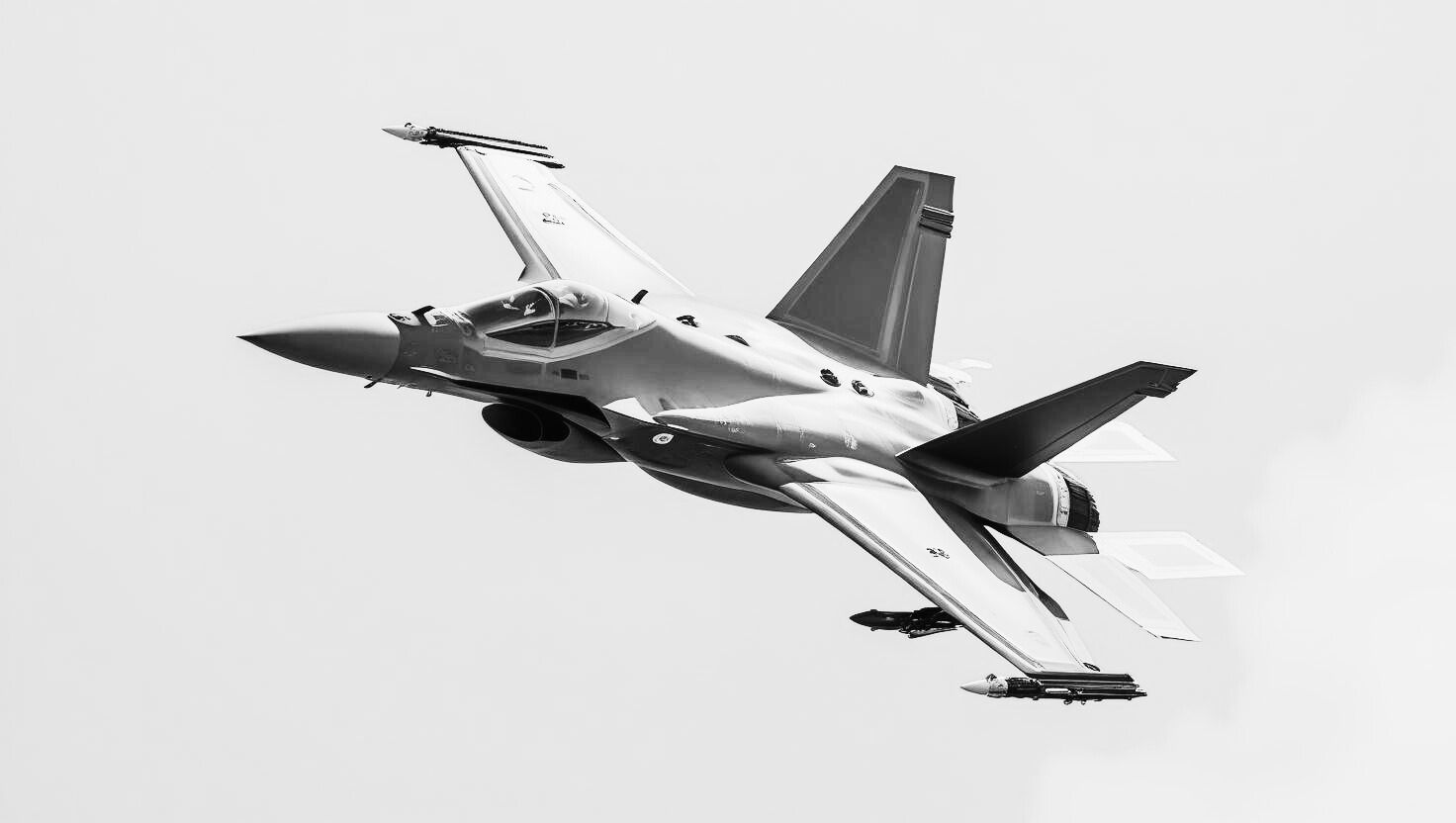
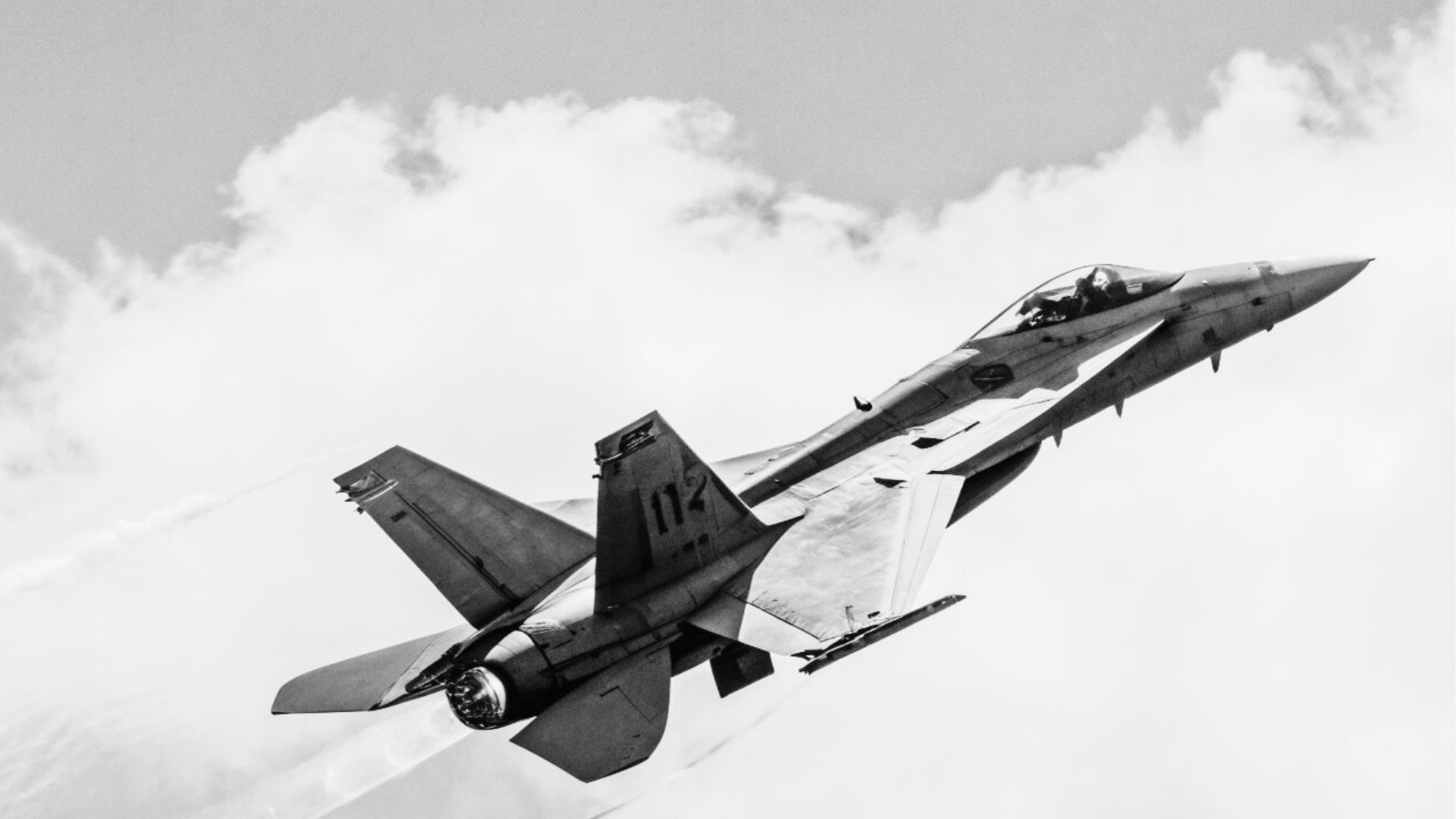
Lockheed Martin delivered a record 191 F-35 fighter jets in 2025, the highest annual output in the program’s history and a major milestone for the multinational aircraft initiative.
Production is now proceeding at a pace five times faster than any other allied fighter program, with nearly 1,300 F-35 aircraft currently in service worldwide.
Global demand for the stealth fighter remained strong throughout the year. Italy expanded its fleet by 25 aircraft, Denmark added 16, and several European partners reached key program milestones.
Finland rolled out its first F-35, Belgium received its first aircraft on home soil, and Norway completed deliveries of its full fleet.
In September, the F-35 Joint Program Office finalized Lots 18 and 19, a $24-billion agreement covering the production and delivery of up to 296 aircraft—the largest production contract in the program’s history.
These achievements followed the program surpassing one million cumulative flight hours earlier in the year and completing its most advanced software upgrade, Technology Refresh 3 (TR-3), which supports both US and international operations.
The F-35 now serves as a core combat asset for 12 nations: the United States, United Kingdom, Italy, Norway, Denmark, Belgium, Israel, Japan, South Korea, Australia, Finland, and the Netherlands.
Designed for multi-role operations, the aircraft supports missions ranging from tactical strike to suppression of enemy air defenses, while enabling partner nations to standardize training, sustainment, and operational concepts.
Beyond Europe and North America, Israel has operated the F-35I across the Middle East since 2017, integrating the platform into air defense and precision strike missions.
Meanwhile, Japan and South Korea have steadily expanded their fleets since 2018 and 2019, reflecting increased regional reliance on fifth-generation stealth aircraft. Australia’s F-35A fleet underpins national defense and regional exercises, while Norwegian and Finnish jets have taken part in NATO interoperability operations in the Baltic and Arctic regions.