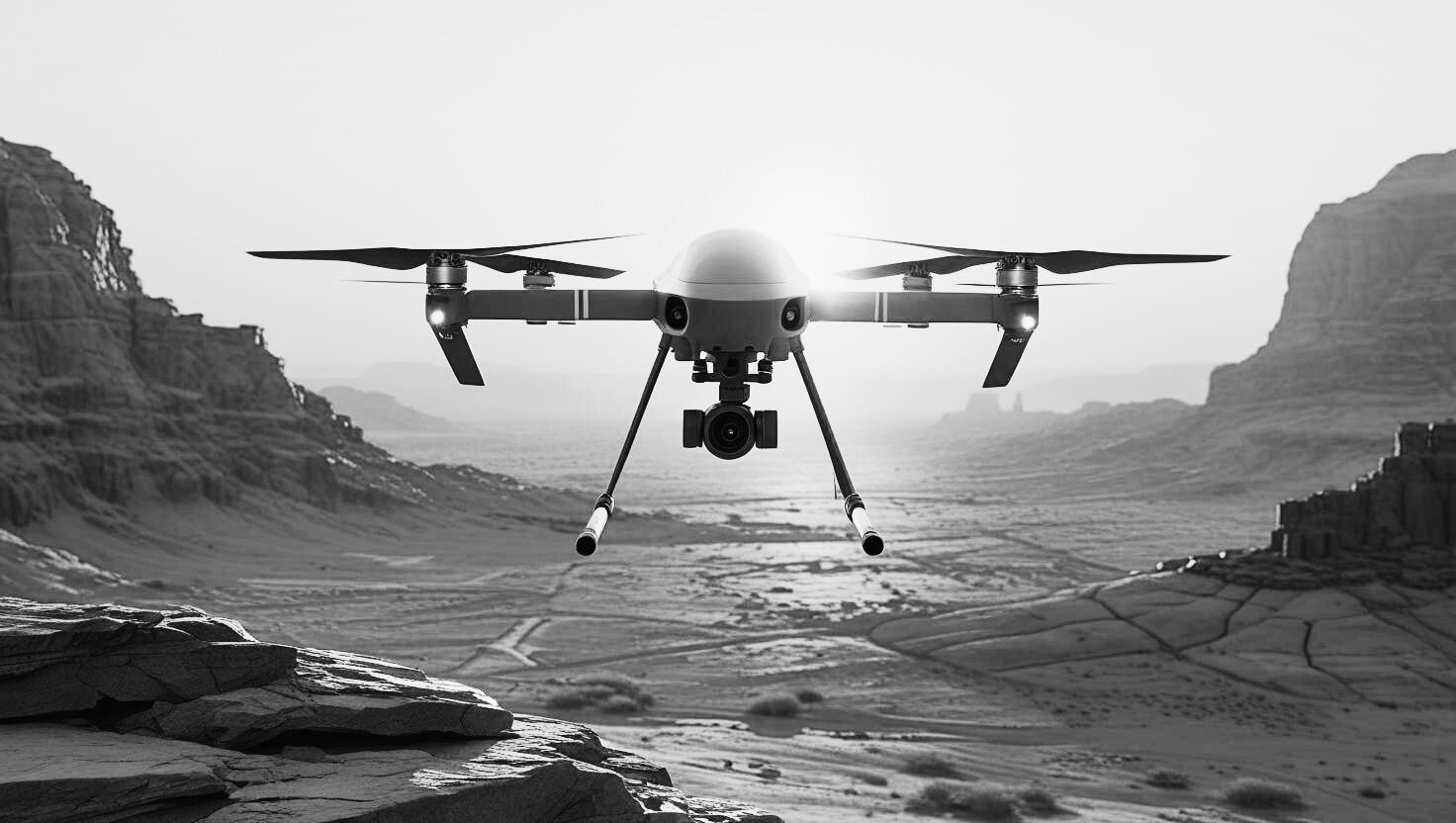

India’s Defence India Startup Challenge 14 (DISC 14) has spotlighted a major operational gap in Army Aviation, inviting private sector participation to develop a helicopter-mounted anti-drone system. The requirement comes amid the rapid rise of drone warfare, where FPV and loitering munitions are increasingly targeting helicopters, particularly during low-speed or hover operations. To address this, the Indian Army is seeking a lightweight, flight-certified counter-UAS solution capable of delivering real-time detection, warning, and neutralisation directly from airborne platforms.
Army helicopters—including reconnaissance, utility, and attack variants such as the HAL Light Combat Helicopter—currently lack onboard systems to detect nearby drone threats, creating a critical vulnerability in high-risk environments like forward areas and high-altitude zones. Existing counter-drone technologies are largely ground-based or too heavy and power-intensive for airborne integration, limiting their operational utility.
The proposed system must detect a wide spectrum of threats, from commercial quadcopters to advanced unmanned systems, using primarily passive sensors supplemented by miniaturised active systems. Once identified, threats would be neutralised through directional jamming or similar techniques without interfering with onboard avionics. Core technologies include RF spectrum monitoring, AI/ML-based signal classification, GNSS disruption, and seamless avionics integration.
Designed for diverse mission profiles—ranging from logistics and patrol to combat operations—the system would significantly enhance helicopter survivability in dynamic battlefields. Its mobility advantage over static defences makes it particularly valuable, and a successful indigenous solution could also position India as a competitive player in the growing global airborne counter-drone market.