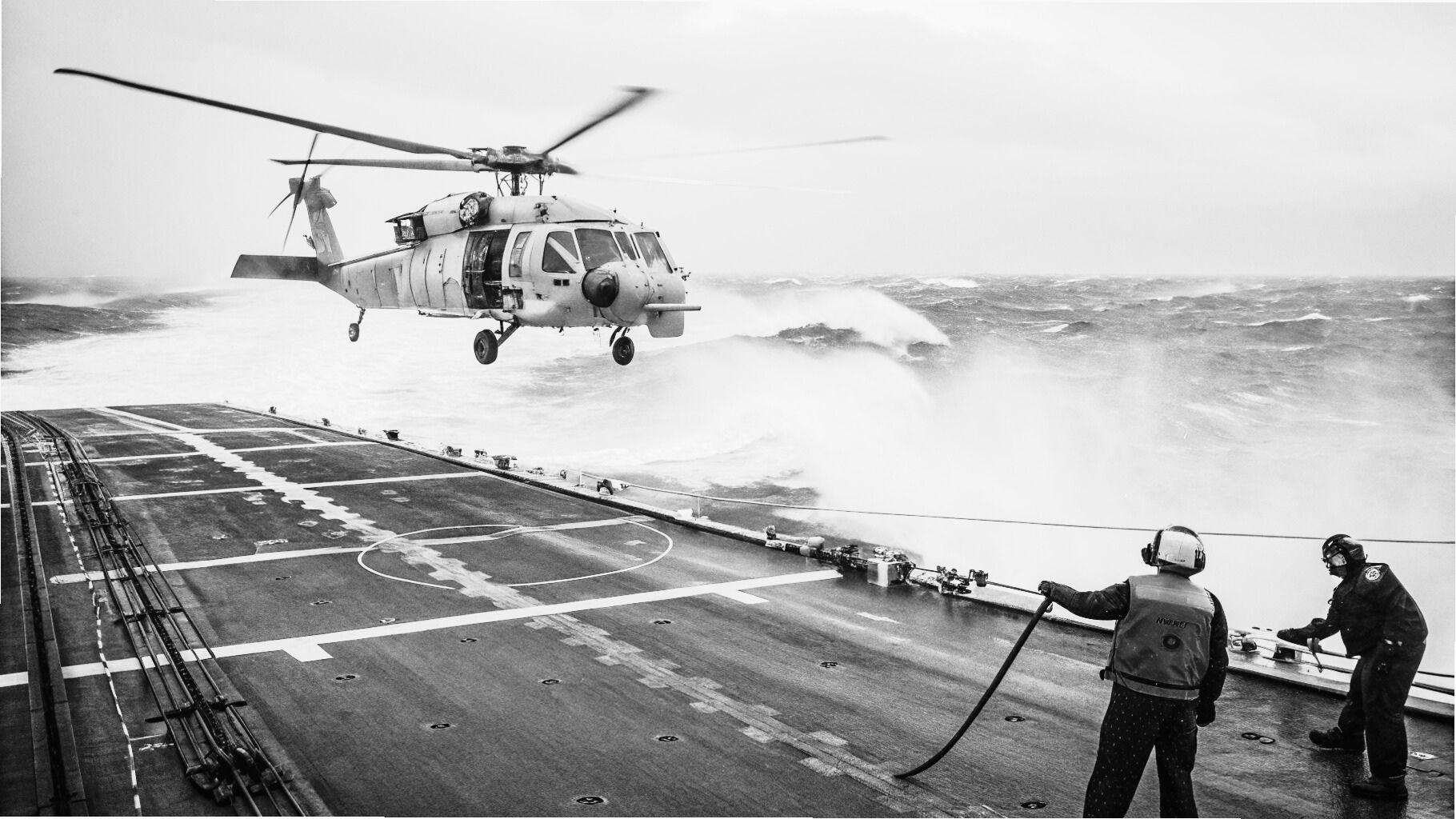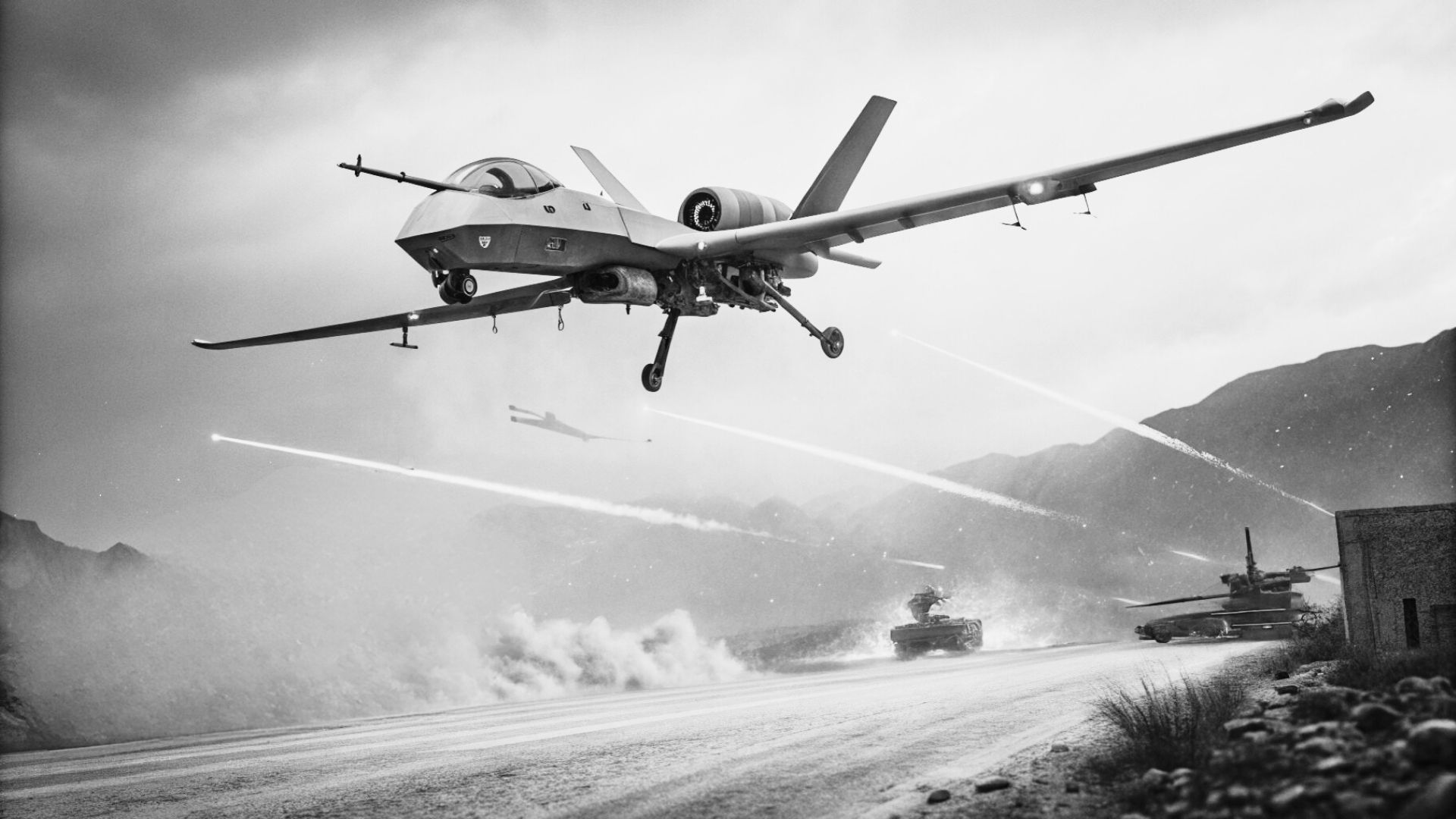

The Indian Air Force (IAF) has initiated a helicopter-launched drone program aimed at enhancing the operational reach and survivability of its rotary-wing assets.
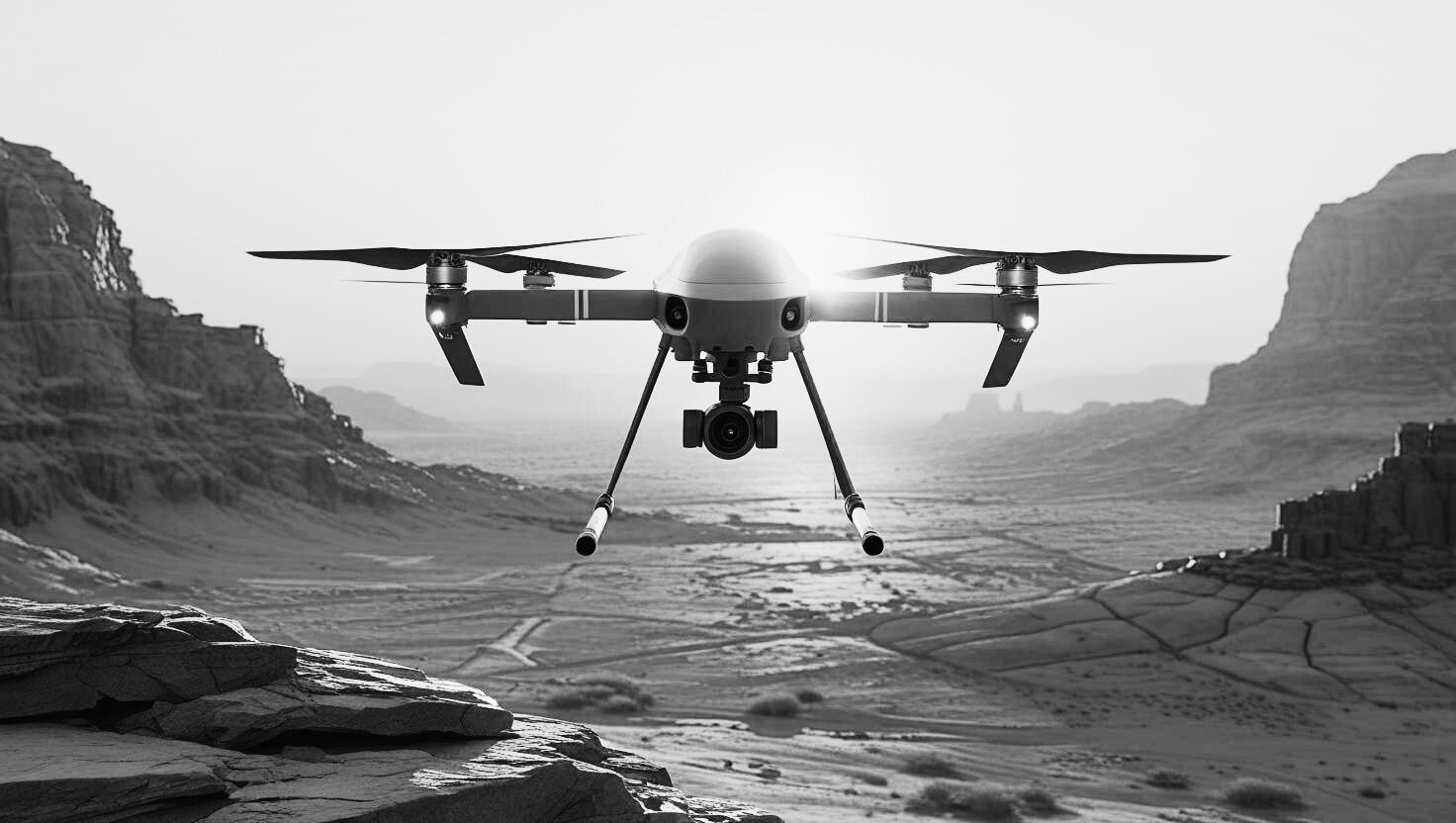
Known as Vaayu Baan (air arrow), the project focuses on developing an unmanned aerial system that can be deployed from combat helicopters for both surveillance and precision strike missions. The concept enables stand-off engagement while improving mission adaptability in contested environments.
Spearheaded by the IAF’s Directorate of Aerospace Design, the initiative reflects increasing concerns over the vulnerability of helicopters in the face of advanced air defense systems, as well as the growing prominence of drones as cost-effective and versatile tools in modern warfare.
The effort mirrors global developments, with the British Army advancing a loyal wingman concept for its Boeing AH-64E Apache fleet, and the US Army progressing its Launched Effects program, which includes air-launched munitions designed for deployment from rotary platforms at varying distances.
Vaayu Baan
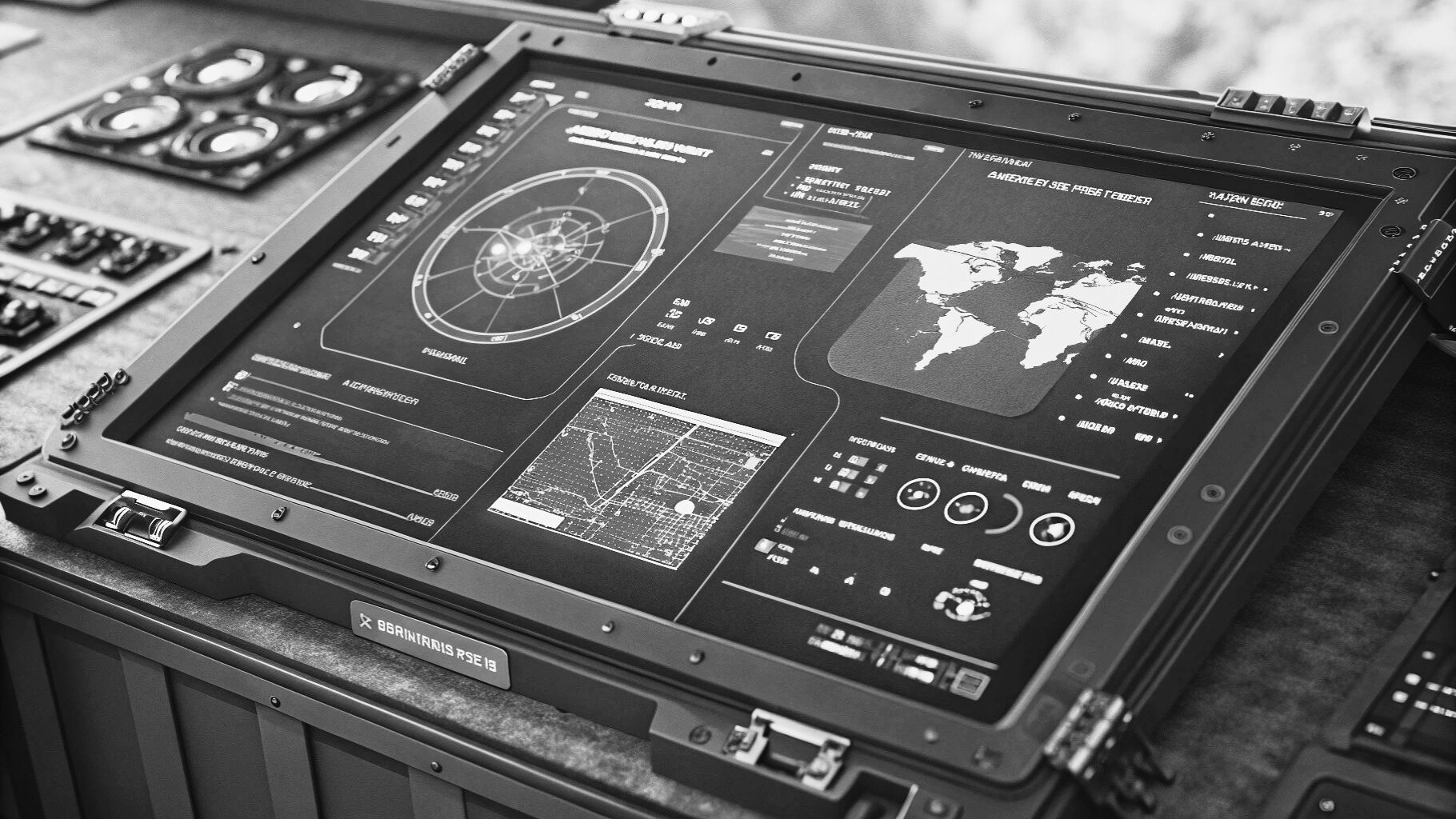
According to the request for proposal (RFP), the program calls for the procurement of 10 drone units, along with two airborne control stations, two ground control stations, and related payloads and spares.
The drone will be released from a helicopter door or hatch and, following a controlled drop, will autonomously deploy its wings to transition into guided flight. It will remain controllable from both the launch platform and ground-based systems.
The system is expected to provide real-time video feeds and carry out precision strikes when required.
Project Requirements
The platform is designed with a payload capacity of 1 kilogram (2.20 pounds) and will support modular configurations for three payload types: an electro-optical/infrared (EO/IR) sensor suite for surveillance and target acquisition, a minimum 500-gram (1.10-pound) warhead for strike roles, and compatibility with 57mm and 80mm rocket munitions.
Operationally, the drone must maintain control within a minimum range of 10 kilometers (6.21 miles) from the launch platform, while also supporting autonomous missions beyond 50 kilometers (31 miles) with a minimum endurance of 30 minutes.
Additional requirements include the ability to operate in GPS-denied environments, integration of AI-based target identification, real-time telemetry transmission, and configurable strike profiles.
As outlined in the RFP, the complete system is expected to be developed, delivered, and operationally integrated within 12 months from the contract’s effective date.