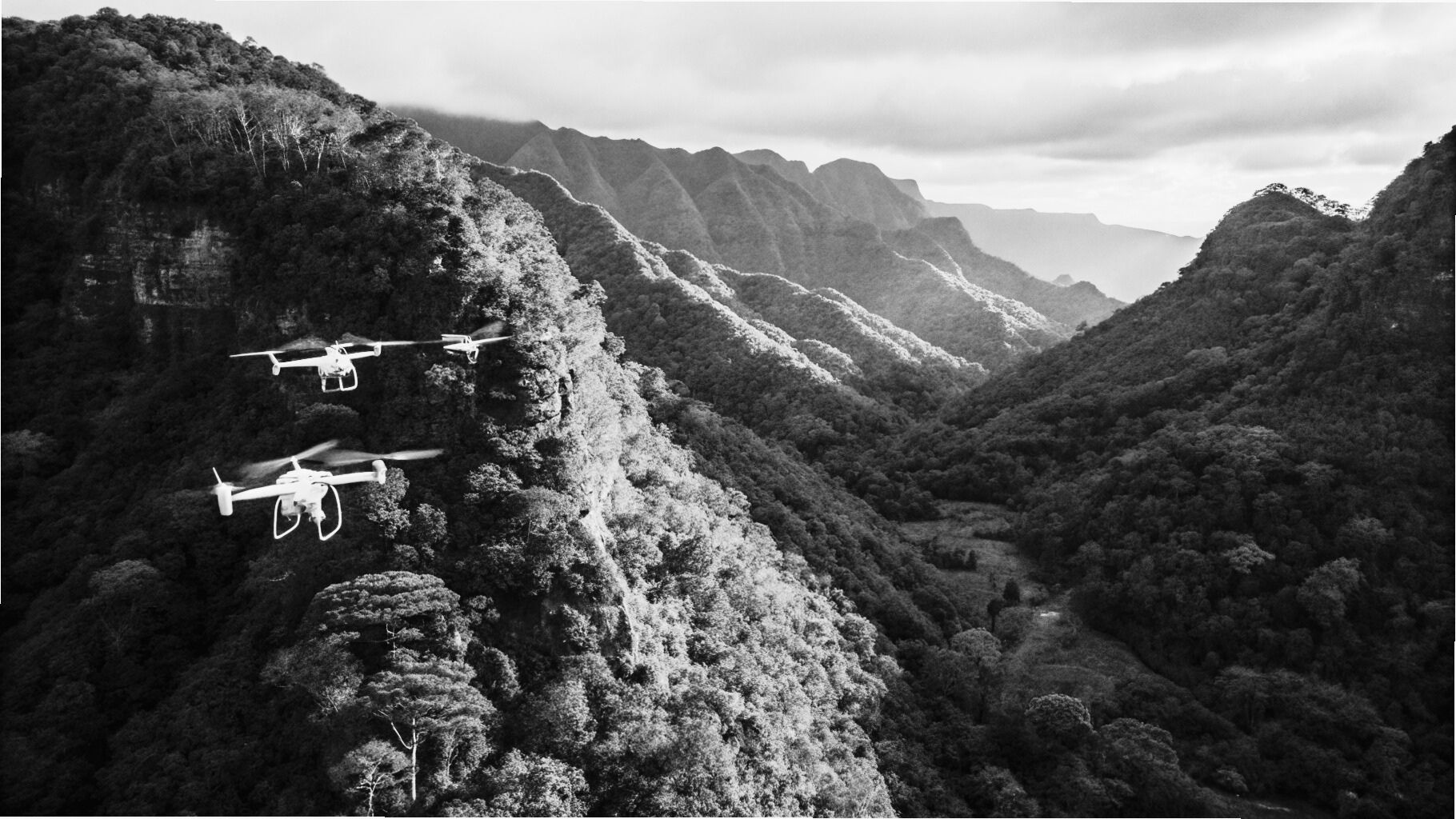

Long before drones became central to modern warfare, one unmanned aircraft family was already redefining military intelligence gathering.
The Elbit Hermes series steadily evolved into one of the world’s most trusted surveillance and reconnaissance platforms, capable of flying farther, staying airborne longer, and operating with growing autonomy.
From counterterror operations to border patrol and maritime monitoring, the Hermes family represents the military shift toward persistent, intelligence-led warfare.
Here’s a closer look at how the Hermes drone was developed, how it operates, and why it continues to shape modern battlefields.
What Is the Hermes Drone?
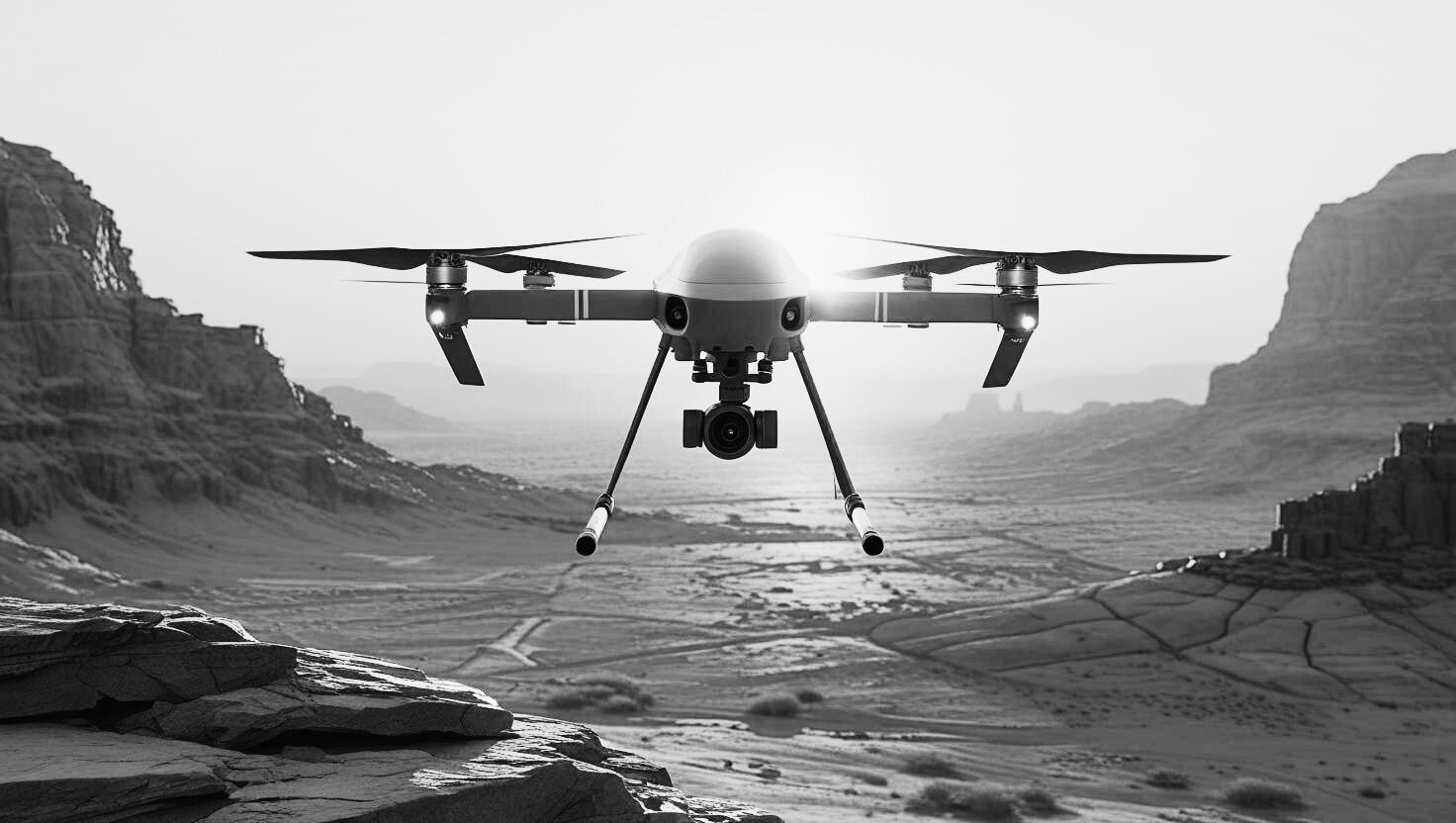
The Hermes is a family of medium-altitude, long-endurance (MALE) unmanned aerial vehicles designed primarily for intelligence, surveillance, target acquisition, and reconnaissance (ISTAR) missions.
Developed by Israeli defense company Elbit Systems, the drones are engineered to remain airborne for extended durations while providing real-time situational awareness without placing pilots at risk.
Origins and Development
The Hermes program traces back to the 1990s with the introduction of the Hermes 450, which entered operational service in 1998.
Originally conceived as a tactical UAV, it quickly gained popularity due to its long endurance, modular sensor architecture, and comparatively low operating costs.
Building on the platform’s success, Elbit later unveiled the Hermes 900, which made its maiden flight in 2009.
The larger system delivered greater payload capacity, higher operational ceilings, and endurance exceeding 30 hours, meeting growing demand for persistent high-end ISR operations.
In 2024, the company introduced the Hermes 650, positioned between the 450 and 900 variants.
The newer platform combines enhanced survivability, multi-mission flexibility, and next-generation operational capabilities.
Variants of the Hermes Family
The Hermes lineup is structured as a scalable UAV family tailored to different operational needs:
Hermes 450: Tactical UAV offering more than 20 hours of endurance and widely employed for surveillance and reconnaissance missions.
Hermes 650: A next-generation platform bridging the gap between the 450 and 900 with improved endurance, payload adaptability, and mission flexibility.
Hermes 900: A larger MALE UAV capable of operating at altitudes nearing 30,000 feet with extended endurance and heavier payload capacity.
Watchkeeper WK450: A UK-developed derivative produced in cooperation with British industry partners.
This layered approach enables military operators to select platforms according to mission scale, endurance requirements, and operational complexity.
How It Works
Key Features
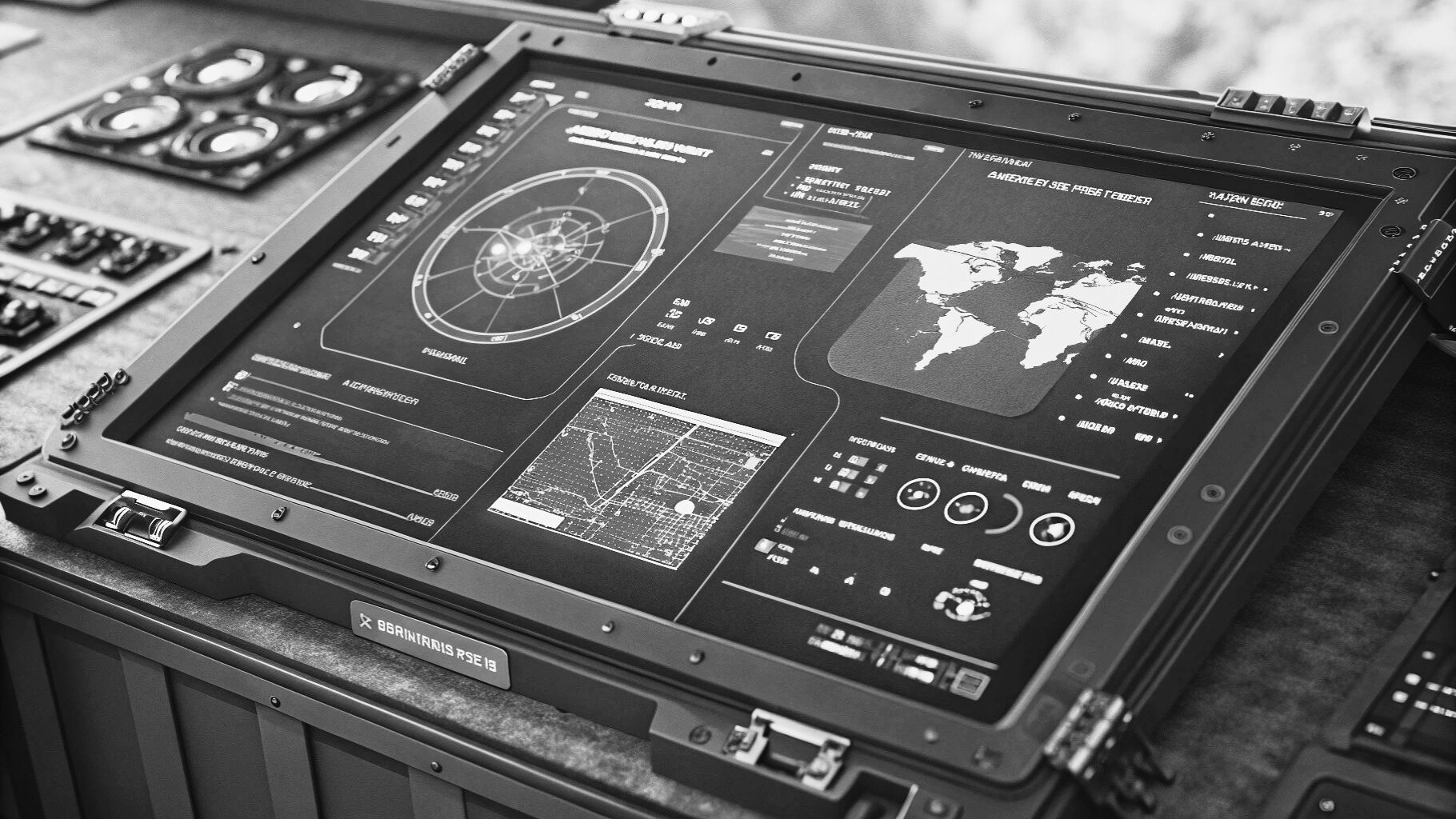
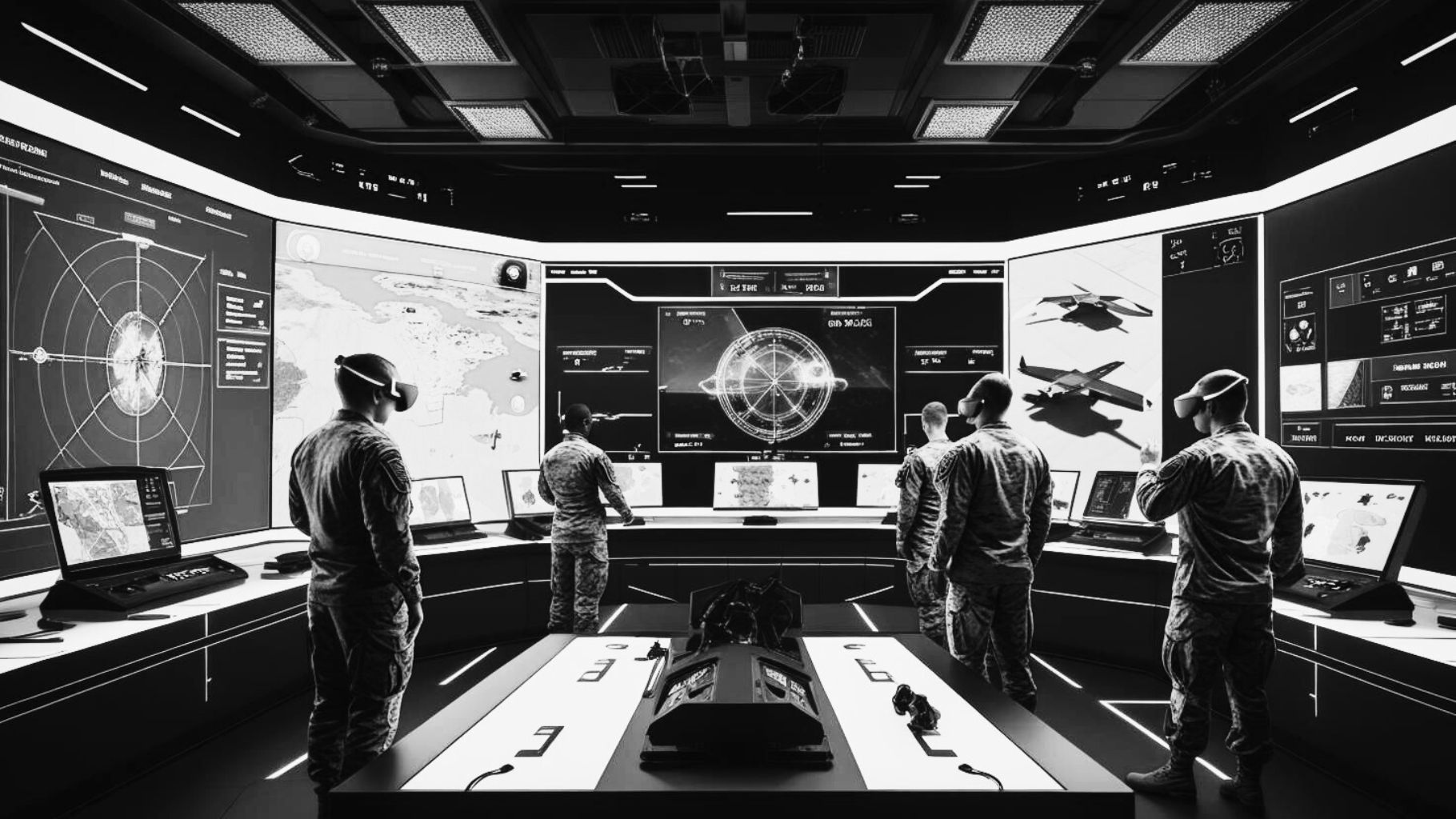
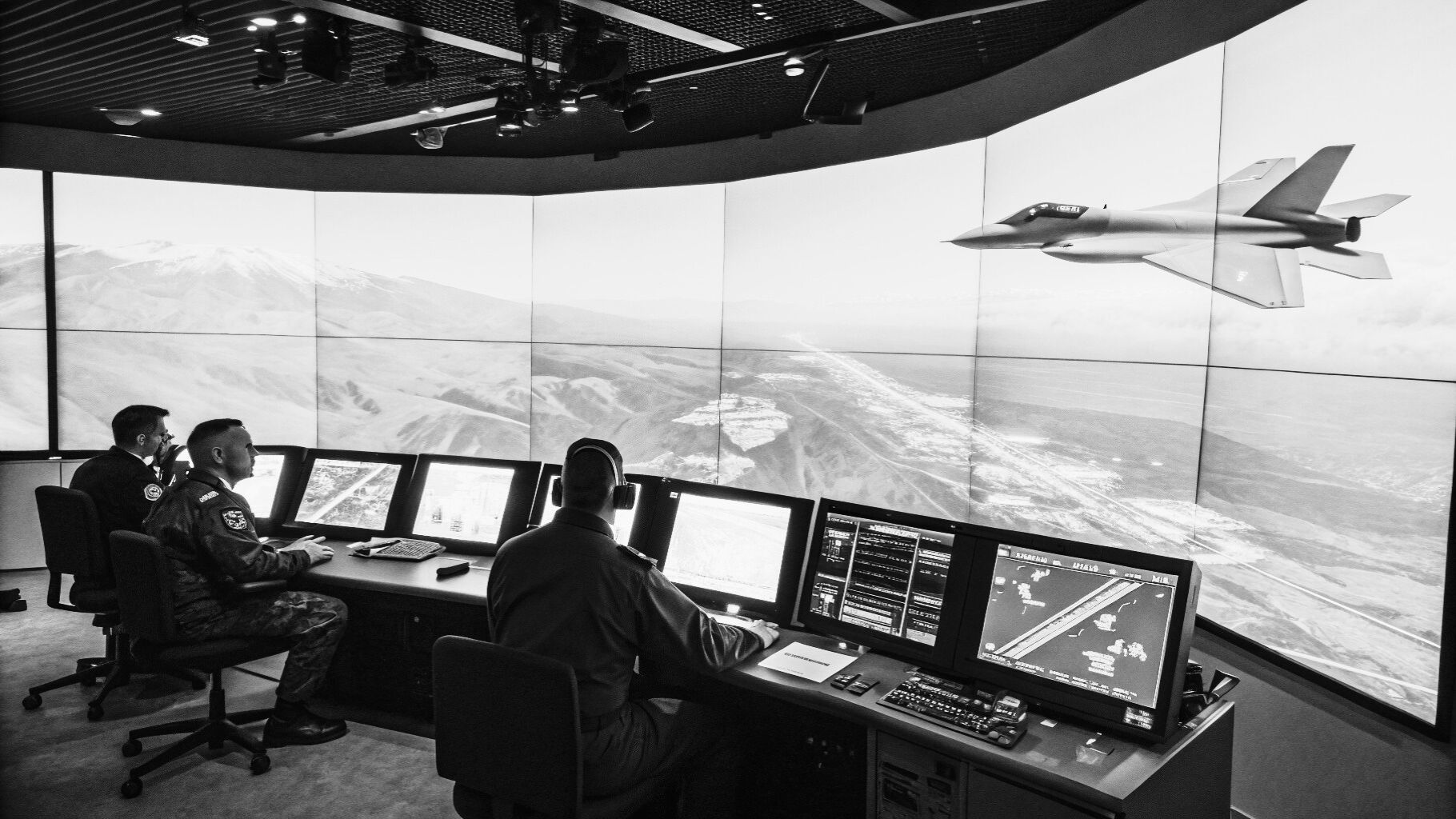
Hermes drones are operated through ground control stations where personnel oversee flight operations, sensors, and mission objectives.
The aircraft itself features significant autonomous functionality, including automatic takeoff, navigation, and landing.
The drones can carry multiple payload types such as electro-optical sensors, infrared cameras, radar systems, and electronic intelligence equipment, enabling broad-spectrum data collection across domains.
Strengths
A major strength of the Hermes family is endurance.
With flight durations ranging from 20 to over 30 hours, the drones can provide uninterrupted surveillance over operational areas for extended periods.
Their modular payload architecture also allows rapid adaptation for missions including reconnaissance, communications relay, border security, and maritime patrol.
Compared to manned aircraft, Hermes UAVs are also relatively cost-effective for sustained deployments.
Limitations
Despite their advantages, Hermes drones are not designed as stealth aircraft, leaving them vulnerable in contested airspace environments.
They also rely heavily on communication links with ground control stations, making them susceptible to electronic warfare and signal disruption.
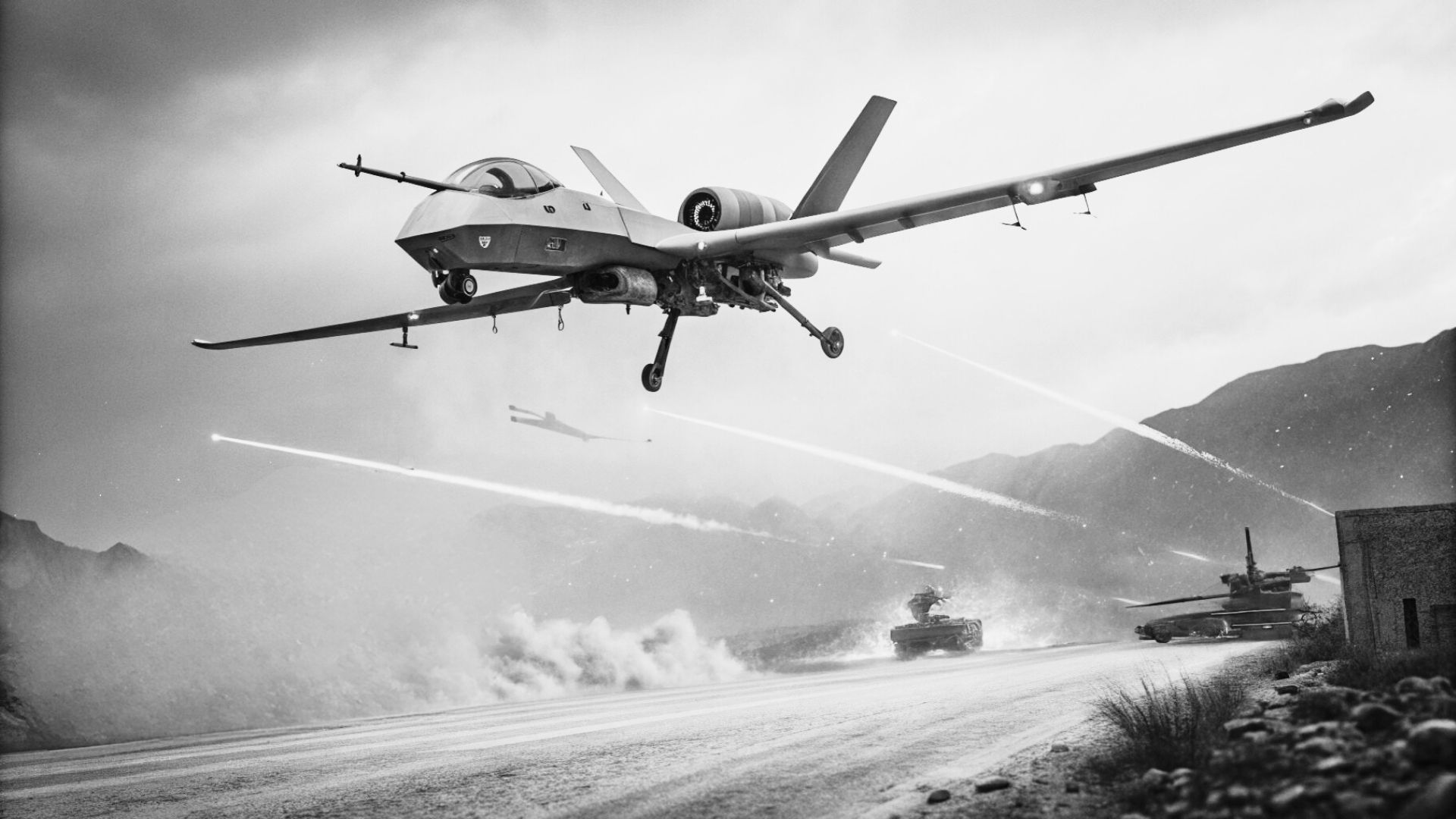
Although certain variants can carry precision-guided weapons, the Hermes family remains primarily optimized for surveillance rather than strike operations.
Global Use and Operational Role
Hermes drones are currently used by several countries, including Thailand, Brazil, Switzerland, Serbia, Singapore, and Philippines.
Israel has extensively deployed Hermes drones in the Gaza Strip for surveillance, intelligence gathering, and target tracking missions.
The United Kingdom employed the Watchkeeper WK450 in Afghanistan to support British troops with force protection, surveillance, and route monitoring operations.
Beyond military conflict zones, Hermes platforms have also been utilized for maritime security, disaster response, and border monitoring operations.
Controversies and Challenges
The Hermes family has faced both technical and political challenges over the years.
In Switzerland, procurement efforts encountered delays linked to certification processes, airspace integration requirements, and system modifications needed to comply with domestic regulations.
Meanwhile, Israel’s use of Hermes drones in conflict regions has attracted scrutiny from human rights organizations, particularly regarding surveillance practices and targeting operations.
Future Outlook
As military operations become increasingly data-centric, the Hermes family is expected to integrate more advanced sensors, satellite communications systems, and autonomous technologies.
Future developments may include AI-enabled analytics and deeper integration into networked multi-domain combat systems, further strengthening the drone’s operational value.
Although new UAV platforms continue to emerge globally, the Hermes series remains highly relevant due to its operational maturity, adaptability, and proven reliability—quietly continuing to influence the modern battlespace from above.