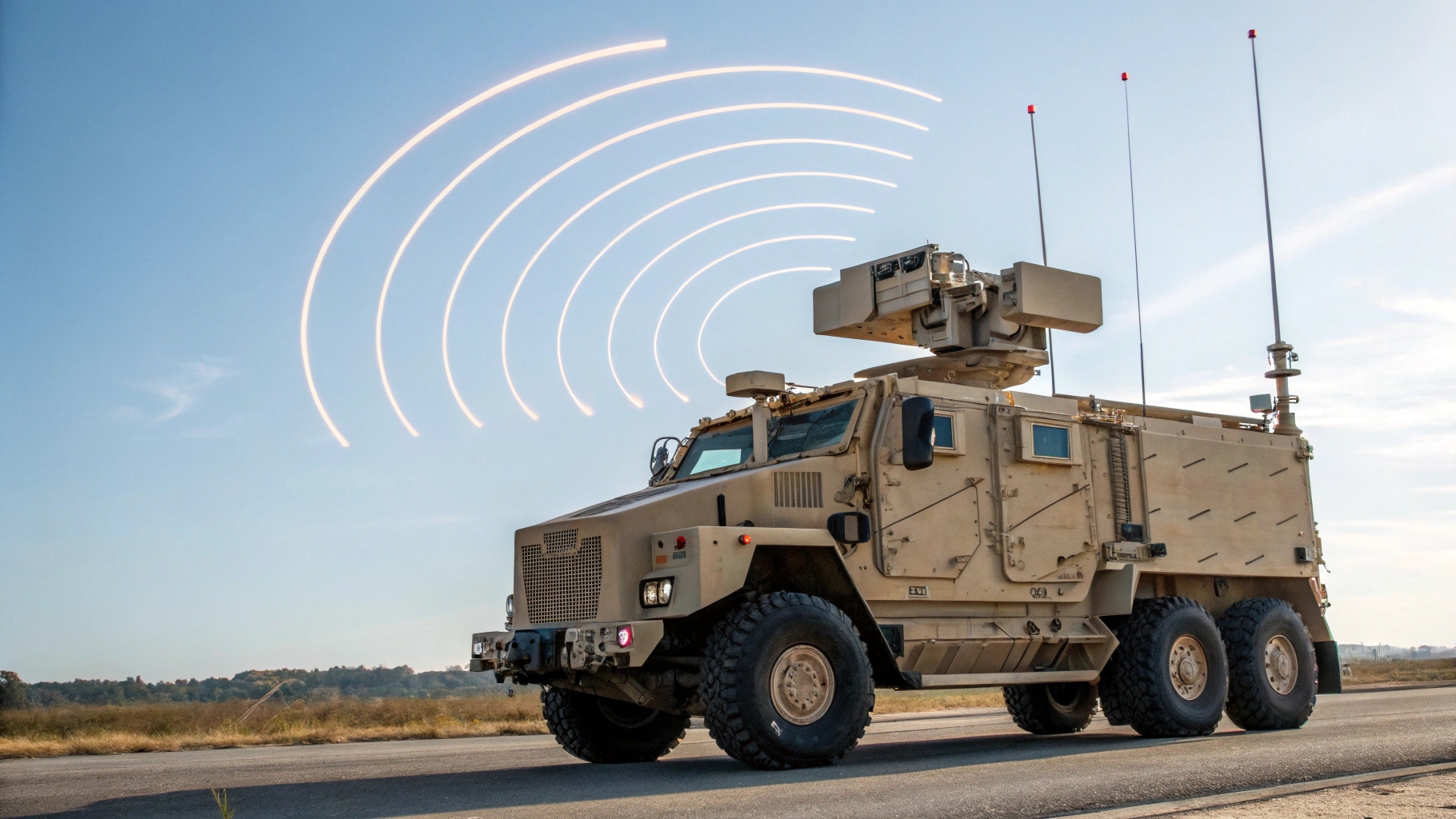
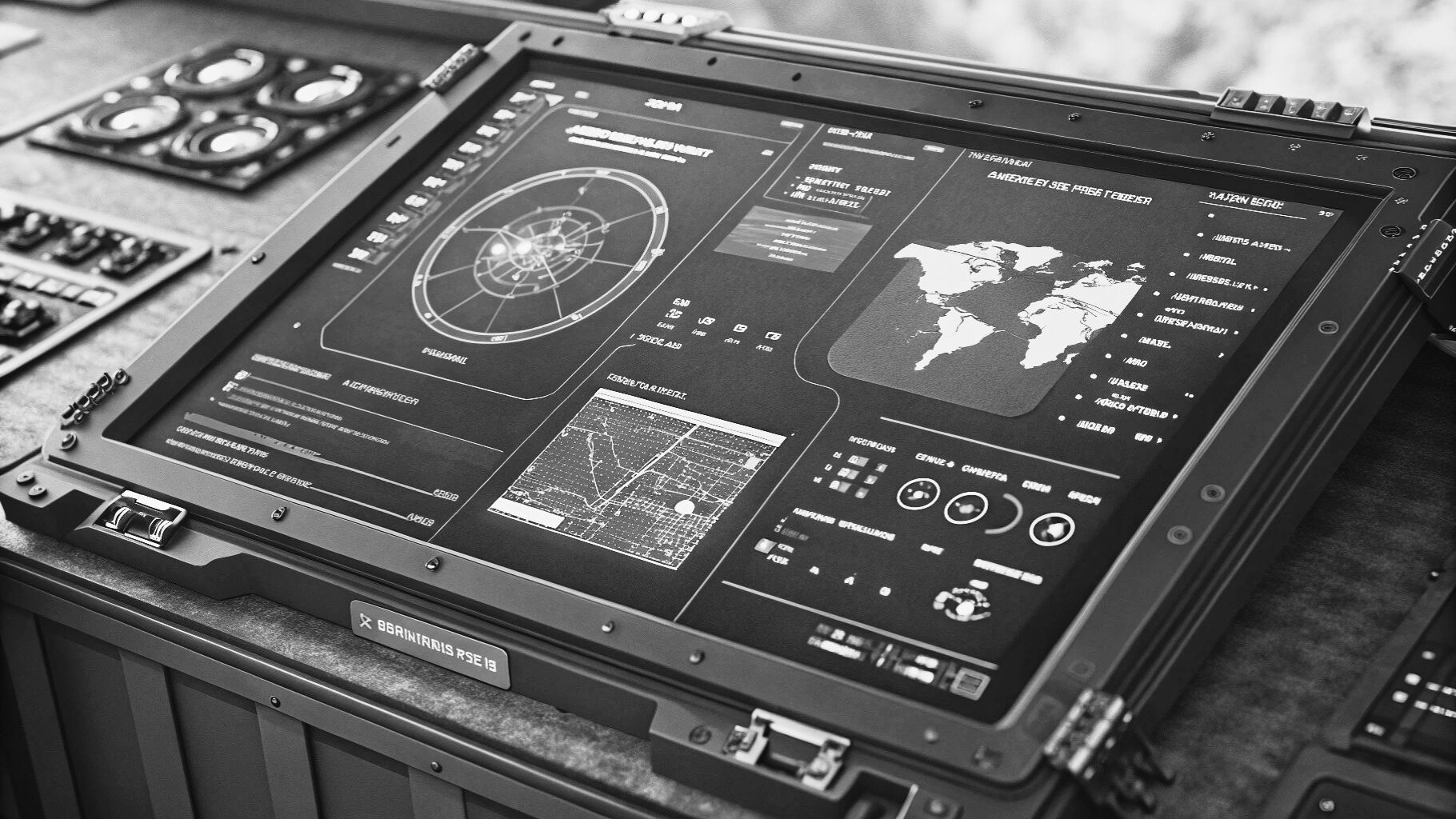
L3Harris has unveiled Wraith Shield, a software upgrade that transforms tactical radios into AI-enabled RF sensing systems capable of detecting small unmanned aerial threats.
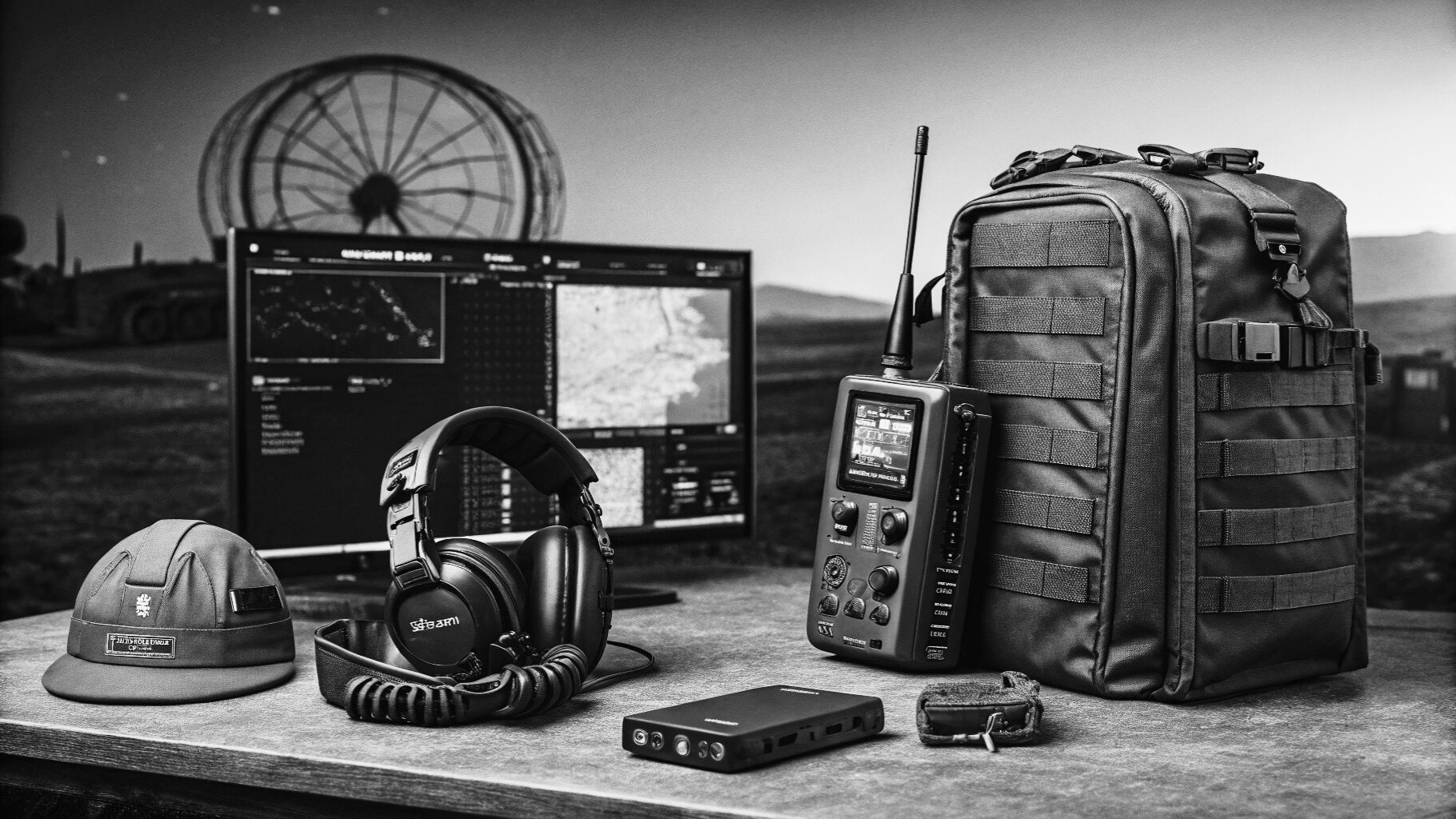
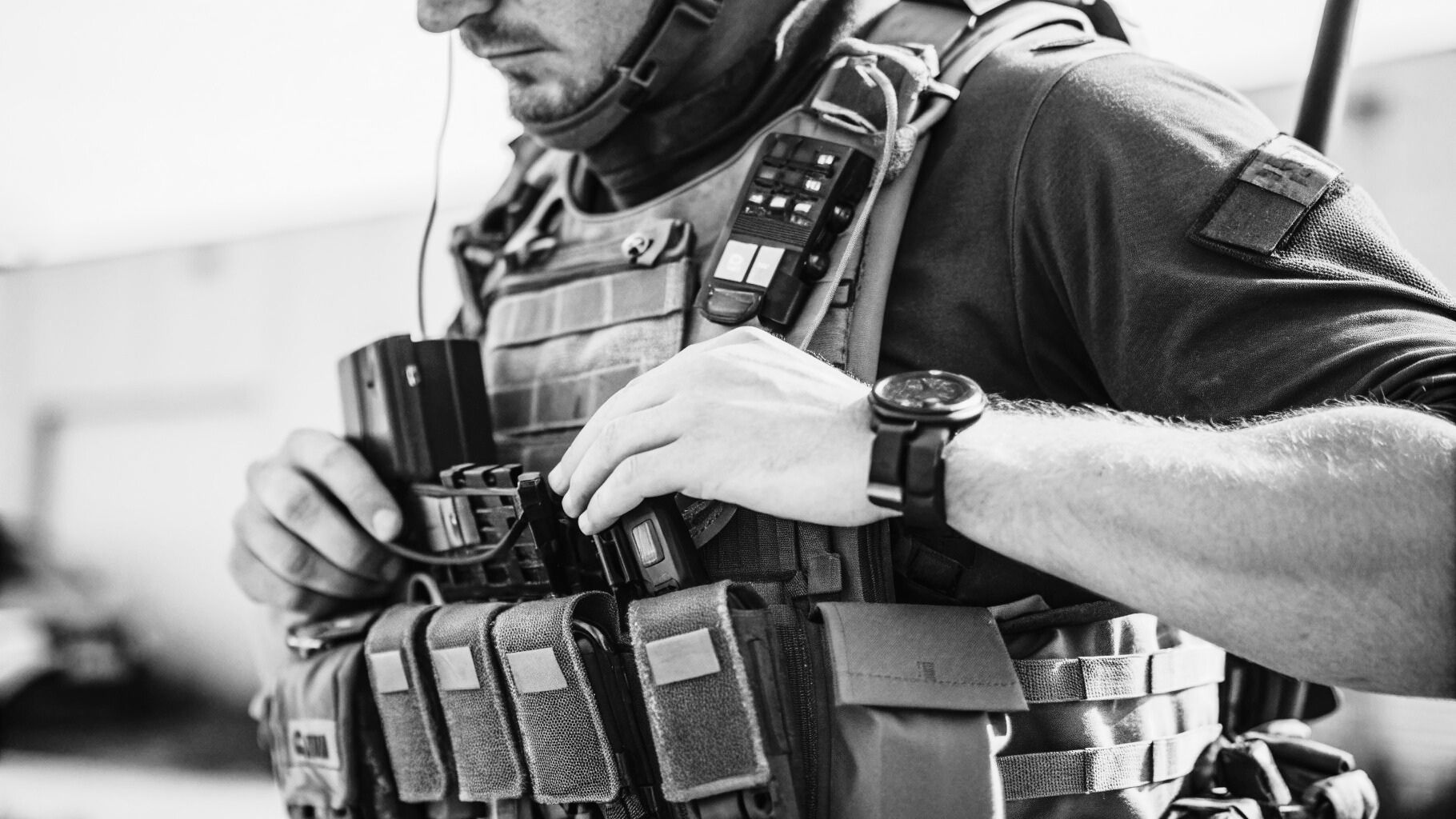
The new capability enhances existing communications equipment by embedding counter-drone detection functions directly into soldiers’ radios, effectively turning them into intelligent sensing nodes within a distributed battlefield network.
According to L3Harris Product Management Director Rob Mariuz, Wraith Shield is the first radio-based sensing solution designed to integrate with distributed data-sharing networks.
Under this concept, each connected radio contributes to a common operational picture by detecting and sharing RF activity, supporting layered counter-drone operations alongside systems such as VAMPIRE. The platform can also operate independently as a stand-alone detection capability.
Real-Time Threat Visualization
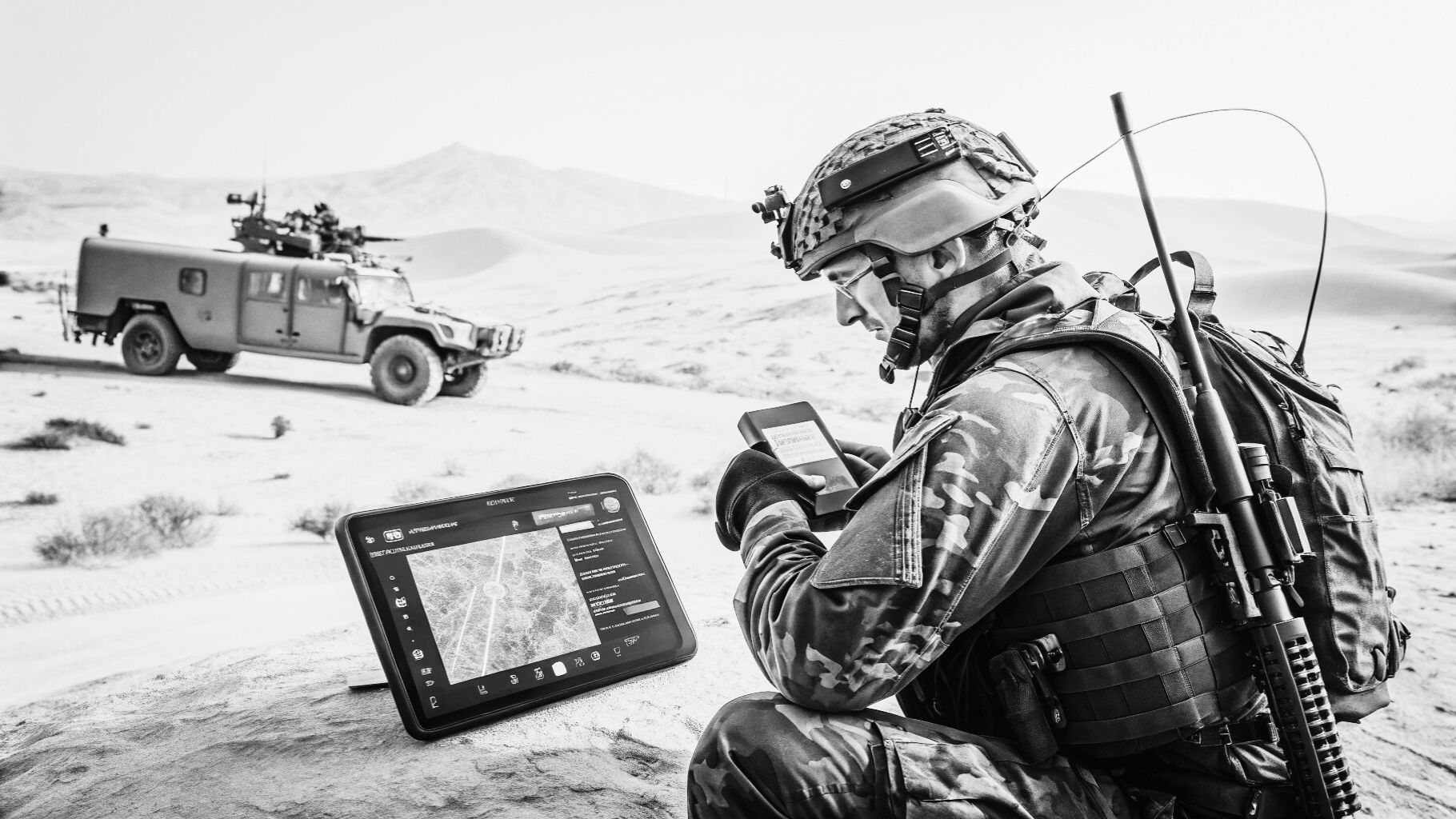
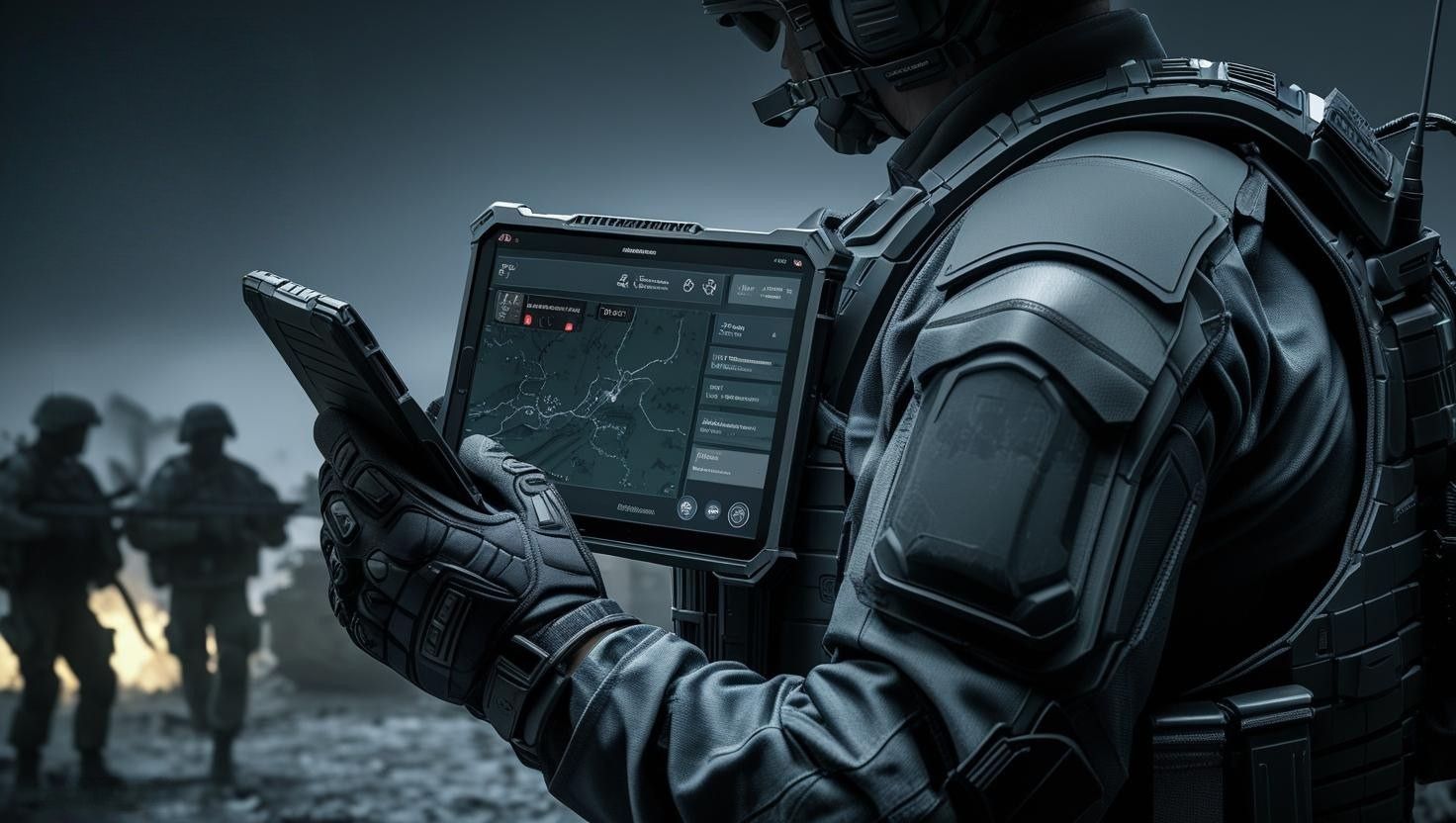
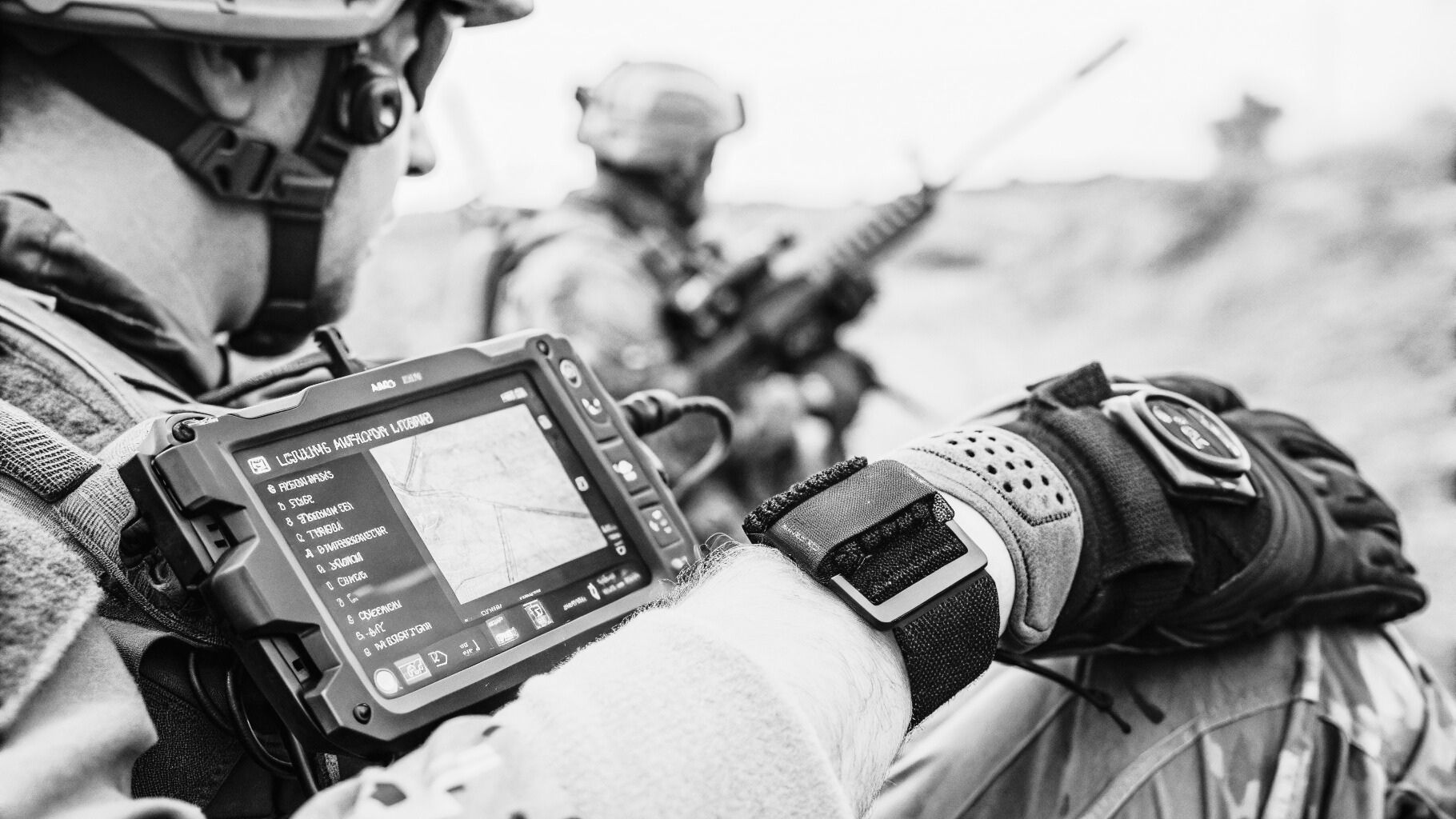
Wraith Shield incorporates visualization technology from DataShapes AI, enabling troops to identify potential threats across the electromagnetic spectrum surrounding their location.
Using the GlobalEdge platform, RF signals are converted into actionable intelligence directly at the tactical edge without relying on cloud computing or centralized processing infrastructure.
The software analyzes and classifies RF emissions from nearby connected devices and displays the information on end-user systems, allowing operators to rapidly detect and react to possible aerial threats.
Deployment Across Tactical Radio Networks
The capability will initially be integrated into the RF-9820S Compact Team Radio, while an embedded version for the RF-9820S-ER is expected later this year.
L3Harris also plans to offer Wraith Shield as a software upgrade for all radios compatible with the legacy Wraith system, potentially extending the capability to more than 100,000 fielded military radio units.