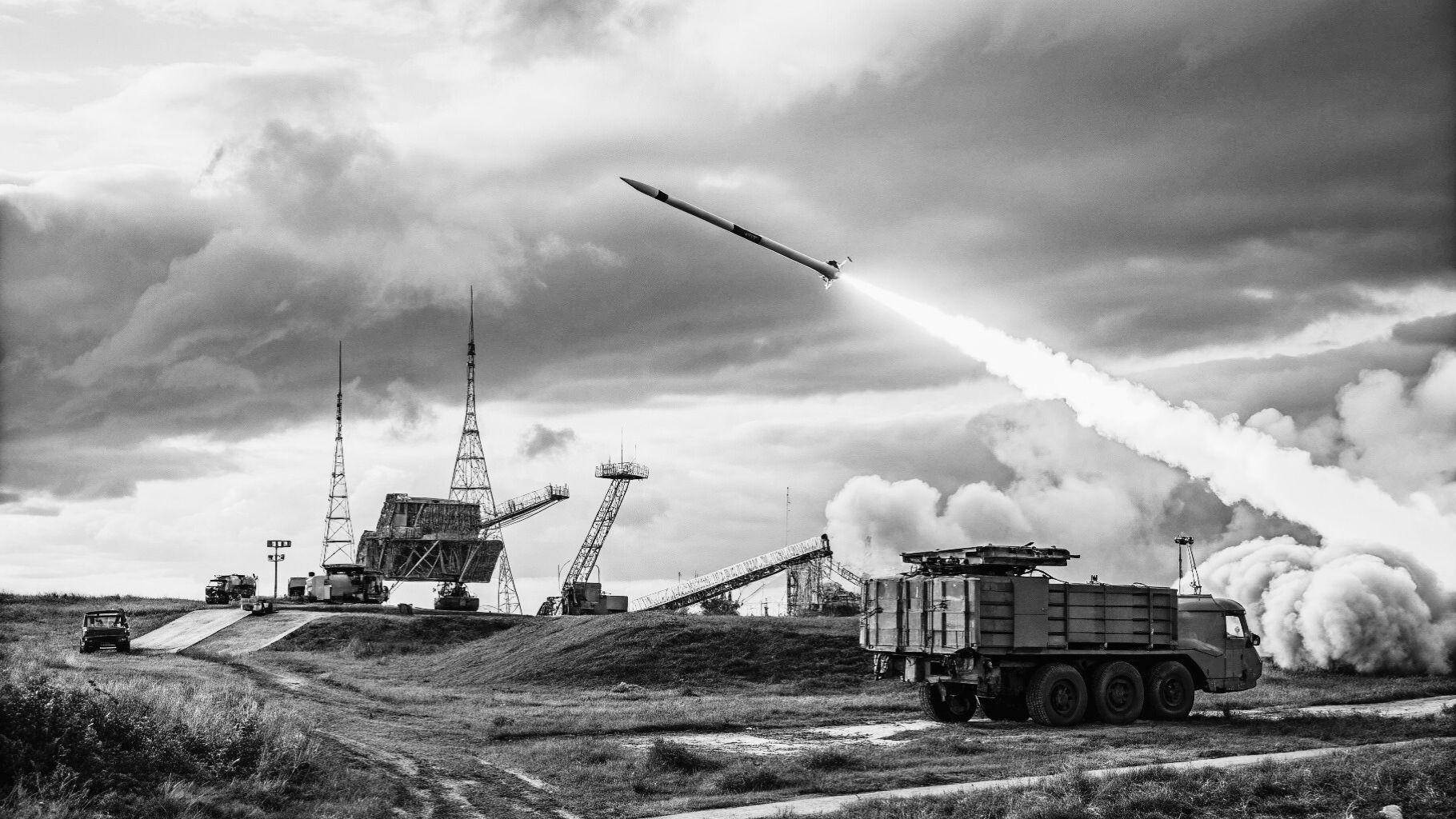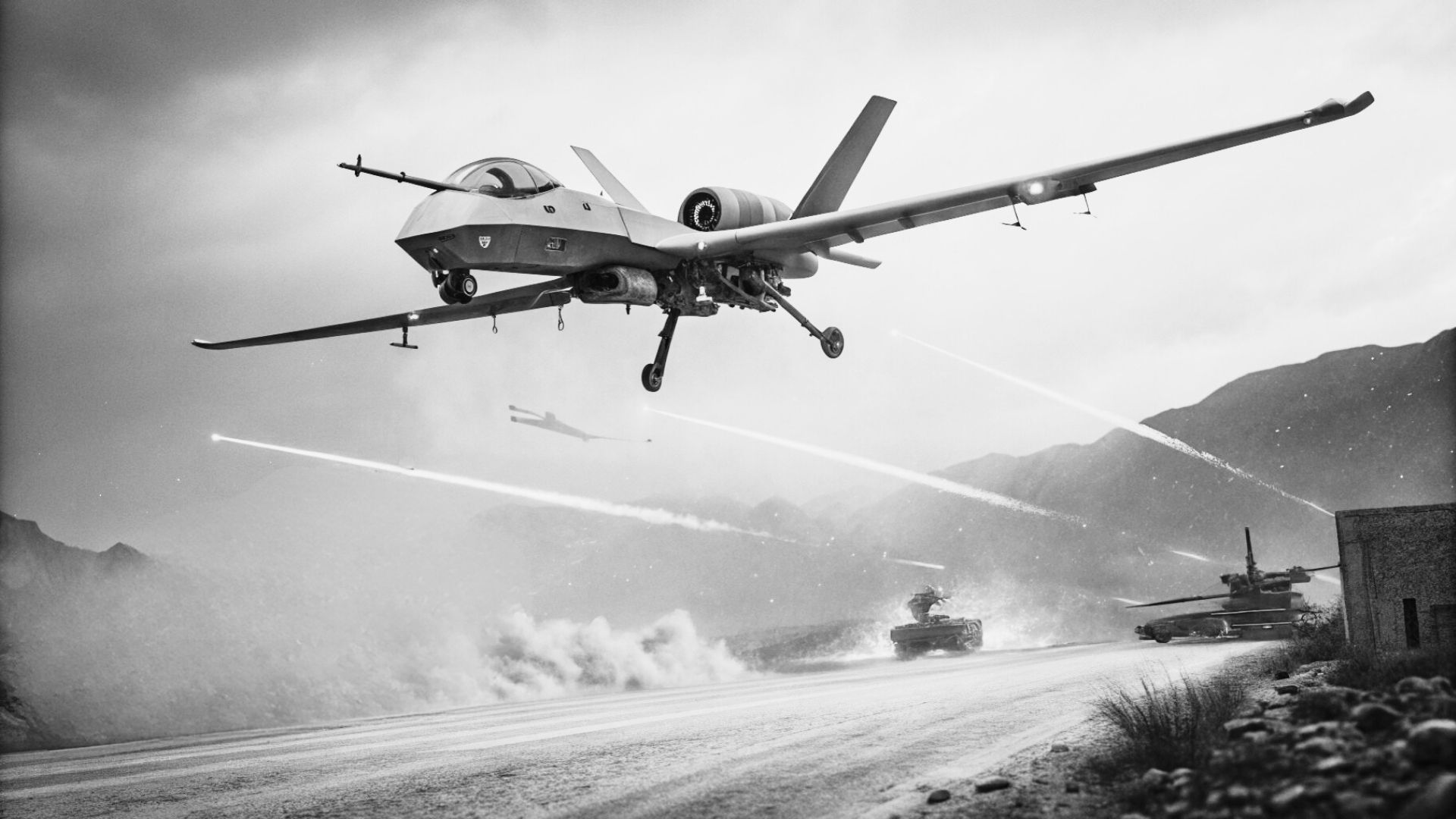

Under its ADITI 4.0 innovation framework, the Indian Army has set a bold technological goal: the development of a Ramjet-Powered Supersonic Loitering Munition System. This initiative signals a move toward next-generation strike capabilities capable of outpacing modern air defence systems while delivering rapid, high-impact precision attacks.
Contemporary conflicts increasingly hinge on the initial phase of warfare, where UAVs, loitering munitions, and small missiles degrade enemy air defences and target high-value assets. Most existing loitering systems are subsonic, making them vulnerable to interception by advanced air defence networks, electronic warfare, and counter-UAS measures.
To overcome these limitations, the Army is pursuing a supersonic loitering munition powered by a ramjet engine. Unlike conventional engines, ramjets achieve sustained high-speed flight by compressing incoming air without rotating components, allowing for supersonic operations. This significantly reduces enemy reaction time, boosting survivability and mission success.
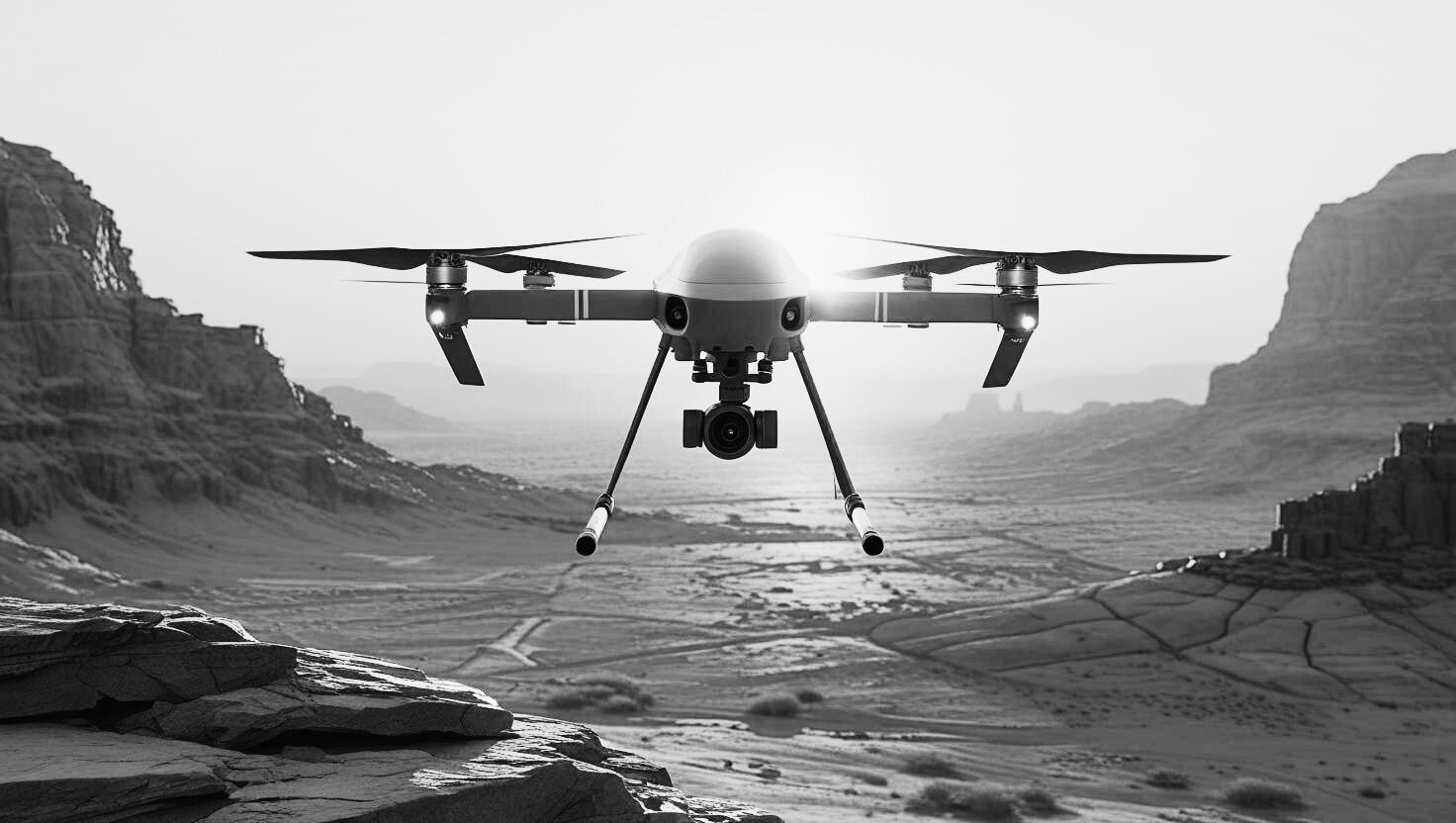
The system is designed to merge the endurance of loitering munitions with the speed and penetration of supersonic missiles. It will be able to patrol designated areas, detect and track targets, and execute rapid terminal strikes with minimal warning.
Development spans multiple advanced domains. Propulsion and aerodynamics focus on optimizing the ramjet and fuel systems for stable supersonic flight, while guidance, navigation, and control integrate advanced target recognition for autonomous or semi-autonomous engagement. Warhead and fuze design aim to maximize target neutralization, and materials engineering will manage thermal stresses during sustained high-speed operations.
Operationally, the platform targets time-sensitive, high-value threats such as mobile air defence systems, armored vehicles, and command nodes. Its speed and autonomous targeting capabilities make it particularly suited for SEAD and deep-strike missions.
The Army has set a clear milestone: the creation of three fully validated prototypes, emphasizing practical demonstration and readiness for operational deployment. If successful, this system could mark a major leap in India’s loitering munition capabilities, introducing a new class of high-speed, autonomous strike weapons, while supporting indigenous innovation in propulsion, autonomy, and precision strike technology.