The Indian Army has launched a next-generation battlefield modernization initiative with the release of a tender (TID: 54805218) for a Multi-Barrel Swarm Launcher System, marking a shift toward saturation-based warfare concepts. The program reflects a move away from reliance on high-value single munitions toward deploying large volumes of low-cost, networked systems designed to overwhelm advanced air defence networks.
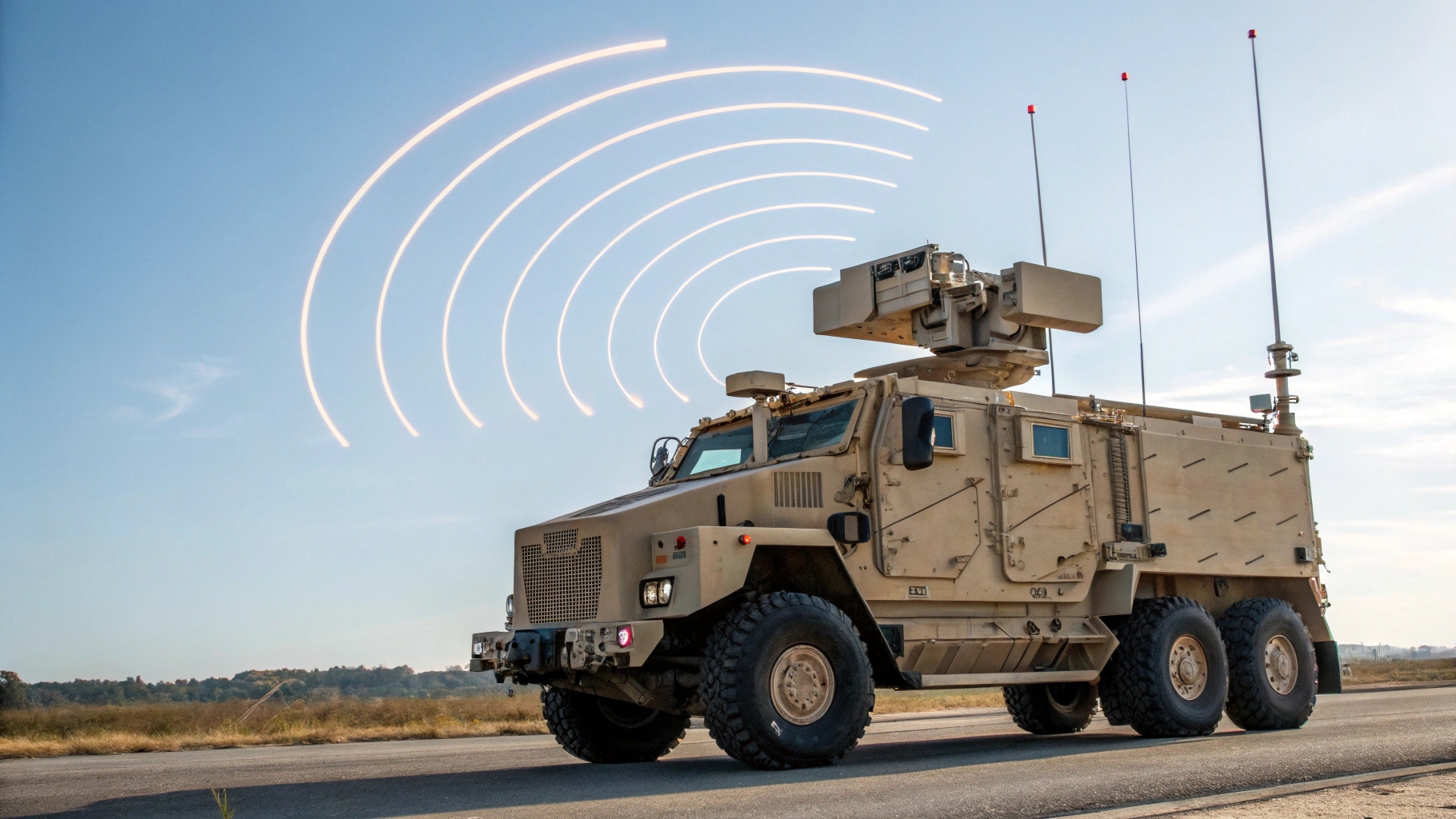
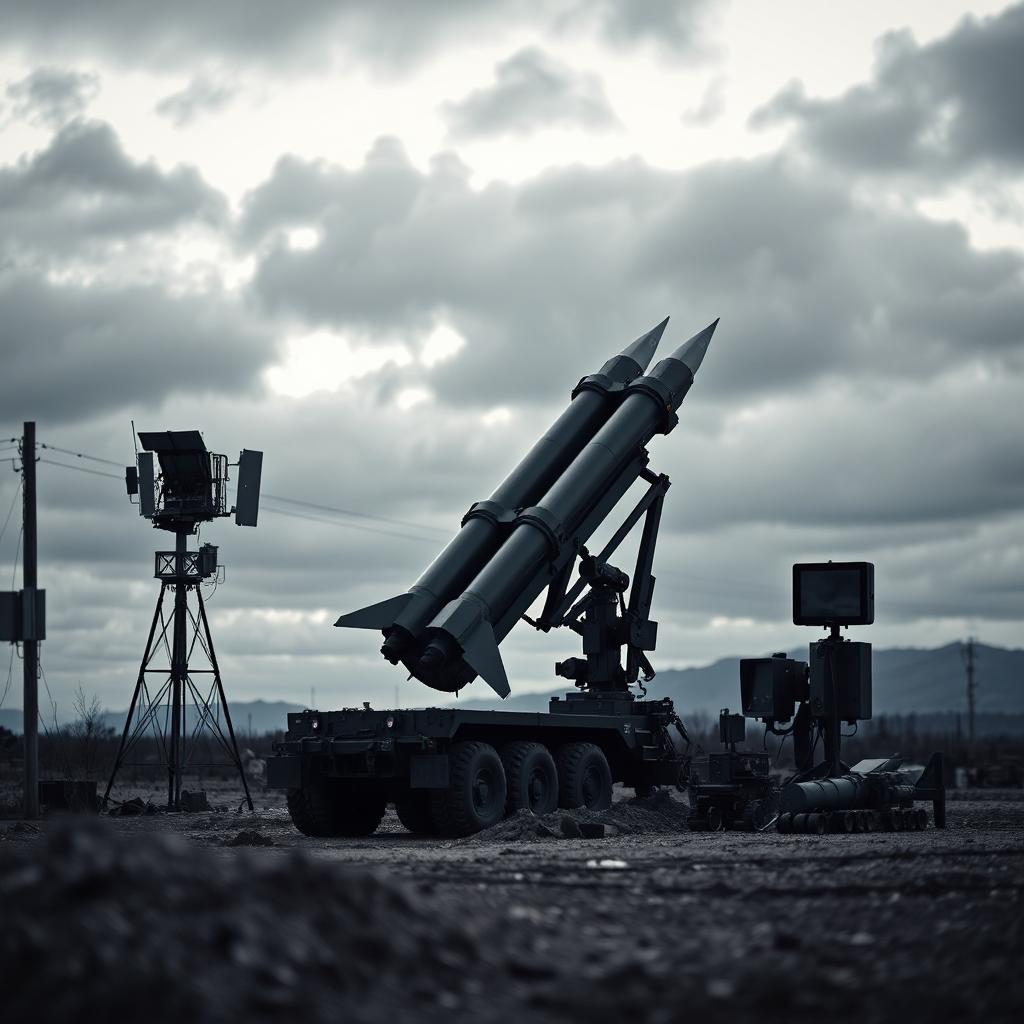
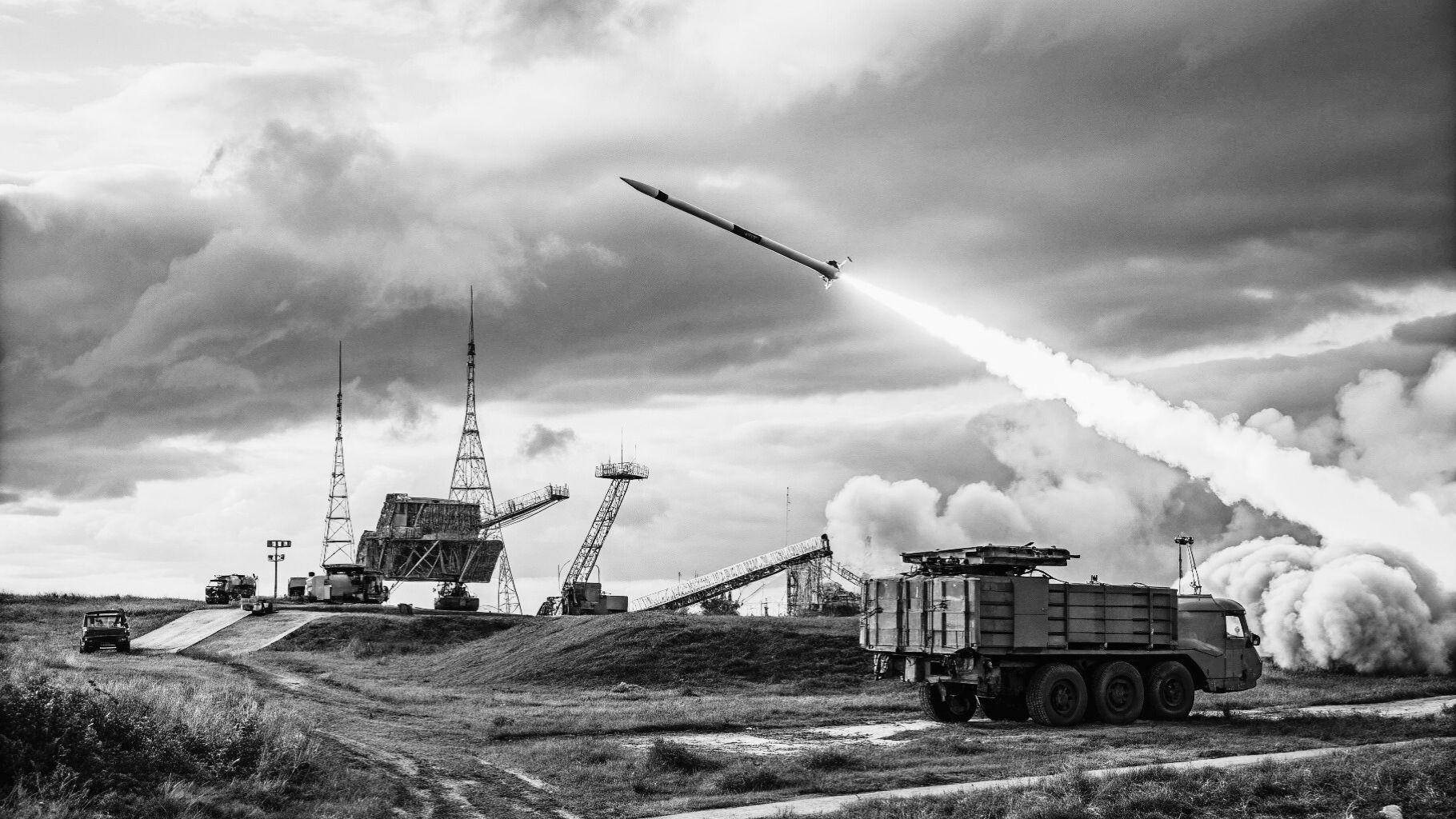
The proposed system is a vehicle-mounted launcher capable of rapidly deploying coordinated swarms of drones or miniature missiles. While detailed specifications remain undisclosed, it is expected to fire between 24 and 40 munitions per salvo, enabling high-density attacks that strain enemy defensive responses and improve penetration probability.
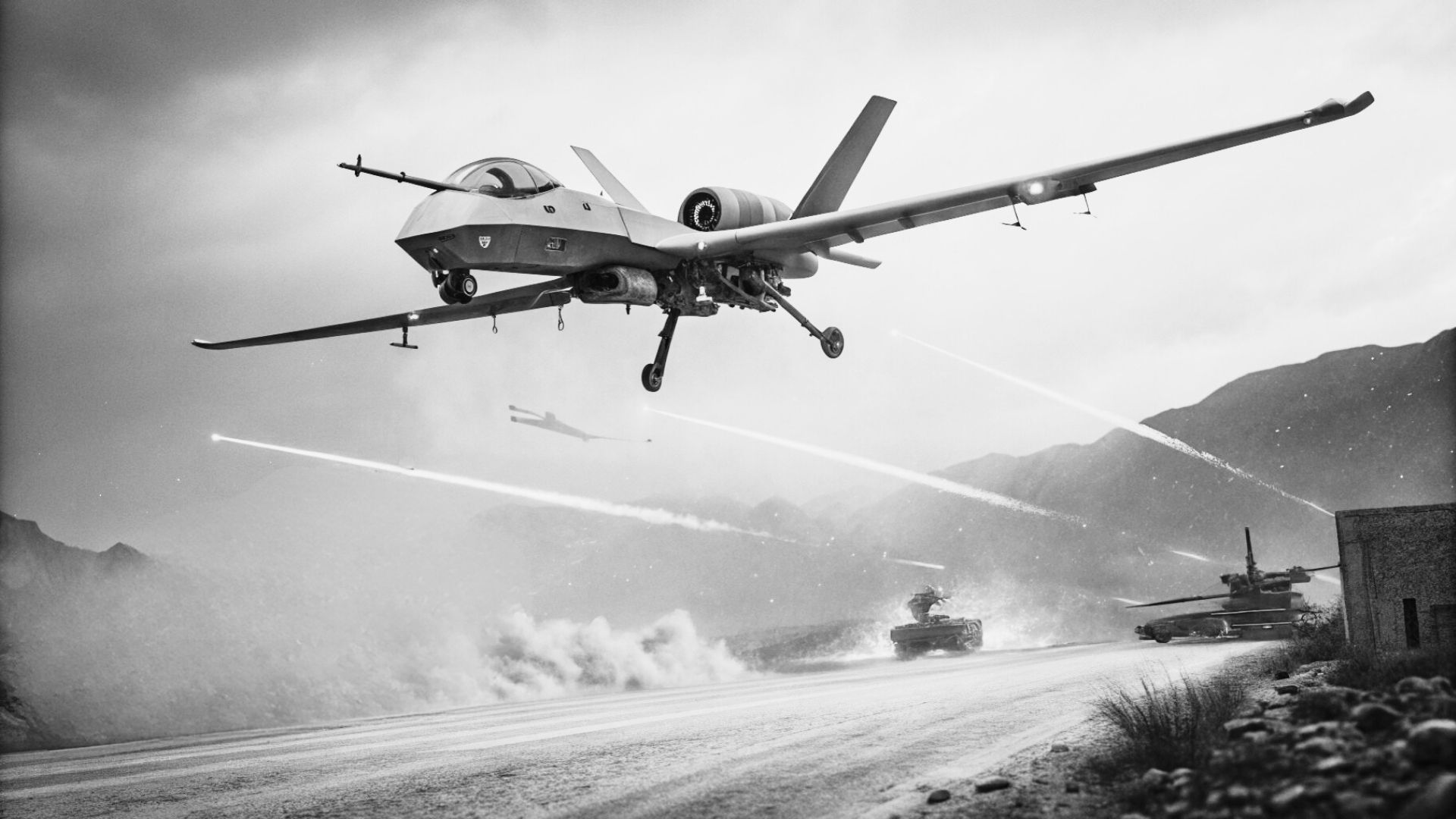
A key feature is its integration with Manned-Unmanned Teaming (MUM-T) frameworks, including India’s Combat Air Teaming System. Once deployed, swarm assets can be controlled by fighter aircraft such as the Su-30MKI or directed via ground-based command nodes, allowing real-time retasking based on evolving battlefield conditions.
The launcher is being developed as a universal platform capable of deploying both loitering munitions and miniature interceptor missiles, enabling dual-use roles for offensive strikes and counter-drone defence. A modular canister-based reload mechanism will allow rapid turnaround, with the system expected to prepare for subsequent launches within 15 minutes.
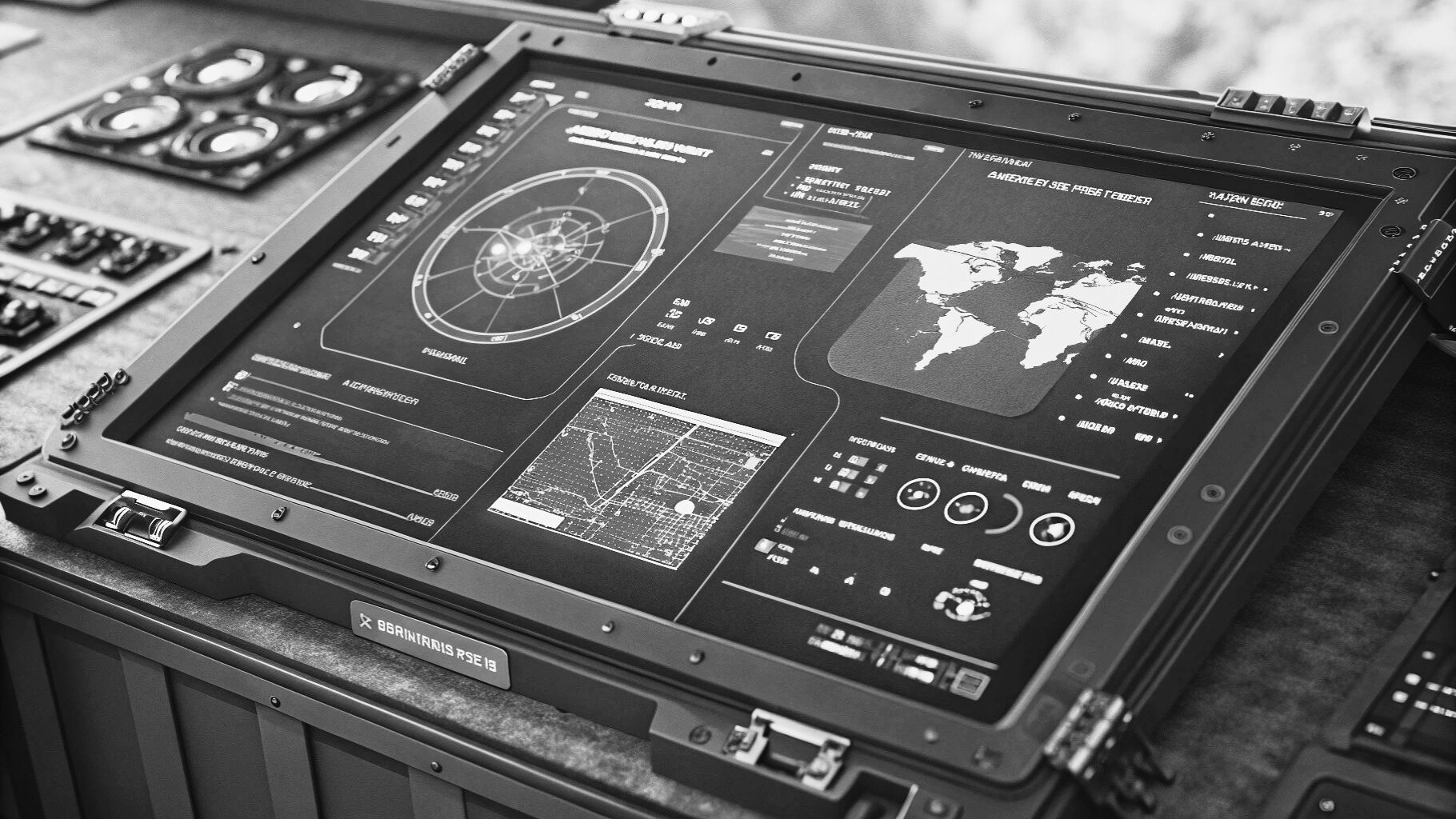
At its core is an advanced AI-enabled Ground Control Station featuring a master-slave architecture, allowing a single operator to manage entire swarms. Autonomous systems will handle coordination, collision avoidance, and target prioritization, reducing operator burden while increasing mission effectiveness.
Designed for forward deployment, the platform must maintain low acoustic and thermal signatures to reduce detectability, particularly against infrared-equipped reconnaissance systems. The program draws on lessons from recent conflicts, where traditional air defence systems have struggled against mass drone attacks, often resulting in high-cost interceptors being used against low-cost threats.
To address this, the system incorporates robust electronic warfare resistance, including anti-jamming and frequency-hopping communication links to ensure operational reliability in contested environments. With an initial development value of approximately ₹13.9 crore, the project is overseen by the Department of Military Affairs and linked to research hubs in Agra. Bid submissions are scheduled to close on April 14, 2026.