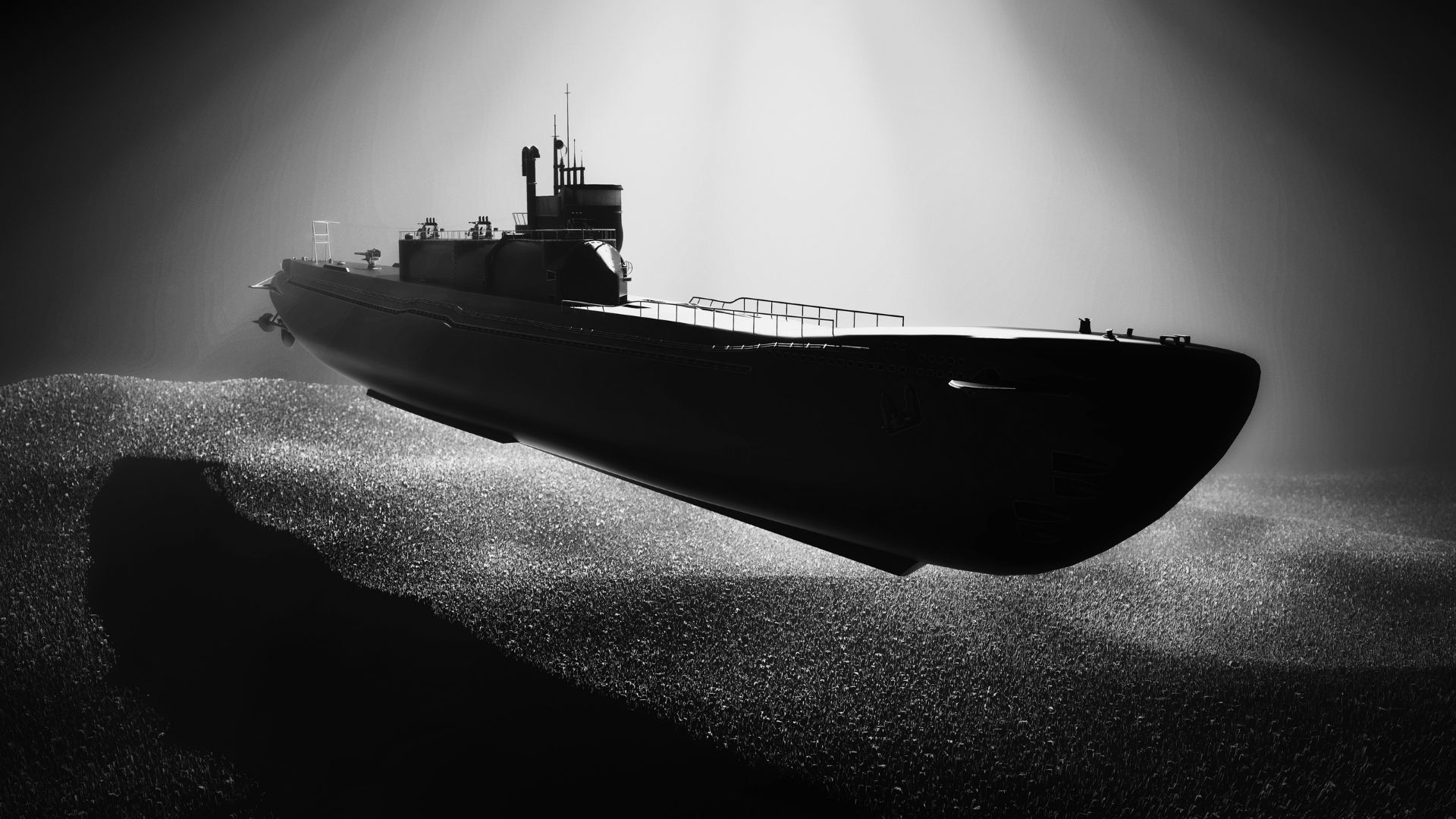
India’s nuclear submarine roadmap appears to be entering a pragmatic and strategically significant phase, as naval planners assess the feasibility of converting the S4-class SSBN platform into a nuclear-powered guided-missile submarine (SSGN), alongside the potential construction of new submarines based on the same baseline design. This approach is gaining traction within naval design circles as a cost-effective and time-efficient solution to address a critical capability gap while the indigenous Project-77 SSN program remains in its early stages.
The Project-77 initiative, aimed at developing nuclear-powered attack submarines, is not expected to achieve operational readiness until the mid-2030s. This delay limits India’s ability to deploy fast, offensive underwater platforms capable of escorting carrier groups and countering adversary submarines. In contrast, an SSGN derived from the existing S4 platform offers a near-term solution for deploying a powerful long-range strike asset without waiting for a new SSN design to mature.
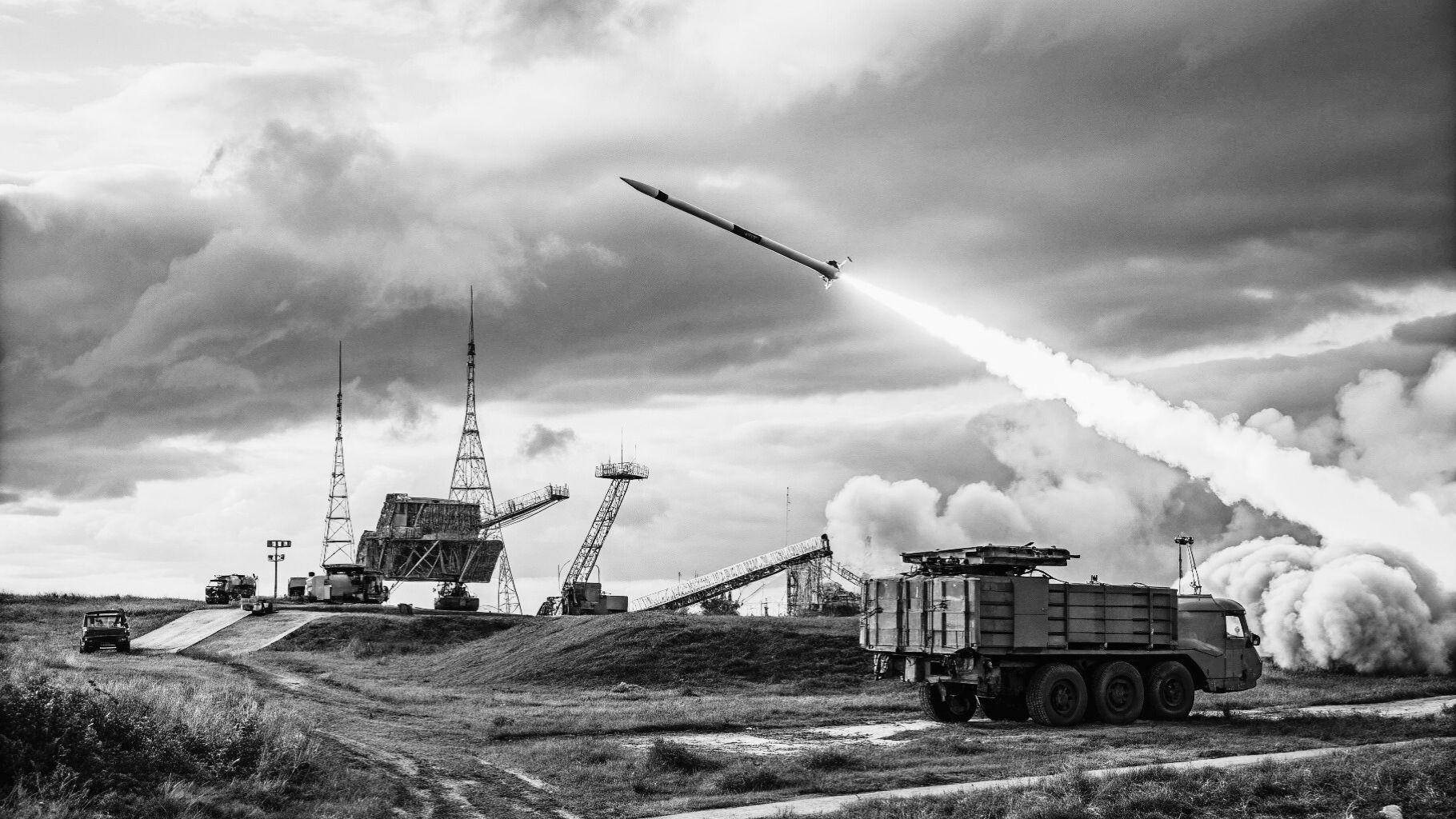
The S4-class submarine, equipped with an 83 MW pressurized water reactor, is already a proven platform within India’s SSBN fleet. The proposed SSGN variant would replace nuclear-capable K-4 ballistic missiles with long-range submarine-launched cruise missiles (SLCMs), such as the BrahMos-ER (~800 km range), the Nirbhay/ITCM (1,500–2,000 km range), and potentially future hypersonic cruise missile systems.
A major advantage lies in the adaptability of the S4’s vertical launch system. Originally designed to carry eight large ballistic missiles, each silo could be reconfigured to house multiple smaller cruise missiles—potentially three to four per silo—allowing a single submarine to deploy 24 to 32 precision-guided weapons. This would effectively transform the platform into a conventional “arsenal submarine,” capable of delivering large-scale precision strikes against both naval and land-based targets.
Operationally, such an SSGN would function as a stealthy long-range strike platform, capable of remaining submerged for extended durations while holding high-value targets at risk. Unlike SSBNs, which are dedicated to nuclear deterrence, SSGNs provide conventional strike options, enabling escalation control without involving strategic nuclear assets.
Historically, the Indian Navy has experience with this concept through INS Chakra, a leased Soviet Charlie-class SSGN inducted in 1988, which was designed for anti-ship cruise missile operations. This legacy provides a doctrinal foundation for reintroducing SSGNs in a modern context, particularly as naval competition intensifies in the Indo-Pacific region.
From an industrial perspective, leveraging the S4 platform offers significant advantages. With indigenous content already estimated at 75–80 percent, the transition to an SSGN configuration would primarily involve reconfiguring weapon systems rather than developing an entirely new hull, thereby reducing costs and timelines.
Reports suggest that the Warship Design Bureau is evaluating whether the fifth and sixth submarines in the S4 series could be built directly as SSGNs. If implemented, this approach would mirror the US Navy’s conversion of Ohio-class SSBNs into SSGNs, maximizing the utility of an existing platform while enhancing conventional strike capabilities.
Strategically, an S4-derived SSGN would strengthen India’s sea-denial posture by enabling stealthy, high-volume cruise missile strikes from underwater platforms. This capability would complicate adversary naval operations, particularly carrier strike groups in the Indian Ocean Region, while complementing India’s broader land- and air-based strike capabilities.