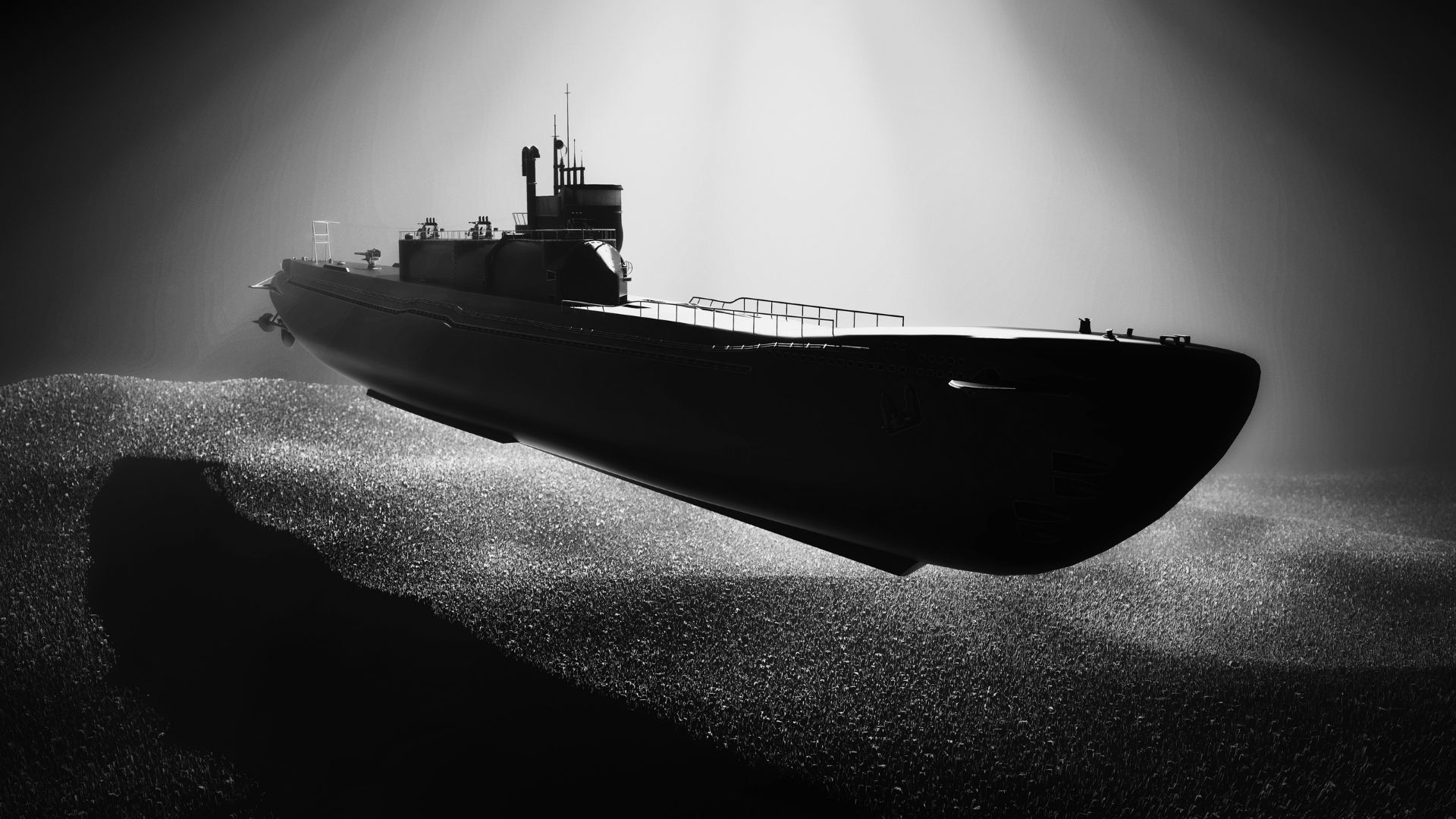
Modern naval warfare is not fought only above the waves; some of the most decisive battles take place silently beneath the ocean’s surface.
At the center of this hidden domain is the MK 48 torpedo, a heavyweight underwater weapon that equips submarines with the ability to detect, pursue, and destroy enemy targets with remarkable precision.
As maritime competition intensifies worldwide, the MK 48 remains one of the most important tools in undersea combat. Here’s a closer look at how it works and why it continues to play a critical role.
Overview of the MK 48 Torpedo
The MK 48 is a submarine-launched heavyweight torpedo that combines wire-guided control with active and passive acoustic homing systems.
Before launch, operators program a targeting solution, after which the torpedo’s onboard sensors detect, classify, and track hostile submarines or surface ships.
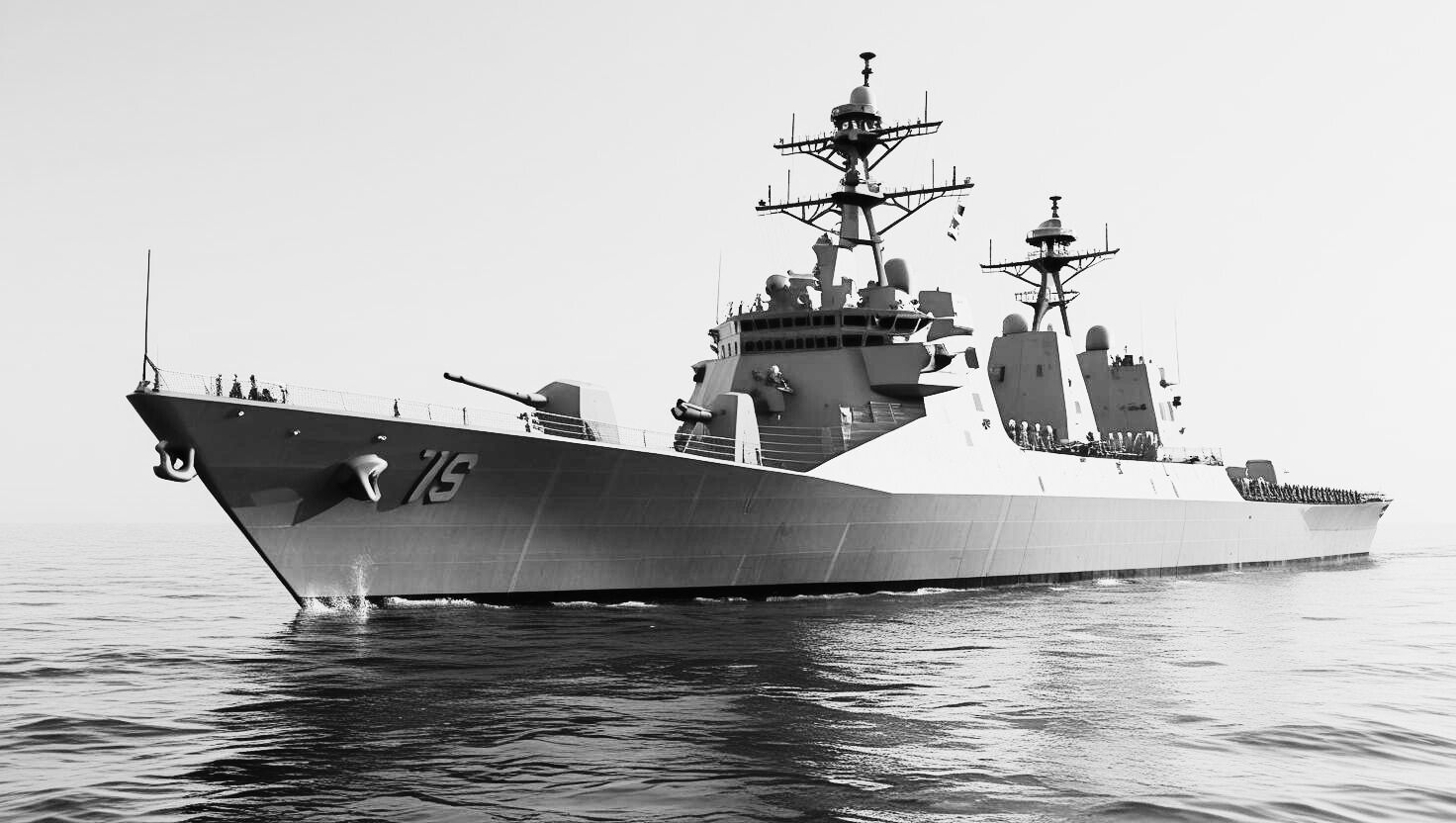
Unlike lightweight torpedoes designed mainly for defensive purposes, the MK 48 is intended for offensive operations against high-value naval assets. Its effectiveness was recently demonstrated when a single MK 48 reportedly sank the Iranian warship IRIS Dena.
Origins and Development
Developed during the Cold War, the MK 48 was created to provide US submarines with a long-range autonomous strike capability, replacing older torpedoes such as the MK 37.
Lockheed Martin and SAIC have continuously modernized the weapon over the decades. Advanced Capability (ADCAP) upgrades significantly improved sonar processing, guidance systems, and resistance to countermeasures, allowing the torpedo to remain effective against quieter submarines, decoys, and increasingly complex underwater environments.
MK 48 Mod Variants
The torpedo has undergone multiple modernization programs known as Mod upgrades, each improving the same core platform rather than replacing it entirely.
MK 48 Mod 4: Improved reliability and acoustic homing compared to earlier Cold War configurations.
MK 48 Mod 5 (ADCAP): Introduced major advances in signal processing, target discrimination, and effectiveness against quieter submarines and decoys.
MK 48 Mod 6: Enhanced guidance software, sonar processing, and counter-countermeasure performance.
MK 48 Mod 7: The latest version, featuring improved autonomous tracking, fire-control integration, and modernized guidance systems.
How the MK 48 Operates
After launch from a submarine torpedo tube, the MK 48 enters a low-noise transit phase, traveling toward the target area while minimizing its acoustic signature to avoid detection.
During mid-course guidance, the torpedo uses a hybrid control system. Wire guidance enables the launching submarine to transmit updates, while onboard active and passive sonar systems independently search for and track targets. This allows the weapon to dynamically adjust to changing conditions underwater.
In the final engagement stage, the torpedo shifts to fully autonomous operation. High-resolution acoustic tracking enables it to maintain lock on maneuvering targets, even in the presence of evasive tactics and countermeasures, before delivering a precise strike.
Key Features
Capable of speeds exceeding 55 knots (63 mph/102 km/h).
Supports real-time targeting updates from the launching submarine.
Uses advanced active and passive sonar for target detection and classification.
Designed for deep-water operations against submarines and surface ships.
Equipped with a powerful warhead capable of inflicting catastrophic structural damage.
Strengths
Highly accurate against moving naval targets.
Effective against both submarines and surface combatants.
Flexible guidance through real-time wire-link updates.
Combat-proven reliability backed by decades of operational service.
Limitations
Restricted to submarine launch platforms.
Advanced decoys and quieting technologies can complicate tracking.
Limited operational endurance once launched.
Operational Use
The MK 48 serves as the primary anti-submarine and anti-ship weapon aboard US Navy Los Angeles, Seawolf, and Virginia-class attack submarines.
It is widely used in deterrence patrols, sea-control missions, and high-intensity naval warfare scenarios where stealth and first-strike capability are essential.
The torpedo has also become a benchmark system for NATO and allied navies, influencing heavyweight torpedo designs worldwide.
Future Outlook
As undersea warfare becomes increasingly competitive, the MK 48 continues to receive upgrades in guidance, signal processing, and countermeasure resistance.
Future developments are expected to introduce greater autonomy and smarter target recognition capabilities.
Despite these advancements, its core purpose remains the same: giving submarines a stealthy long-range strike weapon capable of neutralizing threats before they can react.