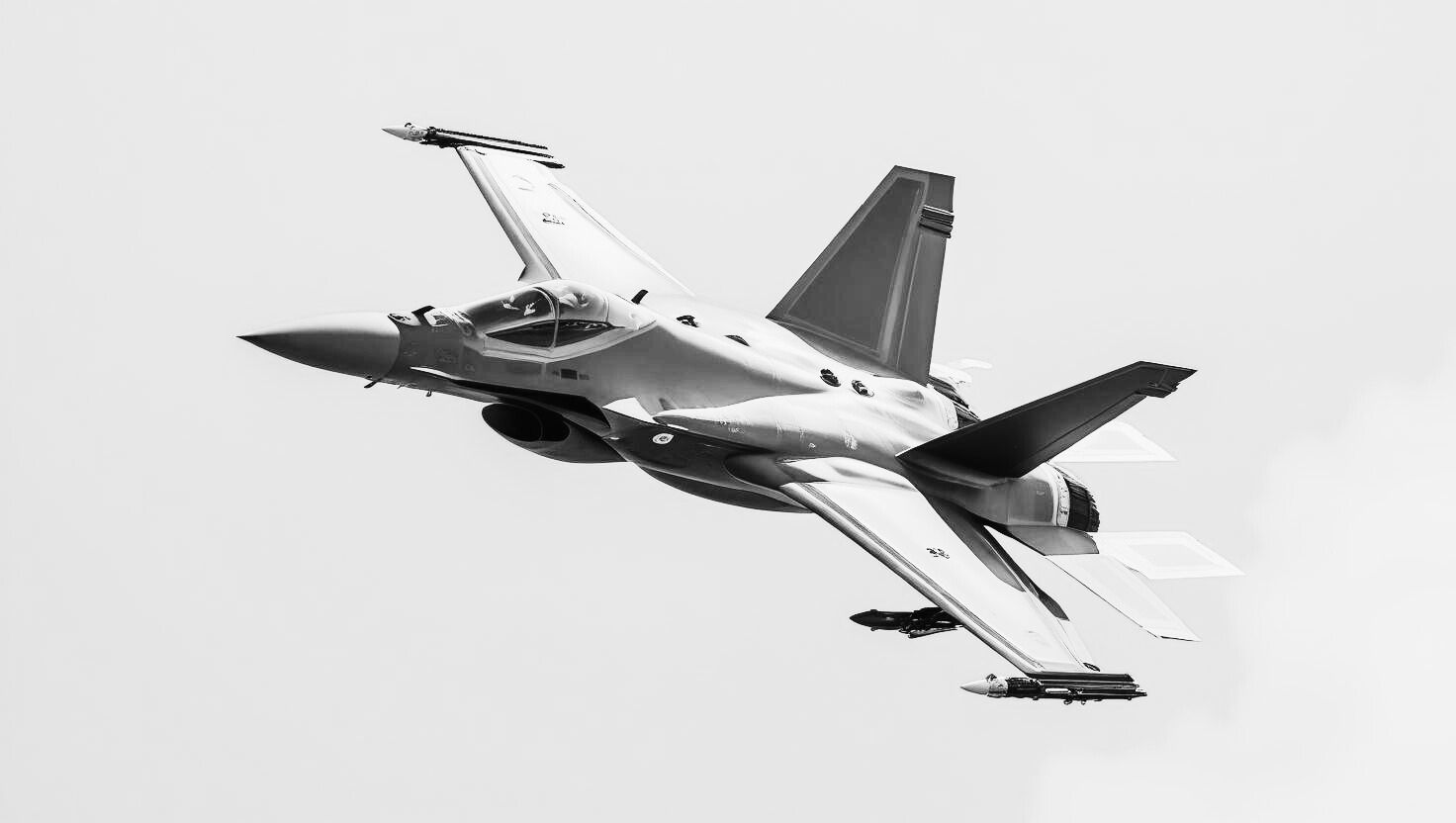
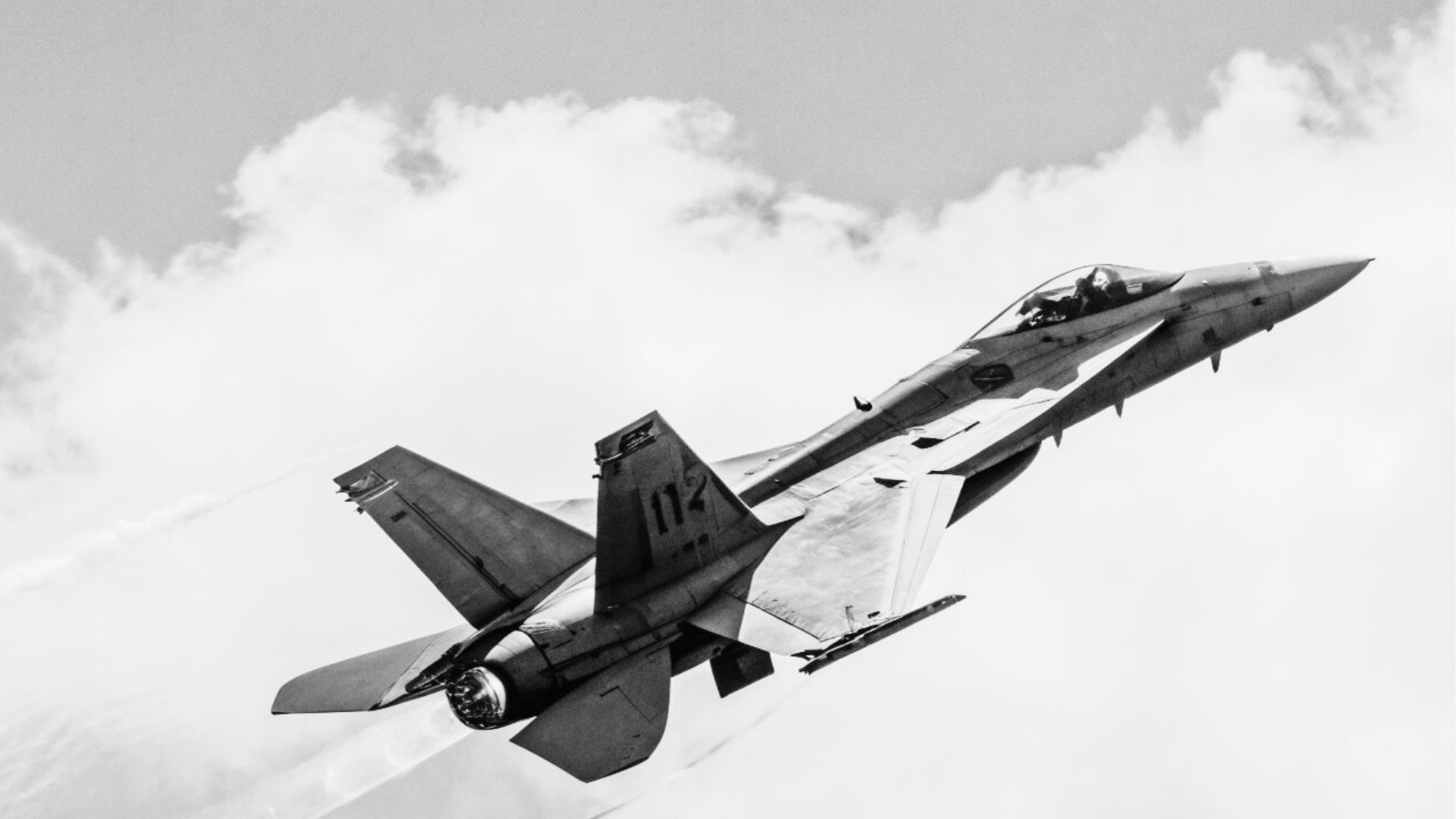
The delivery schedule for the HAL Tejas Mk1A fighter aircraft manufactured by Hindustan Aeronautics Limited may face further delays beyond June, according to a Business Standard report citing defence sources familiar with the matter. The issue has reportedly prompted discussions between the Indian Air Force, HAL, and the Ministry of Defence regarding the aircraft’s operational readiness and the possibility of inducting the jets with limited concessions on certain non-critical systems during the early phase of service entry.
According to the report, the IAF is willing to consider accepting the Tejas Mk1A even if some secondary capabilities are not fully matured at the time of delivery, provided the fighter retains its core combat effectiveness in areas such as weapons deployment, sensor performance, and electronic warfare capability. Any such arrangement, however, may require contractual amendments under the authority of the Ministry of Defence.
The report noted that the IAF’s primary focus is ensuring the aircraft remain combat-ready and survivable from the moment they enter operational service. Certain advanced functions, particularly related to automation and electronic warfare management, could potentially be refined after induction begins. A defence source cited in the report suggested that if the electronic warfare suite is available but lacks complete automation standards, pilots may temporarily manage some functions manually, similar to practices followed with earlier fighter generations.
The flexibility reportedly being considered by the IAF reflects the urgency of addressing declining squadron strength within the force. The Tejas Mk1A program is regarded as one of India’s most important indigenous fighter acquisition efforts. HAL secured a major contract in 2021 for the supply of 83 Tejas Mk1A aircraft, with deliveries initially planned for early 2024 before experiencing repeated delays.
The report also indicated that HAL had previously sought limited relaxations in meeting certain Air Staff Quality Requirements (ASQRs) to accelerate deliveries. ASQRs define the mandatory technical and operational benchmarks defence equipment must satisfy before entering service, covering areas such as avionics, radar systems, weapons integration, maintainability, electronic warfare capability, and mission performance.
The Tejas Mk1A represents an upgraded version of India’s Light Combat Aircraft program and includes major enhancements over the earlier Mk1 configuration. These upgrades include an Active Electronically Scanned Array (AESA) radar, an advanced electronic warfare suite, beyond-visual-range missile capability, improved maintainability, enhanced digital flight systems, and greater operational flexibility. The aircraft is expected to become a key element of the IAF’s future combat fleet while supporting India’s broader defence indigenisation goals under the Atmanirbhar Bharat initiative.
Program delays have also been linked to supply chain challenges, particularly late deliveries of the GE F404-IN20 engines from GE Aerospace. The engine supply disruptions have affected HAL’s production timeline and contributed significantly to uncertainty surrounding the delivery schedule.