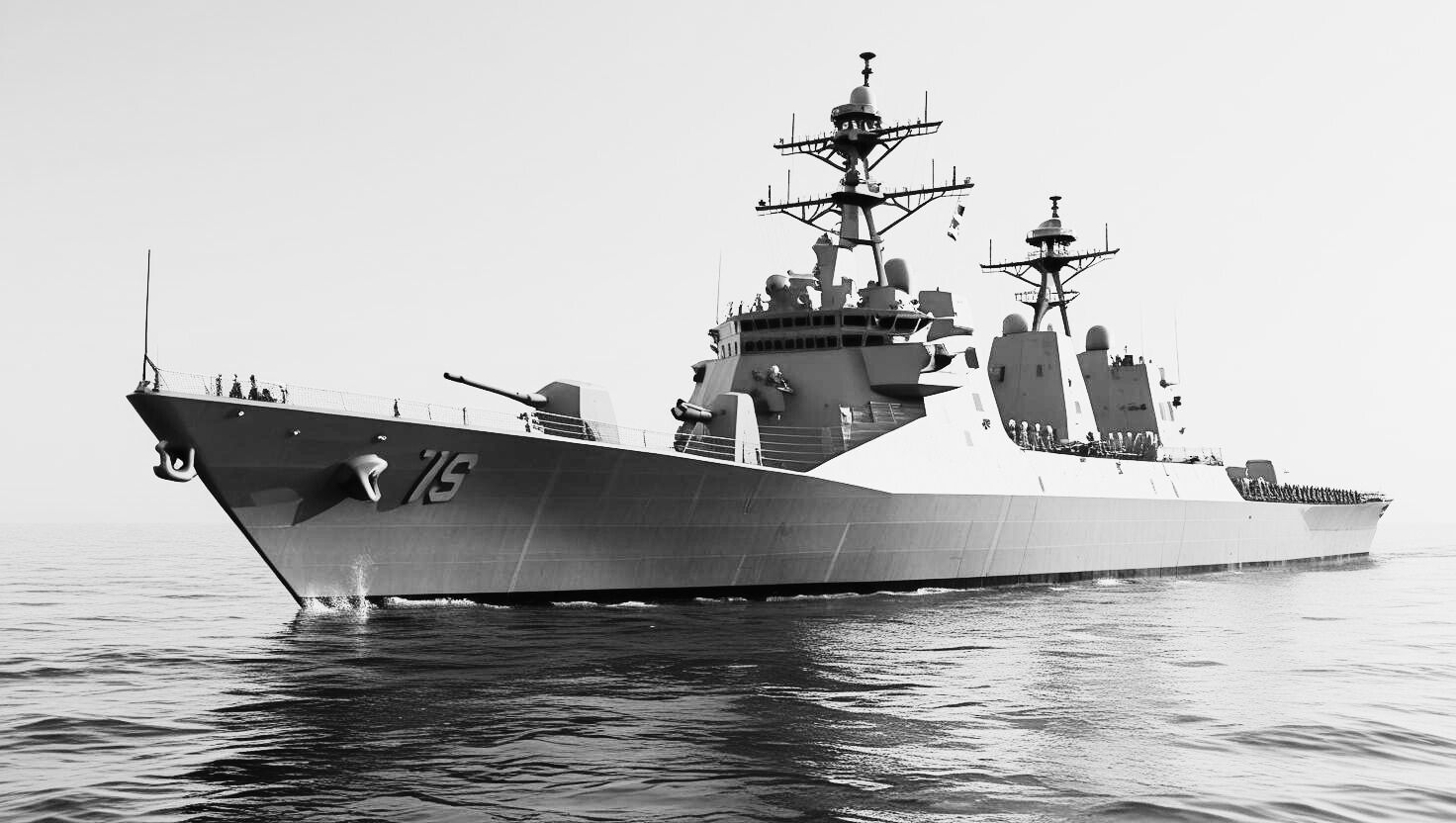
India’s sea-based nuclear deterrent has entered a more advanced stage with the reported commissioning of INS Aridhaman (S4) on April 3, 2026, alongside rapid progress on its successor, the S4* (commonly referred to as “S4 Star”). According to sources, this upcoming fourth SSBN is expected to achieve up to 90% indigenous content—the highest level of localization in India’s nuclear submarine program so far. This milestone represents not just incremental progress, but a significant structural advancement in India’s capacity to design, manufacture, and sustain strategic platforms domestically.
The Arihant-class program has demonstrated steady growth in indigenous capability. INS Arihant (S2), commissioned in 2016, featured around 70% indigenous content, combining imported and domestic systems. This increased to approximately 75% with INS Arighaat (S3) in 2024, and further to about 85% with INS Aridhaman (S4). The upcoming S4* is expected to elevate this trend to near-complete self-reliance, with indigenous content estimated between 85% and 90%.
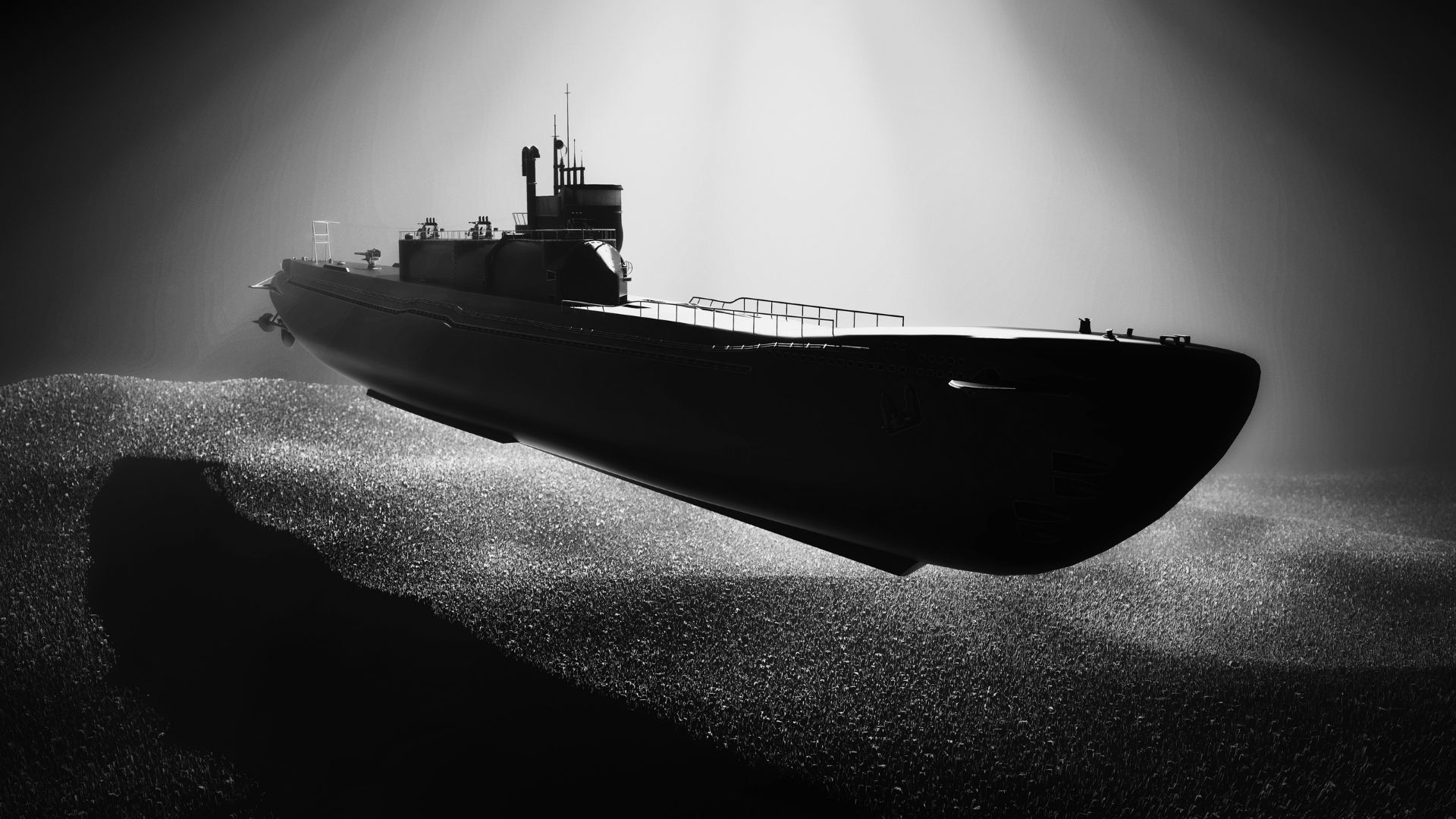
Unlike earlier variants, the S4* represents a stretched version of the Arihant-class design, suggesting increased displacement and enhanced missile capacity. The submarine reportedly entered sea trials in late 2025 and is expected to be inducted by 2027. Its advancements are not limited to size but extend to key technological improvements. Notably, the introduction of an X-shaped tail rudder enhances maneuverability and hydrodynamic efficiency, particularly at low speeds—an essential factor for stealth operations.
Equally important is the improvement in acoustic performance. The S4* is expected to feature a significantly quieter propulsion system, improving survivability by reducing detectability during deterrence patrols. Enhancements in noise reduction, vibration isolation, and hull design indicate that India is narrowing the technological gap with established submarine-building nations.
The increase in indigenous content is supported by the growing maturity of India’s defense industrial base. More than 200 domestic MSMEs are now contributing to the SSBN program, supplying specialized materials, advanced electronics, sonar systems, and other critical components previously sourced from abroad. This expansion has strengthened supply chain resilience and long-term sustainment capabilities.
The induction of INS Aridhaman enhances India’s continuous at-sea deterrence posture, ensuring persistent SSBN patrols. As more advanced submarines like the S4* enter service, the effectiveness, survivability, and responsiveness of India’s nuclear triad will continue to improve. Furthermore, the technological progress achieved through the S4* is expected to directly influence the development of the next-generation S5-class submarines, which are likely to be larger, more advanced, and even more indigenized. The transition from 70% to nearly 90% indigenous content within a single class highlights a rapid learning curve and growing institutional strength in India’s strategic defense programs.