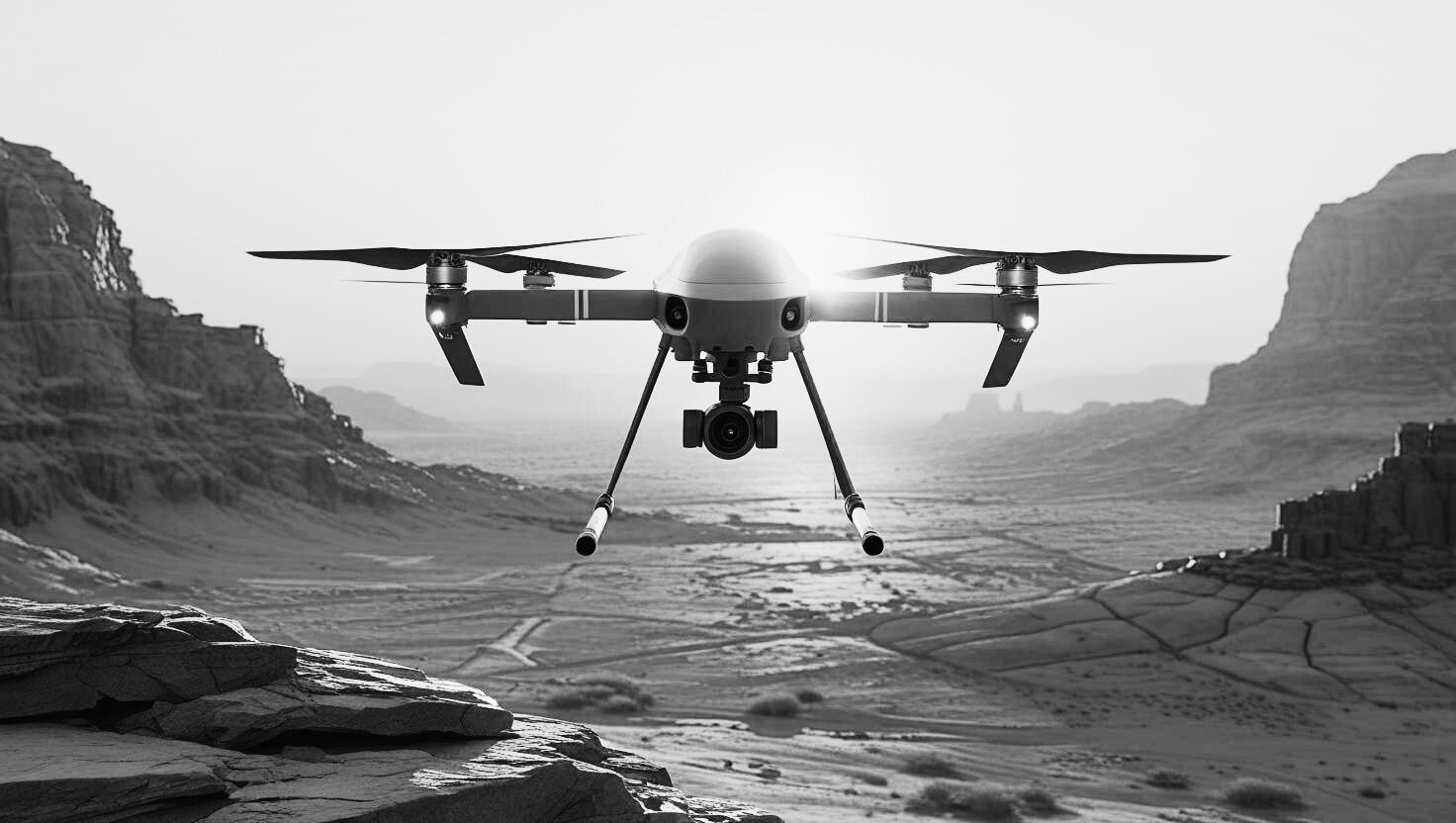

India’s rapidly advancing drone warfare ecosystem has achieved a significant milestone, with NewSpace Research & Technologies indicating readiness to offer its Sheshnag20 system to the Indian Army for evaluation. Positioned as the country’s first indigenously developed canister-launched swarming loitering munition of its kind, the Sheshnag20 marks a transition from standalone drone operations to coordinated, AI-enabled swarm warfare tailored for contemporary battlefields.
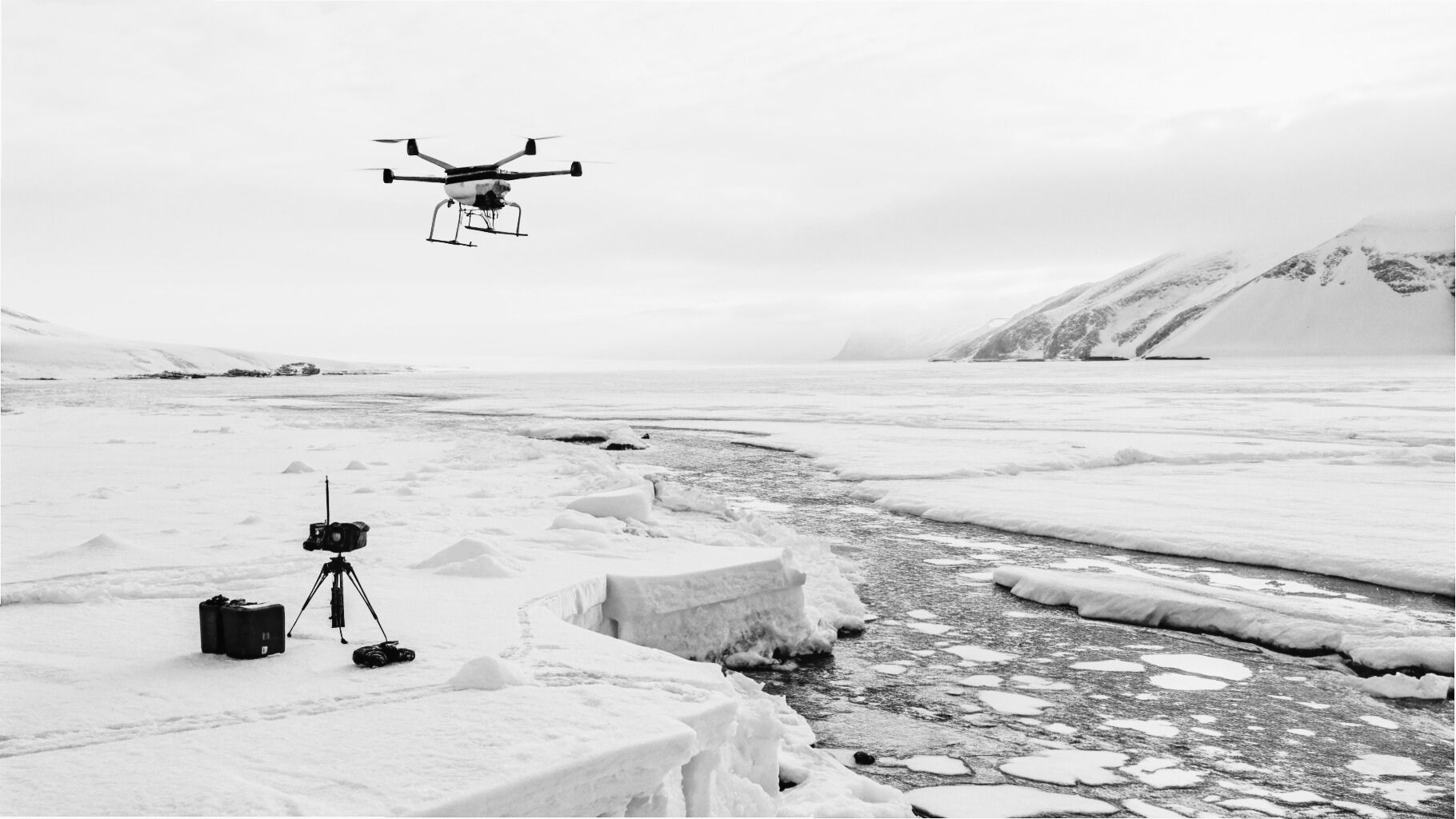
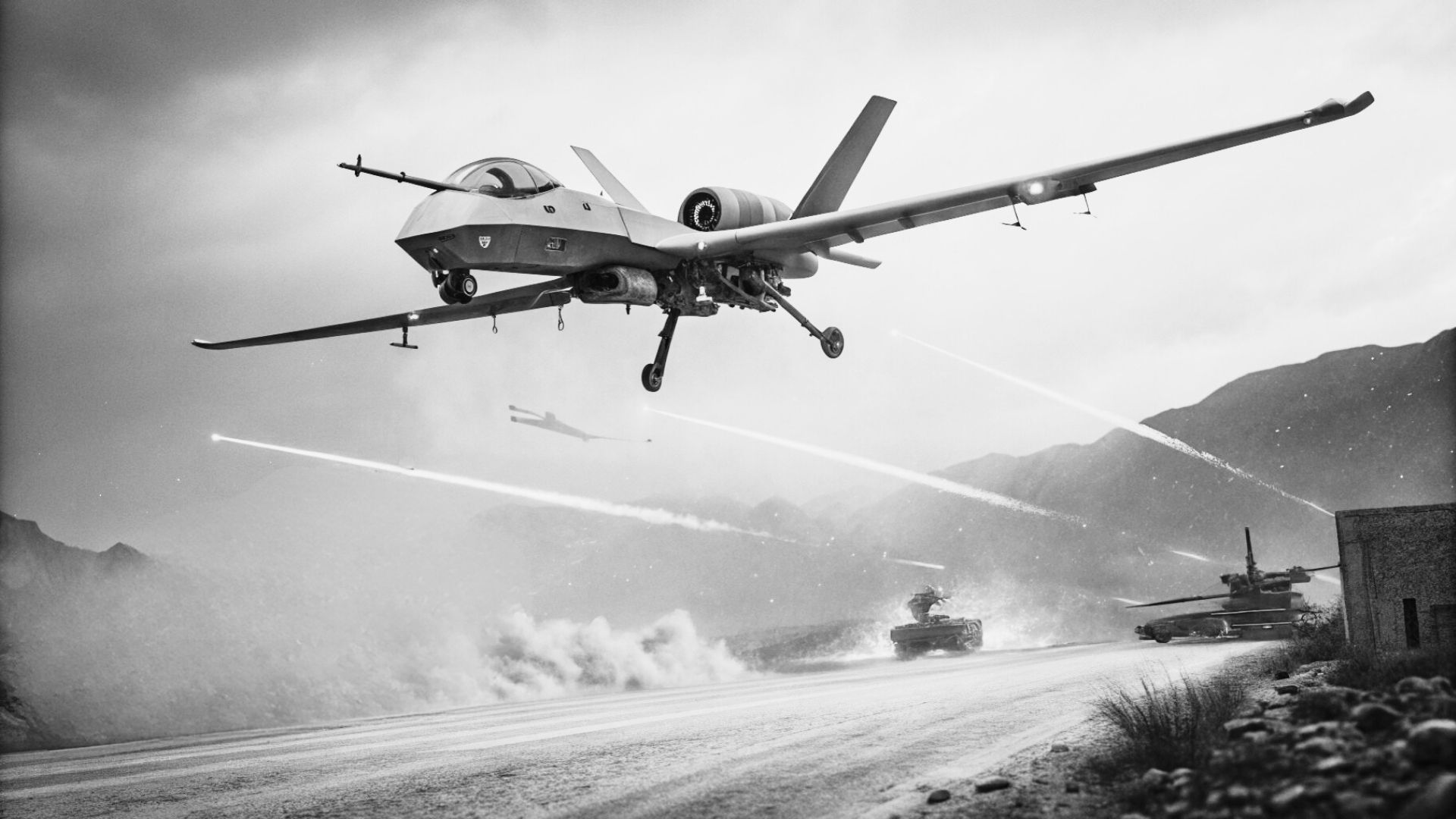
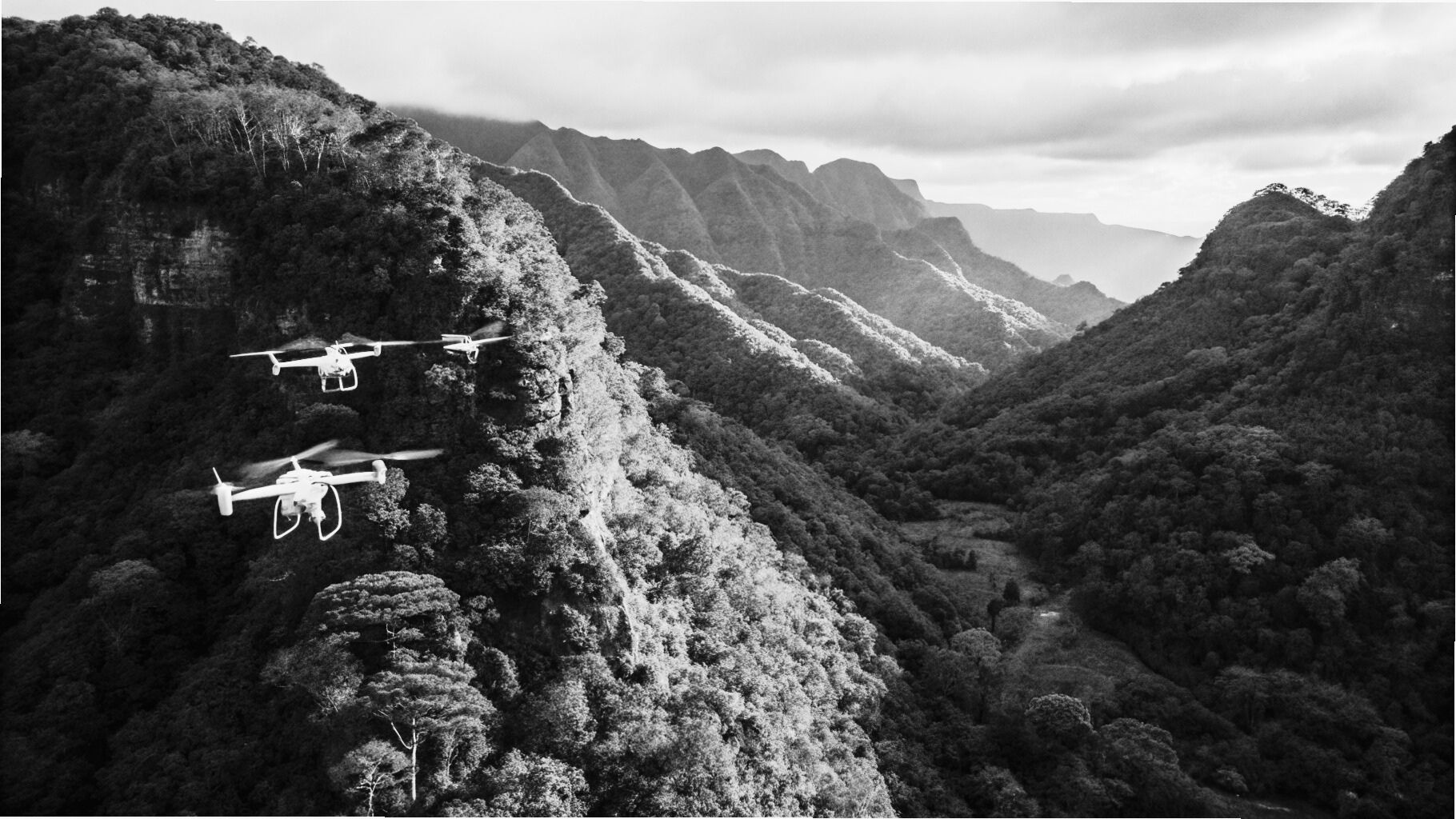
The Sheshnag20 is designed as a multi-role loitering munition capable of executing precision strikes, intelligence, surveillance, and reconnaissance (ISR), as well as electronic warfare (EW) missions at ranges of up to 50 kilometers. Unlike traditional loitering munitions that function independently, the system is inherently built for collaborative swarm operations. Multiple units—referred to as intelligent “heads” within the Sheshnag family—operate as an interconnected network rather than isolated platforms.
This capability is enabled by NewSpace’s proprietary MOSAIC decentralized swarming autonomy architecture, which facilitates distributed decision-making across the swarm. By minimizing reliance on a central command node, the system enhances survivability in contested electromagnetic environments. Even if certain elements are disrupted or neutralized, the remaining units can dynamically reconfigure and continue mission execution, ensuring resilience against electronic warfare countermeasures.
Such decentralized swarm coordination is particularly effective against heavily defended targets. The Sheshnag20 is designed to conduct synchronized saturation attacks, with multiple munitions approaching from diverse vectors to overwhelm air defense systems, radars, and high-value targets such as armored formations and logistics hubs. By combining AI-driven target recognition with coordinated strike profiles, the system compresses defensive reaction times and degrades layered defense networks.
The canisterized launch configuration further enhances operational flexibility, enabling rapid deployment from mobile platforms without reliance on runways or manual setup. This supports shoot-and-scoot tactics, which are critical in high-intensity conflict scenarios where platform survivability is paramount.
Strategically, the Sheshnag20 reflects India’s increasing emphasis on indigenous swarm drone capabilities, a domain gaining prominence in modern warfare. Its progression from development to successful flight testing indicates technological maturity, though comprehensive operational validation under varied terrain and electronic warfare conditions will be essential for induction.
If adopted, the system could address key gaps in India’s tactical strike and ISR capabilities while complementing existing UAV and artillery assets. More broadly, it underscores a shift in India’s defense innovation landscape, with private sector players advancing into complex domains such as AI-driven swarm autonomy and network-centric warfare.