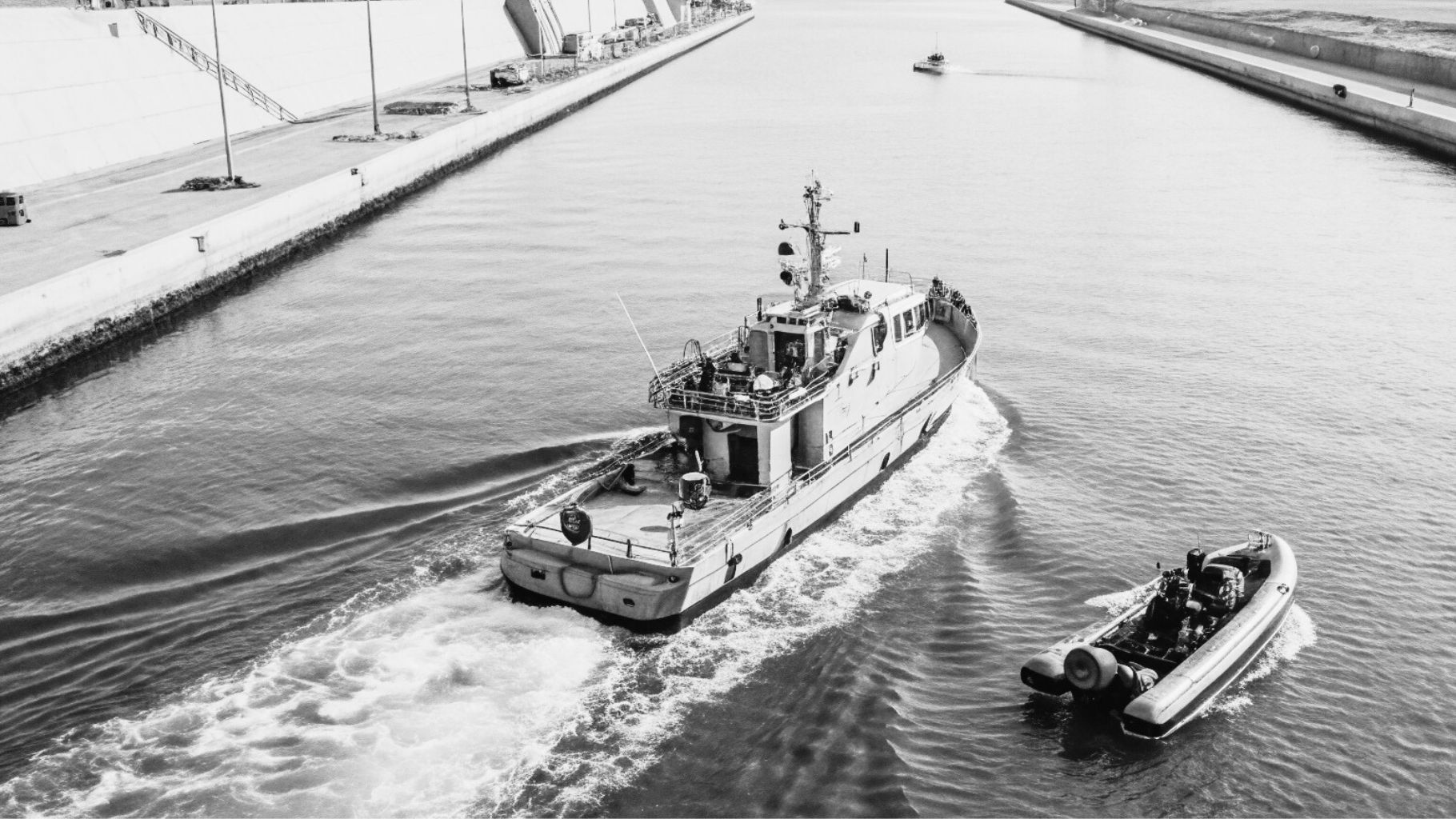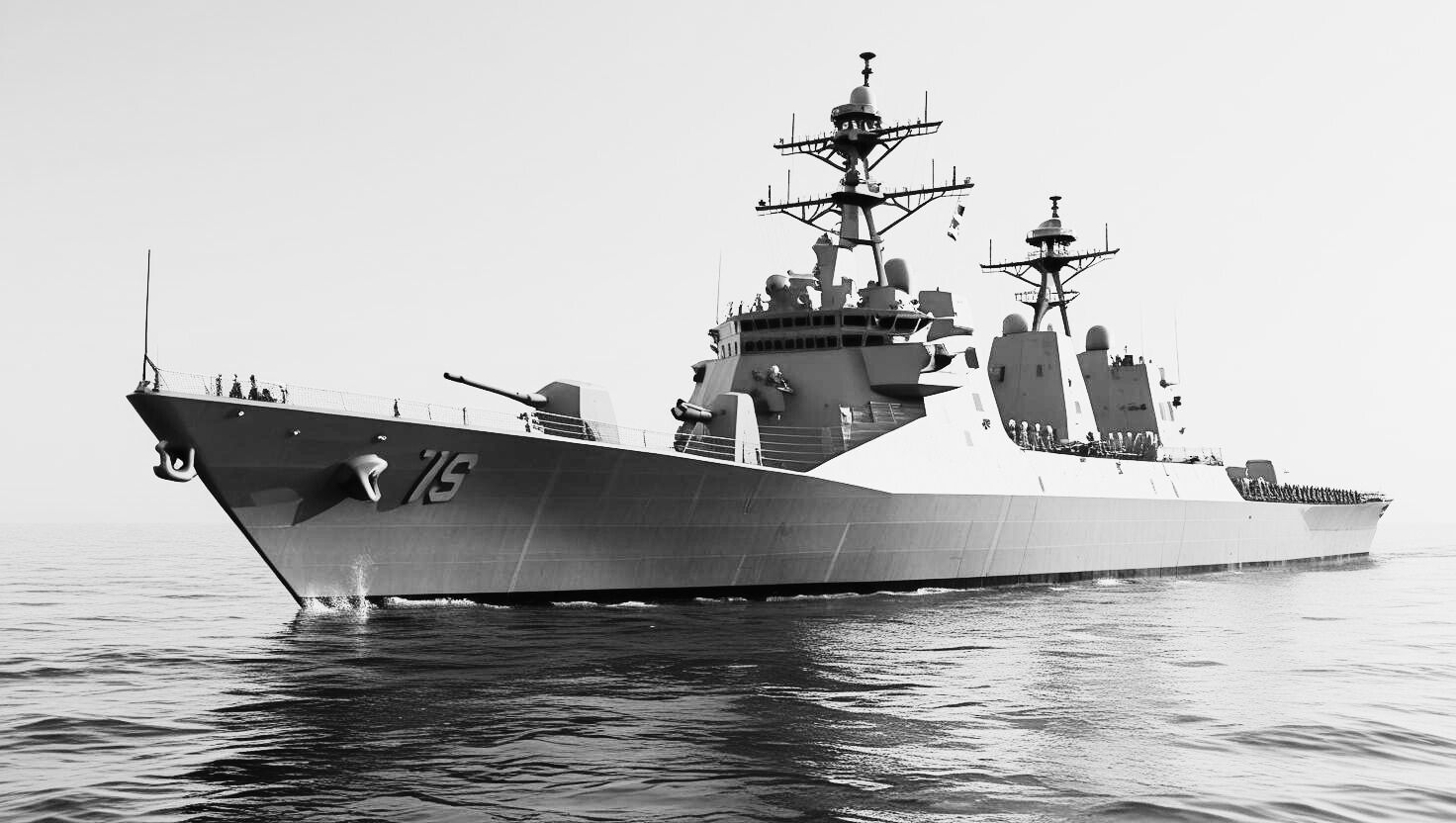
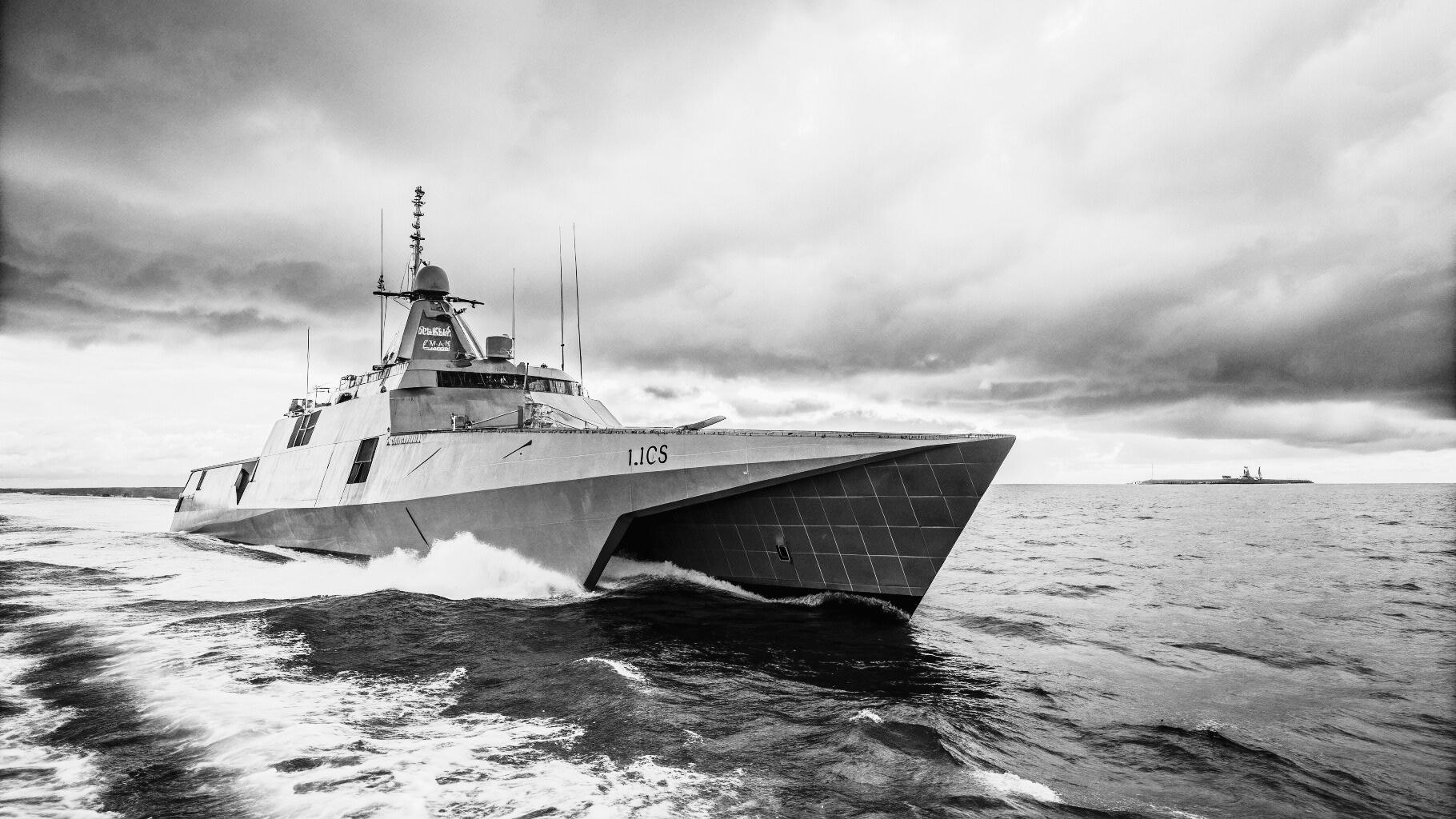
The US Coast Guard (USCG) is planning to collaborate with Lockheed Martin to develop a craft-mounted high-power microwave (HPM) weapon designed to counter small, high-speed smuggling vessels.
The initiative is intended to address operational gaps in dealing with agile maritime threats such as jet skis and uncrewed surface vessels (USVs), which are increasingly used in drug trafficking and human smuggling operations. These small and fast-moving craft are often difficult for the USCG’s existing 33-foot (10-meter) patrol boats to intercept effectively.
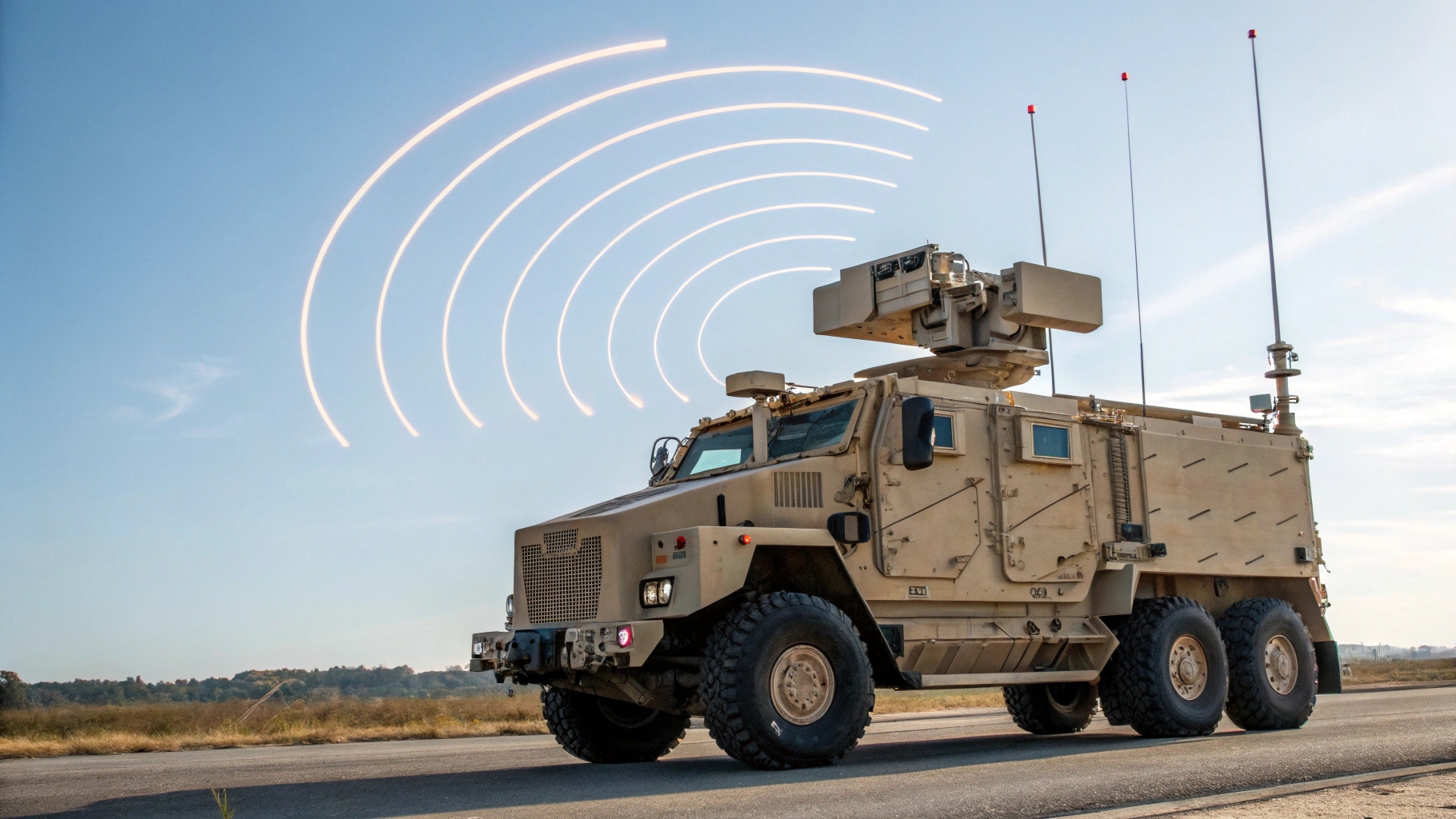
The proposed HPM system would use focused electromagnetic pulses to disable or disrupt onboard electronics, shutting down vessel engines and immobilizing non-compliant targets at standoff range without physical contact.
Adapting HPM Technology for Small Craft
Existing HPM systems currently face major challenges related to size, weight, and power requirements, limiting their deployment on smaller maritime platforms. Jet skis also present a unique targeting challenge because their engines are enclosed within the hull, reducing the effectiveness of conventional HPM approaches.
The USCG’s development effort aims to overcome these limitations by modifying HPM technologies so they can be integrated onto small patrol boats and even personal watercraft.
Contactless Vessel Stopping Capability
Alongside the main programme, the USCG Research and Development Center, working with the Science and Technology Directorate and the Naval Air Warfare Center Weapons Division, is also developing a specialized prototype platform known as the Contactless Vessel Stopping Capability (CVSC) craft.
The CVSC system employs highly energized radio-frequency pulses to overwhelm and disable the electronic systems of targeted vessels. According to developers, the platform is specifically designed to intercept and stop small maritime threats that are difficult to engage using current HPM technologies.