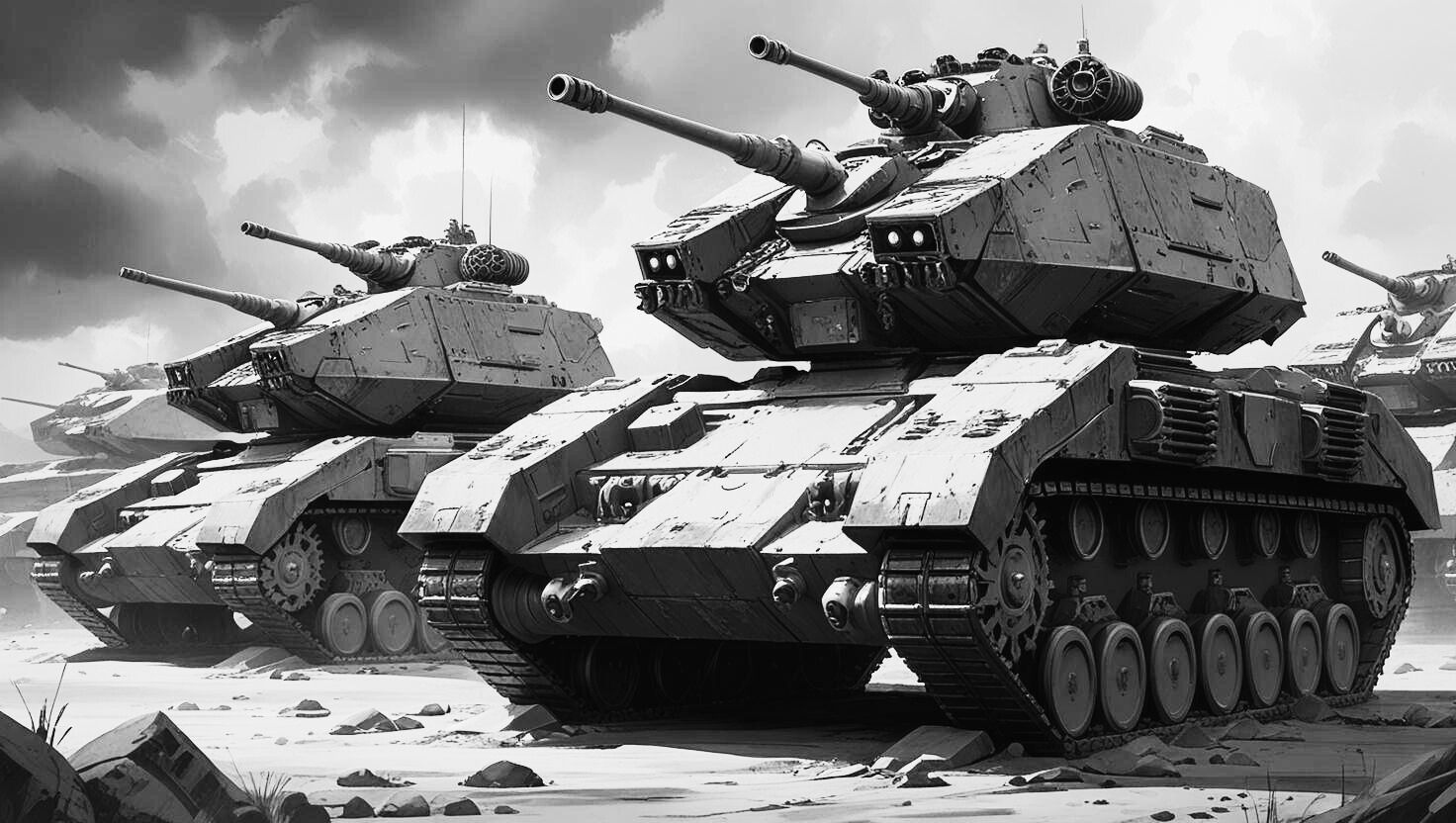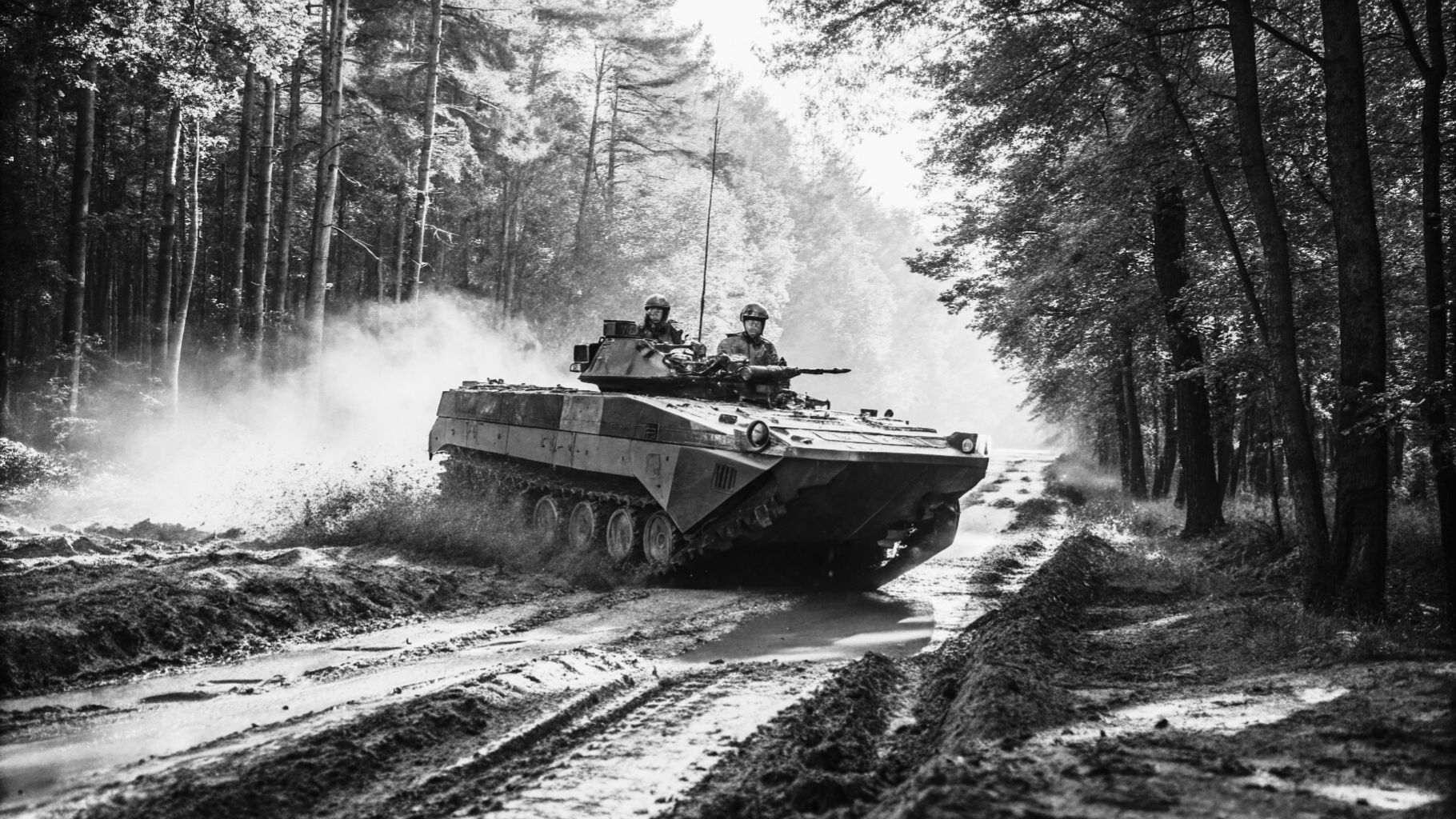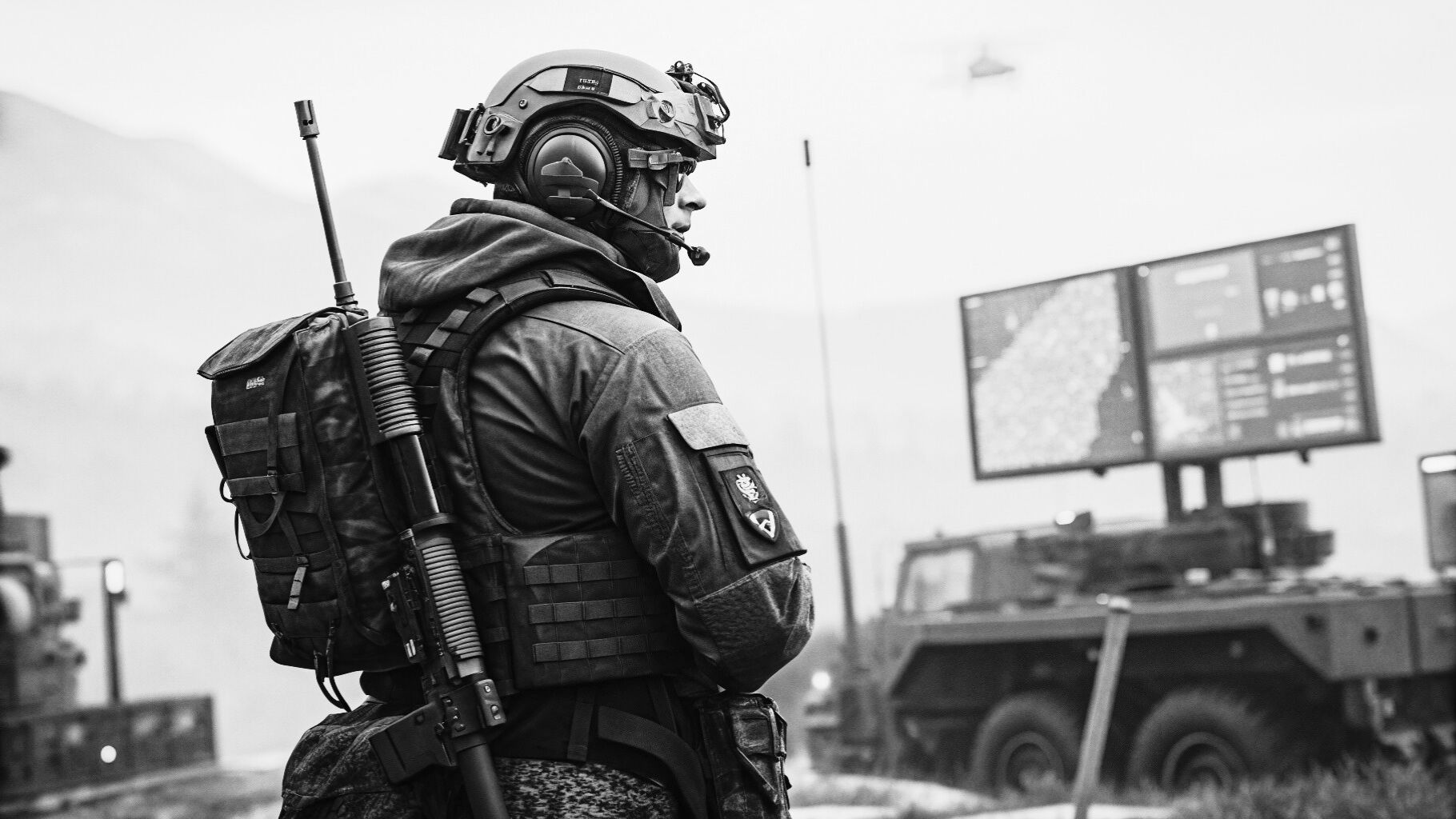
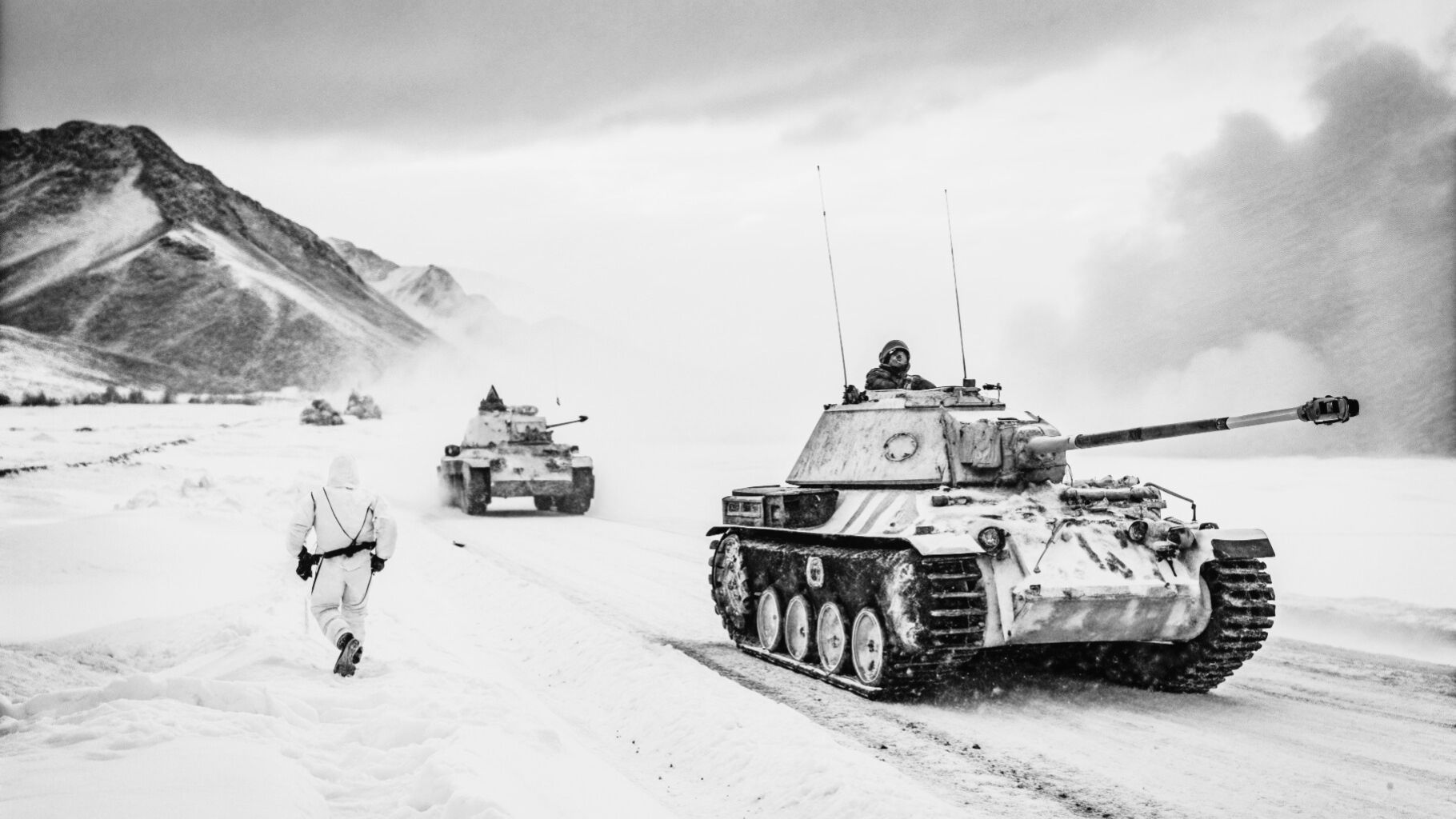
India’s Future Ready Combat Vehicle (FRCV) programme is set to receive a major leap in battlefield survivability as the Defence Metallurgical Research Laboratory (DMRL) confirmed work on advanced next-generation armour technologies capable of countering significantly more powerful kinetic energy threats than current Indian tanks can withstand.
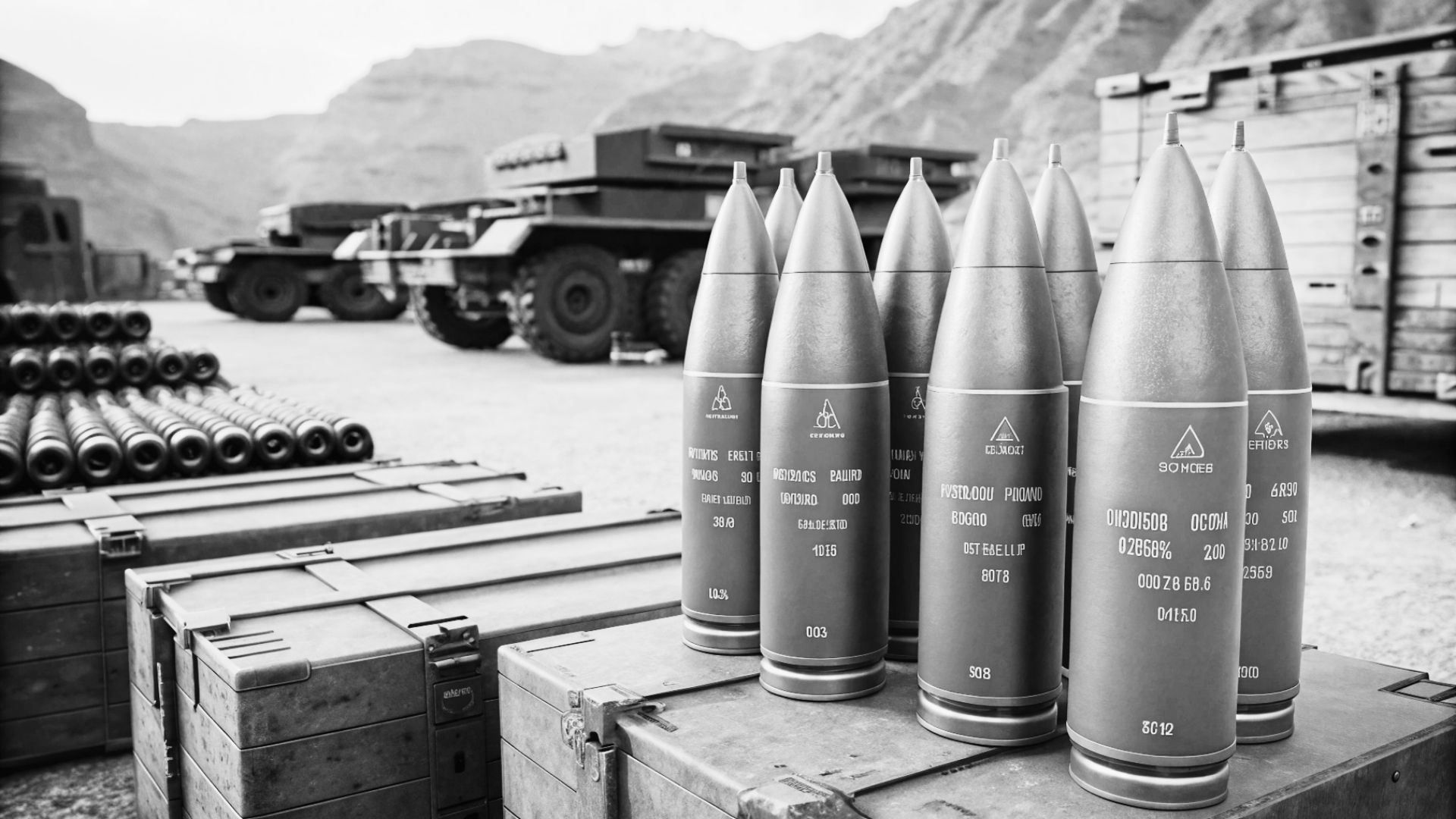
According to recent disclosures, DMRL is developing new armour solutions specifically designed to defeat modern Fin Stabilized Armour Piercing Discarding Sabot (FSAPDS) rounds in the 600 mm to 800 mm penetration class. This marks a substantial improvement over existing Indian tank protection standards, where current platforms are estimated to withstand FSAPDS threats in the 500–550 mm penetration range.
The effort reflects India’s intent to prepare the FRCV for future high-intensity combat environments, where increasingly advanced armour-piercing ammunition continues to challenge traditional protection systems. Modern kinetic energy penetrators, particularly long-rod tungsten and depleted uranium projectiles, are capable of defeating older-generation composite armour at extremely high velocities, forcing militaries worldwide to pursue entirely new survivability technologies.
The FRCV programme is expected to gradually replace much of the Indian Army’s aging T-72 fleet while operating alongside upgraded T-90 and Arjun tanks. Unlike earlier Indian armoured platforms, the FRCV is being designed from the outset as a modular and technologically adaptable system capable of surviving against evolving battlefield threats for decades.
DMRL’s next-generation protection work is likely exploring combinations of advanced composites, nano-engineered armour structures, ceramic protection technologies, lightweight high-hardness alloys, and explosive reactive armour integration. The objective is to achieve substantially higher protection levels without excessively increasing vehicle weight.
Protecting against 600–800 mm class FSAPDS rounds presents a major engineering challenge because these penetrators rely on high-speed long-rod projectiles capable of punching through conventional steel and older composite armour systems. Effective protection requires complex multi-layered armour architectures capable of disrupting, destabilizing, or eroding the penetrator before it reaches the crew compartment.
The programme also carries strategic significance as neighbouring countries continue modernizing their armoured fleets. China’s latest Type-99A and Type-15 tanks, along with Pakistan’s upgraded VT-4 and Al-Khalid variants, are expected to field increasingly advanced kinetic energy ammunition in future operational scenarios.
DMRL’s work suggests India is attempting to narrow the survivability gap with next-generation tank programmes underway in countries such as the United States, Germany, South Korea, and Russia. Modern tank design philosophies are increasingly centered on integrated survivability ecosystems combining passive armour, active protection systems, signature reduction measures, and battlefield networking capabilities.
The advanced armour under development for the FRCV could also complement India’s parallel efforts in active protection systems designed to intercept incoming missiles and kinetic threats before impact. The combination of passive armour with hard-kill and soft-kill defensive systems is now considered essential for modern armoured warfare.
One of the major challenges for Indian designers will be balancing protection with mobility. Increasing armour thickness traditionally results in higher vehicle weight, which can negatively affect fuel efficiency, maneuverability, and strategic deployment. DMRL is therefore expected to focus heavily on lightweight survivability technologies that deliver enhanced protection without creating excessive logistical burdens.
The initiative also aligns with India’s broader “Aatmanirbhar Bharat” strategy to strengthen indigenous defence metallurgy and survivability technologies. Modern composite tank armour remains among the most closely guarded military technologies globally, with only a handful of nations possessing fully indigenous design and manufacturing capabilities.
Defence analysts believe technologies developed for the FRCV may eventually influence upgrades for other Indian platforms, including the Arjun Mk1A, Zorawar Light Tank, and future infantry combat vehicle programmes. The expertise gained in defending against 800 mm-class kinetic threats could also contribute to survivability technologies across aerospace, naval, and strategic defence sectors.