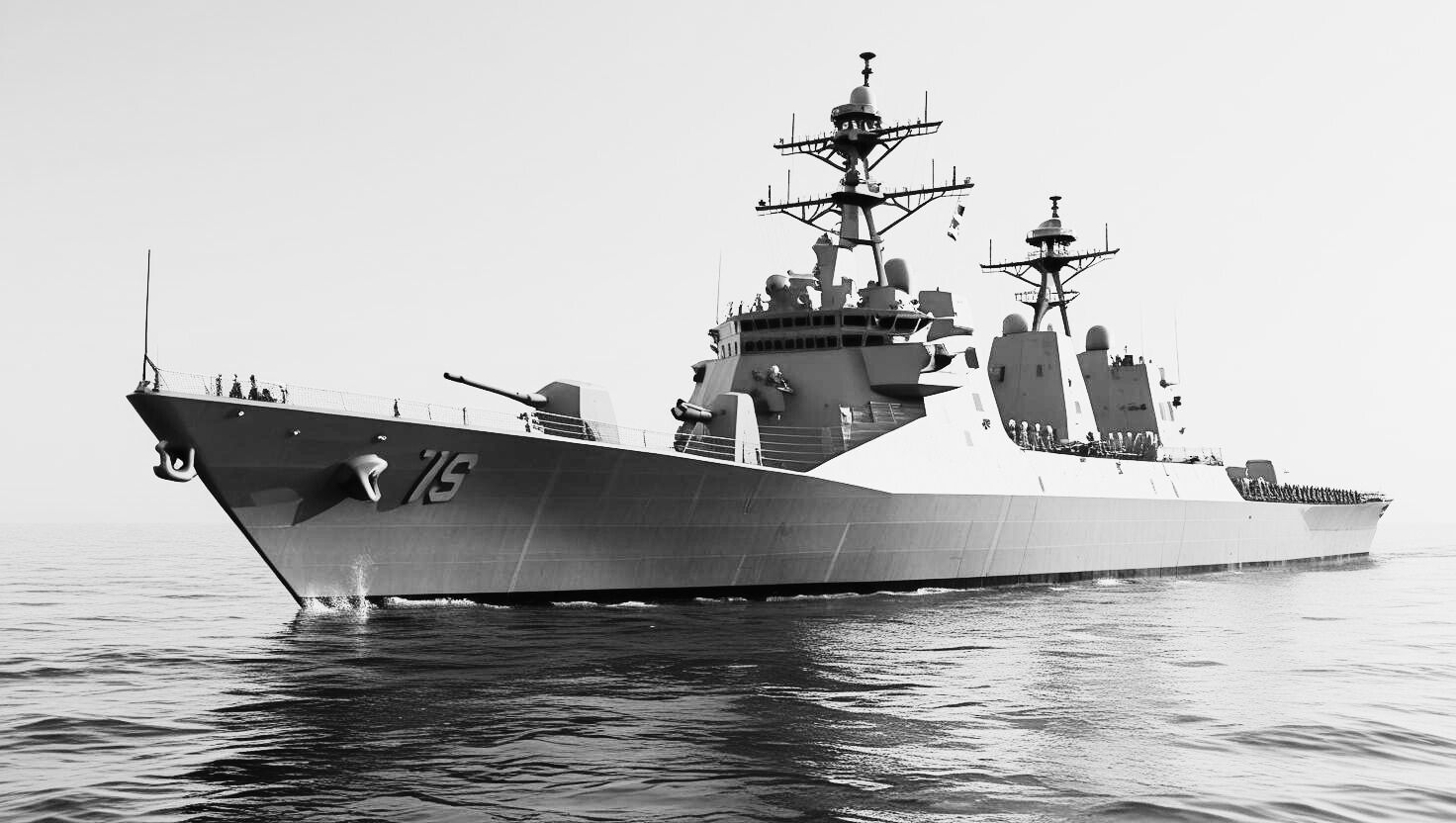
The Indian Navy has inducted several indigenously built vessels, marking significant shipbuilding achievements and reinforcing its commitment to defense self-reliance. The deliveries span multiple programs, including the Mahe- and Arnala-class anti-submarine warfare shallow water craft (ASW SWC), the Nilgiri-class guided missile frigates, and the Sandhayak-class survey vessels.
Key milestones include the commissioning of an additional Nilgiri-class frigate and the launch of the lead vessel under the Shachi-class offshore patrol vessel program.
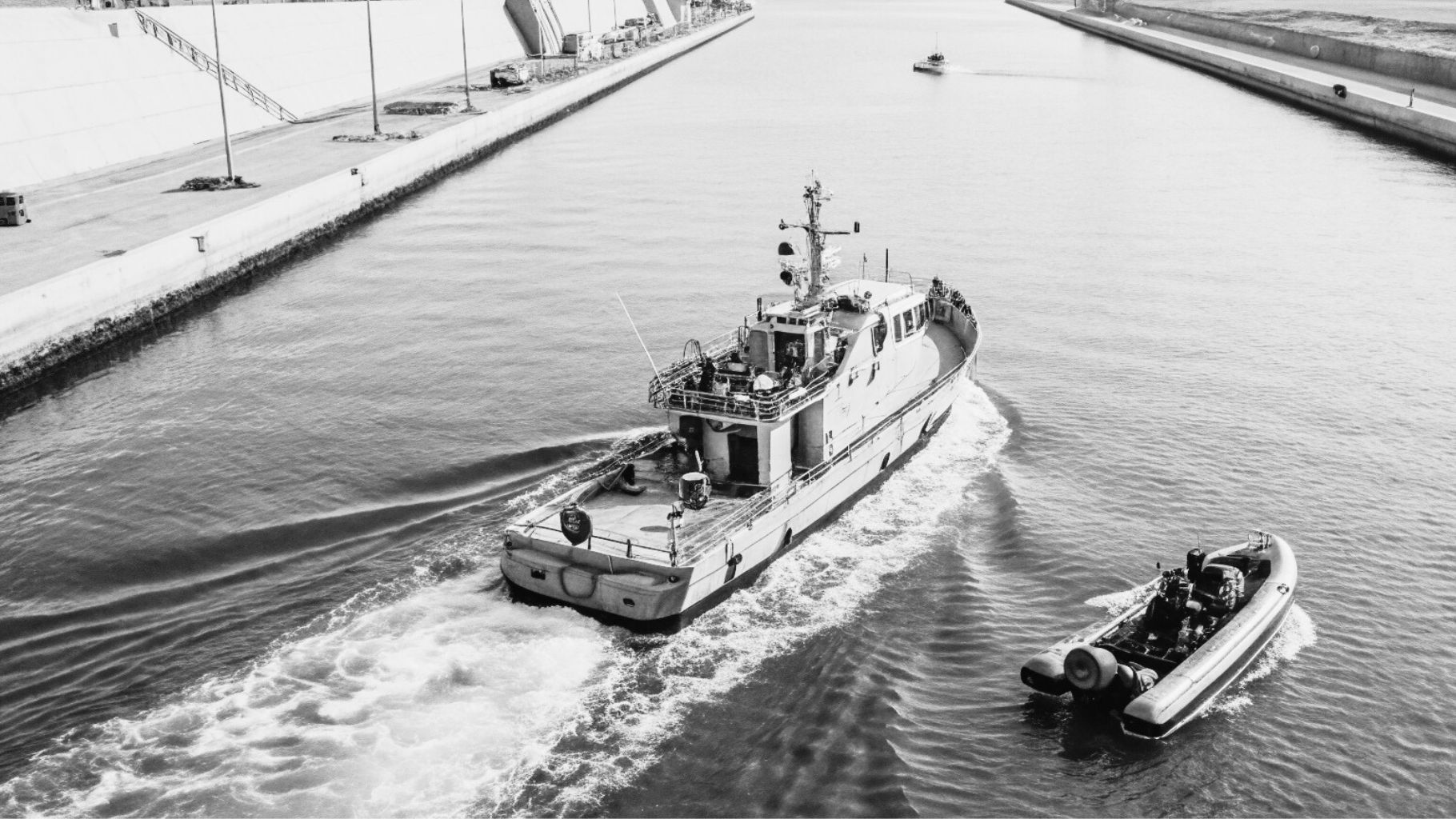
Under the ASW SWC initiative, the navy received INS Malwan (P81), the second Mahe-class corvette built by Cochin Shipyard Limited in Kochi. At the same time, GRSE in Kolkata delivered INS Agray (P36), the fifth vessel in the Arnala class. These 78-meter warships are designed for underwater surveillance, coastal ASW operations, mine warfare, and low-intensity missions. Equipped with waterjet propulsion, lightweight torpedoes, rocket launchers, mines, naval guns, and shallow-water sonar, they are capable of countering both surface and subsurface threats. The program, initiated in 2020, aims to deliver up to 16 vessels by 2030.
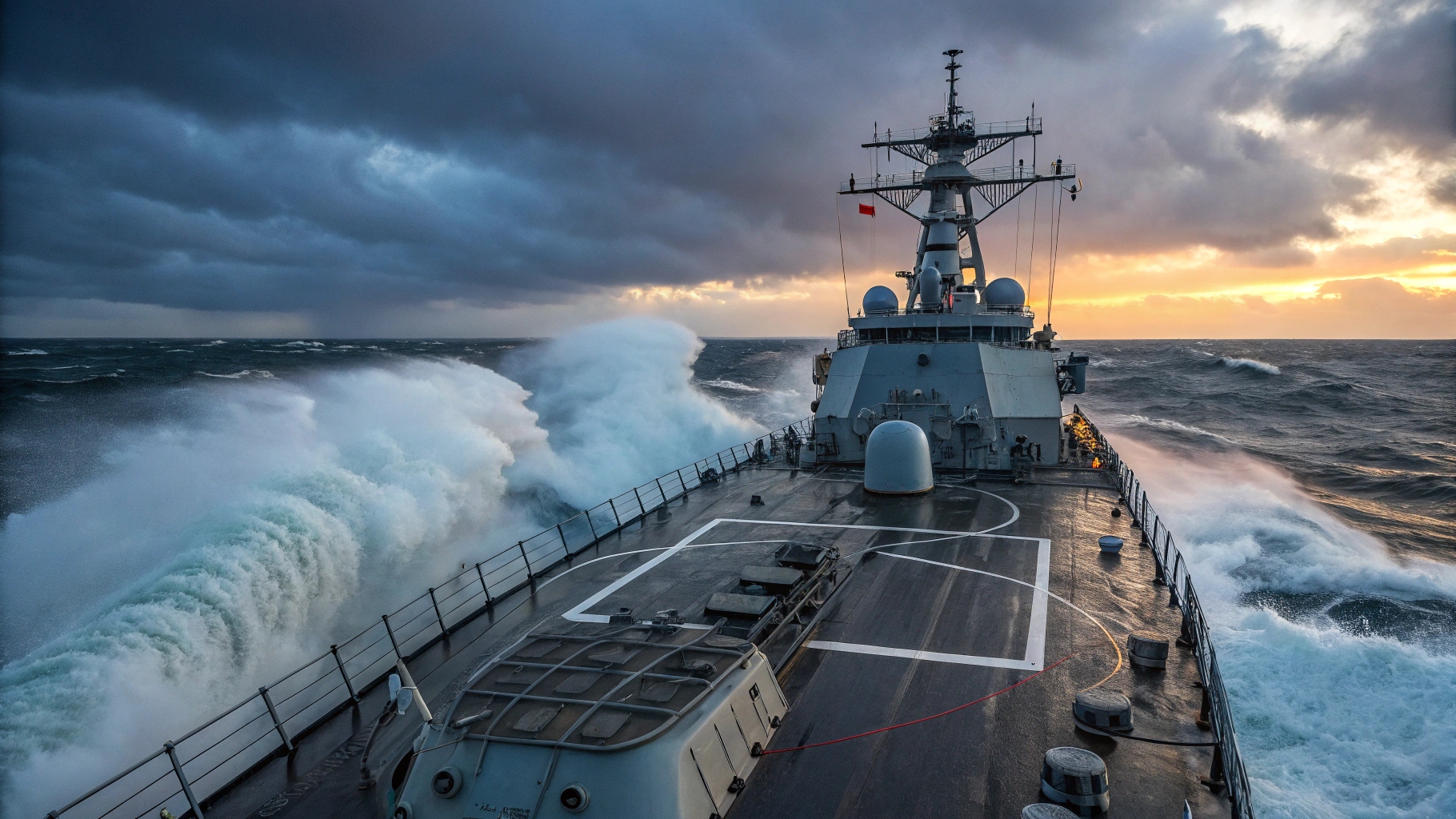
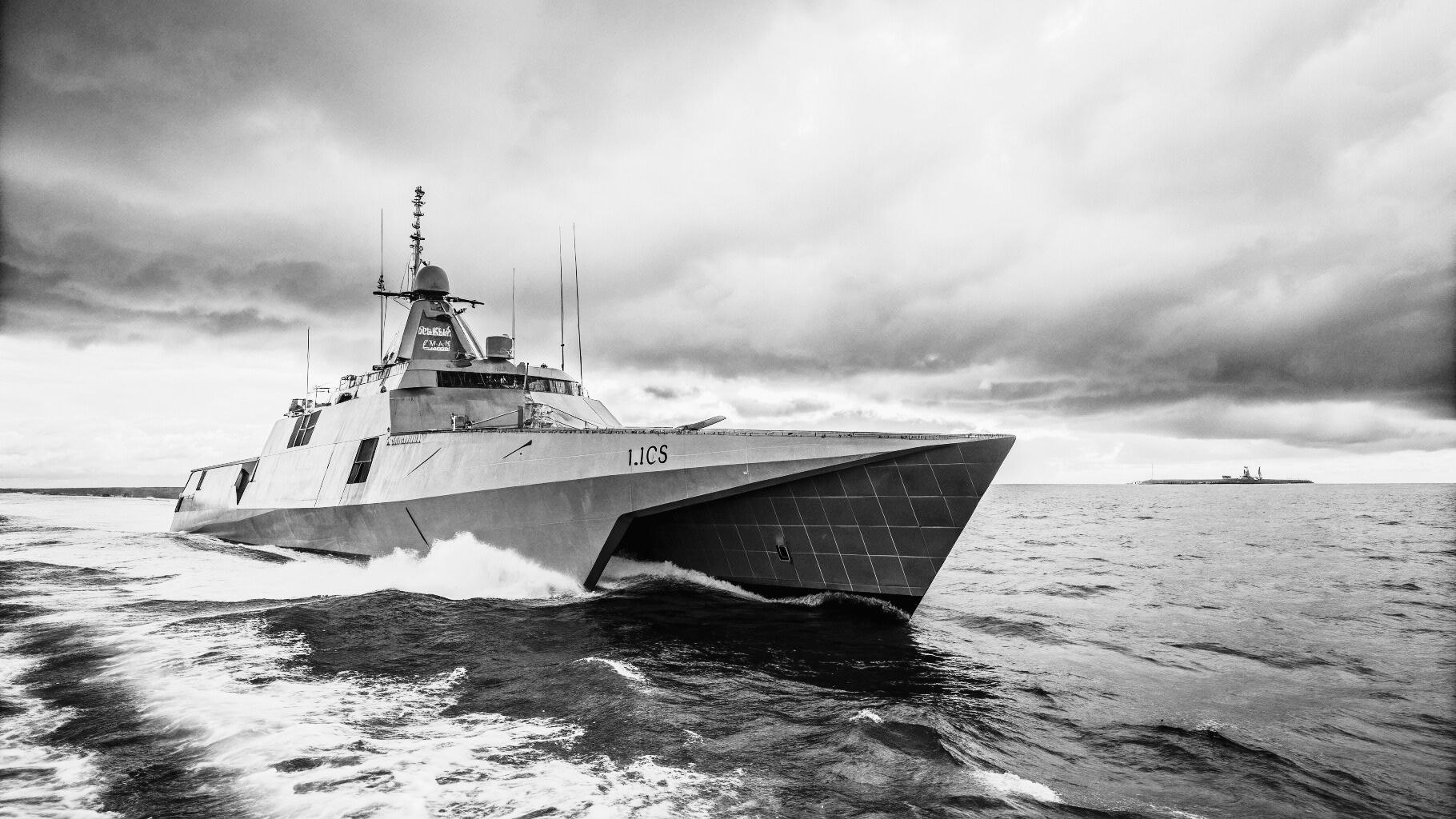
In the frigate segment, the navy inducted INS Dunagiri (F36), the fifth Nilgiri-class guided missile frigate built by GRSE in Kolkata, with construction time reduced to 80 months compared to 93 months for the lead ship. Additionally, INS Taragiri (F41) was commissioned in Visakhapatnam. These 149-meter warships are armed with advanced systems, including BrahMos missiles, heavy guns, and anti-air as well as anti-submarine capabilities. Launched in 2015, the Nilgiri program envisions a total of seven ships.
The navy also completed its Sandhayak-class survey vessel program with the induction of INS Sanshodhak (J24), a 110-meter platform designed for hydrographic and oceanographic data collection using advanced autonomous and remotely operated systems.
Meanwhile, Goa Shipyard Limited launched INS Shachi, the first of 11 next-generation offshore patrol vessels. Designed for surveillance, search and rescue, anti-piracy, and humanitarian missions, these ships will be equipped with naval guns, mines, and short-range air defense systems. Although conceptual work began in 2017, the program was formally approved in 2023 after addressing supply chain challenges. More than half of the vessels have already entered construction, with deliveries expected from the third quarter of 2026.