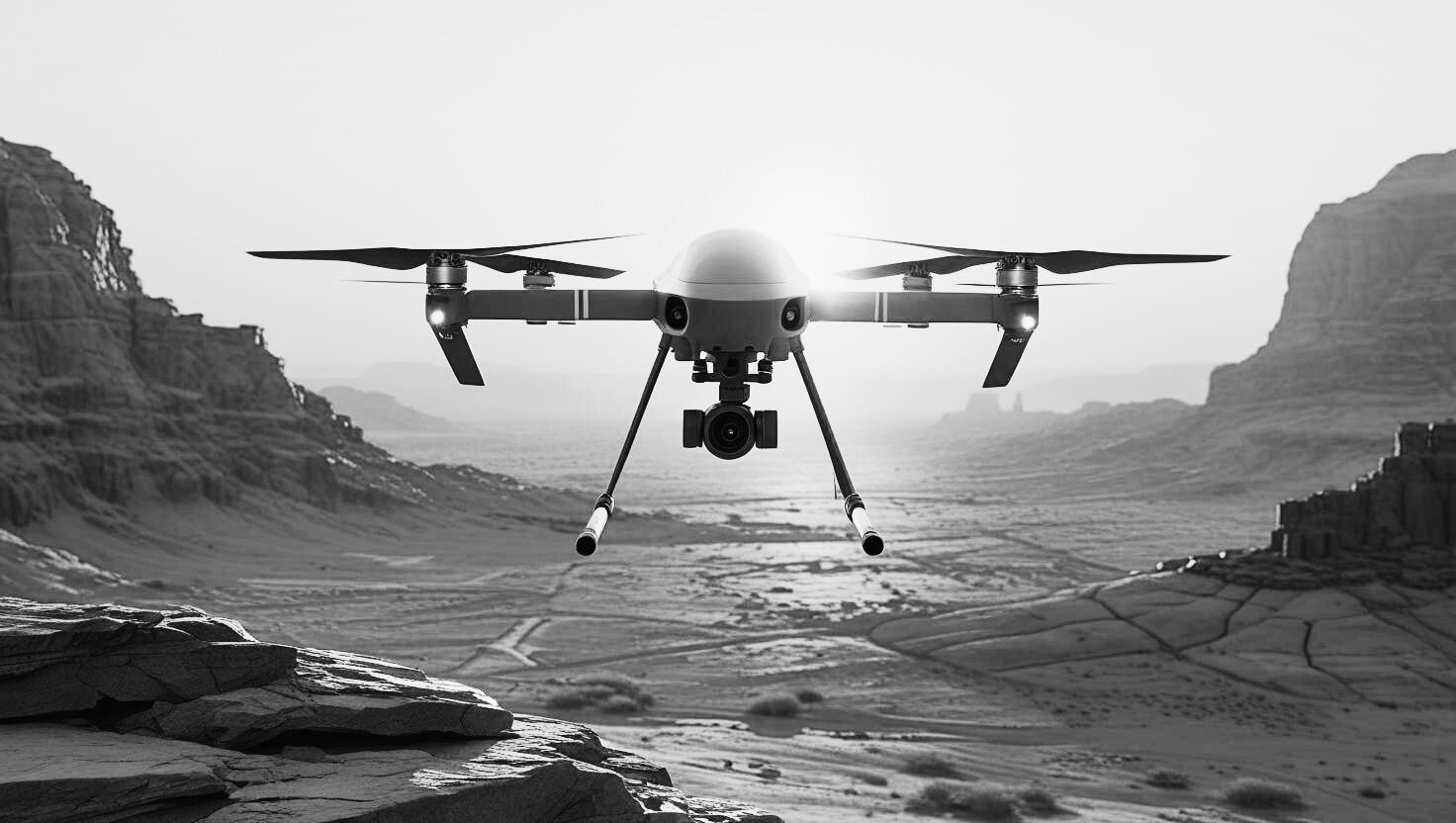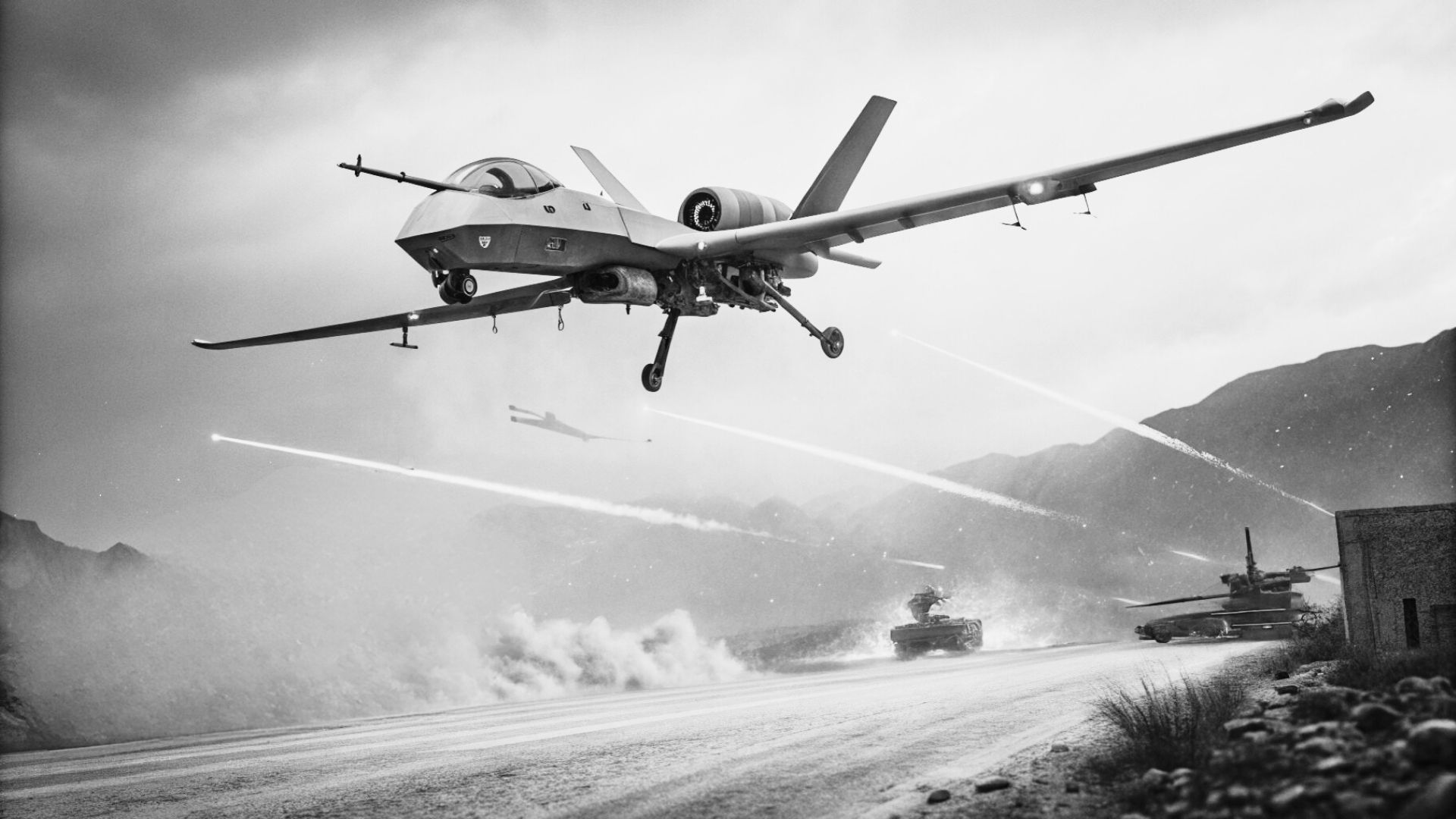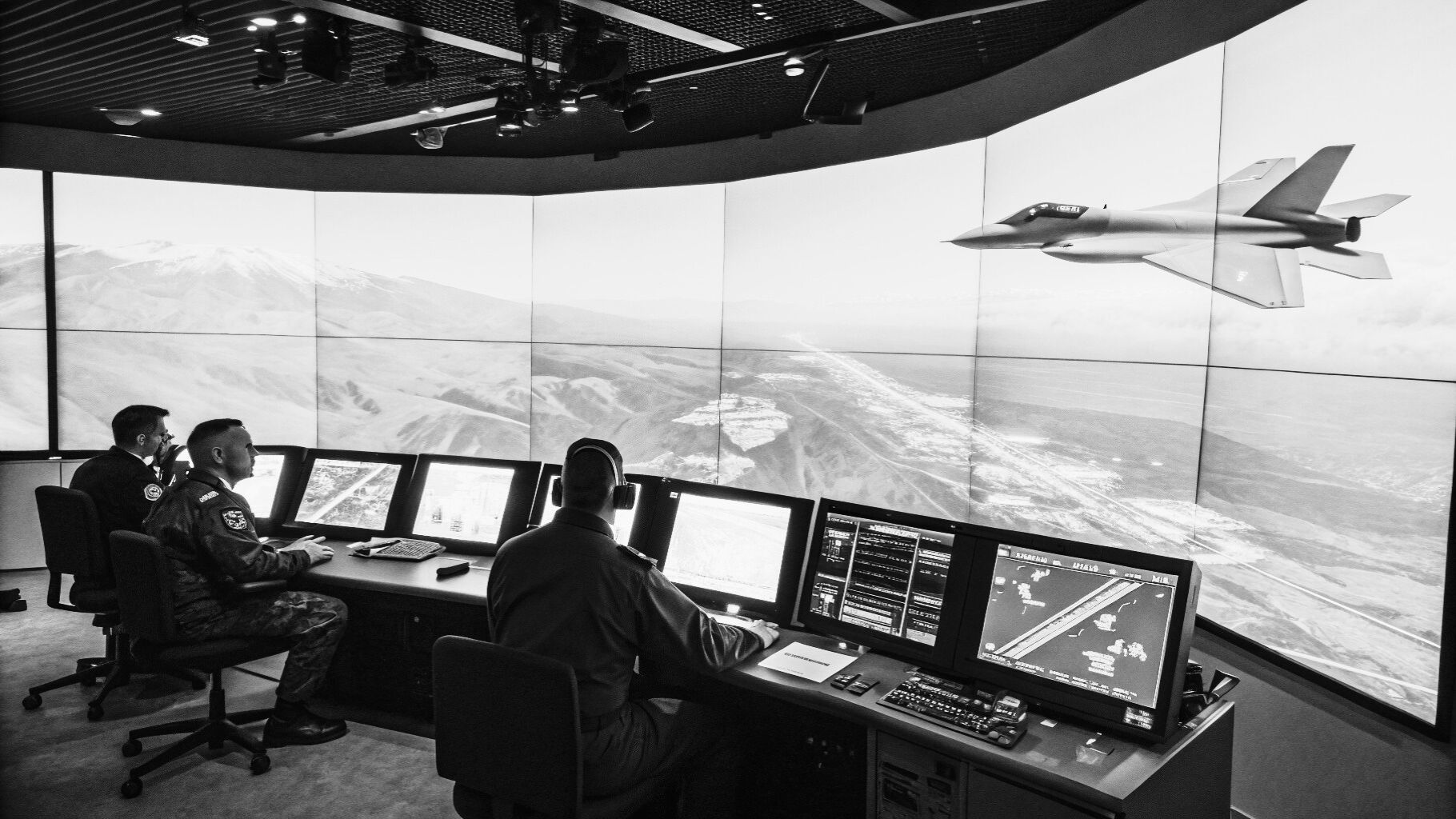
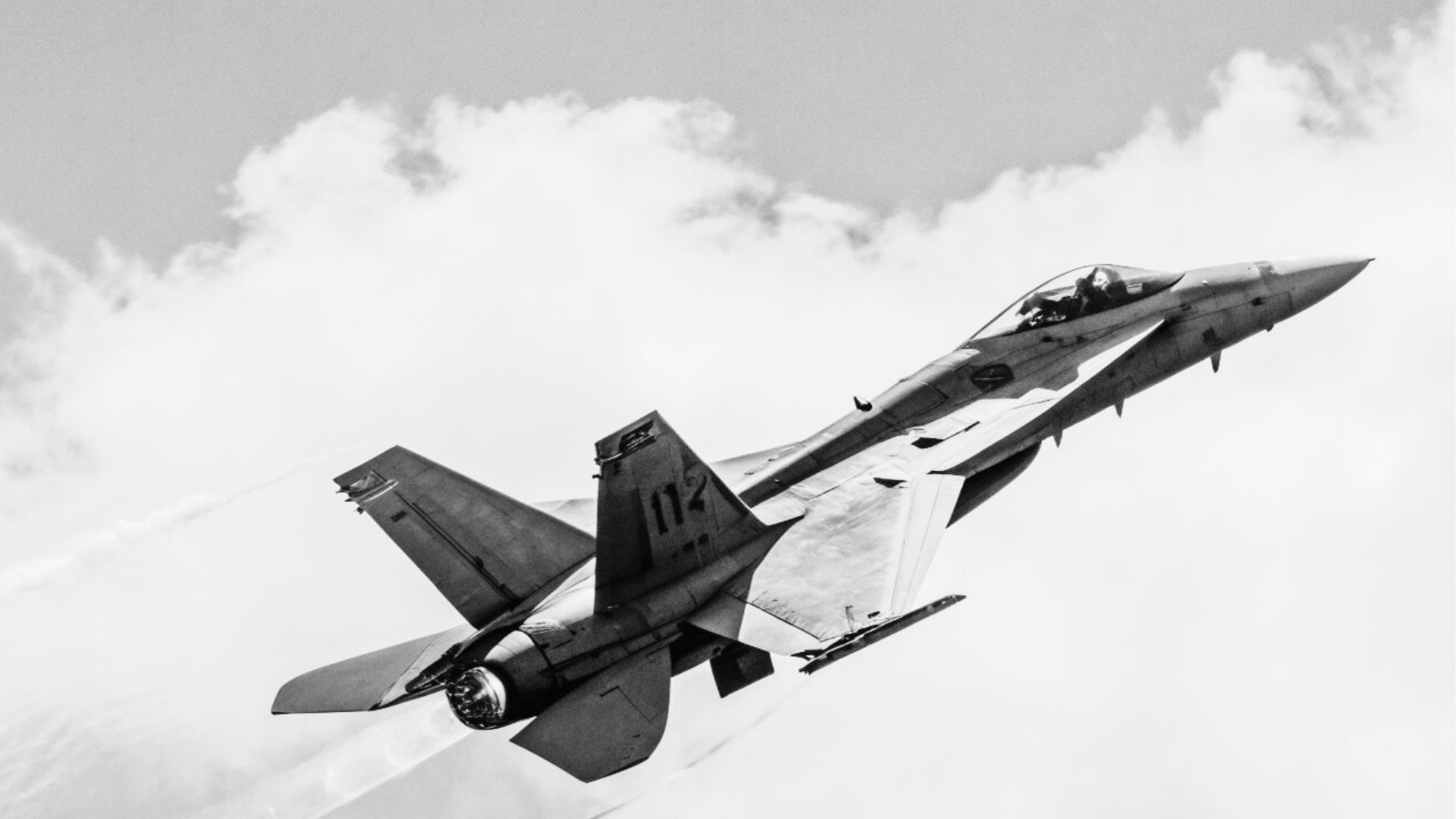
India’s Combat Air Teaming System (CATS) Warrior loyal wingman program is set for major upgrades in artificial intelligence and autonomy, as Hindustan Aeronautics Limited (HAL) enhances its Manned-Unmanned Teaming (MUM-T) architecture. These improvements aim to enable the Warrior drone to operate with greater independence, reflecting lessons from recent global conflicts and evolving battlefield demands.
The next phase of development is focused on transforming the Warrior from a remotely controlled support platform into a semi-autonomous combat asset capable of making tactical decisions in contested environments. A key upgrade is the integration of Autonomous Tactical Decision-Making software, which will allow the drone to detect threats, prioritize responses, and execute rapid maneuvers without relying entirely on commands from its “mothership,” such as the Tejas, Rafale, or future AMCA.
Traditional loyal wingman concepts depend heavily on direct control from manned aircraft, but challenges such as communication latency and electronic warfare disruptions are driving the need for greater autonomy. The upgraded system will enable the Warrior to independently process sensor data, evaluate threats, and carry out evasive or offensive actions while maintaining coordination with the pilot through secure data links.
Lessons from modern electronic warfare environments, particularly those observed in Ukraine, have led HAL to redesign the drone’s navigation system for resilience in GPS-denied conditions. The updated architecture incorporates technologies such as Visual SLAM and terrain-matching navigation, allowing the drone to operate using environmental cues rather than relying solely on satellite signals.
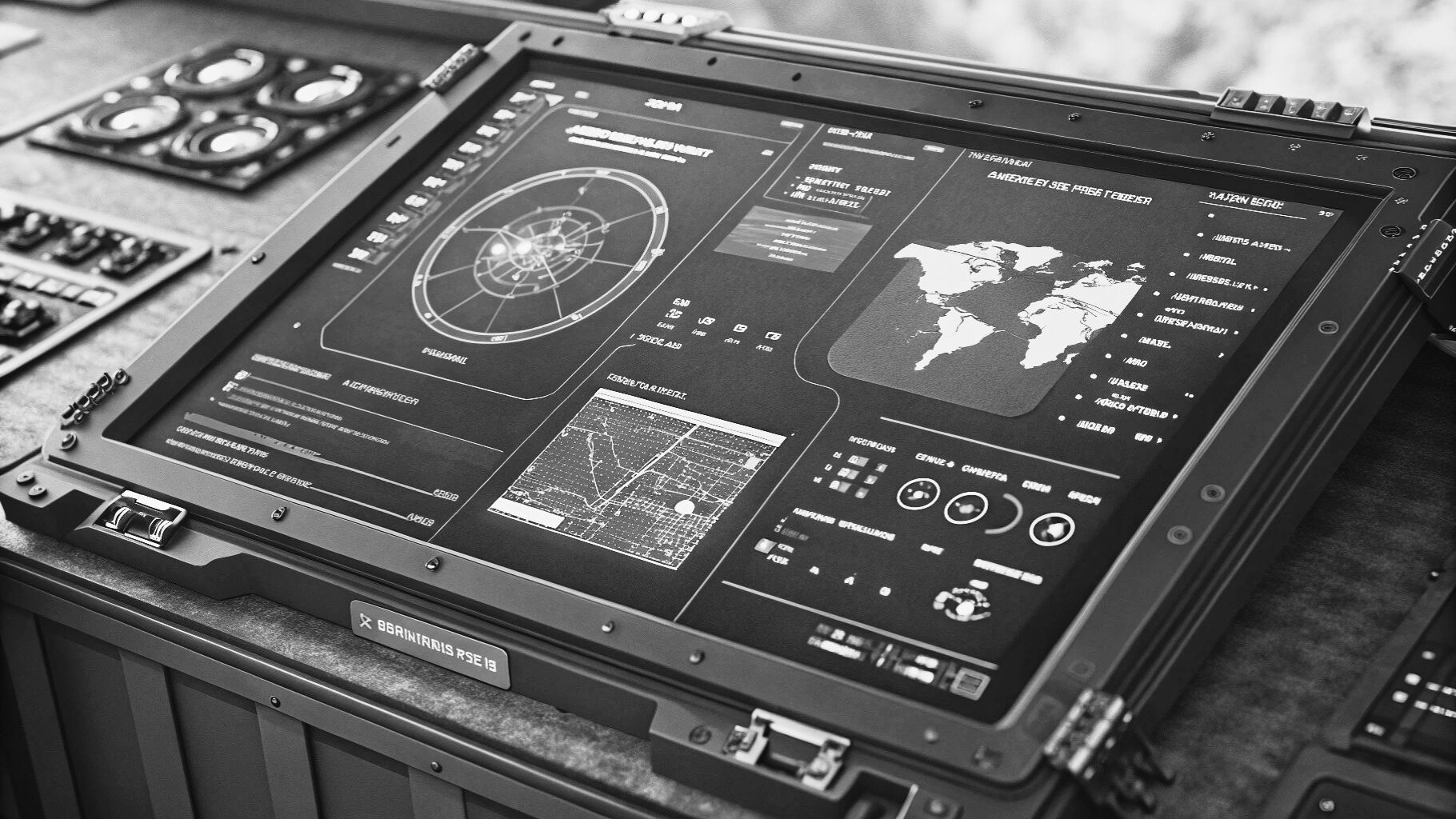
Another critical development area is sensor fusion. The Warrior integrates inputs from its AESA radar and Infrared Search and Track (IRST) systems, converting raw data into actionable intelligence. A key challenge is ensuring that this information is presented to the pilot in a clear and usable format without overwhelming cockpit systems.
On the propulsion side, current prototypes use the PTAE-7 turbojet engine, which is suitable for early testing but limits performance. Future iterations are expected to adopt the more powerful HTFE-25 turbofan engine, offering improved thrust-to-weight ratios and enabling higher speeds, potentially including supersonic capability.
HAL is also developing an advanced variant, the CATS Warrior II, featuring a larger airframe of around five tonnes compared to the current two-tonne design. This version will include internal weapons bays for improved stealth and aerodynamics, as well as increased payload capacity, potentially carrying multiple Astra Mk1 air-to-air missiles.
By combining advanced AI-driven autonomy, GPS-independent navigation, sophisticated sensor fusion, and enhanced propulsion, HAL is positioning the CATS Warrior as a central element of India’s future air combat ecosystem.