India’s armed forces are progressively expanding their dedicated attack helicopter fleets as part of a wider modernization push, with a clear focus on improving battlefield mobility, precision strike capability, and emerging air defense roles against drone threats.
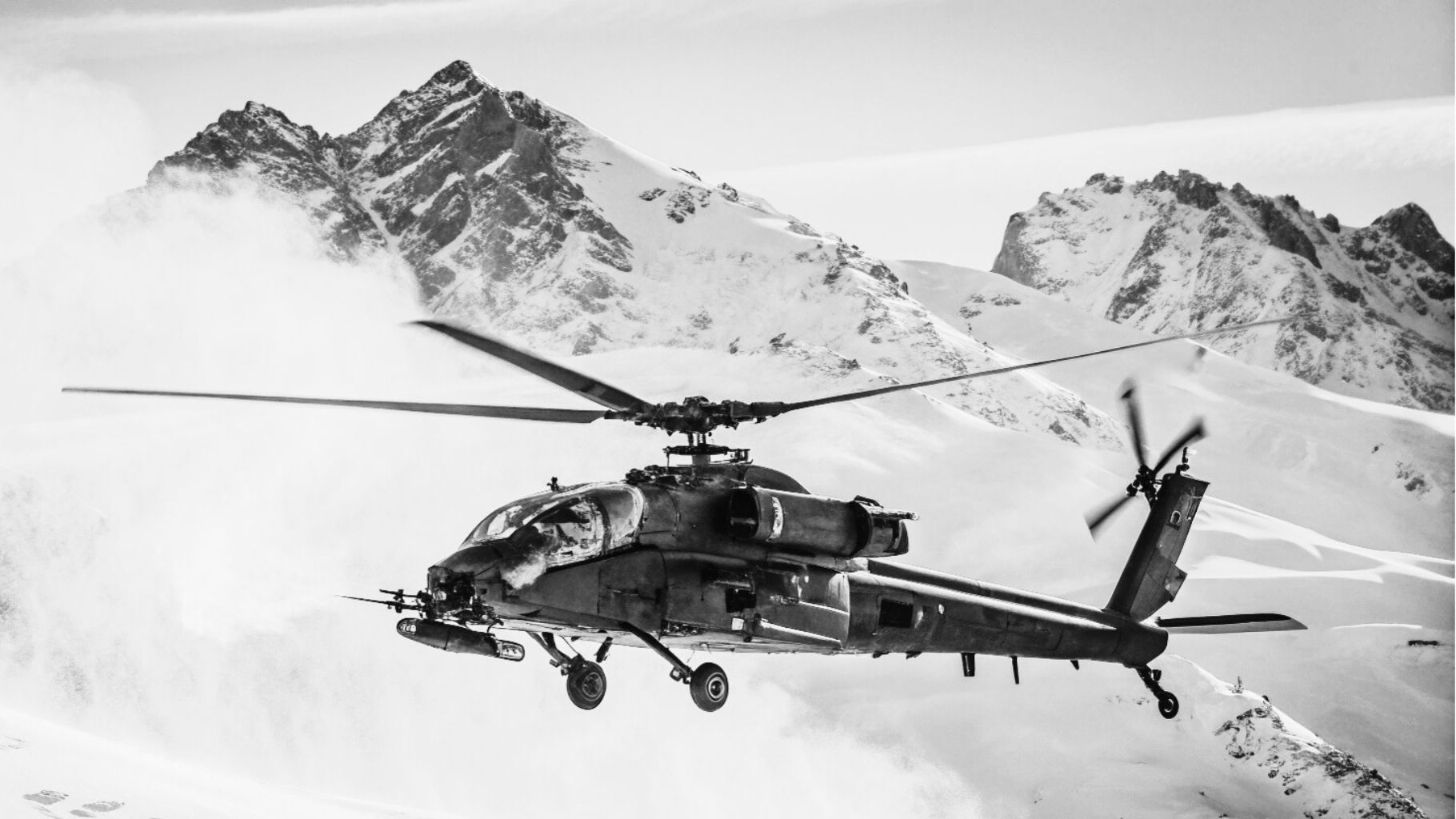
The Indian Army has already inducted six AH-64E Apache attack helicopters and five indigenously developed Light Combat Helicopters (LCH) Prachand. A major capability boost is expected from the planned induction of 90 additional Prachand helicopters, which will significantly enhance the Army’s aerial firepower. Once delivered, the Army’s combined fleet of Apaches and Prachands will total 101 attack helicopters, reflecting a major shift toward organic aviation strike capability within ground forces.
Army Chief General Upendra Dwivedi recently highlighted this growing capability by flying the LCH Prachand at Hindustan Aeronautics Limited in Bengaluru during the Ran Samwad seminar. His engagement underscores the platform’s operational importance, particularly in high-altitude and contested environments where the Prachand is specifically optimized.
On the Indian Air Force side, expansion is equally significant. The IAF currently operates 10 Prachand helicopters and has ordered 66 more, which will raise its fleet to 76 units. Alongside 22 Apache helicopters already in service, the Air Force’s total dedicated attack helicopter strength will reach 98. Combined with the Army’s fleet, both services are projected to field 199 attack helicopters in the coming years.
In addition, both services operate nearly 90 Rudra armed helicopters, which, although not pure attack platforms, provide substantial close air support and firepower. The Rudra and Prachand share a common weapons suite, including a 20mm cannon, rocket pods, and compatibility with advanced anti-tank guided missiles.
A key element of this capability is the Dhruvastra and Helina missile family, derived from the indigenous Nag anti-tank missile. The IAF deploys Dhruvastra on its Rudra fleet, while the Army uses Helina variants. These missiles, along with guided and unguided rockets mounted on stub wings, provide flexible engagement options against armored and fortified targets. The Defence Acquisition Council has approved the procurement of 200 Dhruvastra missiles to further strengthen the IAF’s anti-armor capabilities.
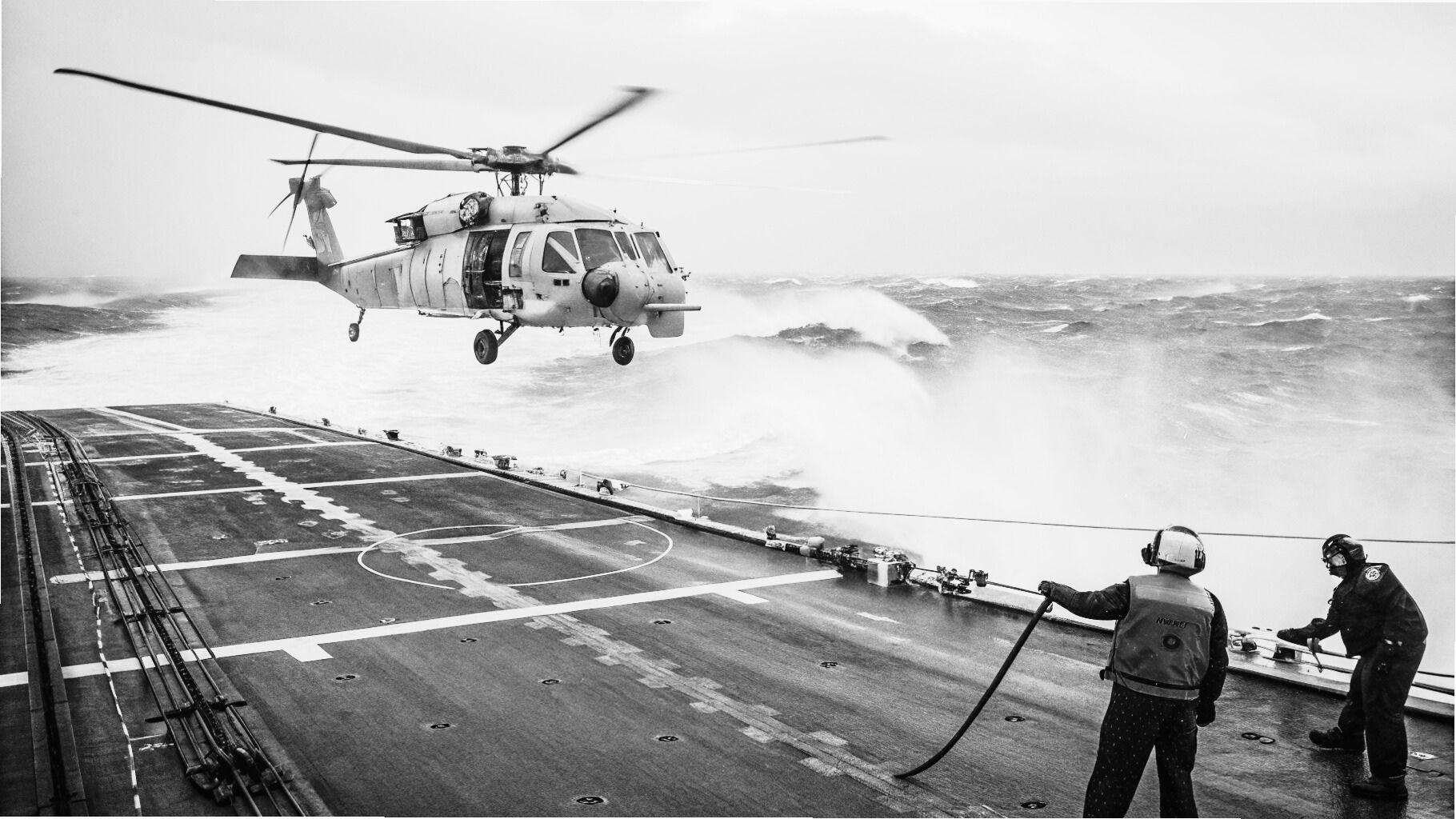
Recent conflicts have also revealed a new operational dimension for attack helicopters—countering low-flying drones. Countries such as Israel, the UAE, and Ukraine have demonstrated how helicopters can intercept UAVs by leveraging their ability to operate at low speeds and altitudes, enabling visual tracking and engagement using onboard cannons, rockets, or air-to-air munitions.