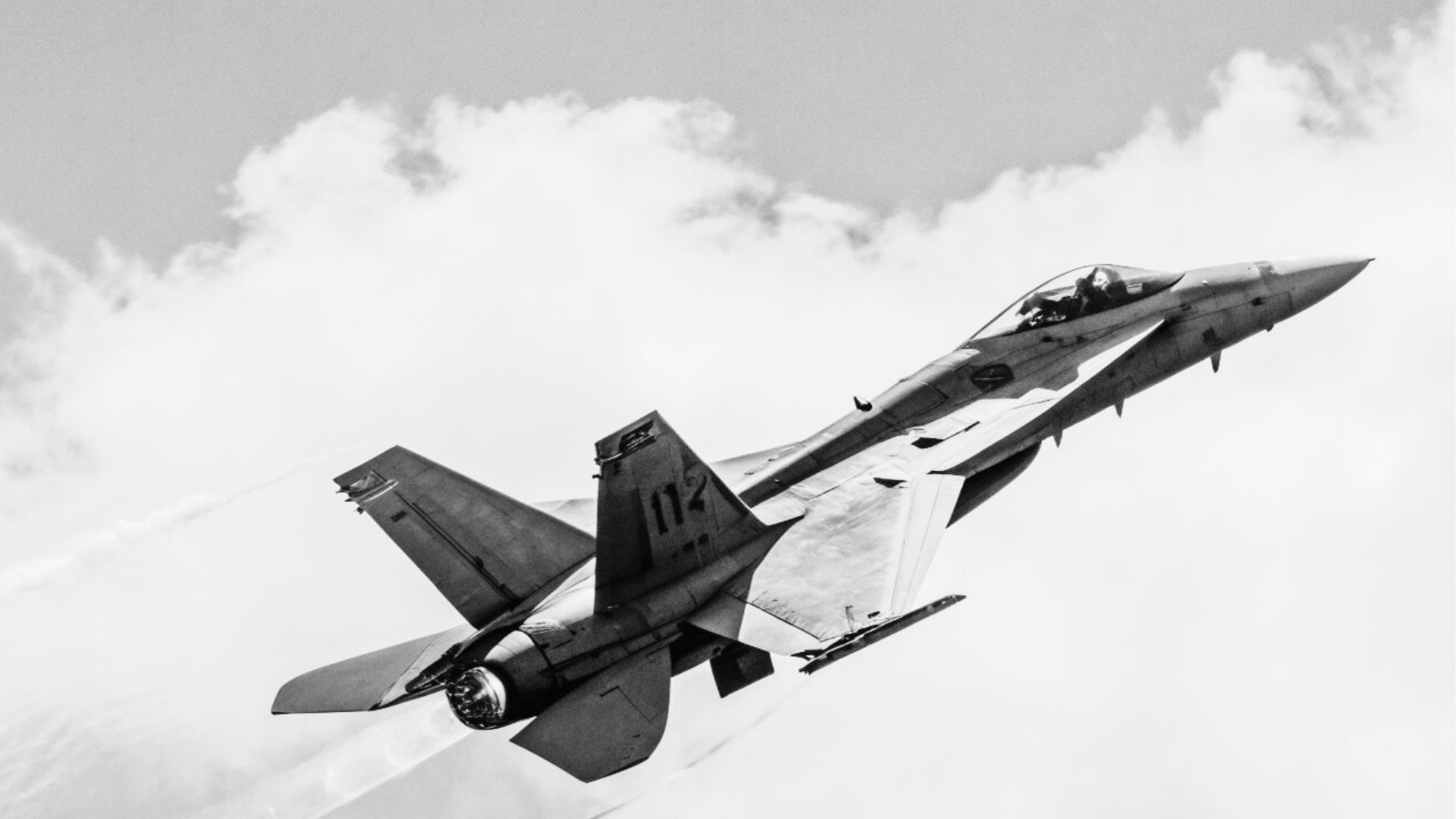
As the United States moves forward with the AIM-260 Joint Advanced Tactical Missile (JATM), the Indian Air Force (IAF) is steadily assembling one of Asia’s most capable beyond-visual-range air-to-air missile (BVRAAM) arsenals. Combining Russian-origin weapons with indigenous developments, India is building a layered missile inventory that will equip platforms such as the Su-30MKI, Rafale, MiG-29UPG, Tejas, and future combat aircraft. The strategy is aimed at extending engagement ranges, enhancing air superiority, and strengthening self-reliance in advanced air combat technologies.
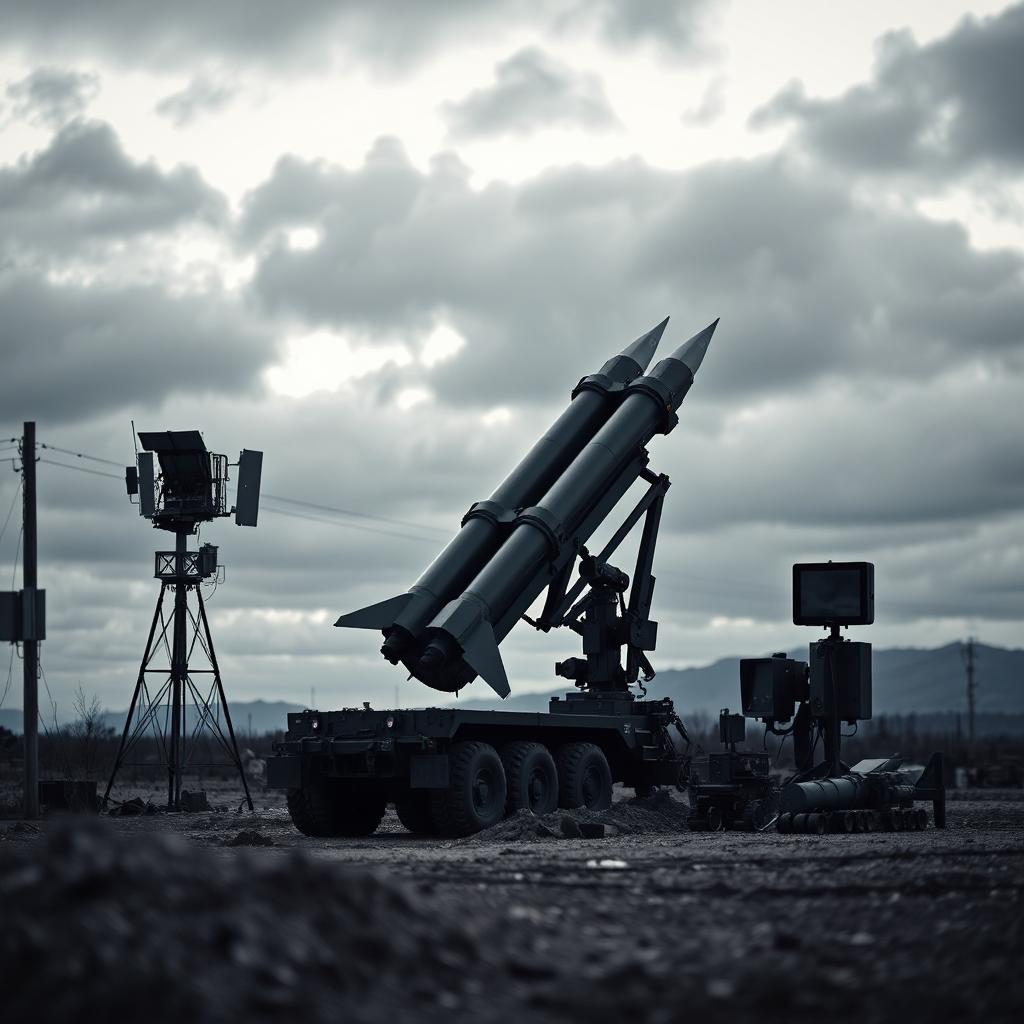
Leading the future inventory is the Russian R-37M missile, which is expected to enter IAF service in the latter half of the decade. Powered by a dual-pulse rocket motor, the missile can reportedly reach speeds of up to Mach 6 and engage targets at ranges between 200 and 400 kilometers. Designed primarily to target high-value assets such as AWACS aircraft, aerial refueling tankers, and long-range fighter threats, the R-37M will likely be integrated with the Su-30MKI fleet, significantly boosting India’s long-range interception capabilities.
Alongside the R-37M, the indigenous Astra Mk II is progressing toward operational induction and is set to become a cornerstone of India’s homegrown missile portfolio. Featuring a dual-pulse propulsion system, a projected range of up to 240 kilometers, and speeds exceeding Mach 4, the missile is designed for compatibility across multiple fighter platforms, including the Su-30MKI, Rafale, MiG-29UPG, and Tejas. Its widespread integration is expected to simplify logistics while increasing indigenous content in critical air-to-air weapon systems.
Further ahead, India is developing the Gandiva missile, a next-generation BVRAAM powered by a solid-fuel ducted ramjet. Expected to offer engagement ranges between 200 and 350 kilometers, Gandiva is being designed to maintain higher energy levels throughout flight, improving effectiveness against agile and maneuvering targets. The missile is anticipated to equip major frontline fighters and represents a significant step forward in India’s indigenous propulsion and missile technologies.
Together, the R-37M, Astra Mk II, and Gandiva will provide the IAF with a layered long-range air combat capability. The combination balances immediate operational advantages from proven foreign systems with long-term investments in indigenous technology. As fighter modernization programs continue and new aircraft enter service, these missiles are expected to form the backbone of India’s future air dominance strategy, ensuring both enhanced combat capability and greater strategic autonomy.