India’s long-awaited Intelligence, Surveillance, Target Acquisition and Reconnaissance (ISTAR) aircraft program has entered a critical procurement stage following approval by the Defence Acquisition Council (DAC) for the acquisition of three specialized aircraft valued at nearly $1.2 billion. The initiative is increasingly regarded as one of the Indian Air Force’s most significant investments for enhancing future network-centric warfare capabilities.
Although the Bombardier Global 6500 emerged as the frontrunner in late 2025, the competition may remain open. Dassault Aviation has reportedly proposed its Falcon 10X ultra-long-range business jet as an alternative platform, potentially adding a new dimension to the selection process. The Global 6500 gained an edge after production of the Gulfstream G550 ended in 2021, raising concerns about long-term sustainment, support, and upgrade potential. Its modern design, operational efficiency, and lifecycle advantages make it a strong candidate for a program expected to remain in service for decades.
The Falcon 10X, however, offers attractive attributes including a larger cabin, extended range, and superior high-altitude performance, all of which are valuable for long-duration intelligence missions. Despite ongoing airframe evaluations, the heart of the ISTAR capability will be indigenous. Mission systems and sensor suites are being developed by DRDO’s Centre for Airborne Systems (CABS), leveraging expertise gained through the Netra AEW&C program.
Unlike traditional AWACS platforms focused on airspace surveillance, the ISTAR aircraft will specialize in ground and maritime intelligence collection. Equipped with advanced Synthetic Aperture Radar (SAR), the platform will generate high-resolution imagery at stand-off ranges of up to 200 kilometers, while Ground Moving Target Indicator (GMTI) technology will enable tracking of mobile targets such as missile launchers, armored formations, and logistics convoys.
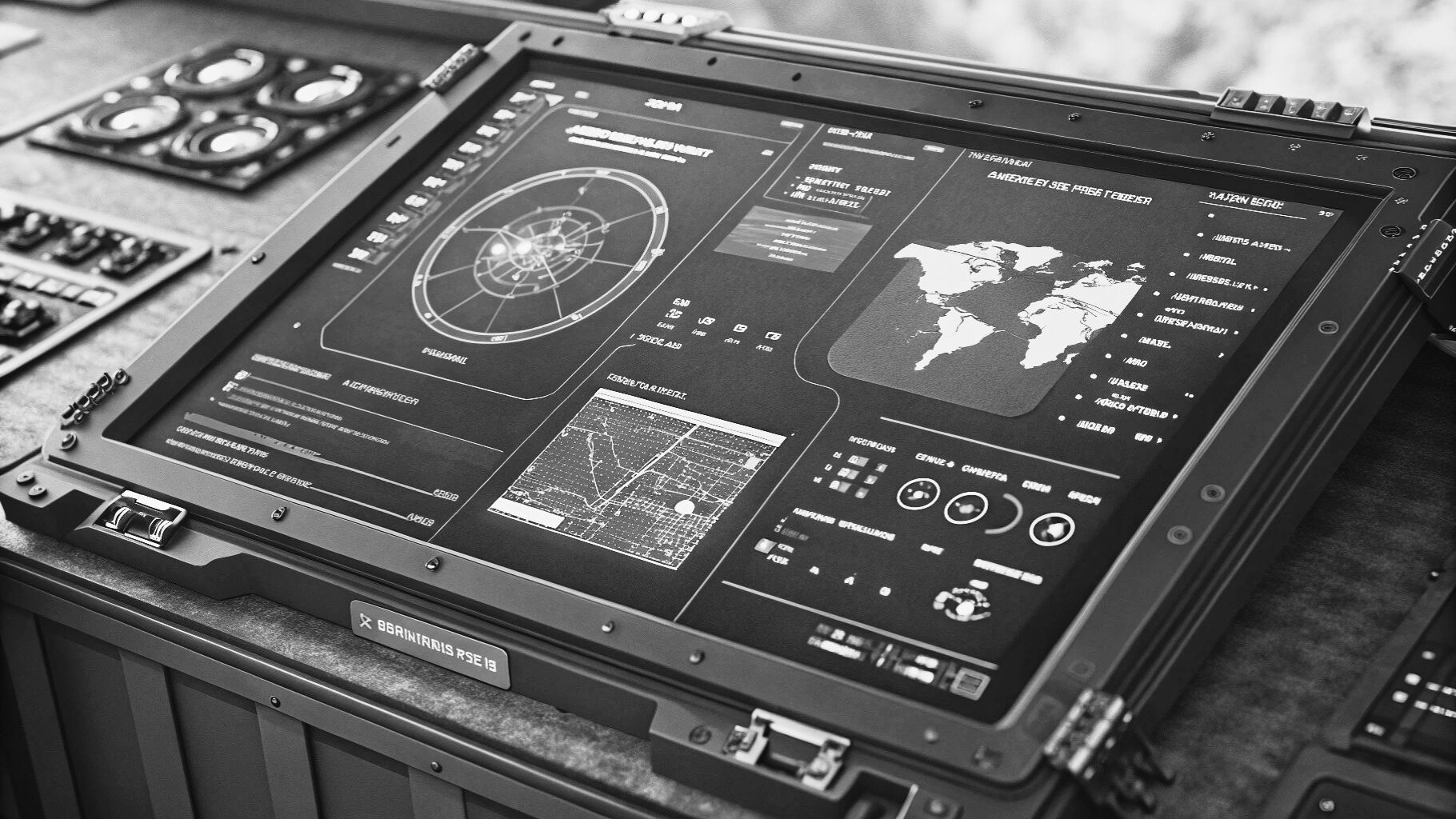
The aircraft will also integrate ELINT, COMINT, and EO/IR sensors to provide a comprehensive intelligence picture across the battlefield. AI-powered data fusion and automatic target recognition capabilities are expected to accelerate analysis and shorten response times. Connected to the Integrated Air Command and Control System (IACCS), the ISTAR fleet will serve as a high-altitude intelligence hub, rapidly transmitting actionable information to fighters, drones, missile forces, and frontline commanders. While the Bombardier Global 6500 remains the leading contender, Dassault’s Falcon 10X proposal could still influence the final procurement decision.