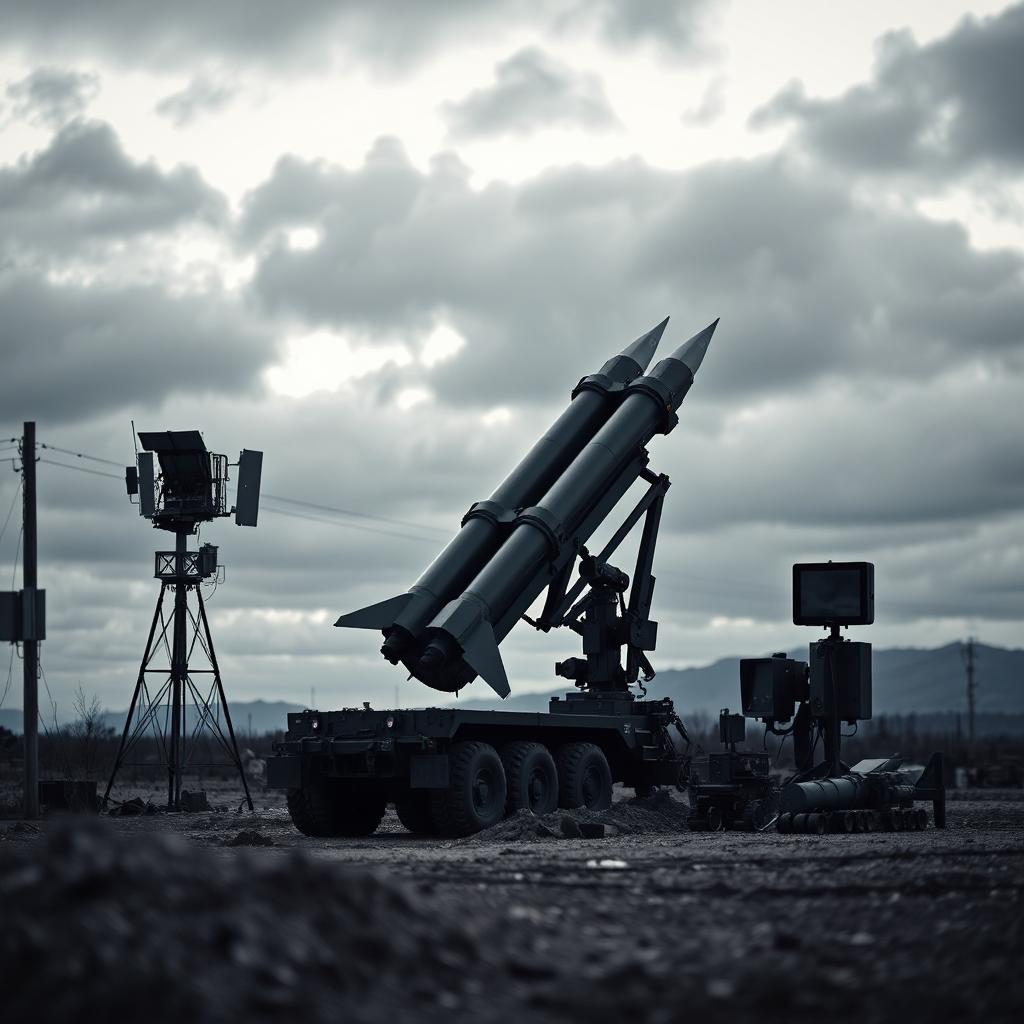
The Indian Air Force (IAF) is reportedly further refining the employment tactics of the S-400 Triumf following the successful use of “shoot and scout” procedures during last year’s conflict. The updated doctrine is aimed at improving survivability against advanced surveillance systems, including alleged Chinese reconnaissance satellites that were reportedly used to help the Pakistan Air Force (PAF) track Indian air defense deployments.
According to sources, the IAF had already shifted to highly mobile deployment patterns for S-400 units in response to increasing threats from space-based ISR and long-range precision strike systems. During the conflict, Indian forces are said to have monitored satellite orbital windows to reposition batteries before adversary forces could obtain targeting data.
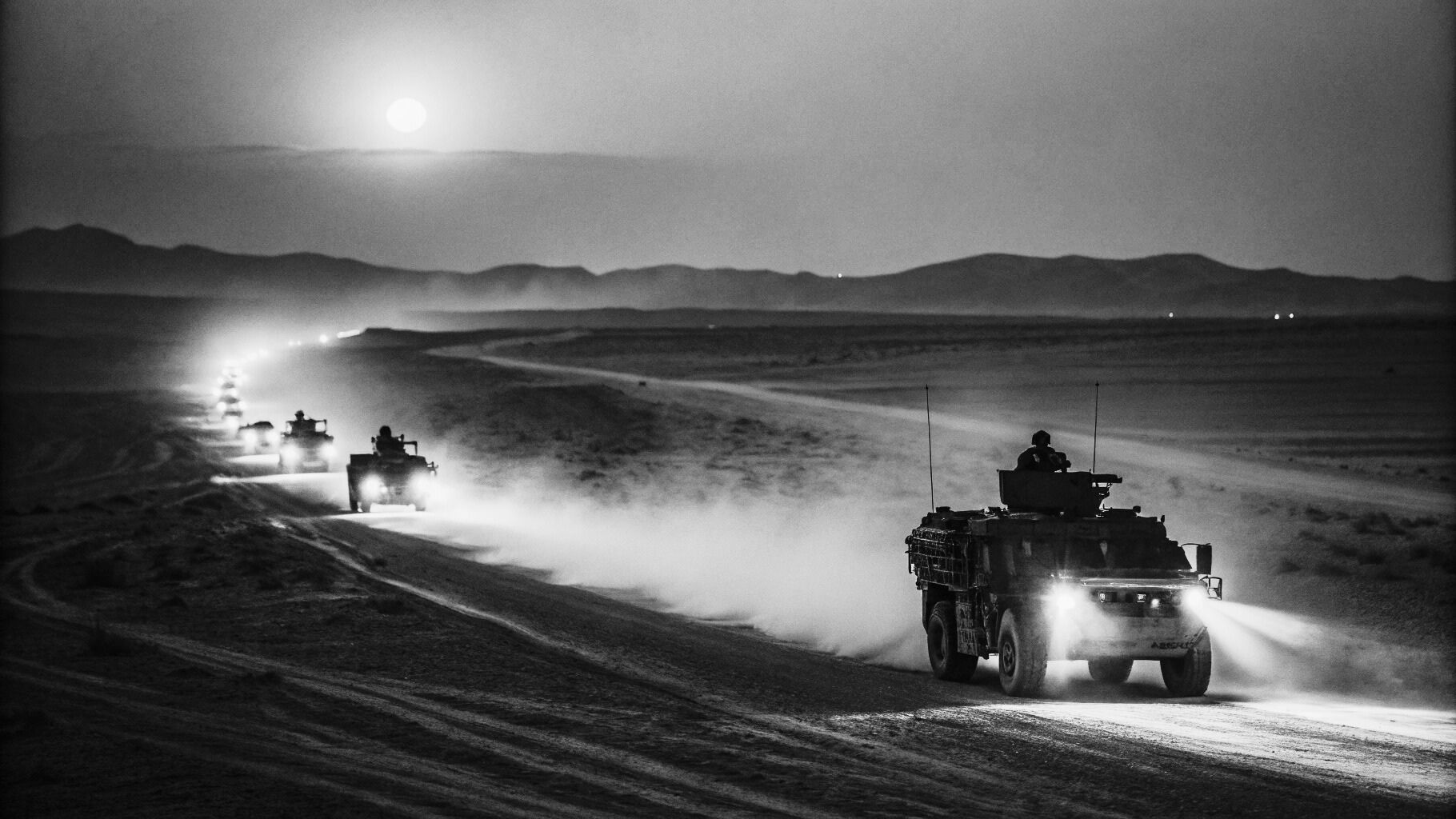
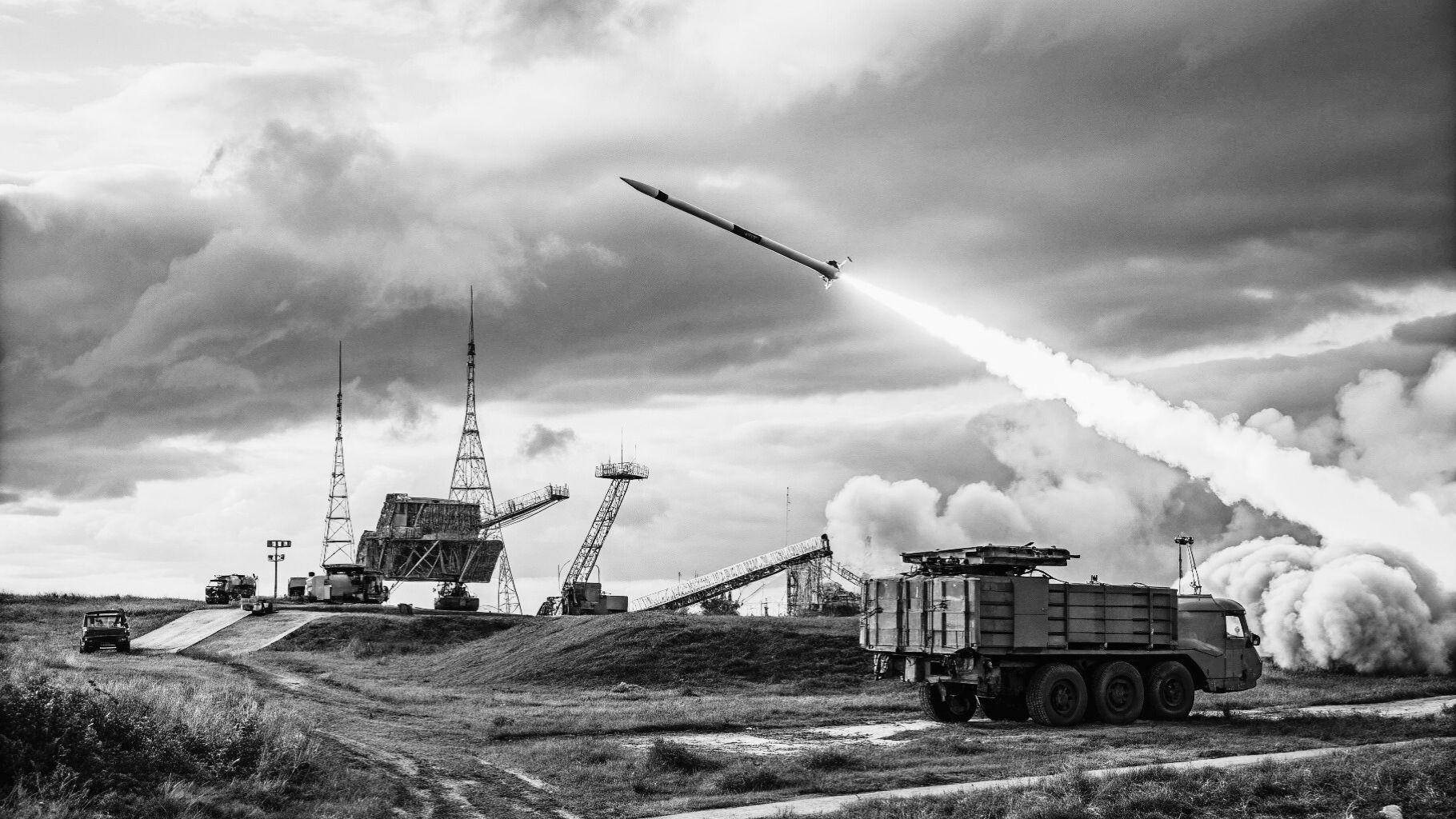
The S-400 firing units, reportedly under the command of Group Captain Animesh Patni and initially deployed at Adampur Air Base, are credited with refining “shoot and scout” tactics—where launcher vehicles immediately relocate after firing to reduce exposure to retaliatory strikes from aircraft, anti-radiation weapons, or stand-off missiles. Sources claim these tactics contributed to the system surviving repeated enemy attempts to locate and neutralize it, with the batteries also being credited with six aerial kills during the conflict.
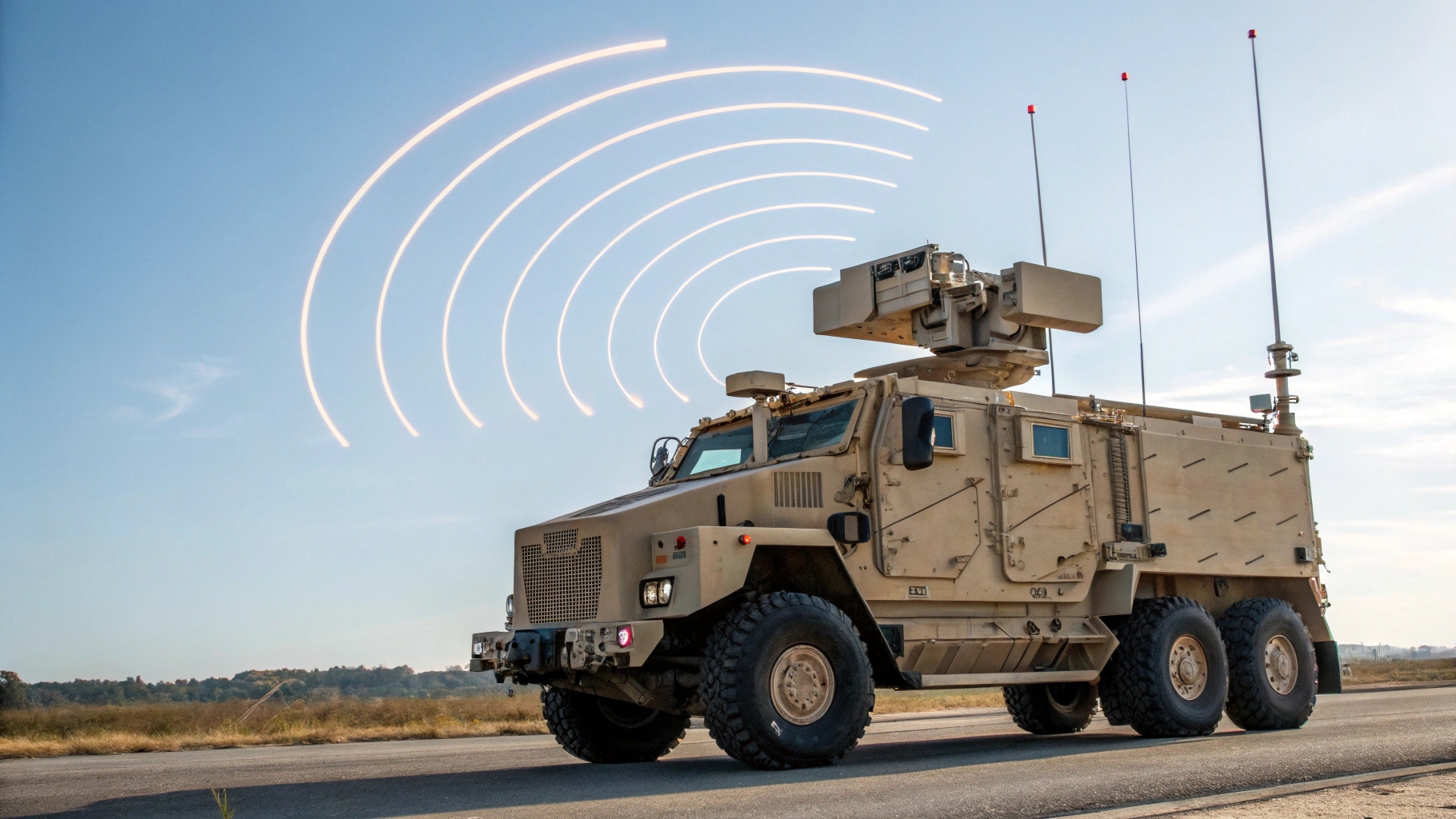
The IAF is now said to be evolving this approach further with a “shoot while moving” concept, where launchers operate at low speeds of around 5–7 kmph during firing preparation, minimize stationary time during missile launch, and rapidly exit the engagement zone immediately afterward. This aims to narrow the vulnerability window against real-time satellite tracking, electronic intelligence aircraft, and precision-guided munitions.
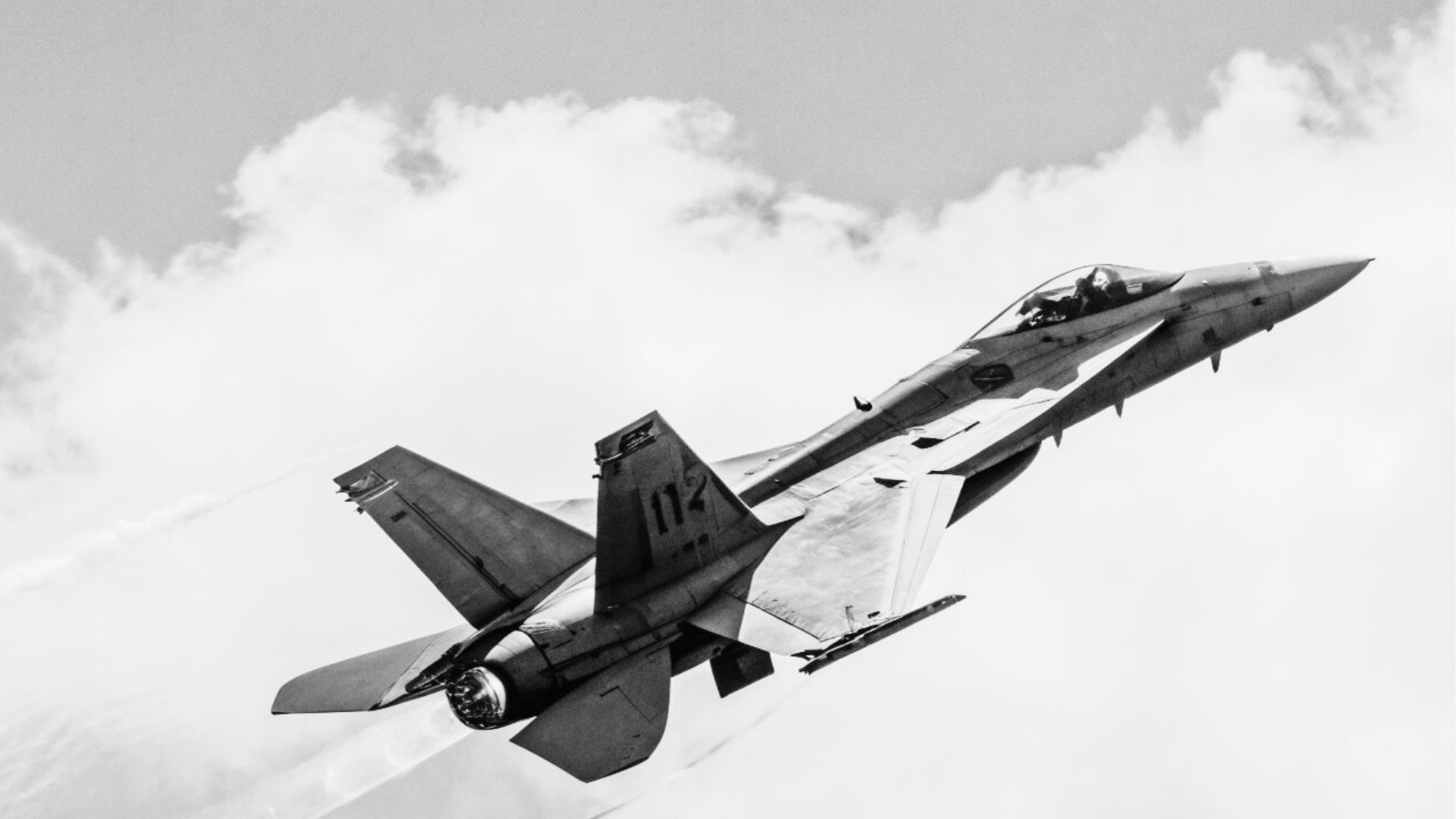
Reports also suggest that the PAF attempted to expose S-400 positions using JF-17 fighter aircraft armed with CM-400AKG missiles, employing bait-and-track tactics supported by electronic emissions monitoring. However, these efforts reportedly failed, with one missile intercepted and another impacting an empty field after misidentification of the launch zone. In another case, a strike reportedly hit a previously suspected position that had already been vacated.
Overall, the developments highlight how the IAF is adapting the Russian-origin S-400 Triumf for highly mobile, deception-driven operations tailored to a contested South Asian battlespace dominated by satellite surveillance and network-centric warfare.