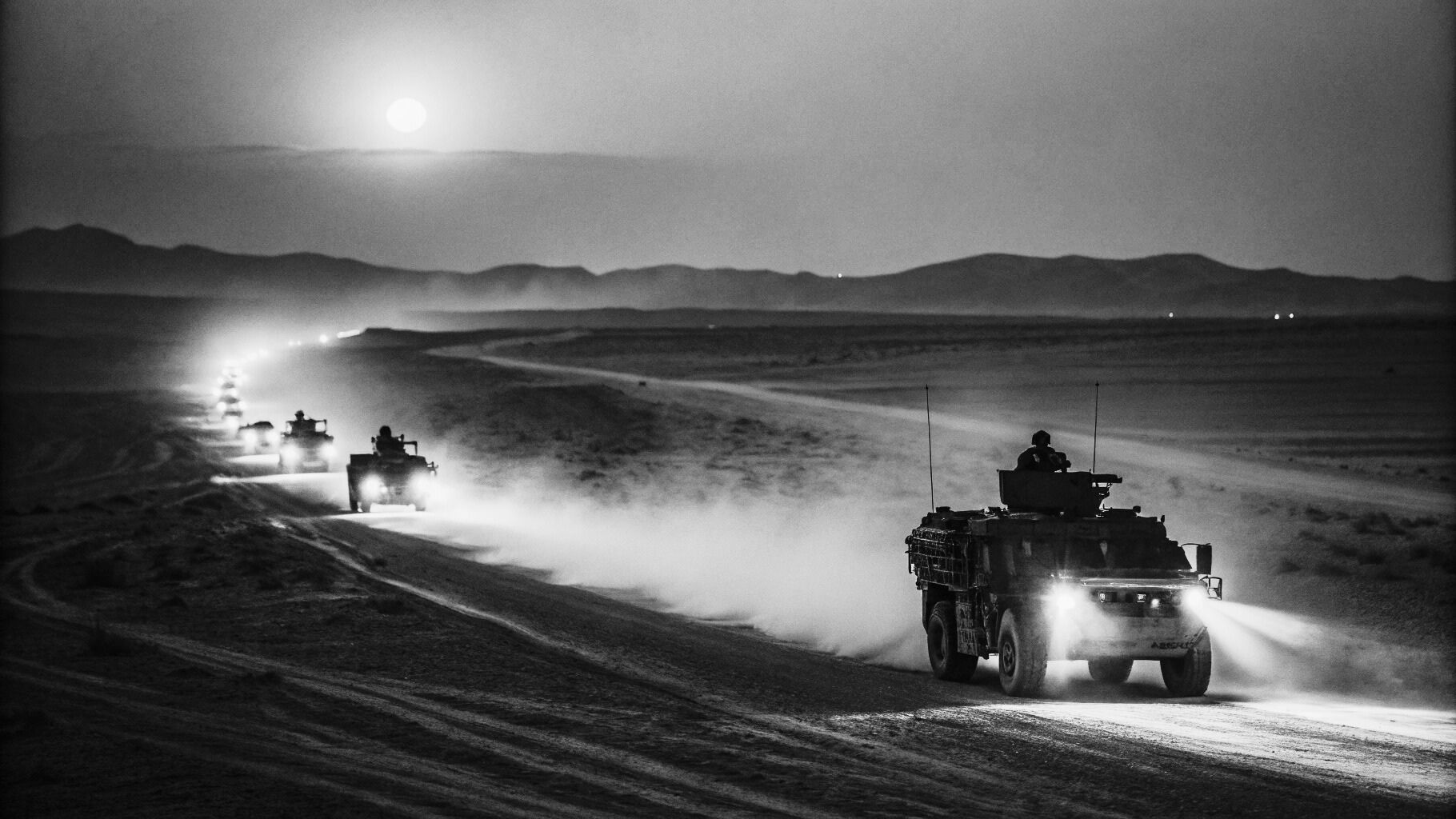
Armored vehicles have traditionally faced a difficult tradeoff between mobility and protection. Lighter platforms offered speed and agility but were highly vulnerable to ambushes and improvised explosive devices, while heavier vehicles improved survivability at the expense of maneuverability. The Joint Light Tactical Vehicle (JLTV) was developed to bridge this gap.
The Joint Light Tactical Vehicle is a modern light tactical truck designed to replace portions of the aging Humvee fleet. Built primarily for the US Army and US Marine Corps, it delivers enhanced protection, improved off-road mobility, and greater payload capacity while remaining adaptable across multiple mission roles. Originally developed by Oshkosh Defense, which secured the production contract in 2015, the vehicle incorporates lessons from both the Humvee and MRAP programs and has since been adopted by several allied nations.
The JLTV program emerged from operational challenges observed in Iraq and Afghanistan, where the Humvee proved vulnerable to explosive threats. The Pentagon initiated the program in the mid-2000s with clear objectives: improve protection, retain mobility, and ensure transportability by aircraft and helicopters. After extensive competition and testing, Oshkosh delivered a platform featuring advanced suspension, modular armor, and modern digital systems.
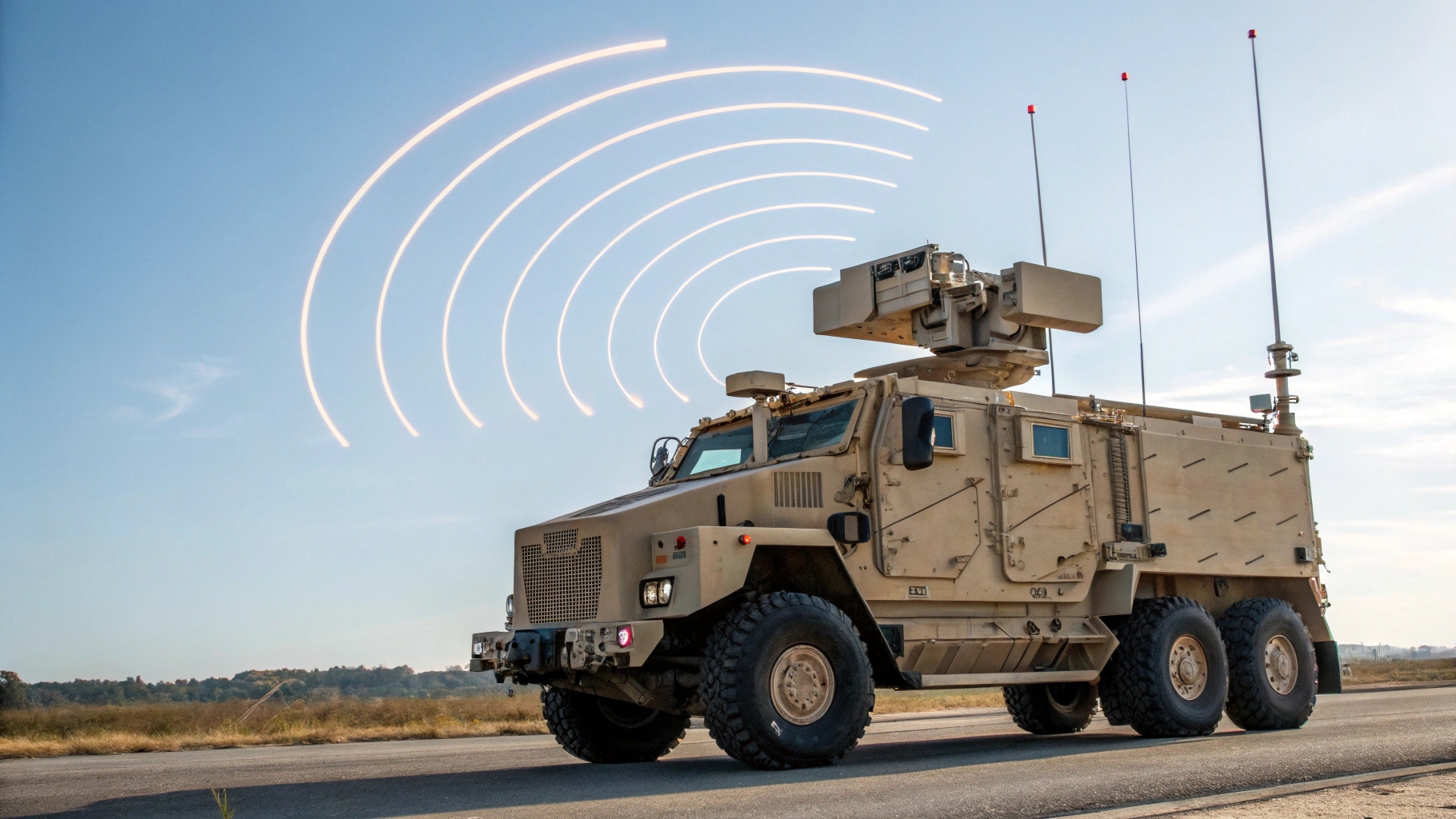
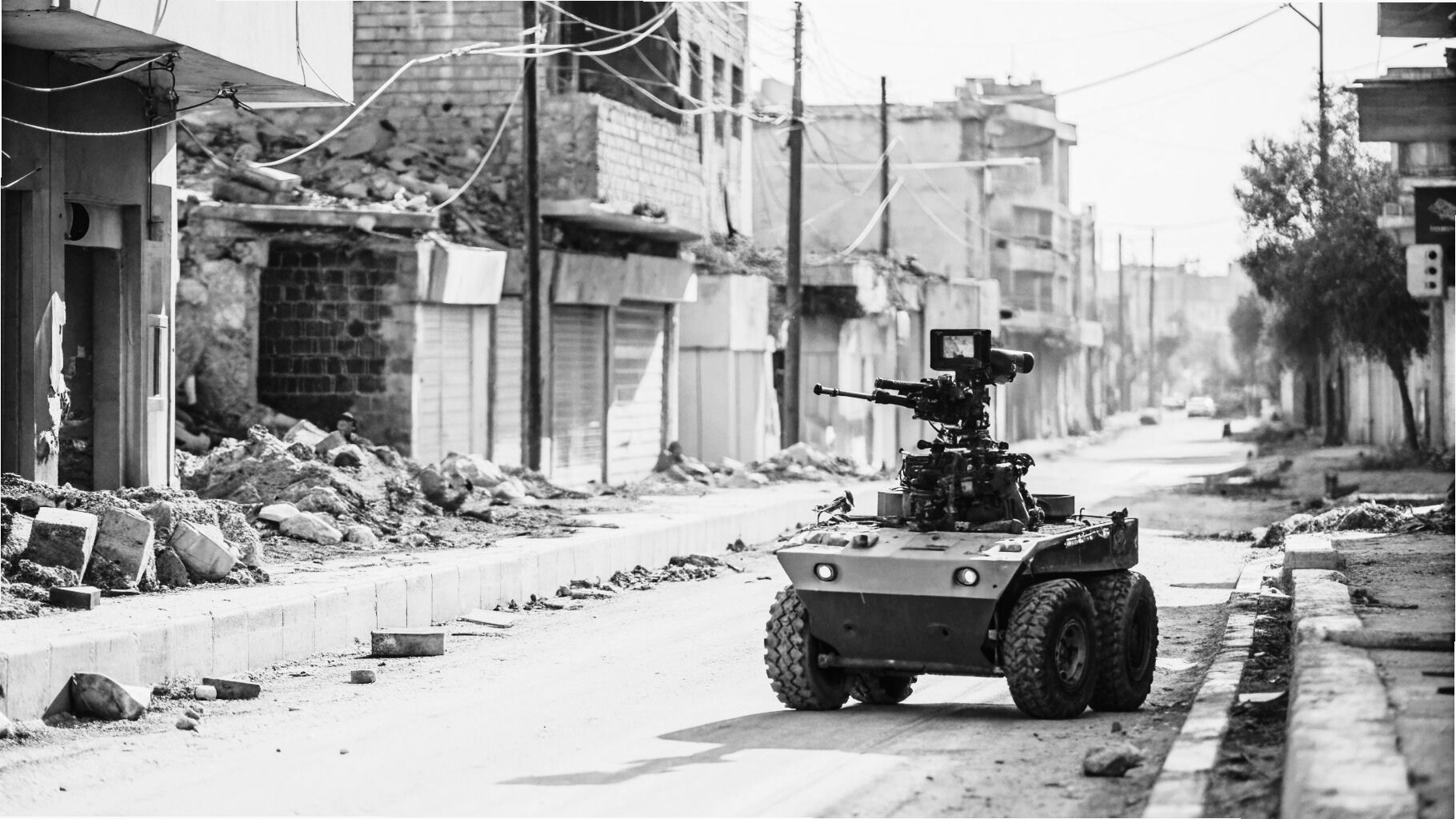
The JLTV family includes multiple configurations tailored to battlefield needs. The General Purpose variant supports troop transport and logistics, the Heavy Guns Carrier is designed for larger weapon systems, and the Close Combat Weapons Carrier accommodates anti-armor and heavy weapons. Each variant can be equipped with remote weapon stations, communications suites, and mission-specific payloads.
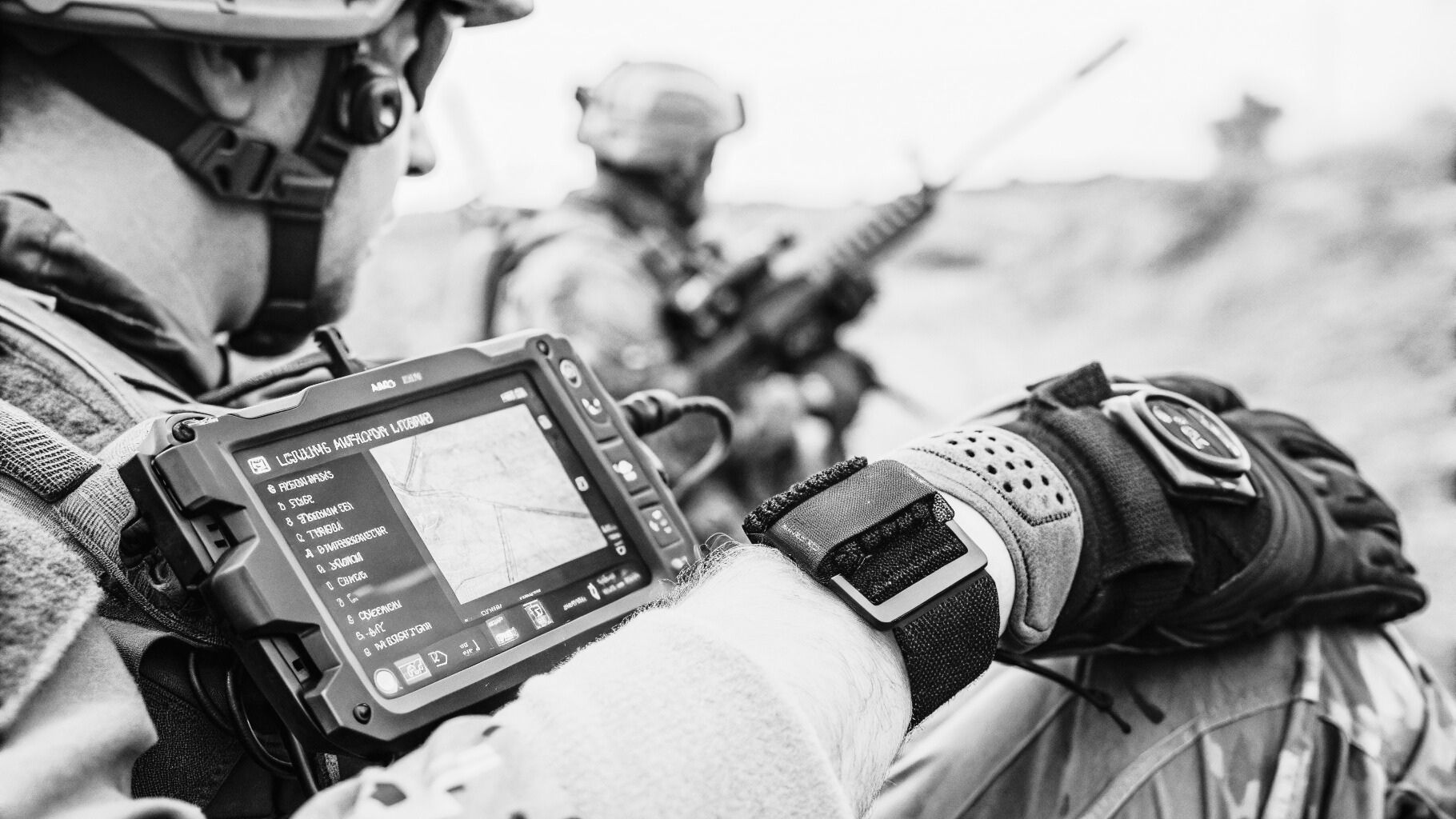
A key feature of the vehicle is its TAK-4i intelligent suspension system, which enhances off-road mobility by adjusting ride height and absorbing terrain shocks. Survivability is improved through MRAP-inspired blast protection and modular armor kits, while a digital architecture enables integration with sensors, communications, and networked battlefield systems.
The JLTV’s strengths lie in its balance of survivability, mobility, and modularity, making it suitable for a wide range of missions. However, it remains heavier and more expensive than legacy platforms like the Humvee, which can impact logistics and procurement decisions. Despite these limitations, the vehicle has seen growing adoption globally, supporting roles such as reconnaissance, troop transport, command-and-control, and weapons deployment, particularly in expeditionary operations.