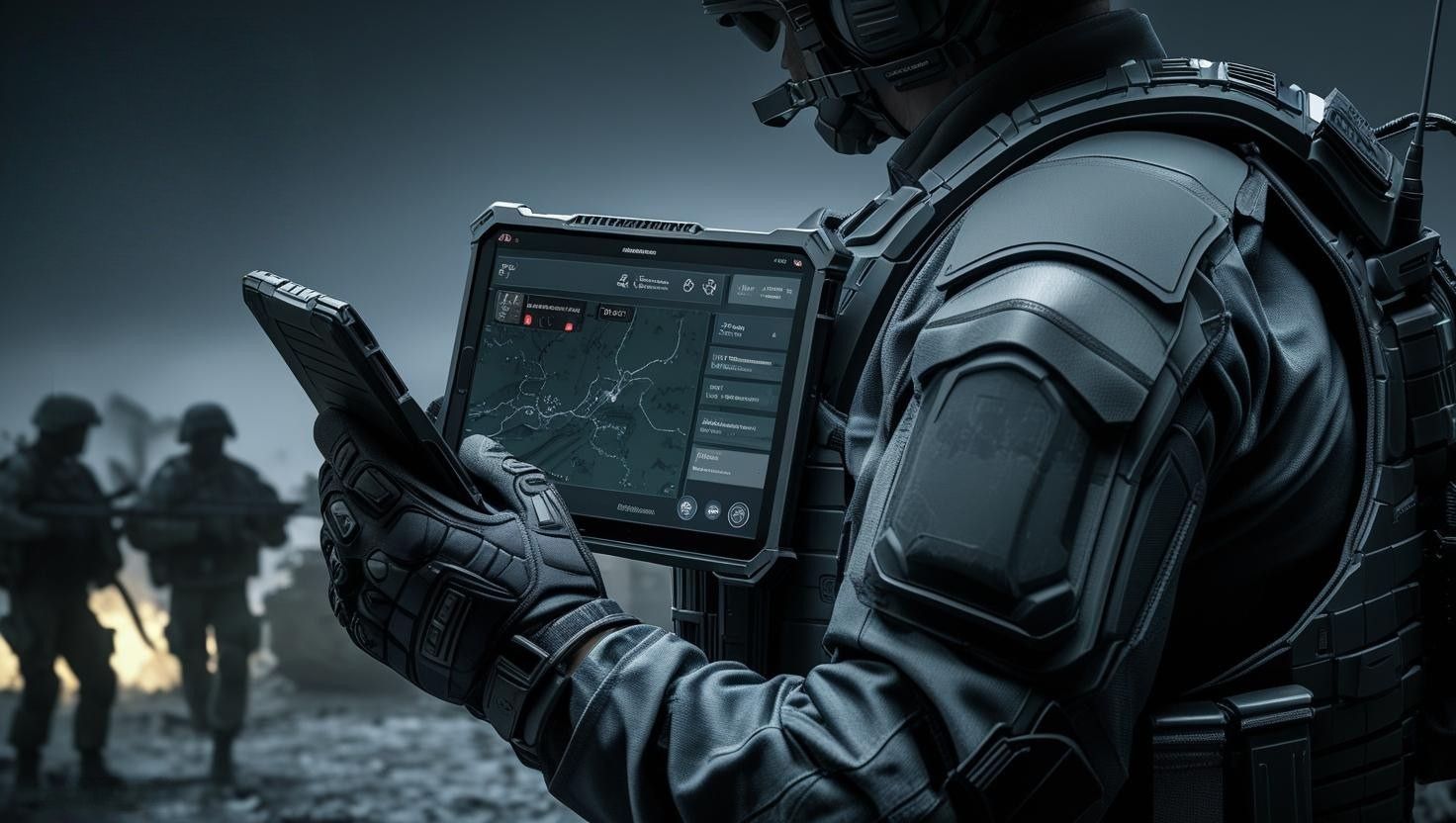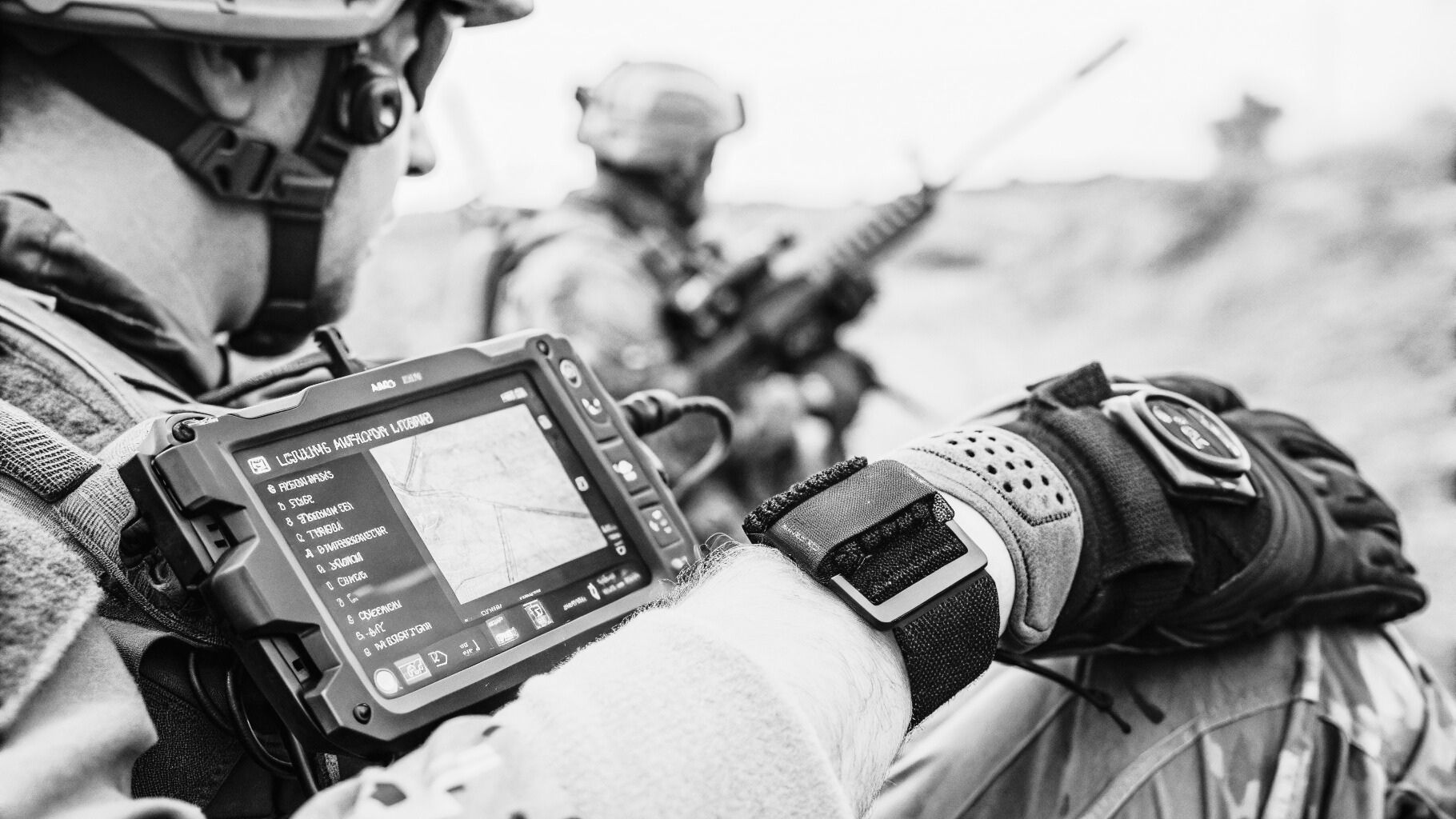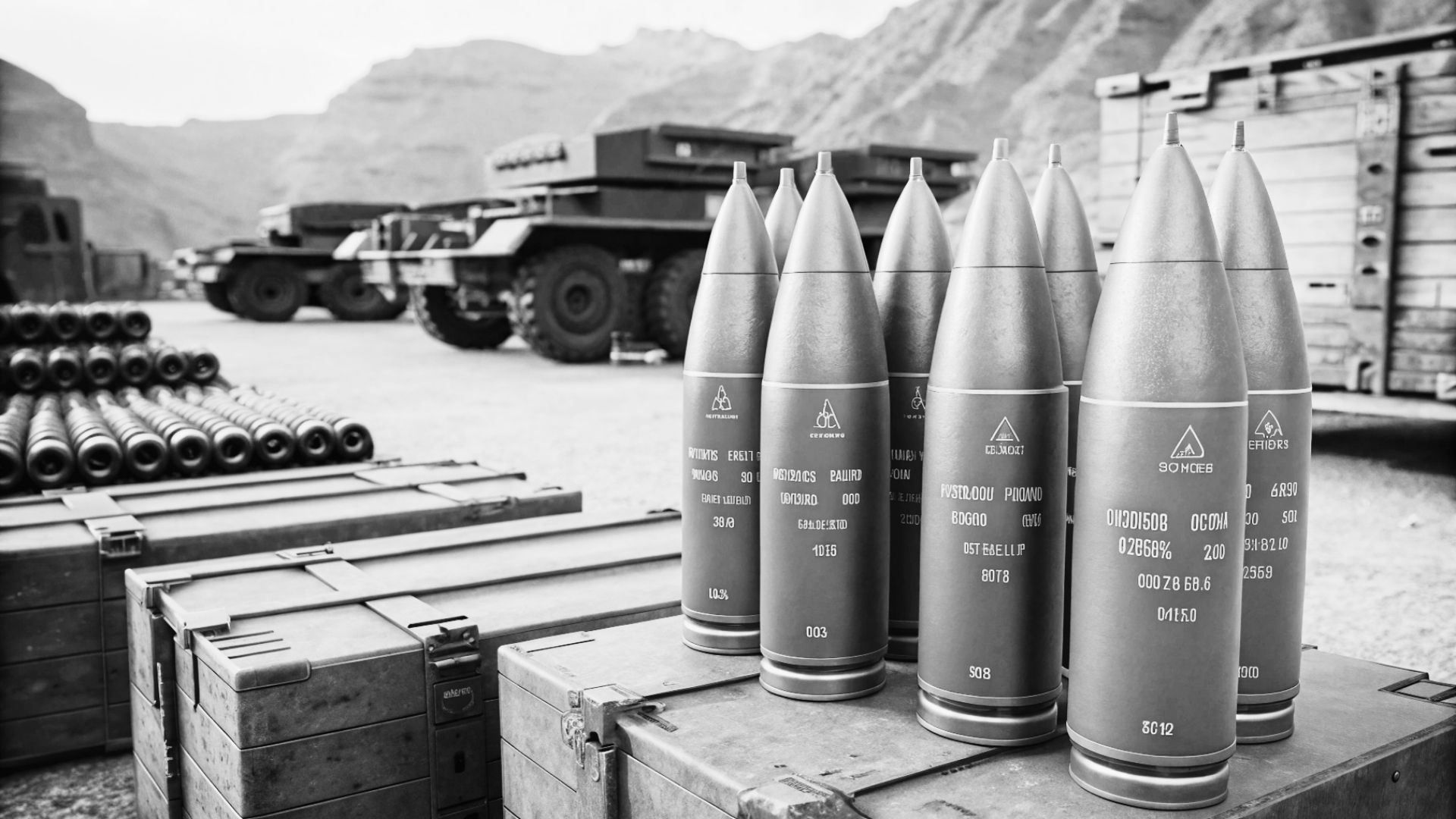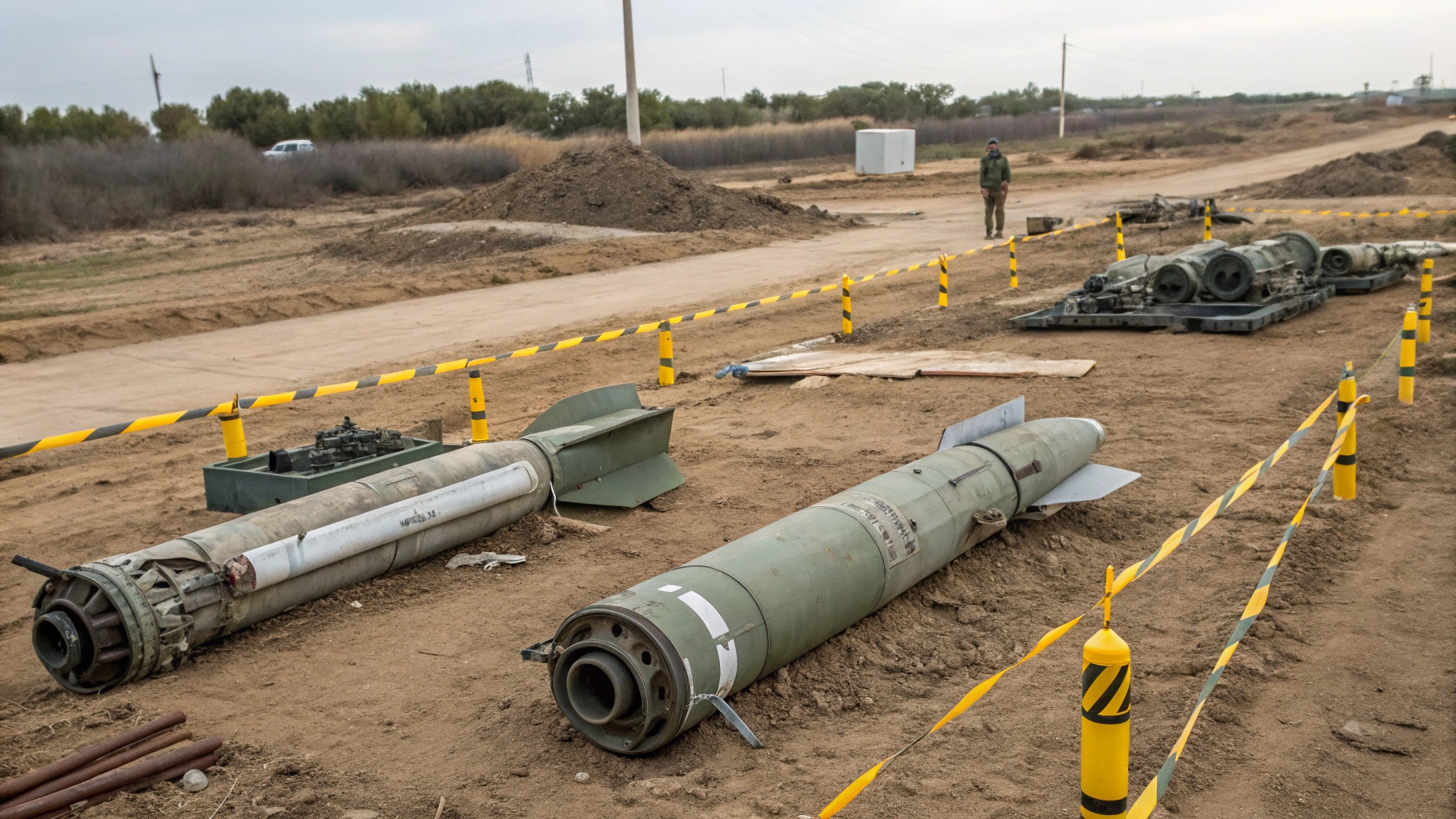
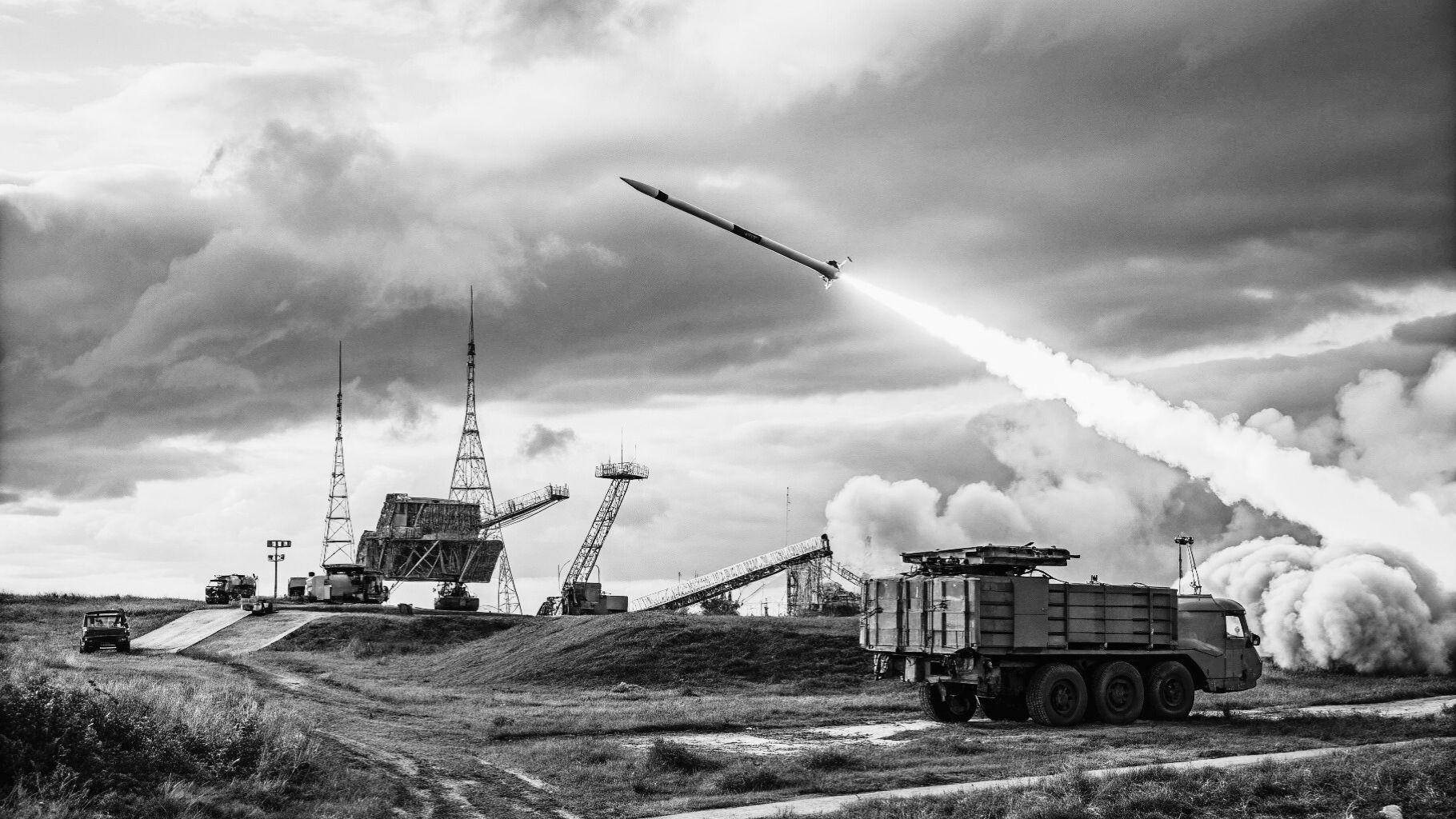
In a major step toward strengthening India’s infantry combat capability and indigenous defense ecosystem, the Indian Army has approved the procurement of the Man Portable Anti-Tank Guided Missile (MPATGM), developed by the Defence Research and Development Organisation. This decision represents a key milestone in reducing reliance on imported anti-tank systems and adopting a fully indigenous solution tailored to Indian operational requirements.
The MPATGM is a third-generation, fire-and-forget missile designed for infantry deployment across varied combat environments. With an effective range of around 2 kilometers, it is optimized for close-range engagements where mobility, rapid target acquisition, and high kill probability are critical. Its induction is expected to significantly enhance the Army’s ability to neutralize armored threats, particularly in high-intensity conflict zones and sensitive border areas.
Earlier concerns regarding the system’s weight—reportedly about 2 kilograms above the ideal threshold for man-portable systems—had raised questions about infantry mobility and endurance. However, the Army has proceeded with procurement, indicating that the missile’s operational benefits and indigenous advantages outweigh these limitations.
Production of the MPATGM will be undertaken by Bharat Dynamics Limited, ensuring efficient manufacturing and integration within India’s domestic defense supply chain. This move aligns with the country’s broader push for self-reliance in critical military technologies under the Atmanirbhar Bharat initiative.
Technologically, the system features an advanced imaging infrared (IIR) seeker, enabling precise targeting and effective discrimination even in complex battlefield conditions. Its fire-and-forget capability allows operators to disengage immediately after launch, enhancing survivability and enabling rapid engagement cycles—key attributes in modern combat scenarios.