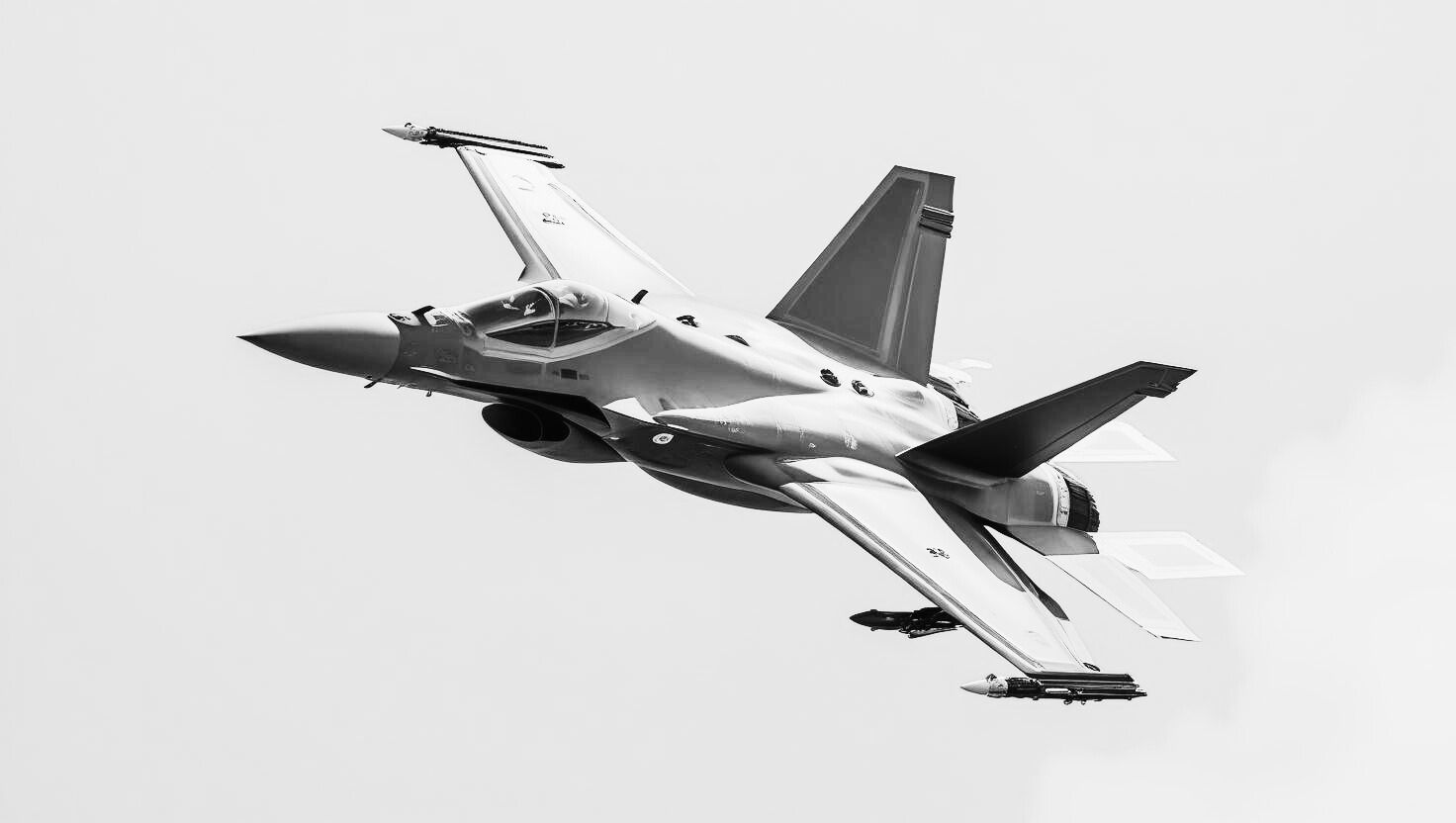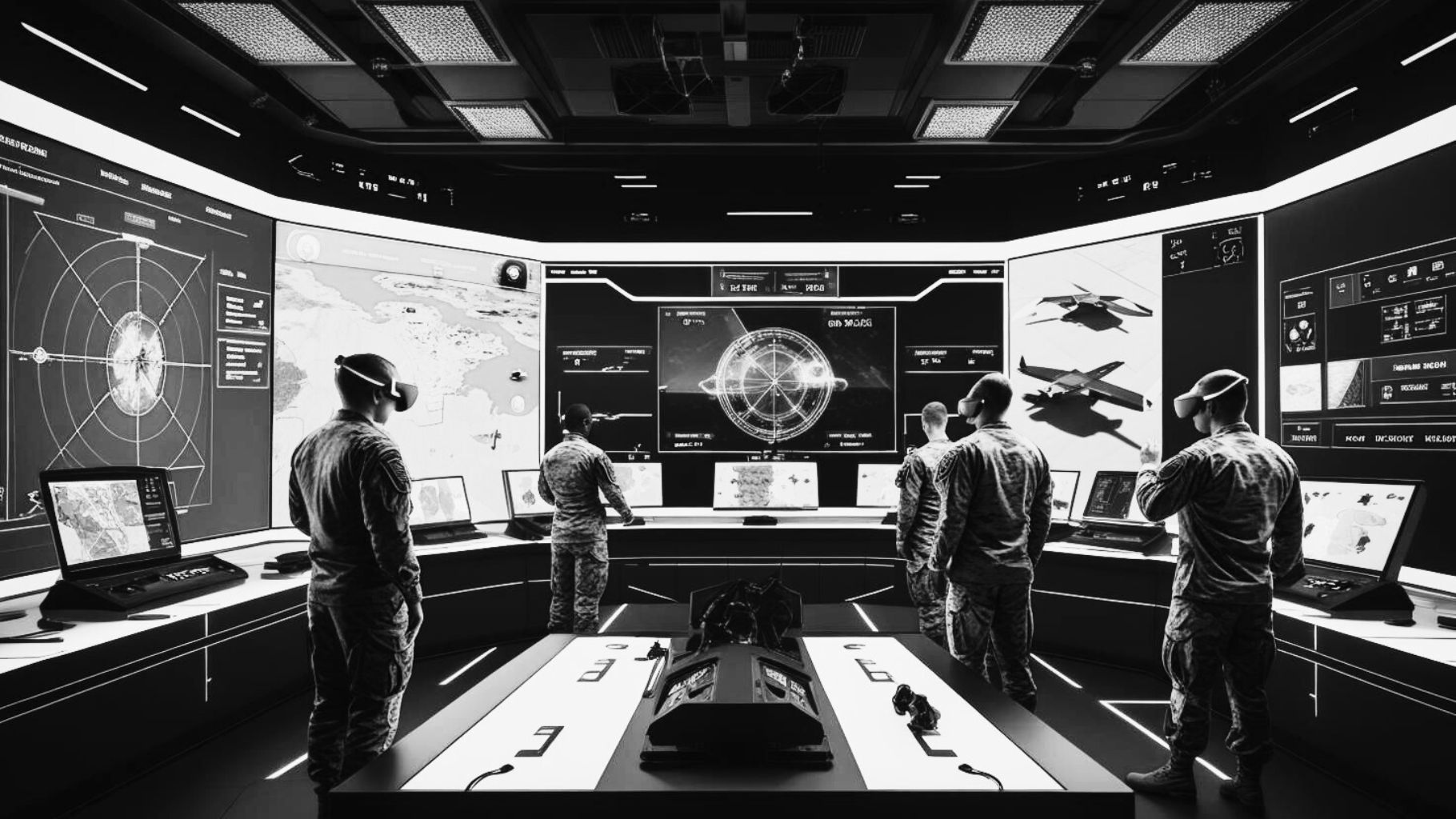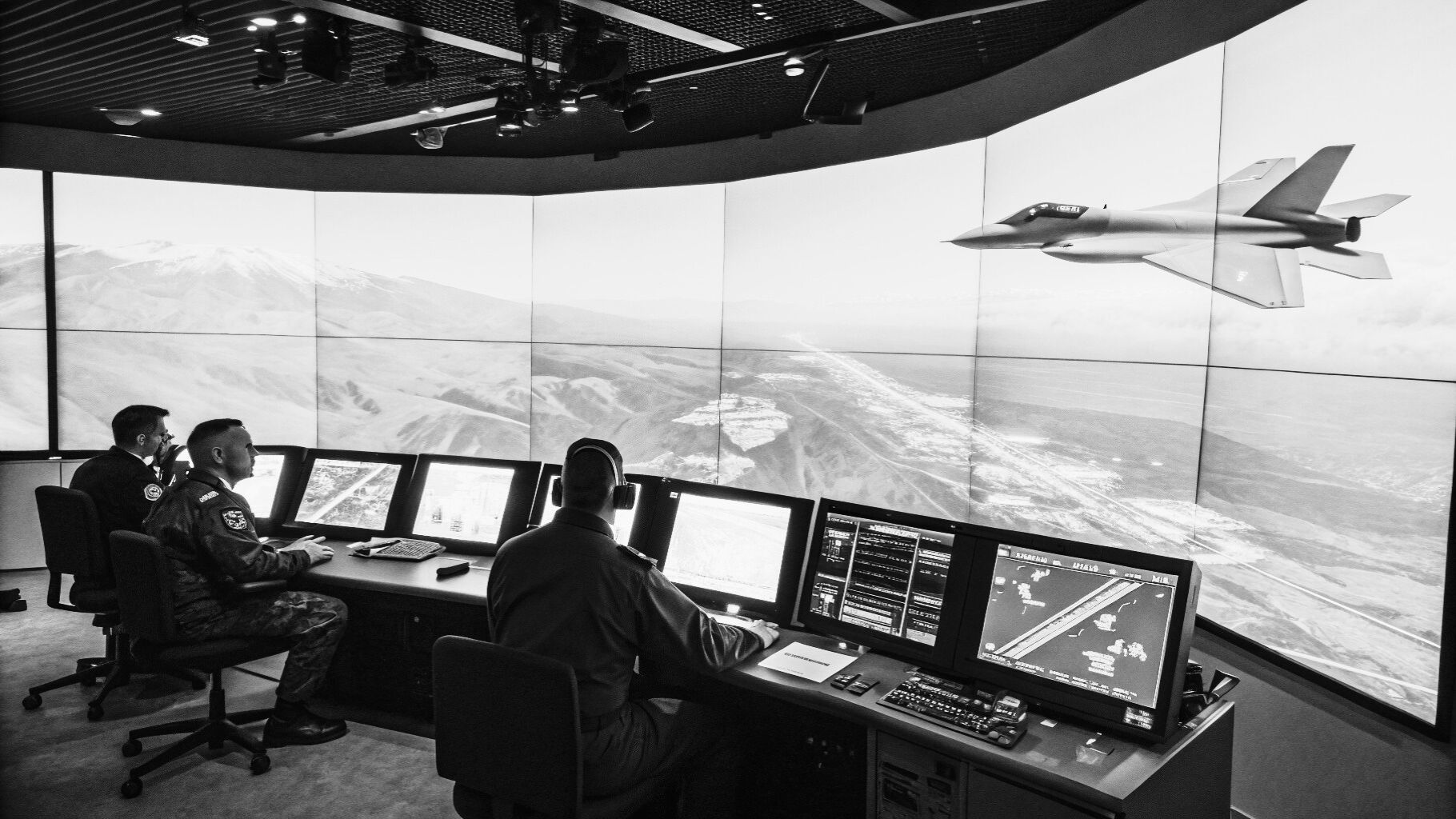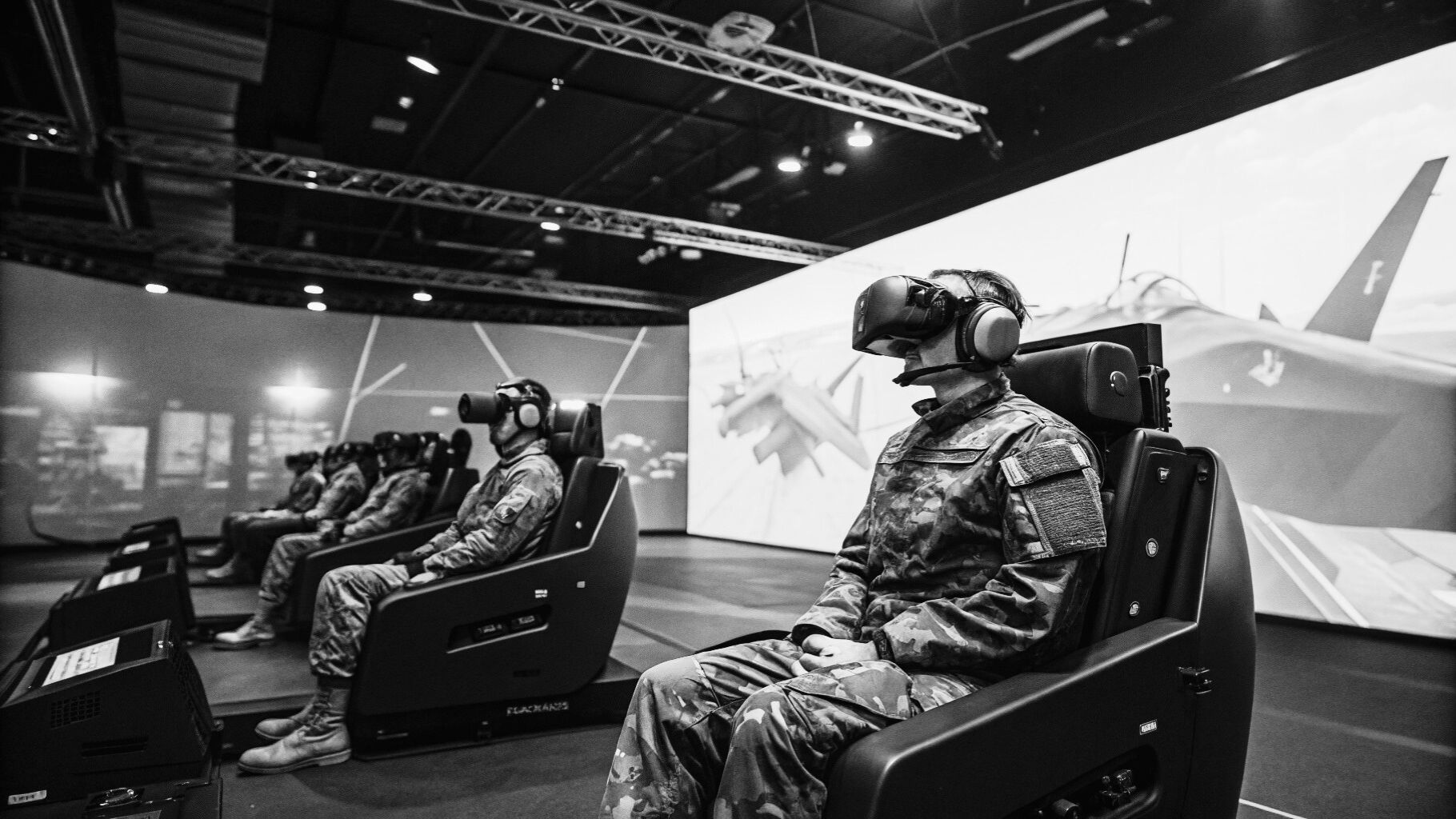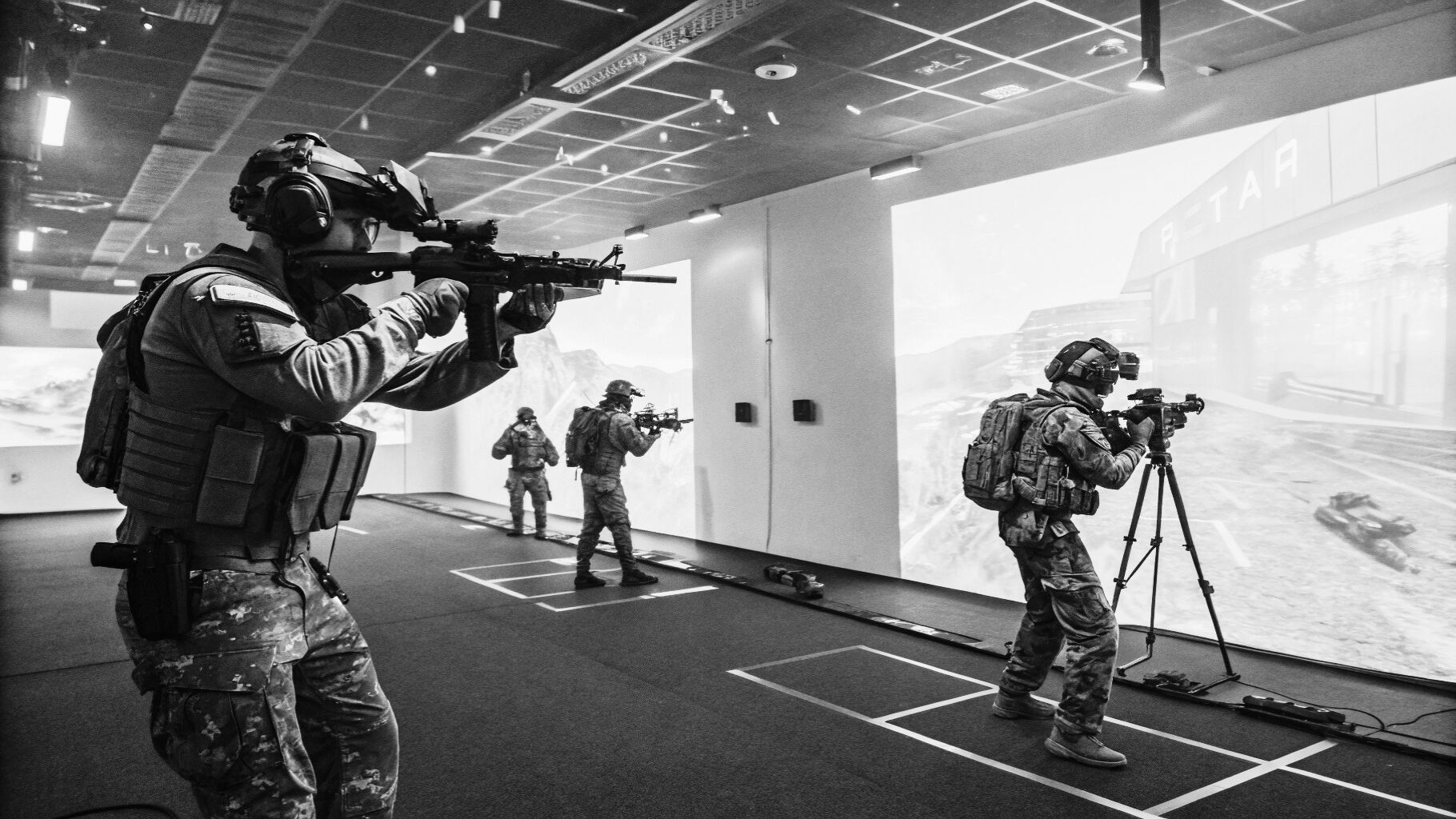
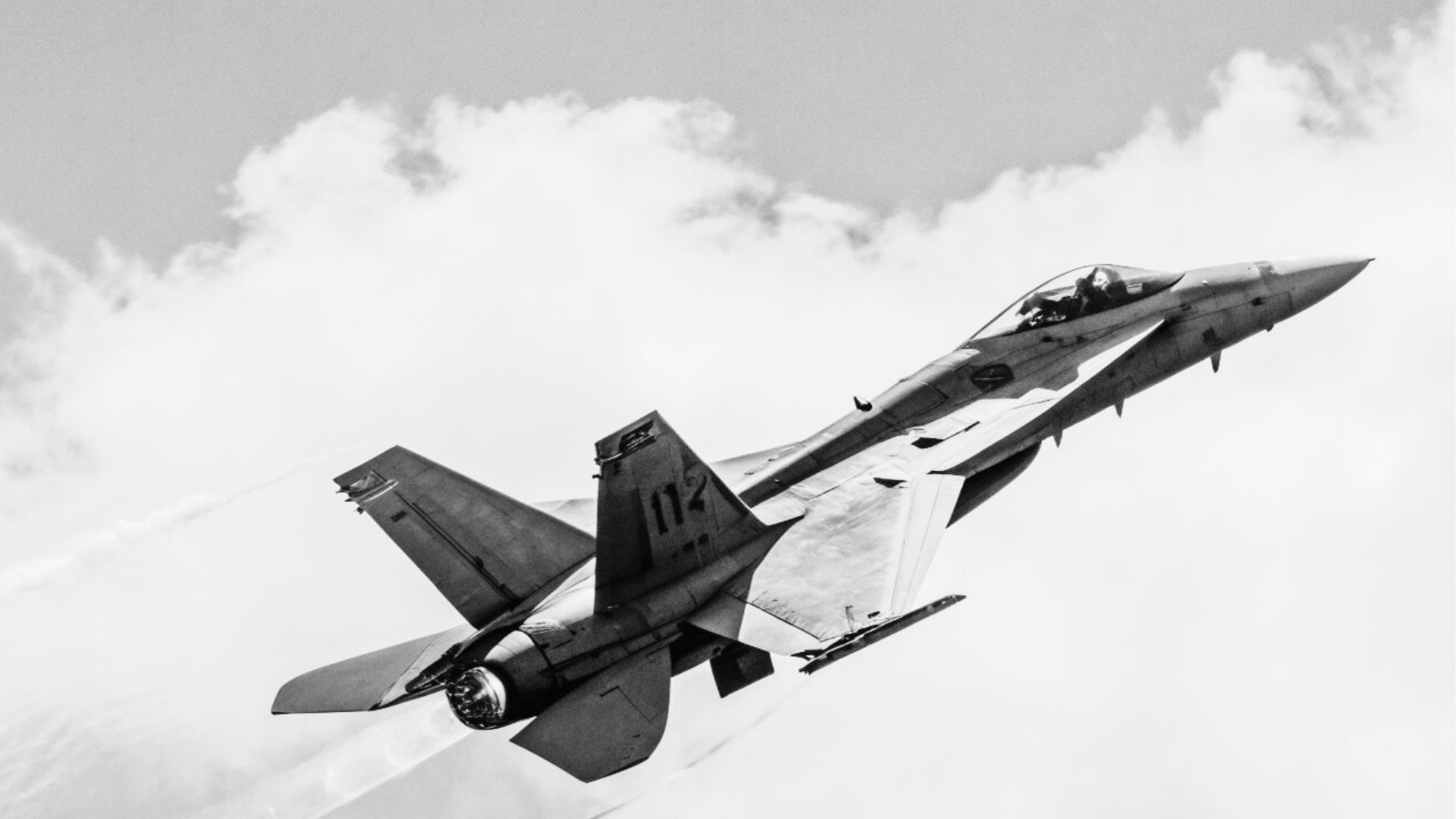
The Indian Air Force (IAF) is reportedly planning to increase the number of Tejas twin-seat trainer aircraft under the second phase of the Tejas Mk1A procurement program as it introduces a new fighter pilot training doctrine tailored for fifth-generation warfare. Sources indicate that the newly established Lead-in Fighter Trainer Optimized High-Altitude Readiness (LOHAR) syllabus is designed to bridge the gap between traditional fighter operations and the highly networked, sensor-driven combat environment expected in future platforms such as the Advanced Medium Combat Aircraft (AMCA).
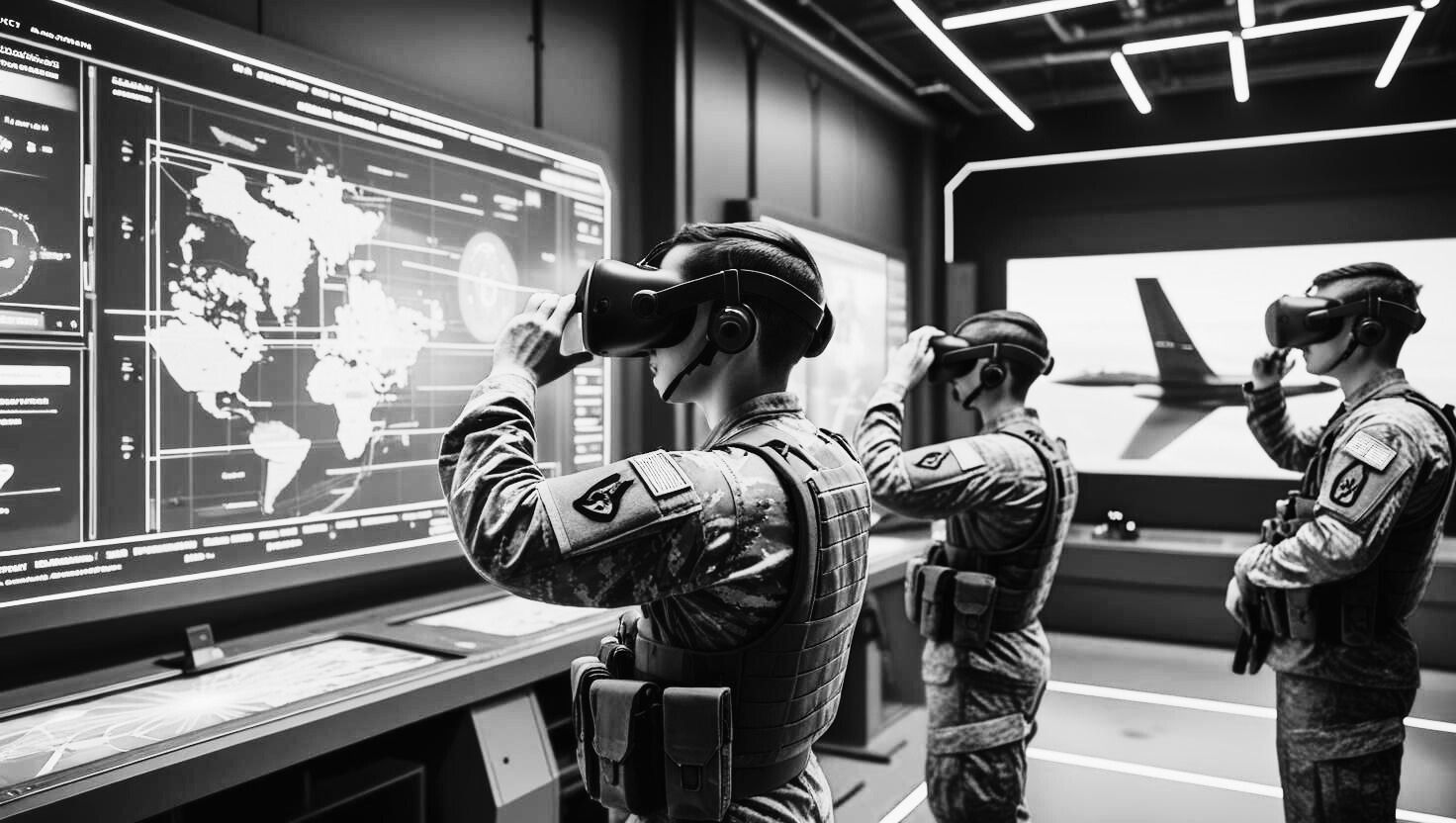
Under this evolving approach, the Tejas twin-seat trainer is no longer viewed solely as a replacement for the aging Hawk advanced jet trainer fleet. Instead, the aircraft is being positioned as a tactical training platform where pilots learn to operate within network-centric battlespaces, manage electronic warfare systems, utilize secure tactical data links, and conduct cooperative engagements before transitioning to frontline fighters.
While the IAF originally planned to procure 29 twin-seat trainers as part of the 97-aircraft Tejas acquisition package, growing emphasis on digital warfare and information-centric combat has reportedly increased interest in expanding the trainer fleet. The LOHAR syllabus represents a significant transformation in pilot training, shifting focus from traditional flying skills and weapons employment toward information management, sensor fusion, and battlefield awareness.
The first phase emphasizes high-angle-of-attack handling and advanced flight characteristics associated with the Tejas platform, preparing pilots for future aircraft such as the Tejas Mk2 and AMCA. Subsequent phases focus on sensor fusion, tactical data link operations, low-emission combat tactics, AESA radar management, electronic warfare training, and beyond-visual-range missile engagements.
The program also introduces pilots to Human-Machine Teaming concepts through simulated operations with loyal wingman systems such as the CATS Warrior project. According to reports, the first group of pilots completed the LOHAR-Alpha phase at the Tactical and Combat Development Establishment (TACDE) in May 2026, marking the beginning of a new generation of fighter pilot training focused on networked and digitally enabled warfare.