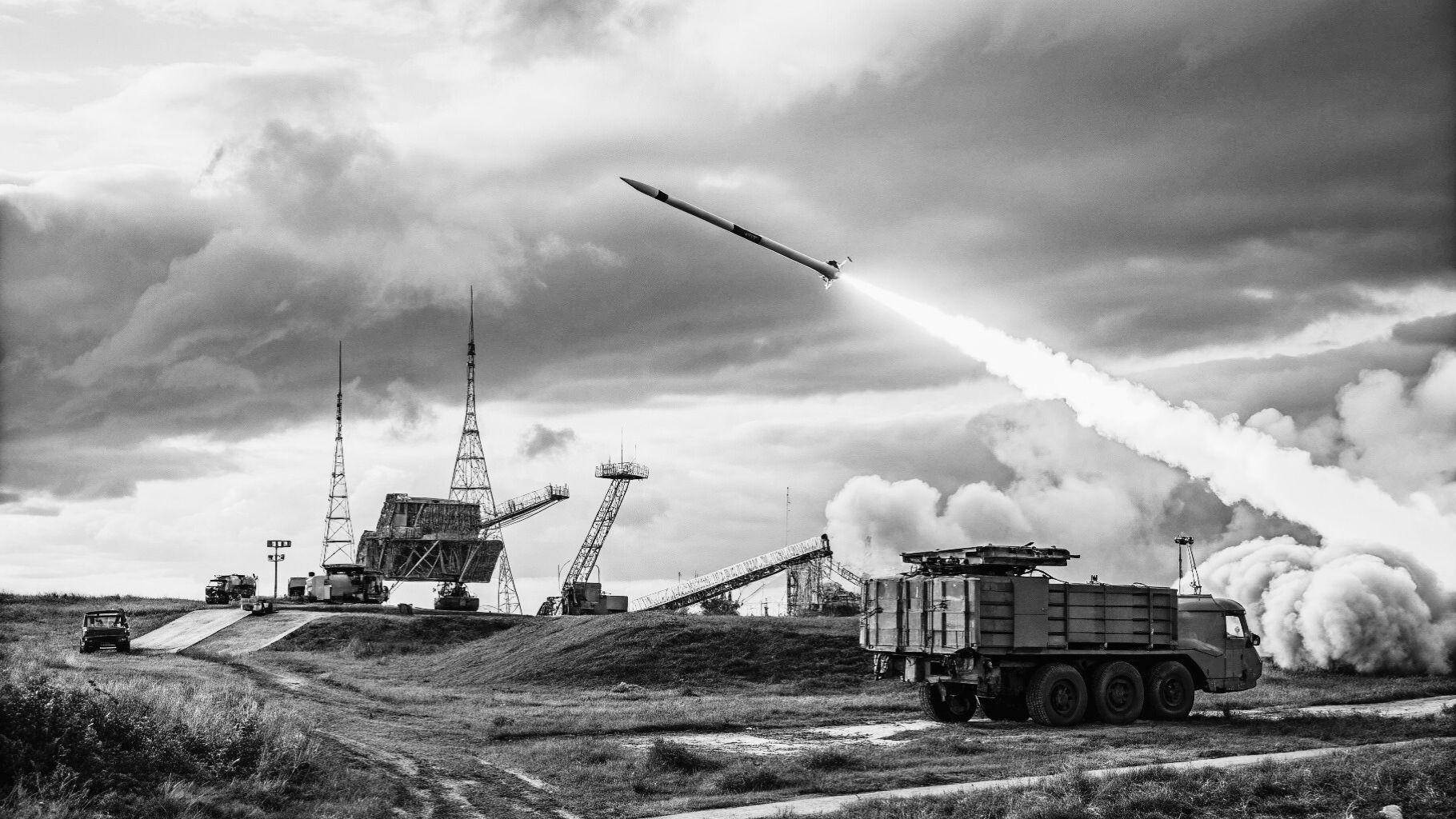
The US Air Force and Northrop Grumman are targeting a first flight test of the LGM-35A Sentinel intercontinental ballistic missile in 2027, as the next-generation system advances toward replacing the aging Minuteman III. Initial operational capability is projected for the early 2030s.
The Sentinel program is designed to modernize the land-based leg of the US nuclear triad, which has relied on Minuteman III since the 1970s. The system will operate across an area of approximately 32,000 square miles and includes not only the missile itself but also upgraded launch infrastructure, command-and-control networks, and transport systems.
Development is being executed through a phased acquisition strategy that enables early testing and iterative validation. This approach allows design refinements to be incorporated during development rather than after full system completion, reducing the risk of delays later in the program.
The missile has progressed from digital design into early prototyping and hardware testing. Key propulsion components have completed prototype trials, and a three-stage booster has been assembled to validate manufacturing and design assumptions. Solid rocket motors for upcoming flight tests are already in production.
Subsystem evaluations have included interstage separation testing to ensure proper stage detachment and shroud testing to confirm payload protection. Guidance and control systems have also undergone stress testing, including sled-based simulations to assess durability under flight conditions.
In parallel, infrastructure development is underway. A new modular launch silo design is being developed to replace or augment existing Minuteman III silos, with prototype structures currently under evaluation. Transport systems for missile components have been tested over long distances to verify reliability and security.
The program also features a digital launch support system, which has completed its critical design review and is moving into the build and test phase. Overall, Sentinel involves a supply chain of more than 500 companies and a workforce exceeding 10,000 personnel, with the system expected to remain operational through at least 2075.