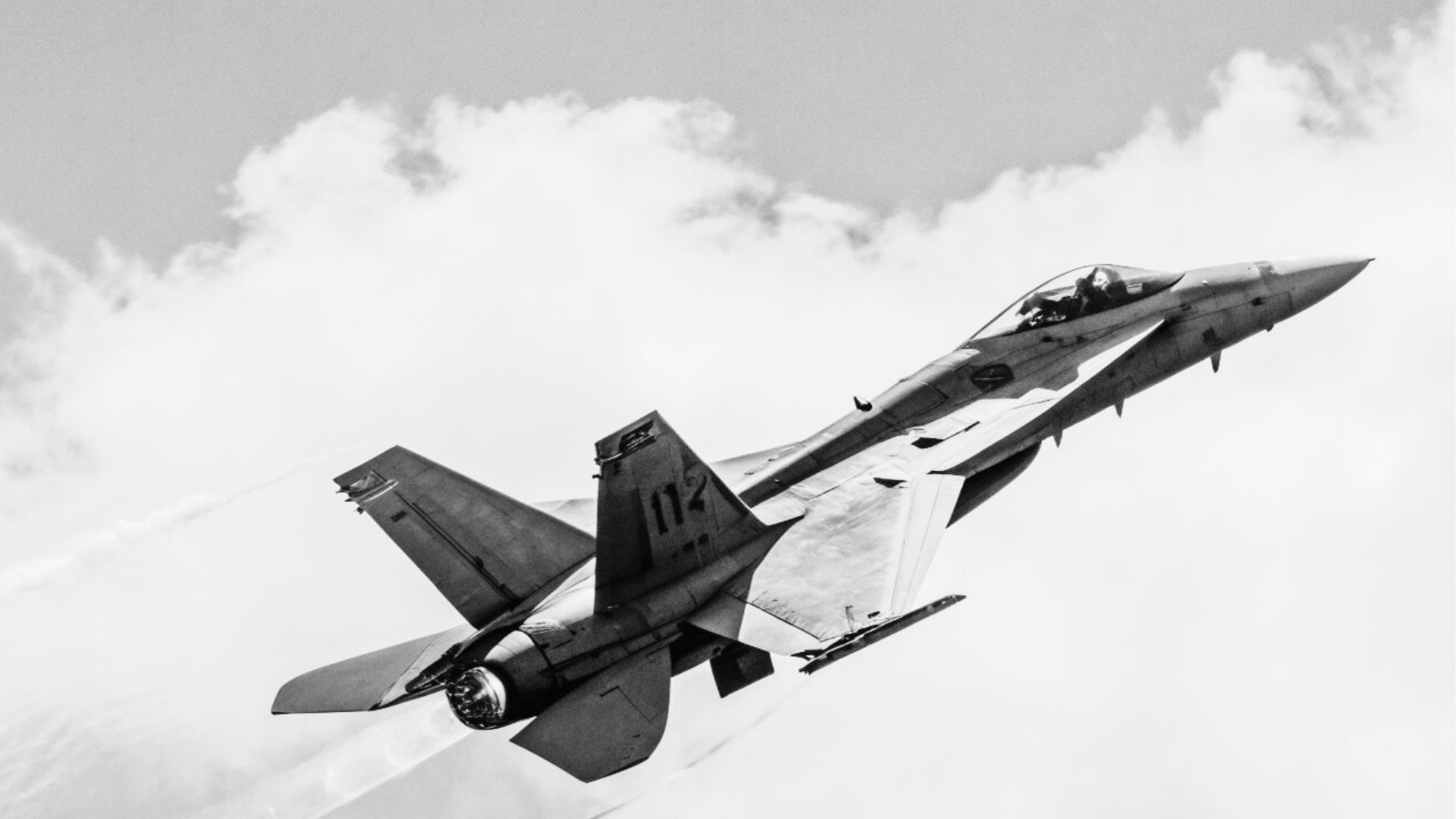
Long before an enemy pilot ever spots it, the threat has already arrived. On a radar screen, it may appear only briefly before vanishing altogether. By the time an adversary understands what is happening, the engagement is often already decided. That is the operational philosophy behind the F-22 Raptor—an aircraft designed to secure air superiority before a fight even begins.
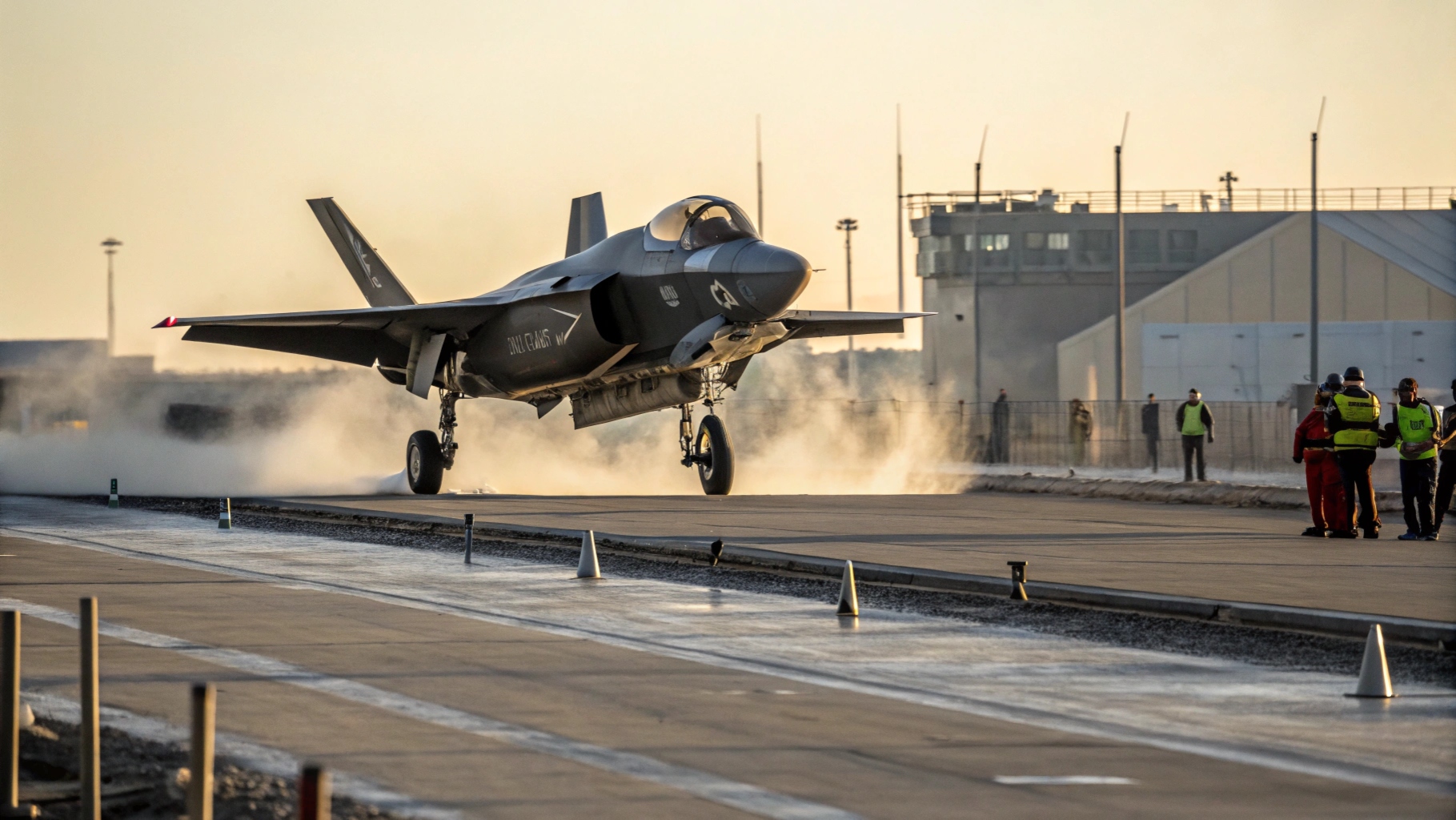
As the world’s first operational fifth-generation stealth fighter, the F-22 Raptor was built to dominate the aerial battlespace through a combination of stealth, speed, agility, and advanced situational awareness. Developed by Lockheed Martin in partnership with Boeing, the aircraft serves primarily as an air superiority platform but also possesses capabilities for ground attack, intelligence gathering, and electronic warfare missions. The U.S. Air Force continues to regard the Raptor as one of the most capable fighter aircraft ever fielded.
The aircraft traces its origins to the Advanced Tactical Fighter program launched in the early 1980s, when the United States sought a next-generation fighter capable of countering emerging Soviet aircraft and air defense systems. After a competitive evaluation between the YF-22 and YF-23 demonstrators, the YF-22 was selected for production in 1991. Following years of development and testing, the F-22 entered operational service in 2005 and quickly demonstrated its effectiveness during large-scale exercises and real-world deployments.
What sets the F-22 apart is its unique combination of stealth and performance. Its carefully shaped airframe, radar-absorbing materials, and internal weapons bays significantly reduce radar visibility, enabling it to penetrate contested airspace while remaining difficult to detect. The aircraft also features supercruise capability, allowing sustained supersonic flight without the fuel-intensive use of afterburners. Combined with thrust-vectoring engines, this provides exceptional maneuverability and combat performance.
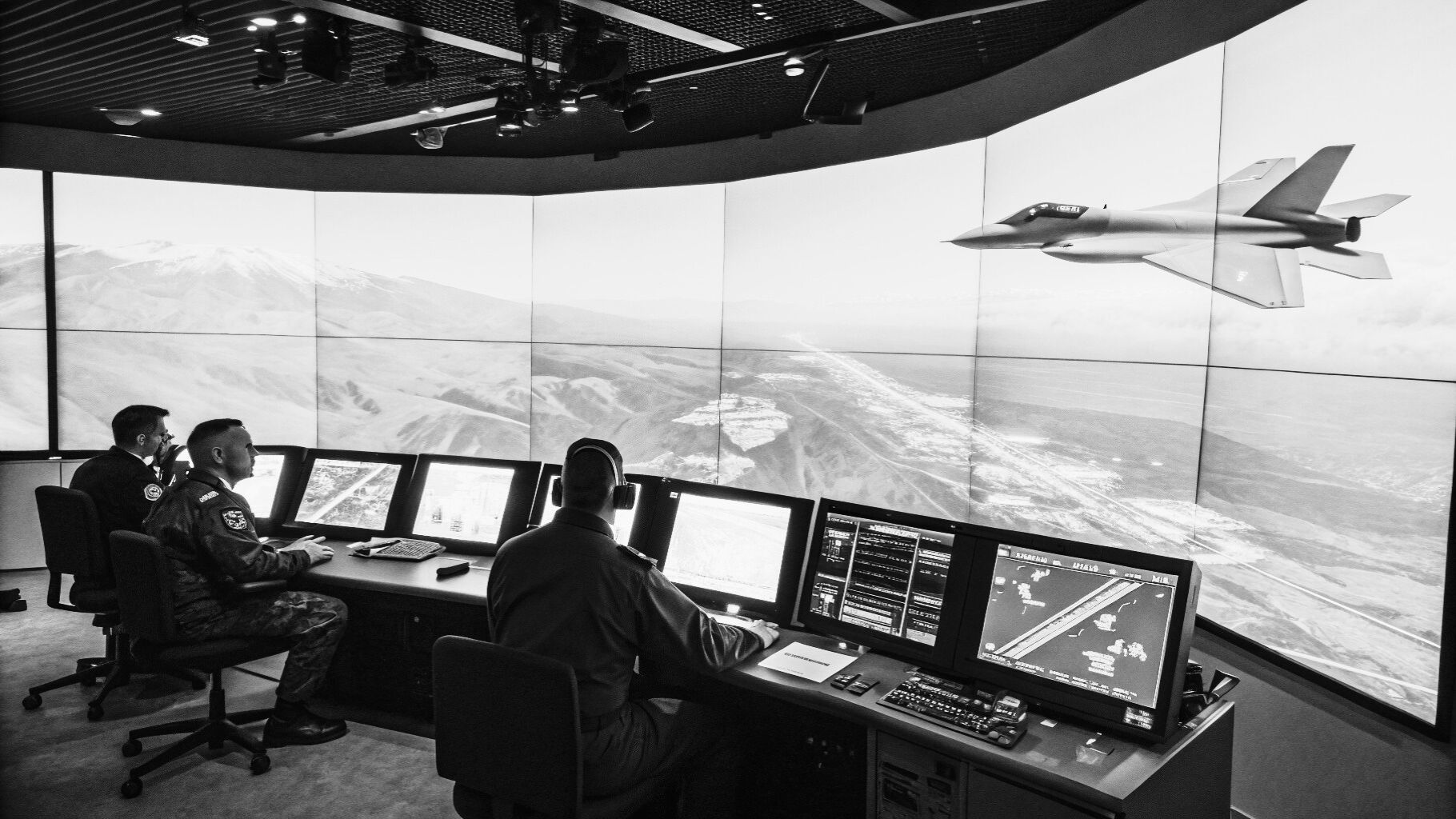
The Raptor’s sensor fusion architecture is equally important. Information from multiple onboard sensors is combined into a single tactical picture, allowing pilots to identify, track, and engage threats long before they are detected. This level of situational awareness remains one of the aircraft’s defining advantages.
The F-22’s strengths include unmatched air superiority capability, advanced stealth characteristics, exceptional flight performance, and superior battlefield awareness. However, these advantages come with challenges, including high acquisition and maintenance costs, a limited production run, aging airframes, and strict export restrictions that prevent sales to foreign allies.
Operationally, the aircraft has been deployed across several theaters, including the Middle East, where it performed both strike and air dominance missions. While no other nation operates the F-22, competing powers have developed their own fifth-generation fighters, such as China’s J-20 and Russia’s Su-57, in an effort to challenge American air superiority.
Although production ended years ago, the F-22 remains a cornerstone of U.S. air power. Continuous upgrades to its avionics, software, weapons systems, and electronic warfare capabilities are ensuring that it remains effective against emerging threats. Eventually, it will be complemented and replaced by the Next Generation Air Dominance (NGAD) program, but until then, the Raptor continues to define the benchmark for modern air superiority.
More than twenty years after its introduction, the F-22 remains a symbol of aerial dominance. The question facing military planners today is not whether it remains effective, but how long its technological edge can be maintained as competitors continue to close the gap.