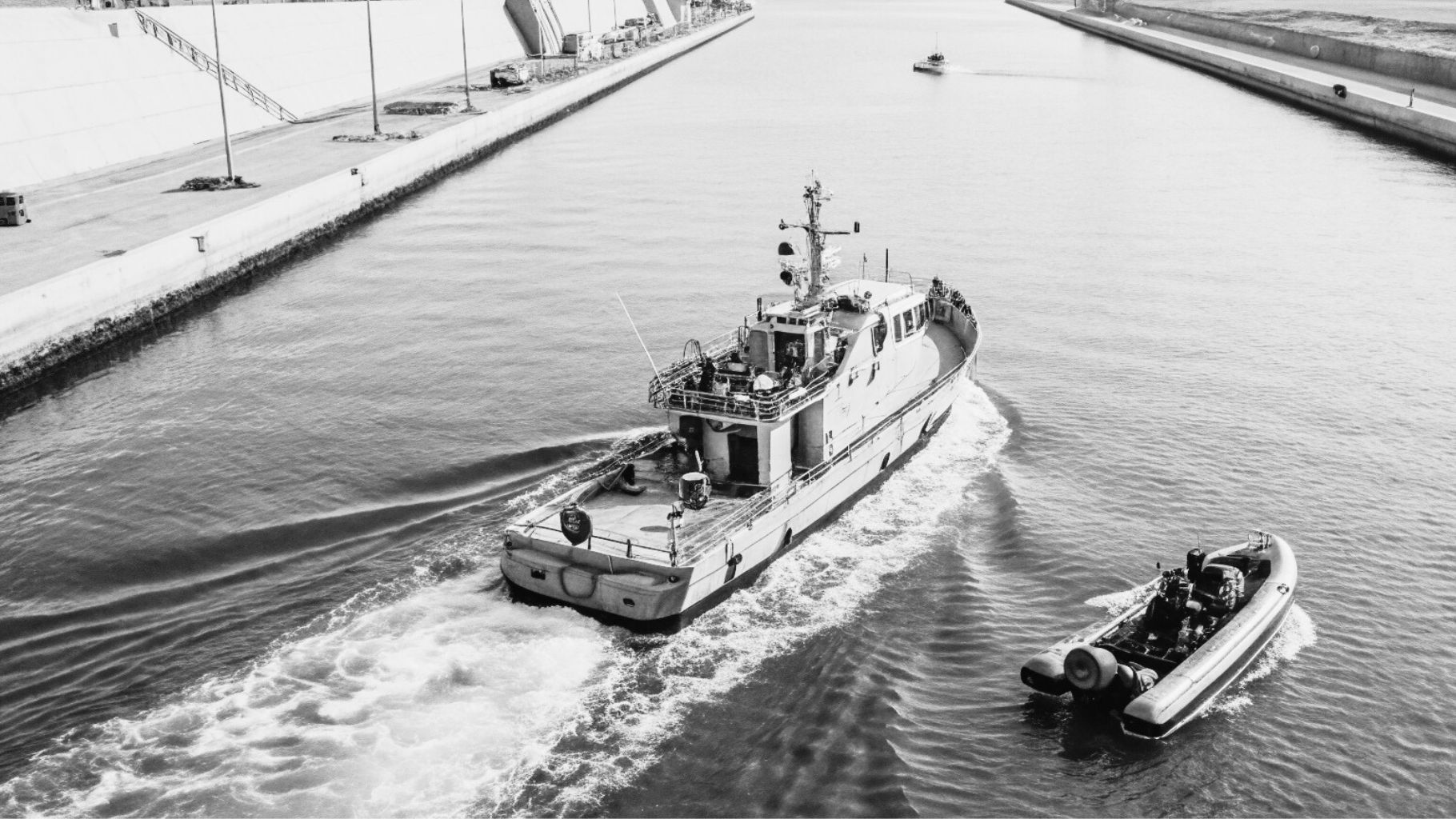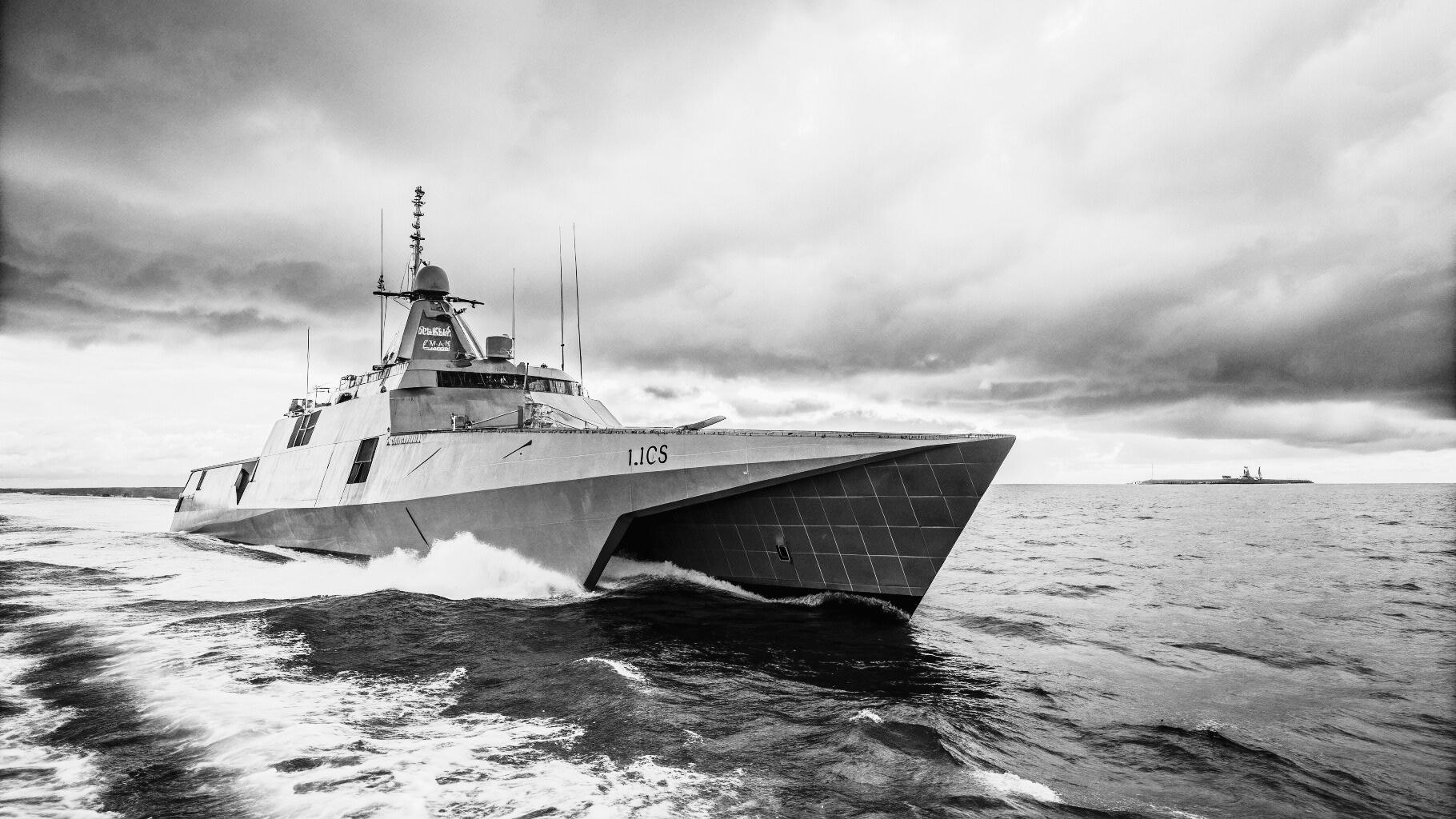
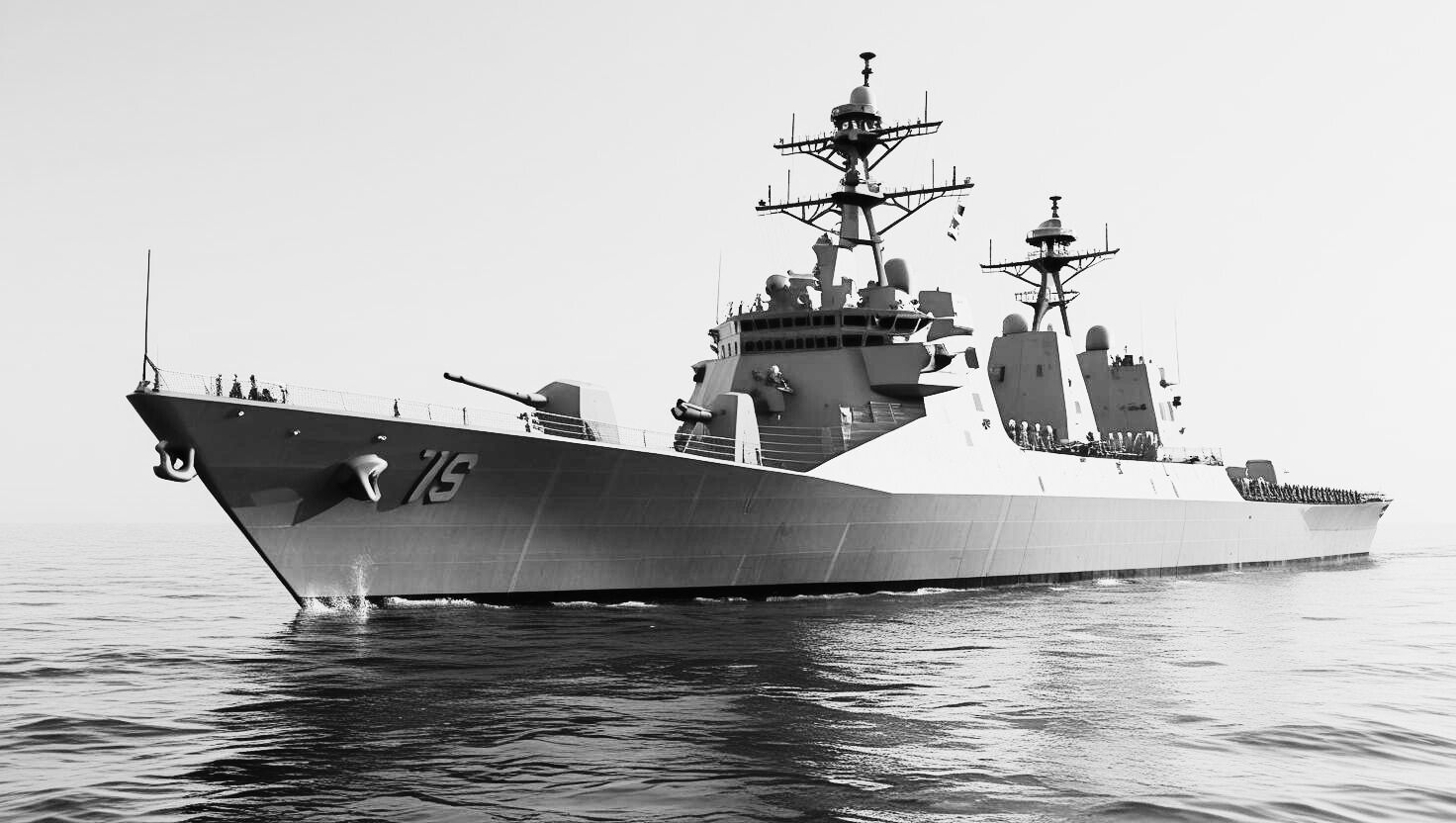
Rheinmetall has finalized its acquisition of Naval Vessels Lürssen (NVL), creating a stronger German naval systems supplier capable of designing and producing surface combatants and autonomous maritime platforms for Germany and allied navies.
The Düsseldorf-based defense group completed the takeover after securing all required antitrust approvals, officially closing the deal on March 1. While the financial terms were not disclosed, Rheinmetall described the purchase as a major strategic step that expands its maritime portfolio and reinforces high-end naval shipbuilding capabilities in Germany and across Europe.
Chief executive Armin Papperger said the integration of Rheinmetall and NVL expertise will establish a comprehensive naval supplier able to deliver advanced surface vessels and autonomous maritime systems. The expanded maritime division is expected to respond to rising naval demand driven by increased defense spending and evolving maritime threats. Future programs are likely to focus on digitally integrated ships equipped with advanced sensors, weapons systems, and autonomous capabilities.
The acquisition builds on a September 2025 agreement between Rheinmetall and the Lürssen Group to integrate NVL’s facilities and approximately 2,100 employees into Rheinmetall’s maritime business unit.
Germany’s Naval Modernization
The takeover comes amid broader efforts to modernize Germany’s naval capabilities. In February 2025, NVL laid the keel for the German Navy’s first Type 424 signals intelligence and reconnaissance ship, part of a three-vessel program replacing the aging Type 423 fleet. The initiative also includes a training and reference center for crews, with the first vessel expected in 2027.
Production of the next-generation reconnaissance fleet had already begun in November 2024 at NVL’s Wolgast facility, marking the start of construction for ships scheduled to enter service between 2029 and 2031.
Training infrastructure has also expanded. In February 2025, Rheinmetall received a contract to deliver Distributed Naval Training Architecture simulators to six naval bases, enabling networked training scenarios linking ships and aviation units through shared tactical data systems.
More recently, in February 2026, German shipbuilder Fassmer secured an order to construct four training vessels for the German Navy, intended to support seamanship, navigation, and maritime training, with deliveries scheduled to begin in 2028.