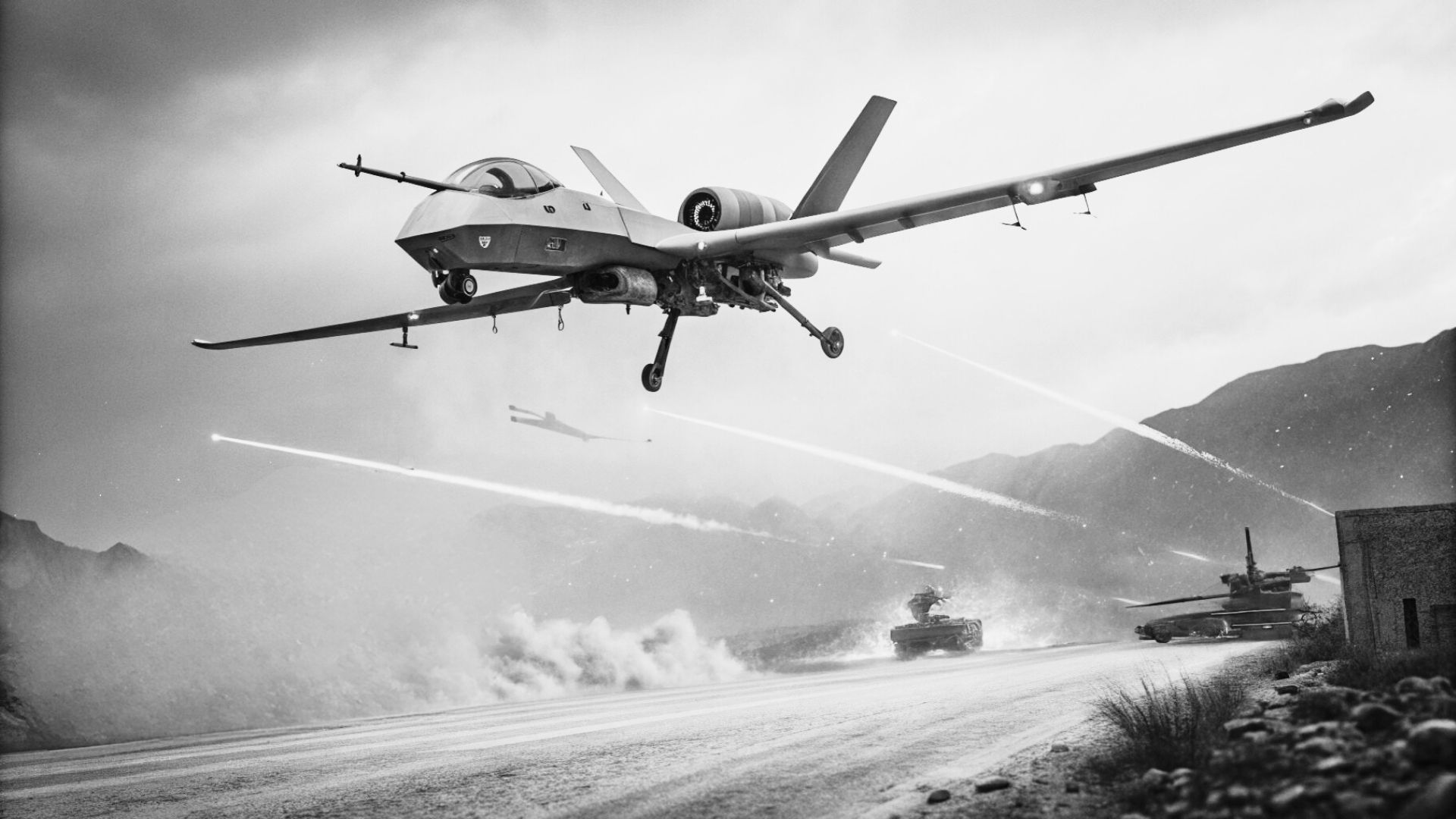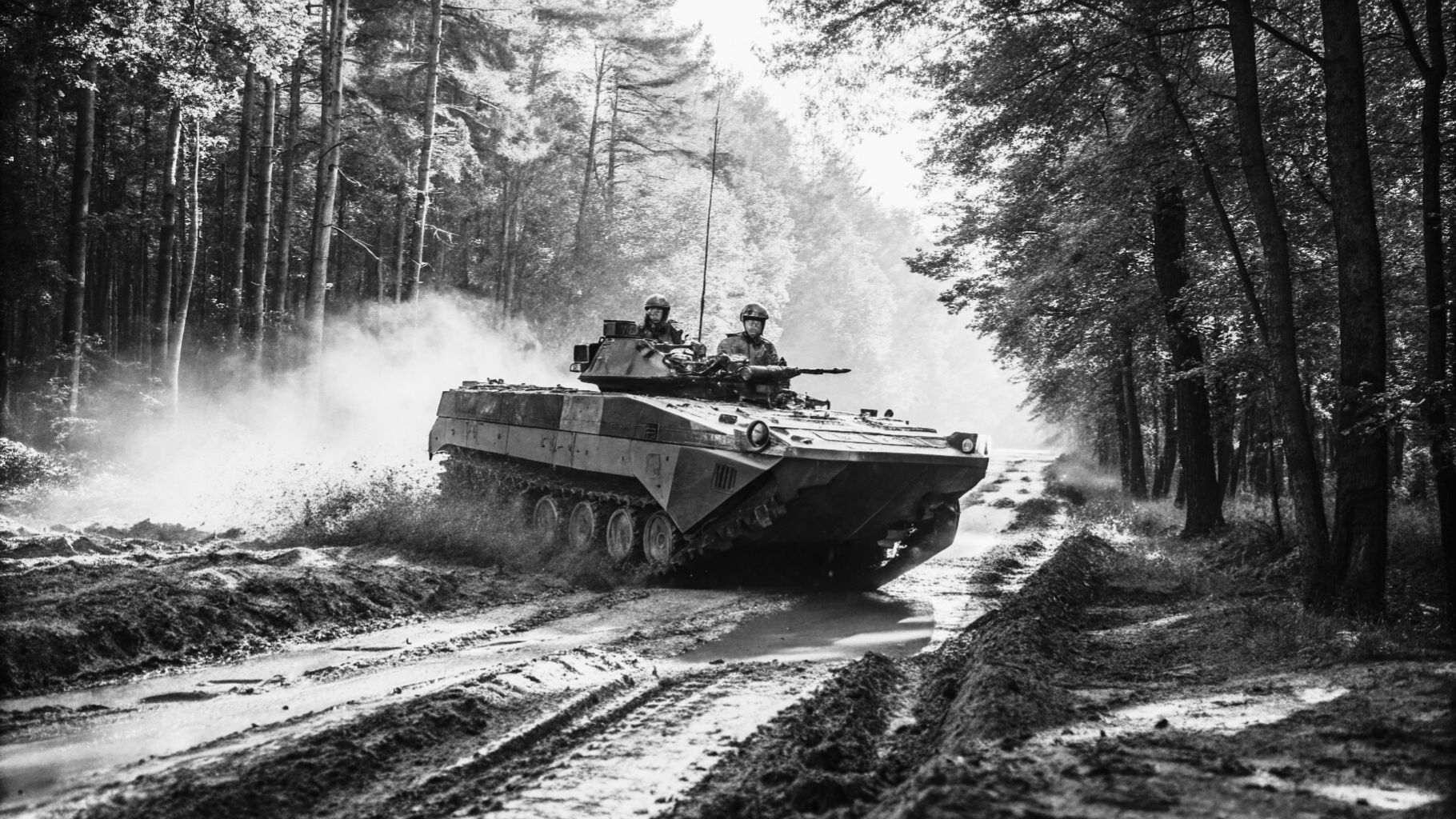
The Indian Army is upgrading its K9 Vajra-T 155mm/52-caliber self-propelled howitzer with advanced survivability enhancements, transforming it into a digitized combat platform capable of countering modern aerial threats. Operating close to the front lines, these high-value assets face increasing risks from loitering munitions such as Harop and Lancet, as well as low-cost FPV drones.
In response, a comprehensive anti-drone “survival kit” has been introduced, combining hard-kill, soft-kill, and passive protection into a layered defense system. A key upgrade is the integration of an indigenous Remote Weapon Station (RWS), replacing the traditional manually operated gun. This system enables automated engagement of aerial threats using programmable airburst ammunition in 12.7mm and potentially 30mm calibers, designed to detonate near targets and create a fragmentation effect capable of neutralizing drones mid-air.
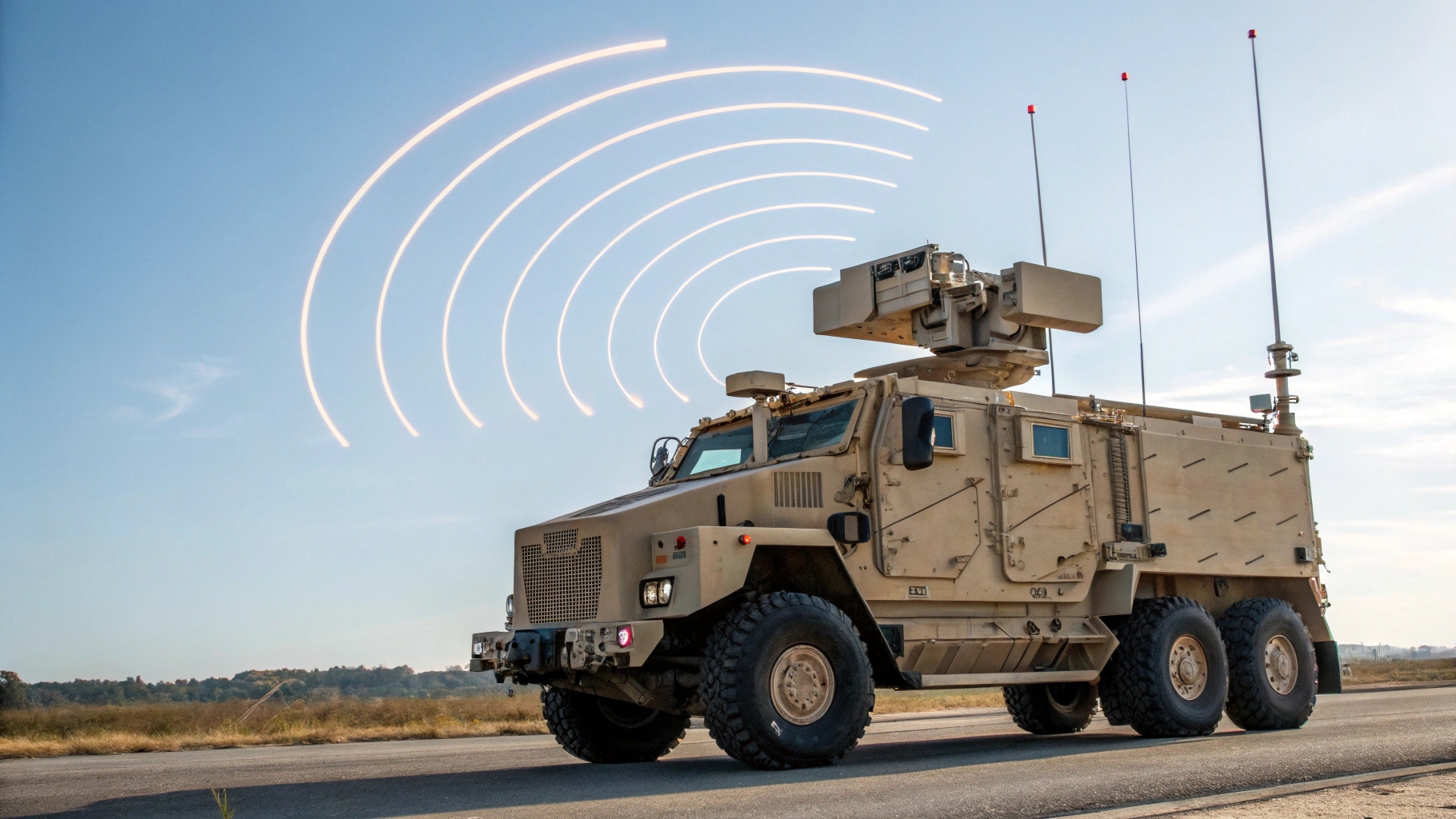
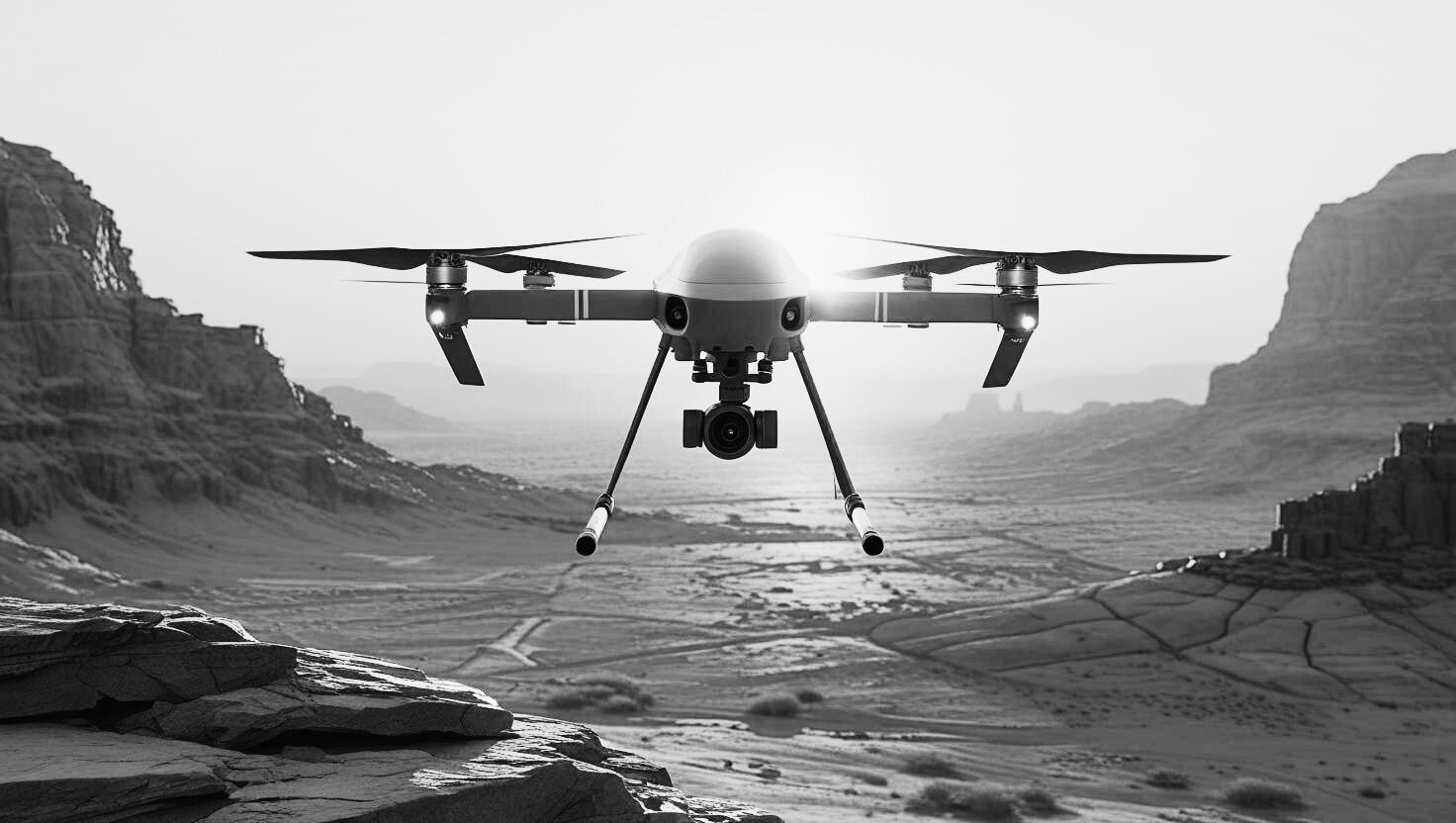
The RWS is supported by electro-optical and thermal sensors that allow automatic detection, tracking, and targeting of fast-moving drones, improving response time and engagement accuracy. Complementing this is a soft-kill electronic warfare layer based on a compact D4 (Drone Detect, Deter, Destroy) system. Directional jammers mounted on the turret disrupt drone control links and GPS signals, forcing hostile UAVs to crash or lose effectiveness. In addition, the system can generate an omni-directional electronic shield to prevent enemy surveillance drones from identifying the platform’s location.
Passive protection measures have also been incorporated, including modular “cope cages” and slat armor structures mounted around the turret. These are designed to intercept or prematurely detonate incoming loitering munitions, reducing the impact on the vehicle and crew. The structures are engineered to remain foldable or removable, ensuring they do not restrict turret rotation or gun elevation.
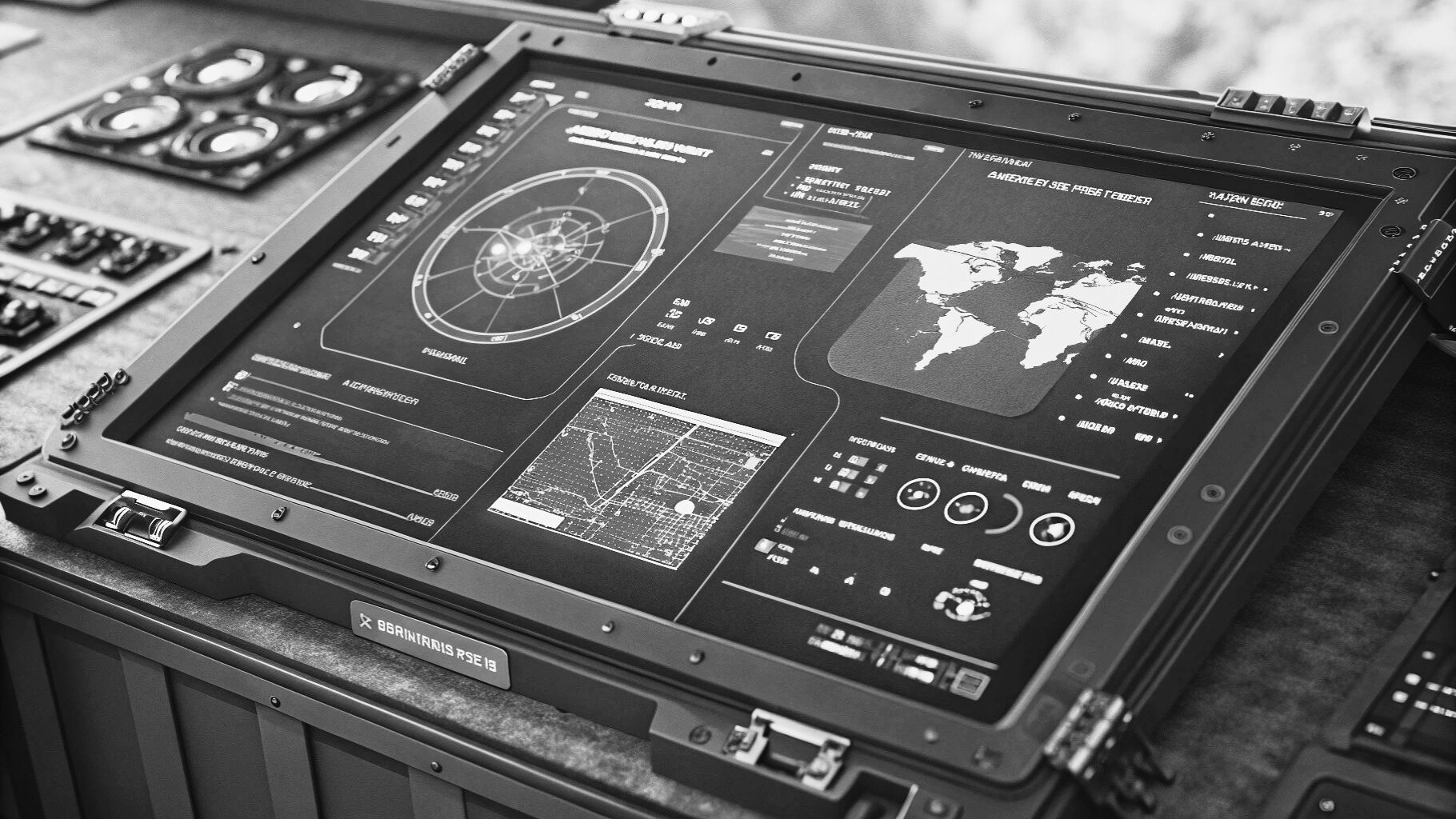
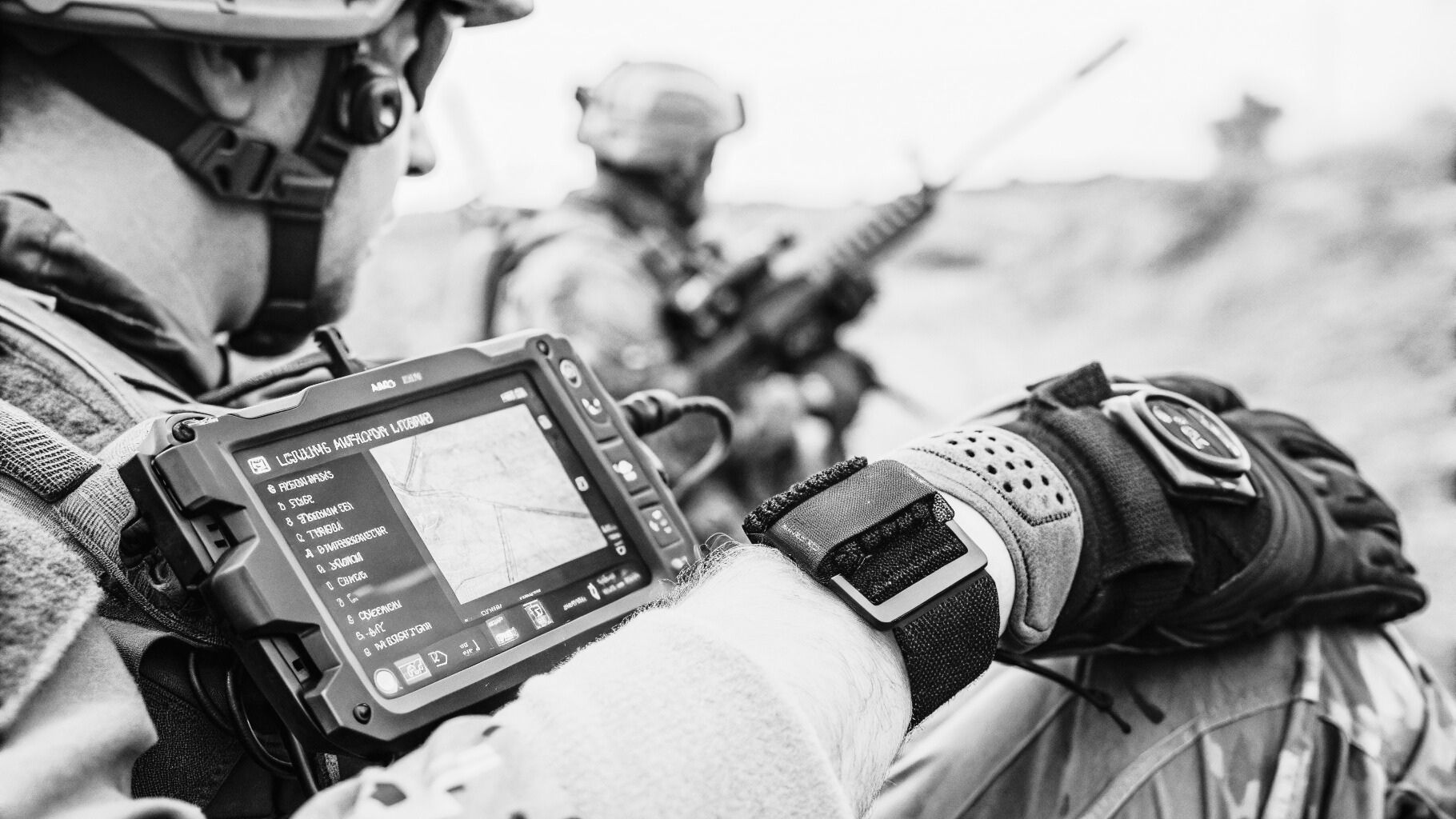
Furthermore, the K9 Vajra-T is being integrated into the Akashteer air defense automation system, enabling real-time data sharing. This network-centric capability allows the howitzer to receive early warnings from sensors and radars, providing crews with actionable intelligence on incoming drone threats.