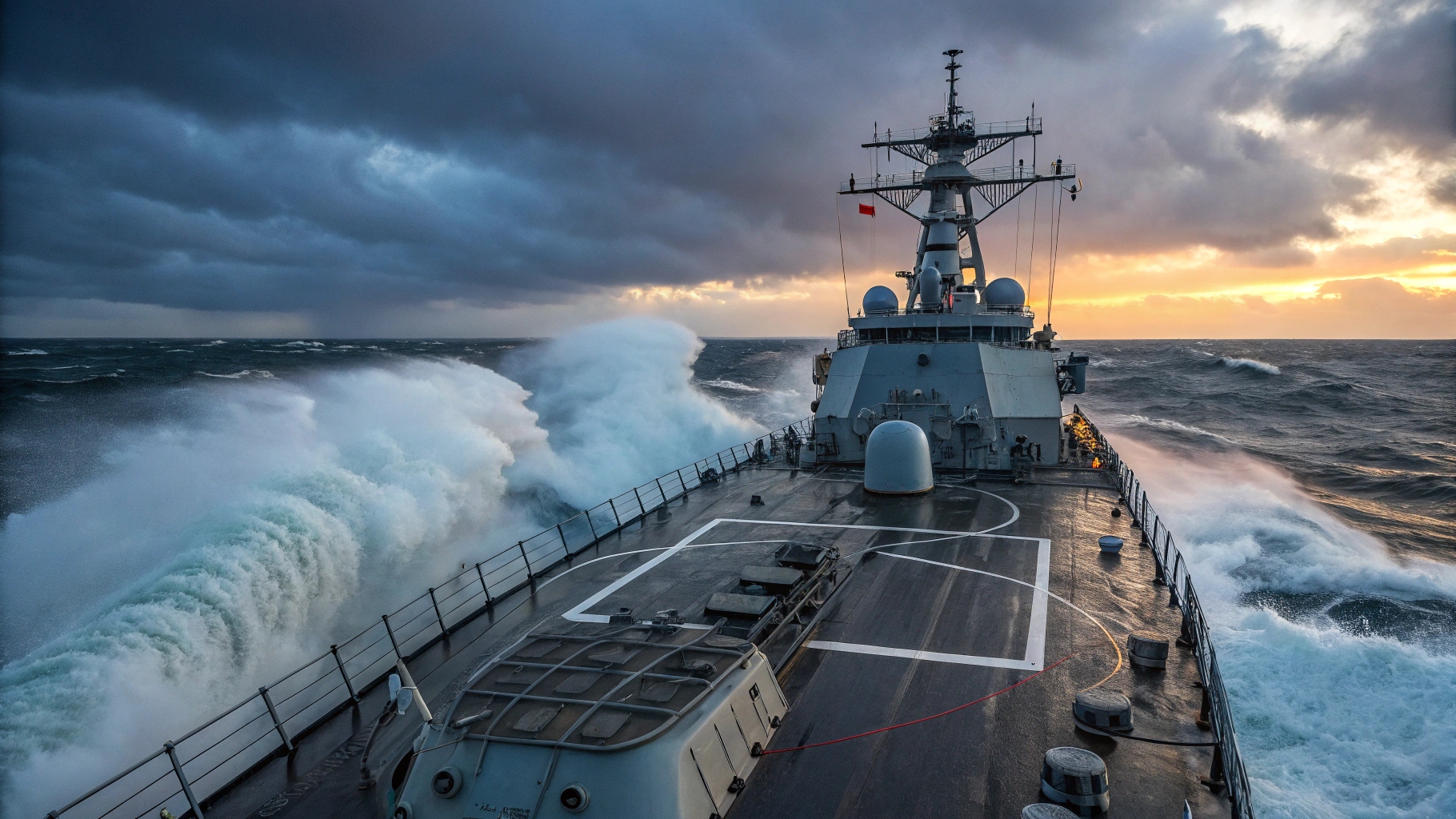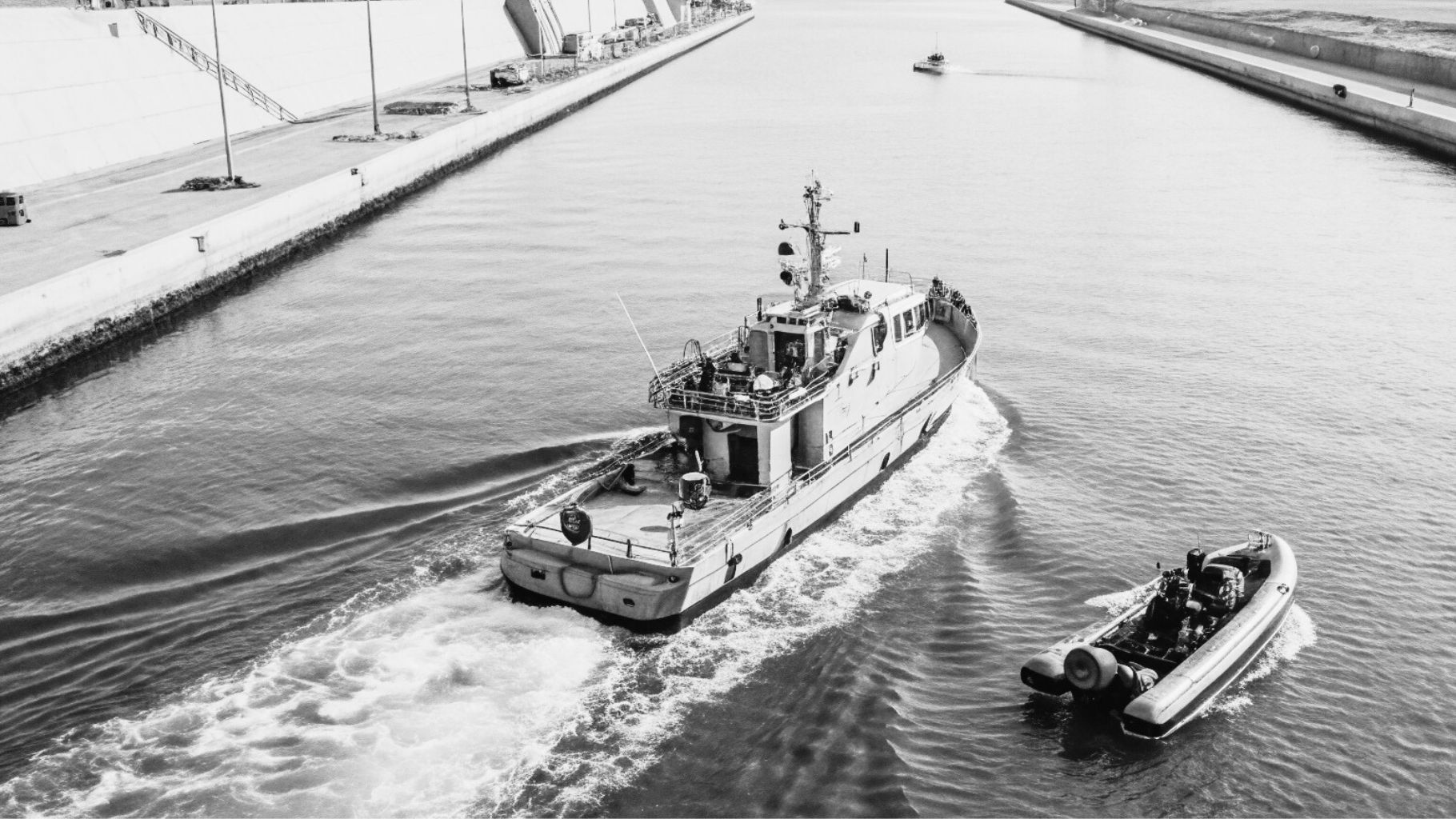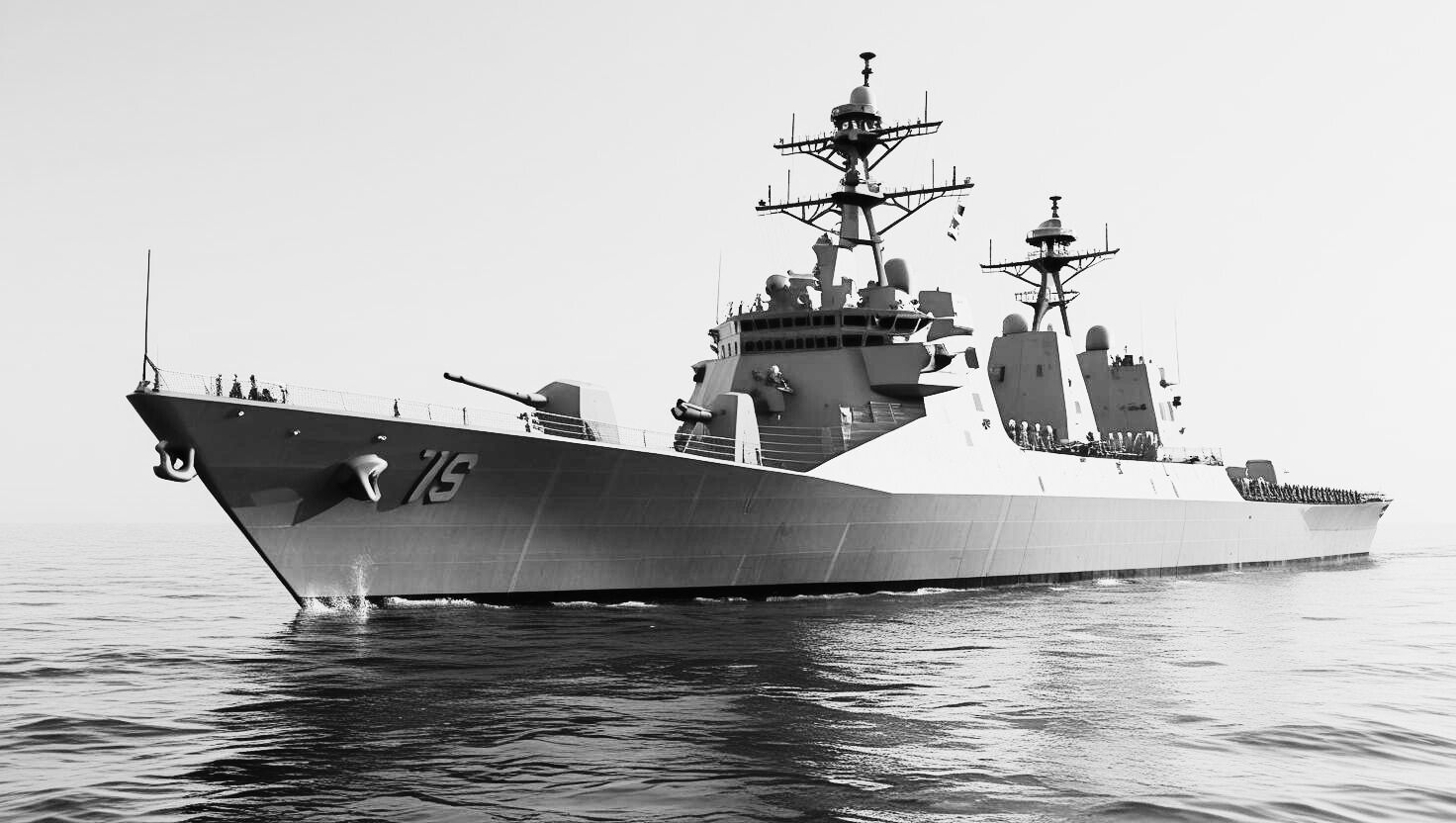
Japan has presented a major defence proposal to India, offering its advanced Mogami-class frigate along with a co-production model that would enable the vessels to be constructed in Indian shipyards. The move signals a notable shift in Tokyo’s traditionally cautious defence export policy and highlights a broader strategic effort to deepen military-industrial ties with New Delhi amid evolving Indo-Pacific security dynamics.
According to officials, the proposal goes beyond platform supply, extending to the transfer of design capabilities for the Mogami-class. This would allow India to manufacture the warships domestically, supported by Japan through select materials and potentially critical technologies. Such an arrangement aligns closely with India’s “Make in India” and “Atmanirbhar Bharat” initiatives, while offering Japan a dependable strategic partner in South Asia.
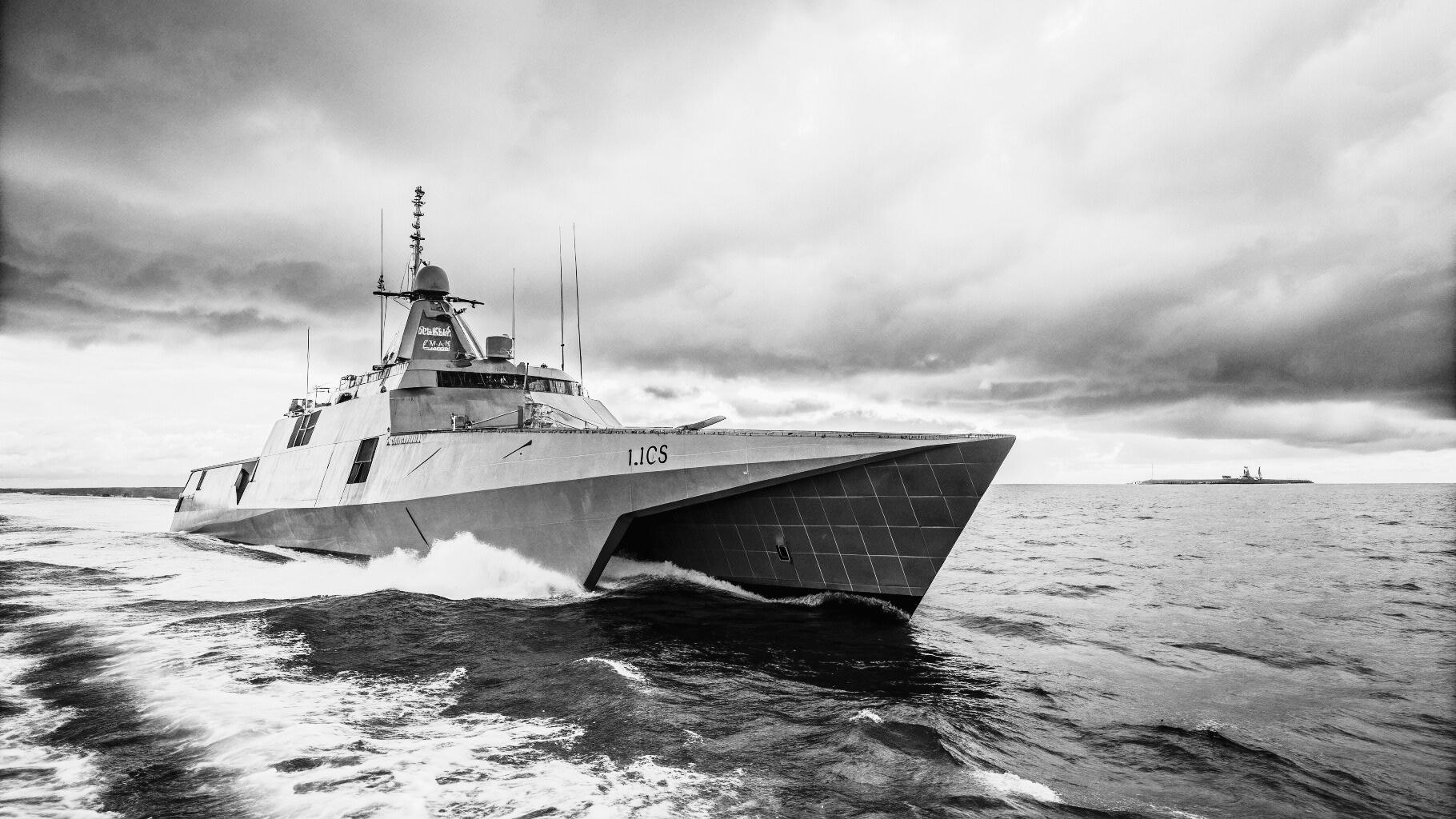
Also known as the 30FFM (30DX), the Mogami-class represents one of the most modern compact, multi-role surface combatants in service, with the lead ship inducted into the Japan Maritime Self-Defence Force in 2022. Displacing over 4,000 tonnes, the frigate emphasizes stealth design, high automation, and reduced crew requirements. With an estimated unit cost of around $500 million, it remains competitive globally given its advanced capabilities.
The platform is equipped with a broad suite of weapons and sensors, including anti-ship missiles, surface-to-air systems, and lightweight torpedoes for anti-submarine warfare. Its modular architecture allows it to perform diverse roles such as maritime security, escort operations, and high-end naval combat missions.
Japan’s willingness to offer not just the vessel but also its design and co-production rights marks a significant evolution in its defence export stance. While Tokyo has gradually eased restrictions over the past decade, offering a frontline naval platform for overseas manufacturing remains a rare step.
For India, the proposal provides access to a proven, modern frigate design while strengthening its domestic shipbuilding base. Indian shipyards—already engaged in advanced programs like Project 17A—could incorporate the Mogami design into existing production lines with relative ease.
The offer comes amid a complex security environment in the Indo-Pacific, where both India and Japan share concerns over China’s growing naval presence and assertiveness in regional waters. At the same time, uncertainties surrounding the long-term trajectory of alliances involving the United States have encouraged both nations to diversify partnerships and deepen bilateral cooperation.
In this context, the Mogami-class proposal reflects a broader strategic convergence between the two countries, complementing frameworks such as the Quad and existing defence agreements focused on logistics, interoperability, and joint exercises. If realized, the program could significantly enhance the Indian Navy’s surface fleet capabilities, particularly in maintaining a strong presence across the Indian Ocean Region.
Beyond immediate operational benefits, the transfer of design and production expertise could accelerate India’s ambition to emerge as a self-reliant naval manufacturing hub, capable of meeting domestic needs while competing in the global defence export market.