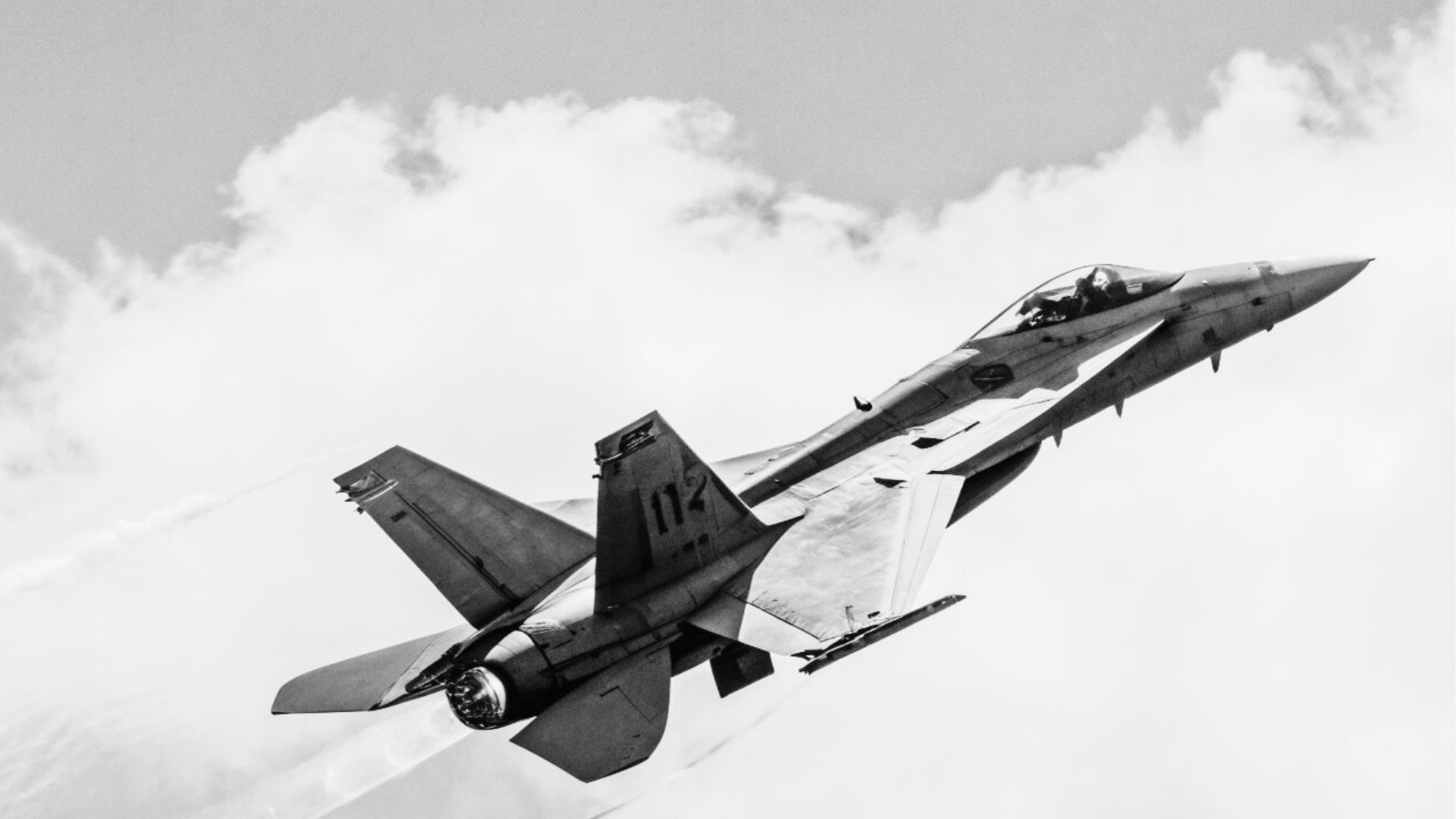
The upcoming Rafale F5 standard is expected to deliver a major boost to beyond-visual-range (BVR) combat capability by increasing its Meteor missile carriage from four to potentially six missiles. This enhancement utilizes additional wing hardpoints that have long been available but were previously constrained by aerodynamic drag and performance trade-offs.
In the current F3R/F4 configuration, the Dassault Rafale typically carries up to four Meteors alongside fuel tanks and mission payloads in a balanced configuration. Expanding to six missiles introduces additional drag, affecting range, fuel efficiency, and high-end performance—factors that historically limited operational use despite structural capability.
The F5 upgrade aims to overcome these constraints through propulsion improvements, particularly with the introduction of the Safran M88 T-REX engine. This upgraded engine is expected to deliver higher thrust and improved efficiency, offsetting the penalties associated with heavier air-to-air loadouts and enabling sustained high-energy BVR engagements.
Operationally, a six-Meteor configuration significantly enhances the Rafale’s air dominance potential, especially in high-intensity combat scenarios involving multiple simultaneous engagements. The Meteor’s ramjet propulsion and large no-escape zone already provide a decisive edge at long range, and increasing missile capacity improves both survivability and engagement flexibility.
For the Indian Air Force, these advancements are particularly relevant within the proposed 114-aircraft MRFA program. While most acquisitions are expected in the F4 standard, a later tranche—estimated at over 20 aircraft—could feature the F5 configuration. This phased approach would allow integration of next-generation capabilities such as advanced electronic warfare systems, loyal wingman integration, and expanded payload options without delaying overall procurement timelines.
The ability to deploy Rafale F5 aircraft armed with six Meteor missiles would provide the IAF with a significant qualitative advantage in BVR combat, especially in contested airspace or against numerically superior adversaries. It aligns with modern air combat doctrine emphasizing first-shot, first-kill capability enabled by sensor fusion, network-centric warfare, and long-range precision engagement.