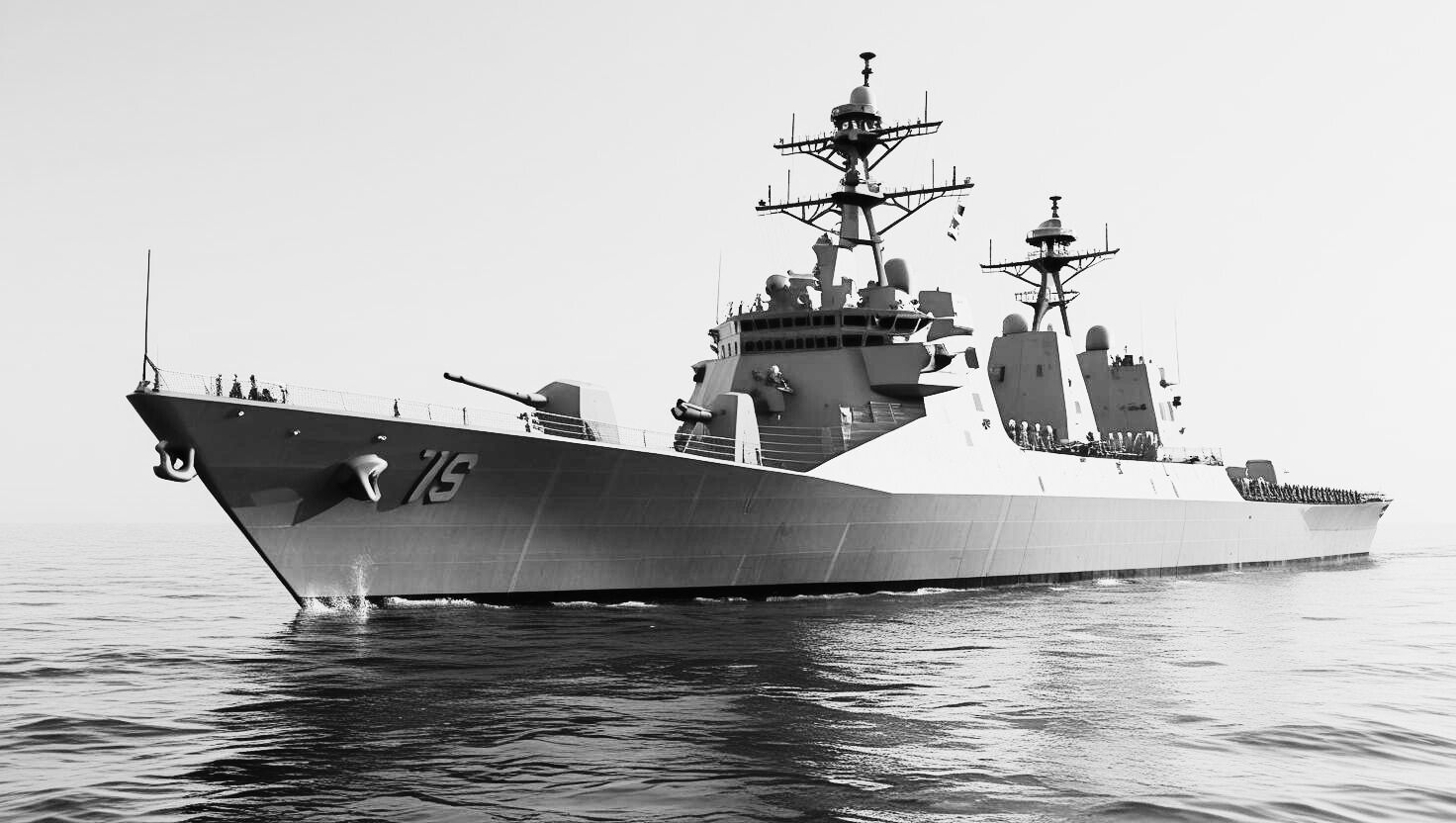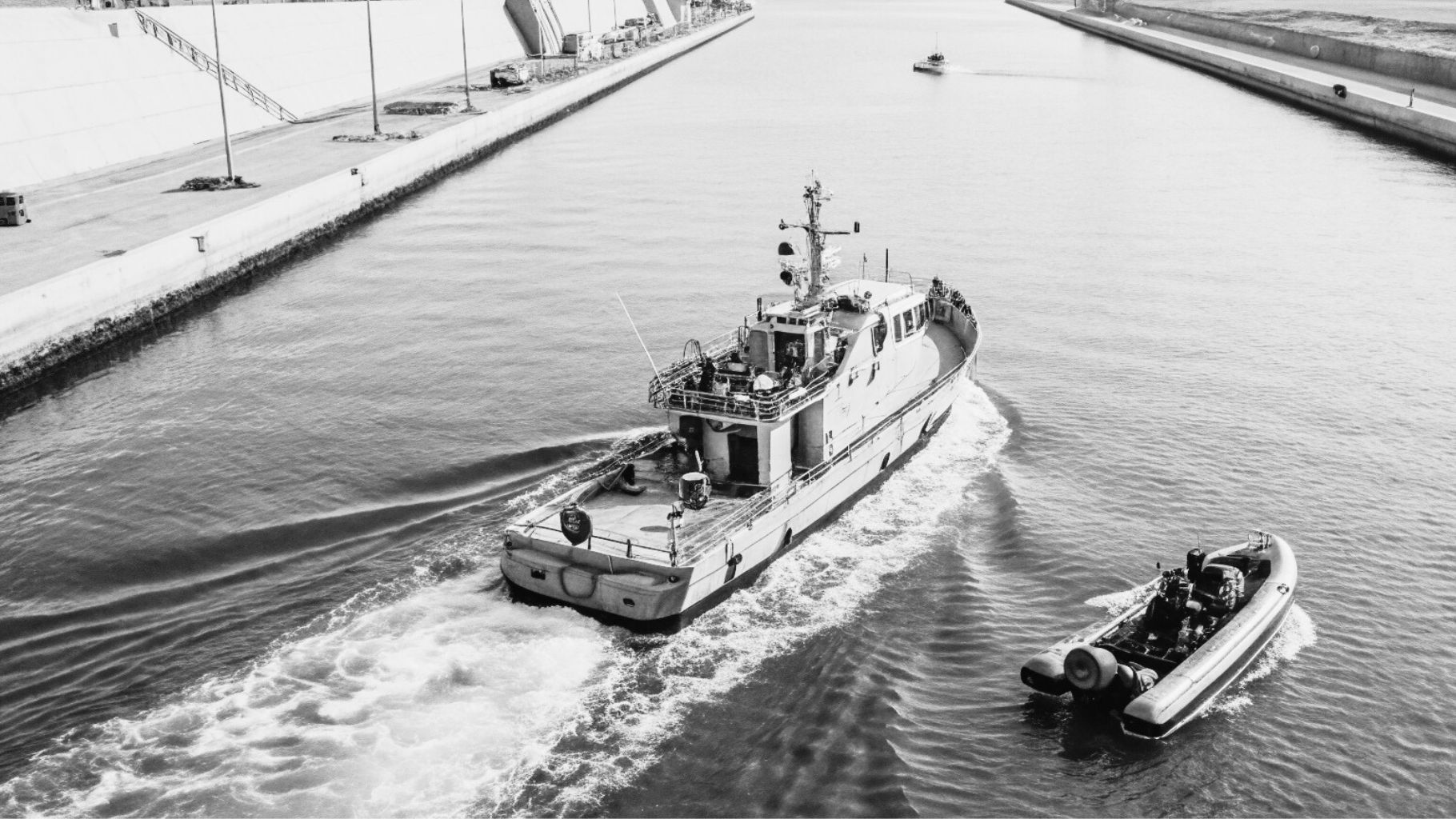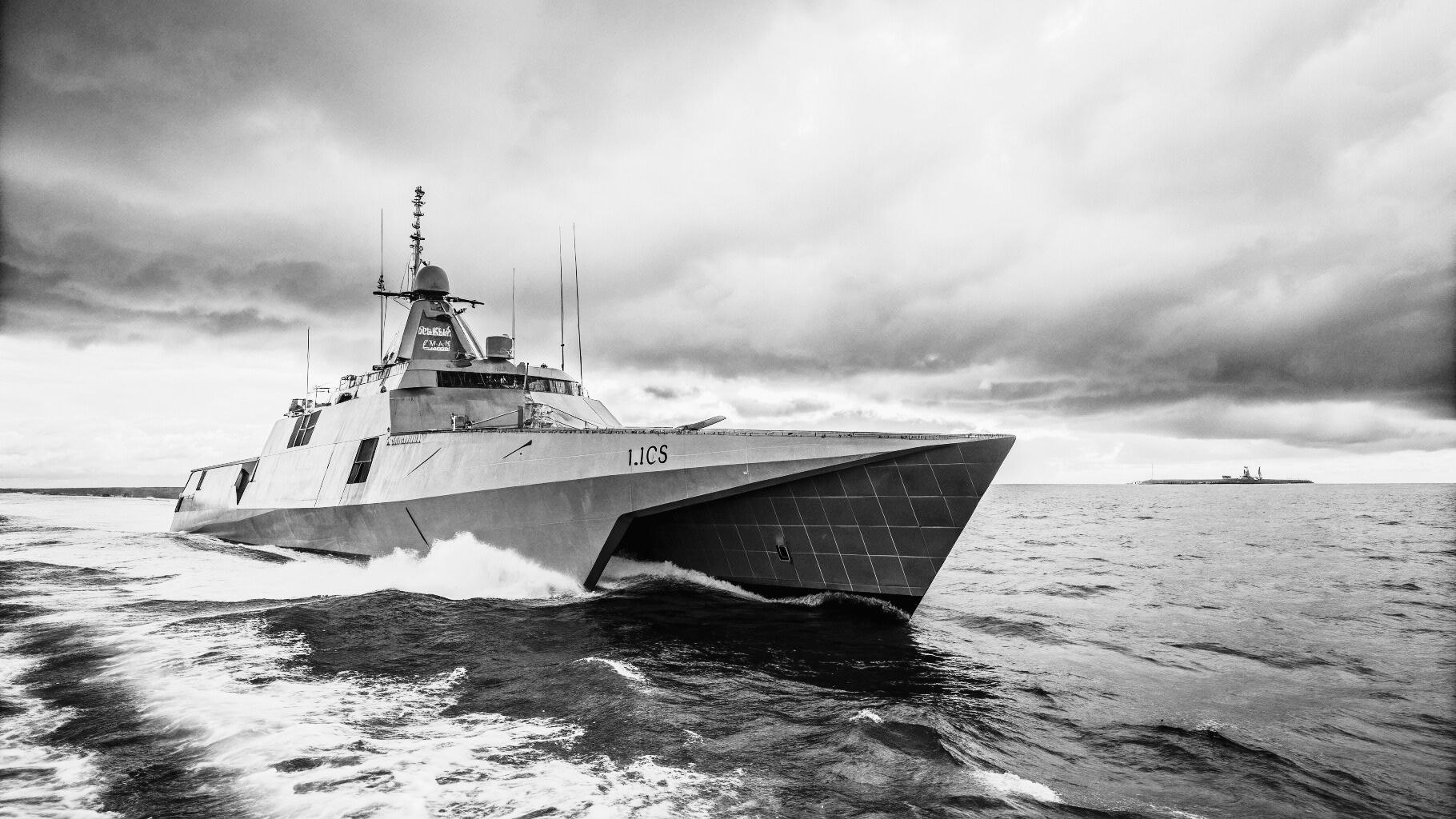
Taiwanese security officials said Saturday that China has deployed more than 100 naval, coast guard, and auxiliary vessels across waters stretching from the Yellow Sea to the South China Sea and the Western Pacific, reflecting a major increase in regional maritime activity.
According to a security official speaking to AFP on condition of anonymity, the deployment began ahead of US President Donald Trump’s meeting with Chinese President Xi Jinping in Beijing and expanded further after the summit concluded.
The buildup comes amid growing concerns in Taipei following Trump’s suggestion that US arms sales to Taiwan could potentially be used as leverage in negotiations with China. Beijing considers Taiwan part of its territory and has repeatedly threatened to reunify with the island by force if necessary. Taiwan, meanwhile, remains heavily dependent on American military and political support to deter a possible Chinese attack.
Taiwan National Security Council chief Joseph Wu shared a map on X dated May 23 illustrating what he described as “China’s Maritime Deployment.” The map showed Chinese navy and coast guard vessels spread across the Yellow Sea near the Korean Peninsula, extending southward into the South China Sea and eastward into the Western Pacific.
The deployment reportedly also includes marine survey and research vessels, although officials have not clarified the exact purpose of the operation. Chinese naval and coast guard ships have previously conducted training and patrol missions in these waters.
China has steadily increased military pressure on Taiwan in recent years through near-daily deployments of fighter aircraft and warships around the island, along with several major military exercises.
Meanwhile, several thousand demonstrators marched in Taipei on Saturday in support of the government’s proposal to increase defense spending. Many participants carried US and Taiwanese flags during the rally.
President Lai Ching-te’s administration had proposed nearly $40 billion in additional defense spending under pressure from Washington, including funding for US-made weapons and domestically produced drones. However, the opposition-controlled parliament blocked the broader package and instead approved approximately $25 billion focused primarily on US arms purchases.
Taiwan’s government has since intensified efforts to reassure the public following Trump’s remarks, maintaining that US policy toward Taiwan remains unchanged and that arms sales continue to form part of Washington’s longstanding security commitments to the island.
On Friday, a Chinese foreign ministry spokesman reiterated Beijing’s strong opposition to American arms sales to Taiwan, describing China’s stance as “consistent, clear and firm.” Trump also referenced “the Taiwan problem” earlier this week when asked whether he planned to discuss arms sales with President Lai.