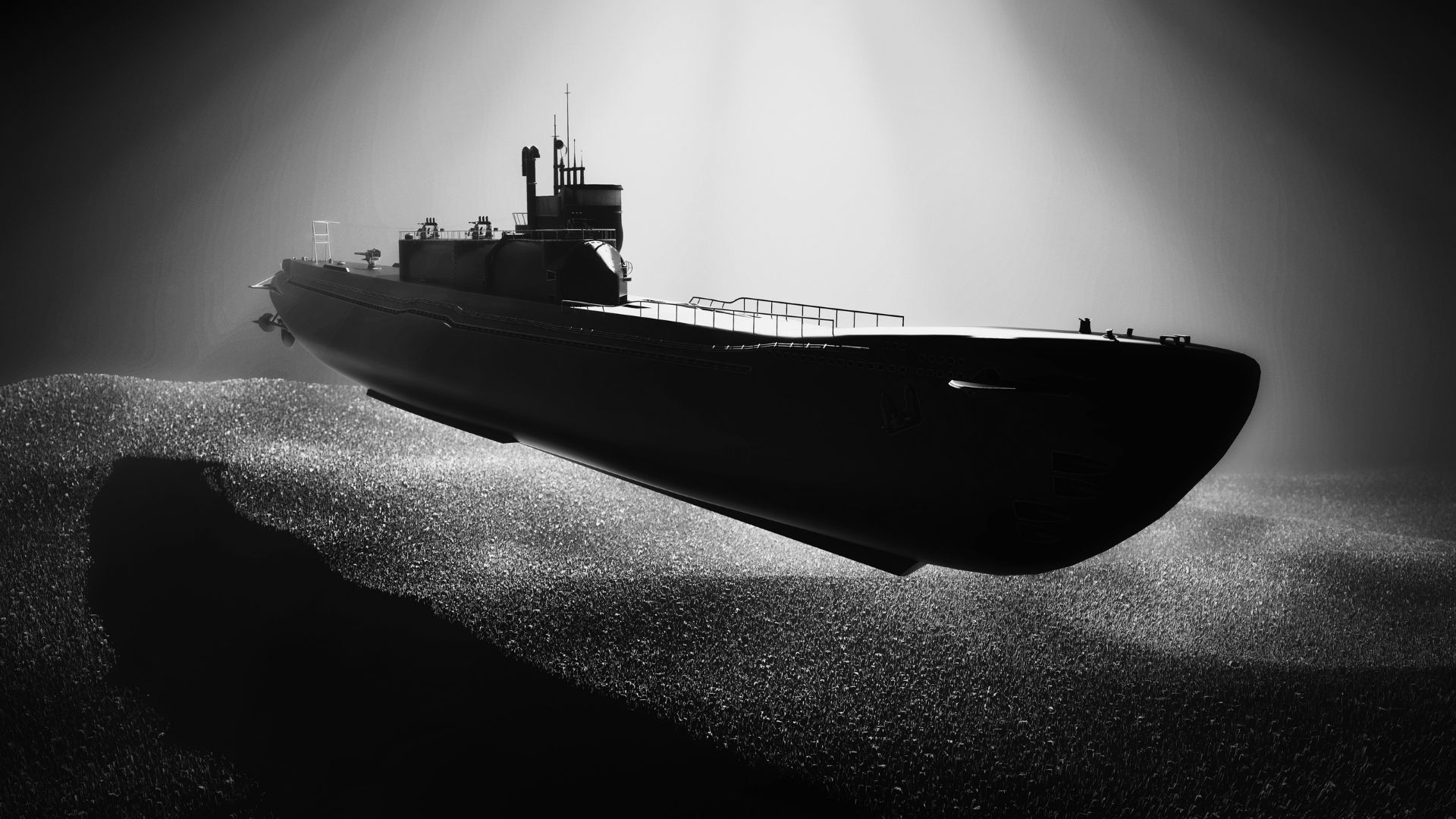
To reinforce its underwater combat capabilities and prevent a potential shortfall before the arrival of the indigenous Project-76 submarines, India is reportedly planning to acquire three additional conventional submarines. The key question remains whether these vessels will be based on the forthcoming Project-751 platform or a more advanced version of the currently operational Kalvari-class.
One potential option involves adopting a submarine derived from the Project-751 programme, which is expected to be executed by the TKMS-Mazagon Dock Shipbuilders Limited partnership. The proposed U-214NG submarine is a next-generation development of the proven German Type-214 design and is anticipated to offer advanced air-independent propulsion, enhanced stealth features, improved endurance, and greater operational flexibility during extended underwater deployments.
The second option under consideration is an upgraded Kalvari-class submarine. Since the Kalvari-class Scorpene submarines have already been successfully produced in India under Project-75, the country has developed a mature industrial ecosystem, experienced workforce, and established supplier base capable of supporting further production.
Building additional submarines based on an Advanced Kalvari design could significantly reduce programme risks and accelerate delivery schedules by utilising existing facilities and manufacturing expertise. The upgraded variant could incorporate technological enhancements developed since the original programme, including improved sensors, advanced combat systems, next-generation batteries, and a higher proportion of indigenous equipment.
In contrast, choosing the U-214NG would provide access to a newer submarine platform with advanced capabilities and potential technology transfer benefits. It would also improve fleet commonality with future Project-751 submarines, although it would require investment in a separate production and lifecycle support infrastructure.
At this stage, the Indian Navy and the Ministry of Defence have not finalised their choice. Decision-makers are expected to carefully evaluate operational requirements, indigenous manufacturing opportunities, cost implications, delivery schedules, and long-term maintenance considerations before determining which platform will serve as the foundation for the three additional submarines.