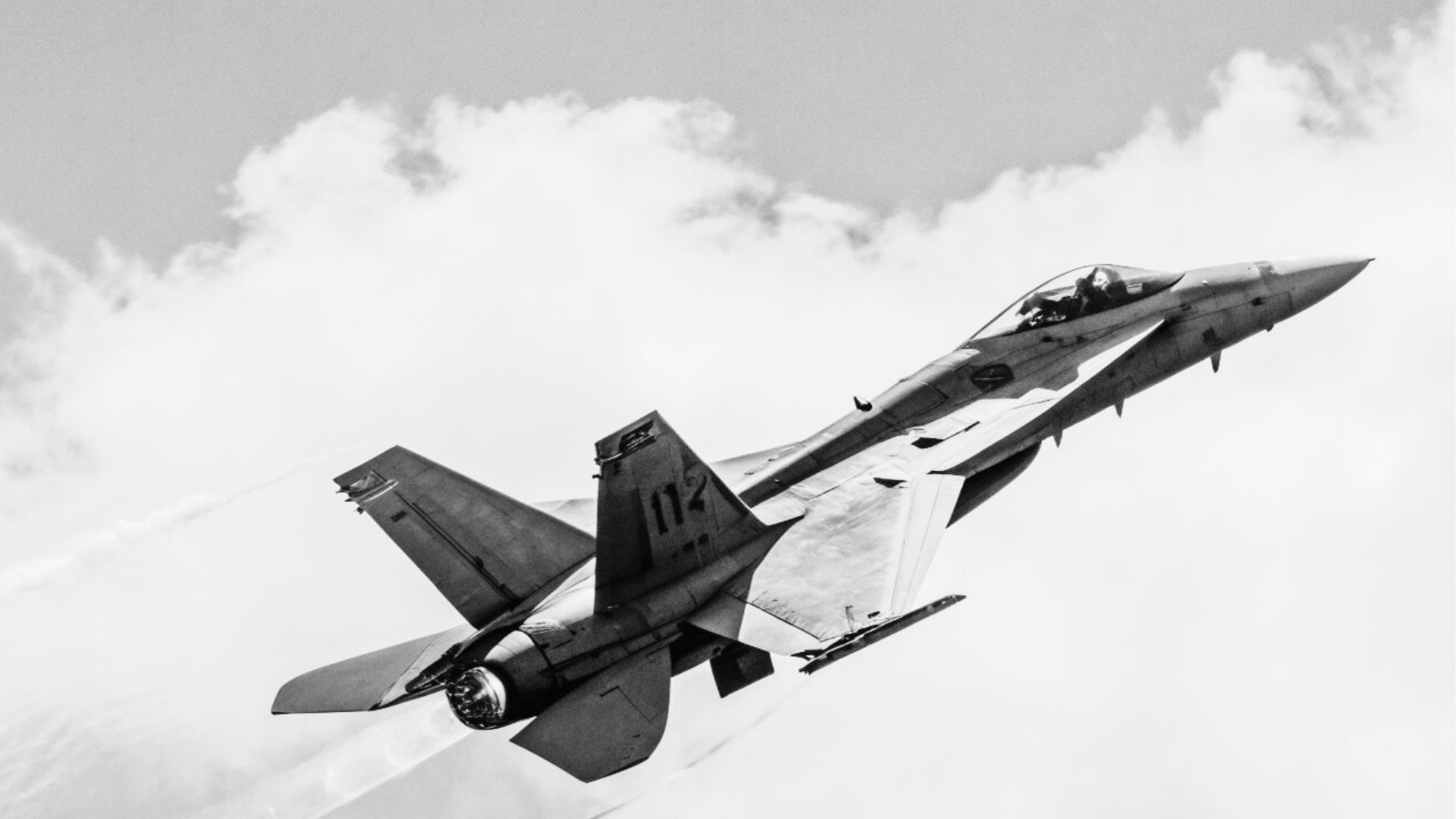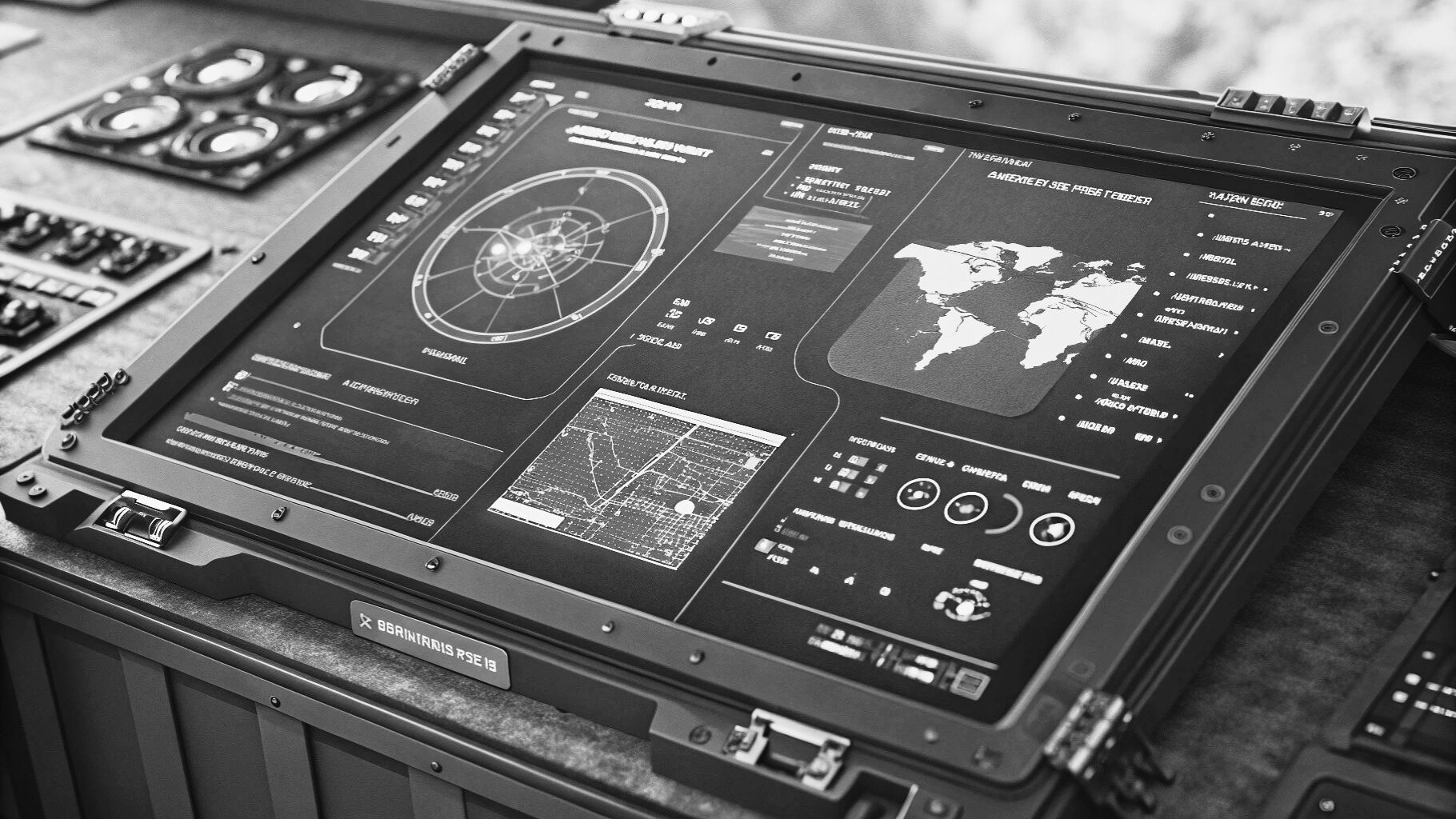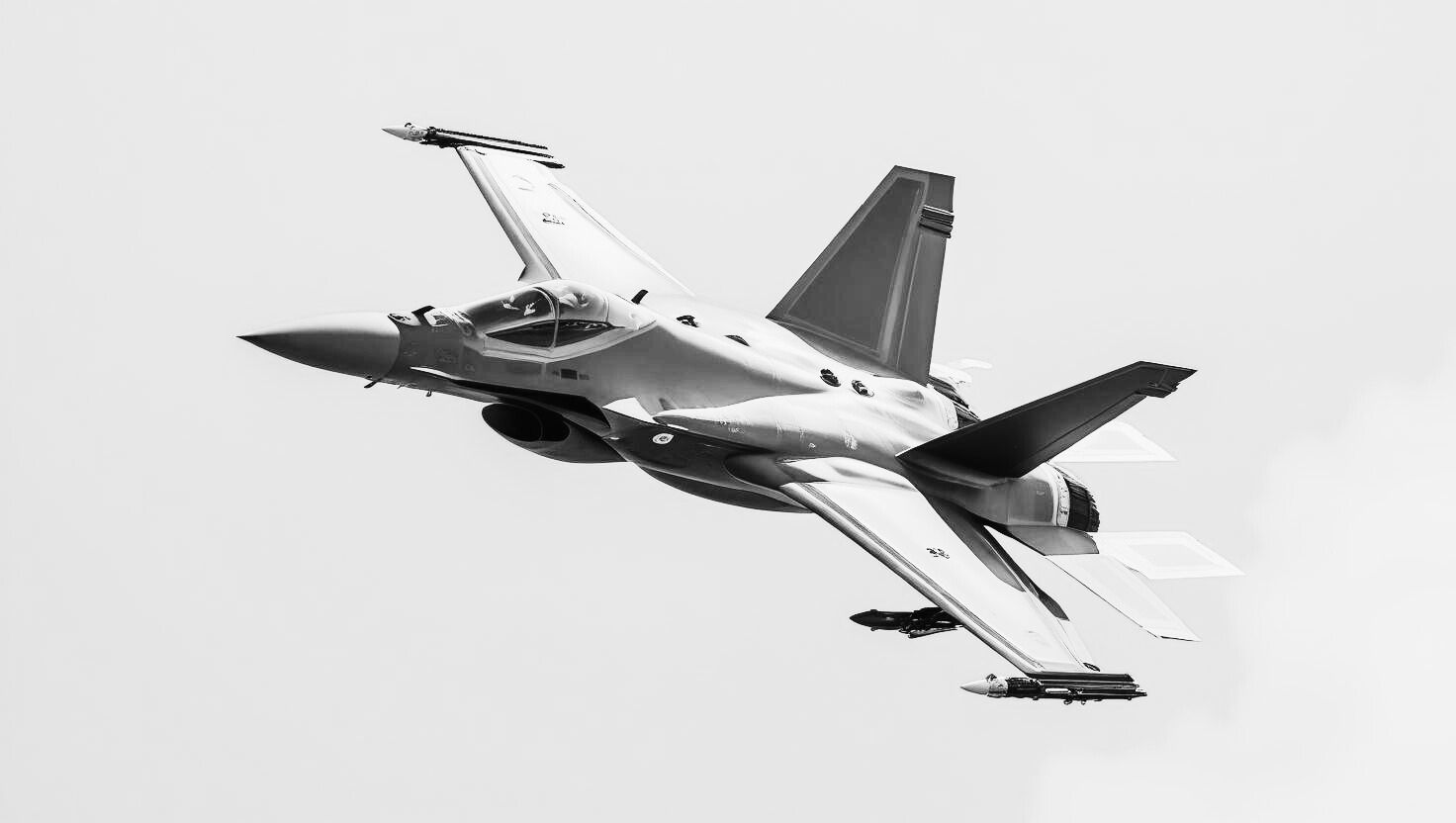
The Tejas Mk1A continues to demonstrate the rapid evolution of India’s indigenous fighter aircraft programme, with recent trials showcasing the impressive capabilities of its Uttam Active Electronically Scanned Array (AESA) radar. According to evaluation results, the radar successfully detected, tracked, and enabled engagement against targets simulating a loaded multirole fighter with a radar cross-section of approximately 10 square metres at distances reaching 240 kilometres.
The assessment was conducted using Pilotless Target Aircraft equipped with corner reflectors, a widely accepted method for replicating the radar signatures of larger combat aircraft. Such configurations emulate fighters carrying external weapons, fuel tanks, and mission equipment, creating realistic testing conditions. Achieving reliable detection and tracking at these ranges provides the Tejas Mk1A with a substantial first-look, first-shot advantage in beyond-visual-range combat scenarios.
The results also underline the maturity of the Uttam AESA radar programme. Improvements in power generation, target processing algorithms, and ECCM capabilities enable the radar to maintain performance even in complex electromagnetic environments. When paired with the aircraft’s upgraded avionics architecture, advanced electronic warfare systems, and secure data-link connectivity, the radar significantly enhances the platform’s operational effectiveness.
Extended detection and tracking ranges are increasingly critical in modern aerial warfare, where engagements are often decided long before opposing aircraft enter visual range. The ability to identify and monitor fighter-sized targets at 240 kilometres places the Tejas Mk1A among the more capable fighters in its category and provides an advantage over platforms equipped with older mechanically scanned radar systems. The aircraft’s comparatively low radar signature, estimated at between 0.5 and 1.5 square metres in a clean configuration, further strengthens its ability to operate effectively in contested airspace.
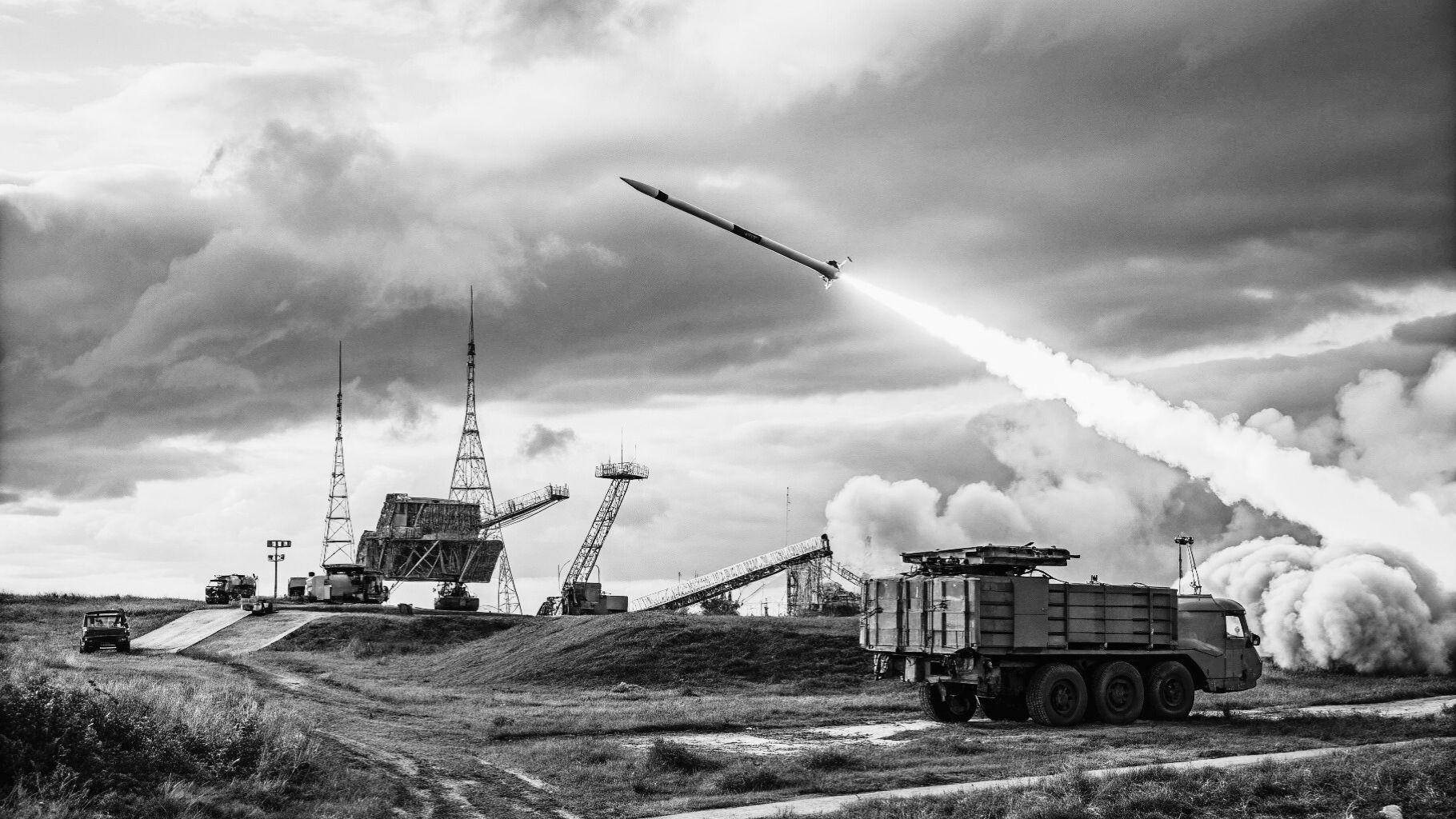
To fully leverage the radar’s capabilities, integration of the Astra Mk2 long-range air-to-air missile is expected to play a key role. The missile is reported to offer engagement ranges beyond 160–200 kilometres, enabling Tejas pilots to engage adversaries at extended stand-off distances. Current integration efforts build upon the successful induction of the Astra Mk1 and are intended to align the fighter’s weapons package with the radar’s expanded detection range.
The continued progress of both the Uttam AESA radar and Astra missile programmes highlights India’s commitment to developing indigenous defence technologies. The radar’s modular architecture and planned upgrades, including advanced gallium nitride-based technologies, are expected to deliver further improvements in range, reliability, and electronic warfare resilience.
As the Tejas Mk1A fleet expands, its blend of advanced sensors, network-centric capabilities, agility, reduced radar visibility, and indigenous long-range weaponry will strengthen its contribution to India’s air combat capability. Future enhancements will ensure the aircraft remains an effective component of the Indian Air Force’s combat inventory alongside platforms such as the Su-30MKI and the next-generation AMCA fighter.