Indian drone manufacturer Hild Defence and Aerospace has secured multiple contracts from the Indian Army for its indigenous unmanned aerial systems, underscoring the military’s increasing focus on domestically developed tactical drones and loitering munitions.
Speaking at Def-Tech 2026 in Bengaluru, company representatives revealed that the Army has selected two of Hild’s flagship platforms for operational use: the Atlas mortar-dropping quadcopter and the Talon first-person-view (FPV) kamikaze drone. The procurements reflect the Army’s broader effort to incorporate affordable and combat-relevant unmanned systems into frontline units, drawing lessons from recent conflicts in Eastern Europe and the Middle East.
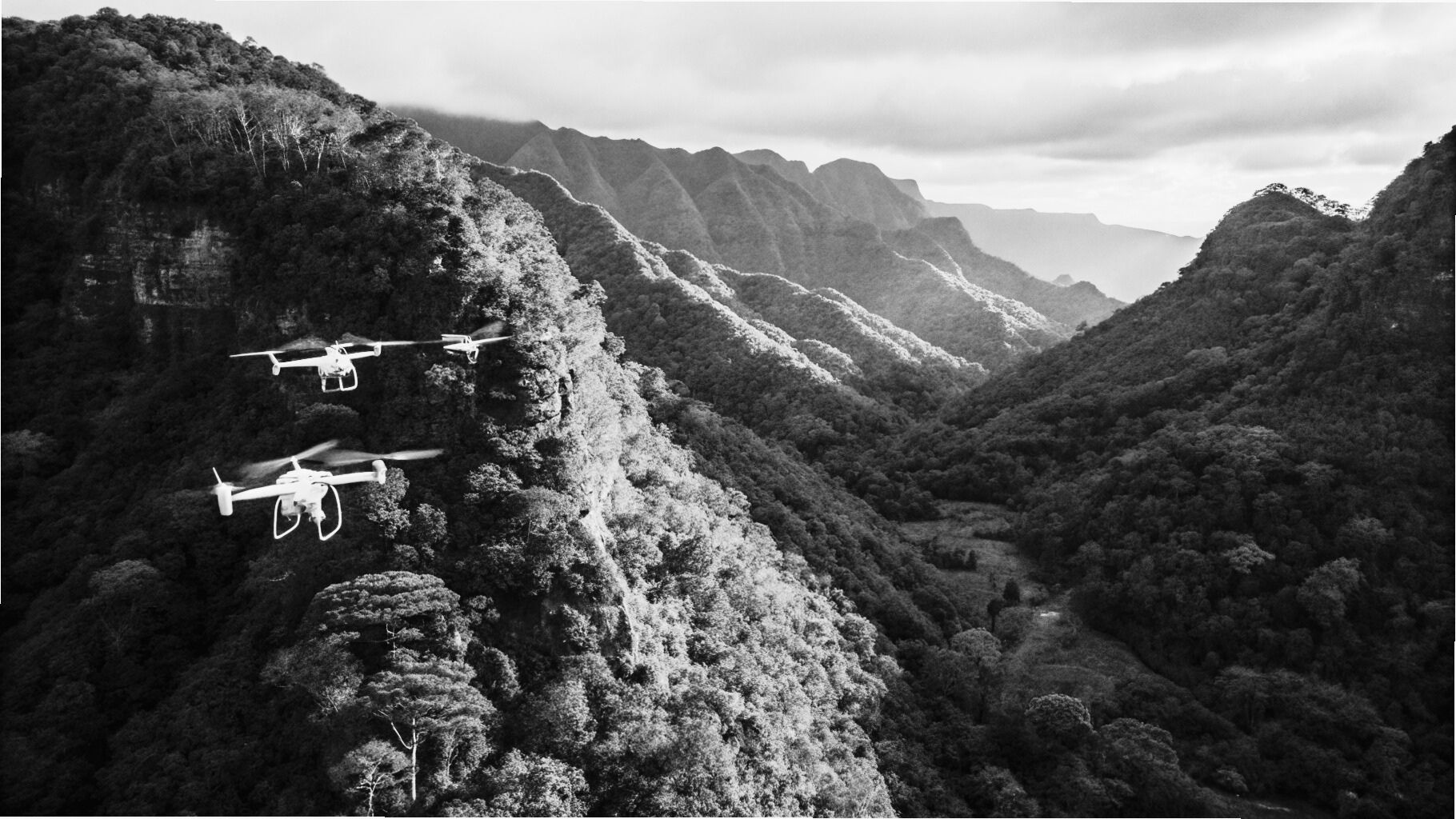
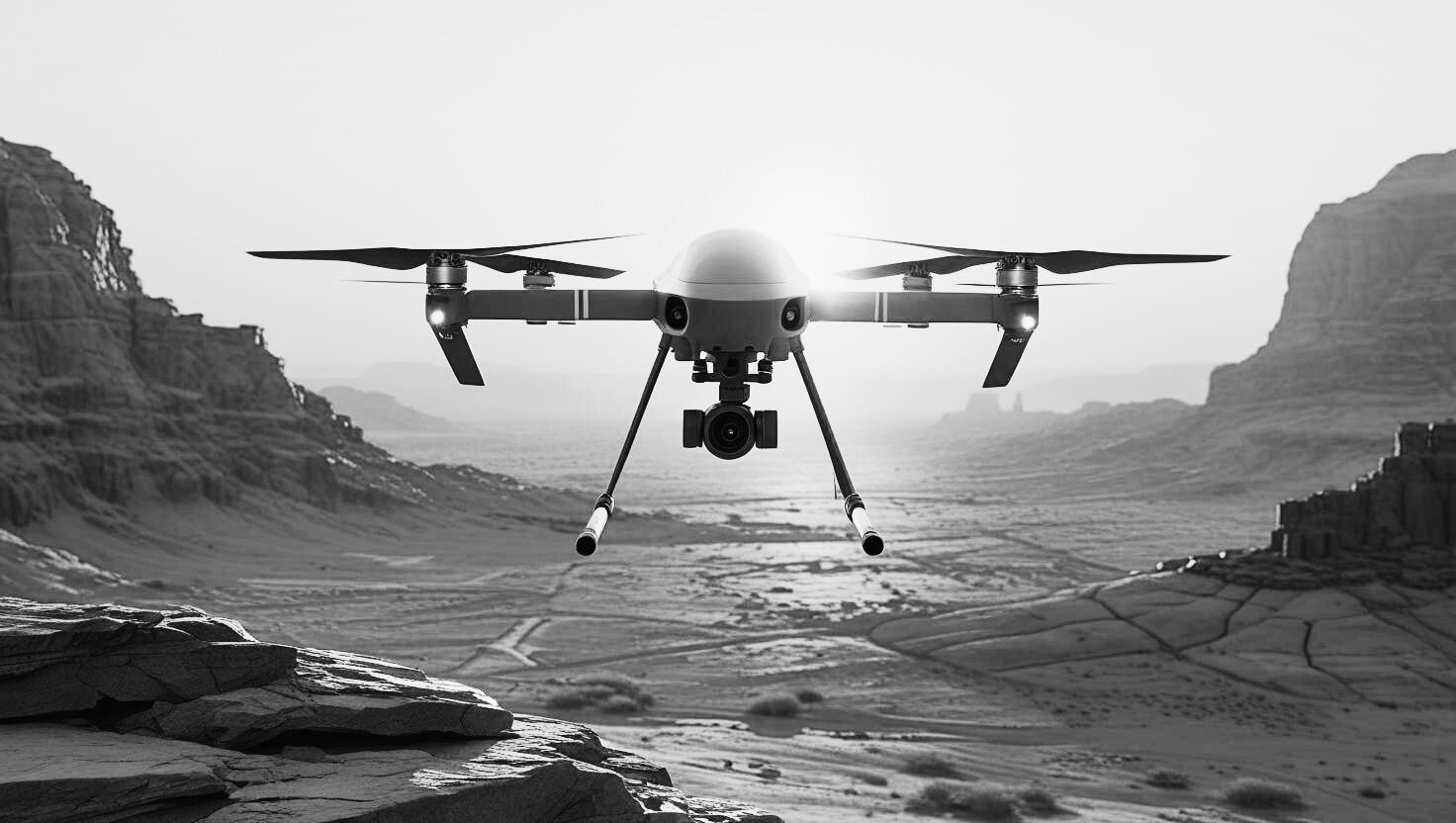
Hild Defence delivered five Atlas UAVs to an Indian Army formation deployed in northern India during the second half of 2025. Development of the platform began earlier that same year, highlighting the rapid pace of its design and fielding. Atlas is a heavy-lift quadcopter built for battlefield strike missions, capable of carrying two to four mortar bombs with a total payload of around 20 kilograms. The system is tailored for demanding operational environments, including high-altitude regions where conventional fire-support and logistics options can be limited.
The UAV can operate at altitudes of up to 1,000 feet above ground level, cruise at roughly 12 meters per second, and remain airborne for up to 55 minutes. With a line-of-sight range of 25 kilometers, Atlas enables forces to conduct surveillance and strike missions beyond the immediate frontline, offering a valuable capability in mountainous terrain where artillery employment can be challenging.
Sources indicate that the company has also participated in other Army evaluations for tactical UAV requirements, positioning Atlas as a candidate for wider adoption across additional formations.
Alongside the Atlas program, Hild Defence has secured an order for approximately 30 Talon FPV drones. The procurement was reportedly initiated by an Army unit operating under a command-level formation, reflecting growing interest in low-cost precision-strike UAVs. Deliveries are expected to commence in June.
The Talon combines reconnaissance and attack capabilities in a single expendable platform. Depending on the mission configuration, it offers an operational range of 10 to 20 kilometers and can carry a warhead weighing up to 3 kilograms. FPV drones have become increasingly significant in modern warfare due to their ability to provide real-time video feeds while conducting highly accurate attacks against vehicles, fortified positions, observation posts, and troop concentrations.
Unlike conventional artillery systems or guided missiles, FPV drones allow operators to visually identify and engage targets during the final phase of an attack, enhancing precision and minimizing unintended damage.
The acquisition of both Atlas and Talon highlights the Indian Army’s strategy of developing a layered unmanned warfare capability that spans reconnaissance, logistics support, precision strikes, and loitering munition roles. While Atlas serves as a reusable heavy-lift attack platform, Talon provides a disposable precision-strike option.
The contracts also illustrate the ongoing evolution of India’s defense industry, with the armed forces increasingly turning to domestic manufacturers for rapidly deployable drone technologies. As lessons from conflicts in Ukraine, Nagorno-Karabakh, and elsewhere continue to shape military planning, demand for indigenous UAVs and autonomous strike systems is expected to rise, creating new opportunities for companies such as Hild Defence.